Video yükleniyor...

Video Yüklenemedi

Ana Sayfaya Dön

25,303 görüntüleme • 1 yıl önce •via X (Twitter)

10 Yorum

bisrategebreal profil fotoğrafı
bisrategebreal1 yıl önce

ጥያቄ ለምንድን ነው ግን የኢትዮጵያ ነገስታት ቤተ ክርሰቲያን በማነጽ የተጠመዱት? የሰው ልጅም እኮ ክብር ቤተ ክርስቲያን ነው። ሰው እየተራበ የሰውን ችግር ከመፍታት ይልቅ ለምን ቤተ ክርስቲያን መስራት ላይ እንዳተኮሩ ሊገባኝ አልቻለም።

Demi☦️ profil fotoğrafı
Demi☦️1 yıl önce

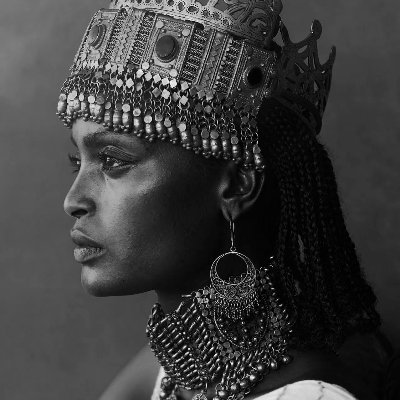
We dont want a race mixer representing our culture or history.

Jogin.chimp profil fotoğrafı
Jogin.chimp1 yıl önce

Love your art 🙏

Cassiopeia profil fotoğrafı
Cassiopeia1 yıl önce

DVNZY profil fotoğrafı
DVNZY1 yıl önce

👑 🤌

🌞 RicardoMDias 🌞 profil fotoğrafı
🌞 RicardoMDias 🌞1 yıl önce

i love ur art so much ! what do u think about the supposedly connections between the kingdom of Israel and the original Rastafari ethiopian community? And the so talked relationship between Queen Sheba and king Salomon ? could the rastafari been part of one of Israels tribes ?

ΞMФJI profil fotoğrafı
ΞMФJI1 yıl önce

❤️

PH!L!P profil fotoğrafı
PH!L!P1 yıl önce

👌👌👌

SIGMA-X profil fotoğrafı
SIGMA-X1 yıl önce

❤️❤️

JOHN profil fotoğrafı
JOHN1 yıl önce

@BlenAmhara ታሪክ አታበላሹ ቅዱስ ላሊበላ መላጣ አልነበረም😎 70 ሚሊየን ነን የምትሉት ገባን ወይ መላጣ መውደድ😂😂

Benzer Videolar

🇪🇹 Ethiopia's Hidden Treasure: The Rock-Hewn Churches of Lalibela. The rock-hewn churches of Lalibela, carved directly into the volcanic rock of northern Ethiopia, are among the most breathtaking architectural and spiritual marvels in the world. Built in the 12th and 13th centuries during the reign of King Lalibela of the Zagwe Dynasty, these monolithic churches were designed as a "New Jerusalem," providing Ethiopian Christians with a sacred site for pilgrimage. The site features eleven churches, carved entirely by hand and connected by tunnels and trenches. Each church is unique, showcasing incredible engineering and artistry. The most iconic, Bete Giyorgis (Church of Saint George), is carved in the shape of a perfect cross, entirely freestanding from the surrounding rock. Other significant structures include Bete Medhane Alem (House of the Saviour of the World), the largest monolithic church in the world, and Bete Mariam (House of Mary), adorned with intricate carvings and ancient frescoes. These churches are deeply tied to Ethiopia's Orthodox Christian faith, which considers them divinely inspired. According to legend, King Lalibela received a vision to create this "New Jerusalem" after the Muslim conquest of the Holy Land. The site has remained a place of worship and pilgrimage for centuries and continues to host thousands of visitors, particularly during the annual Timket (Epiphany) festival. The architecture of Lalibela demonstrates exceptional craftsmanship and planning. The churches were carved from the top down, with detailed interiors featuring vaulted ceilings, columns, and altars-all created within solid rock. Influenced by Axumite traditions and Byzantine Christianity, the churches stand as a testament to the ingenuity of their builders and the enduring strength of Ethiopian Christianity. Recognized as a UNESCO World Heritage Site, Lalibela is celebrated as a masterpiece of human creativity and devotion. Its churches stand as a symbol of faith, resilience, and Ethiopia's unique contributions to world history, attracting pilgrims and visitors from across the globe. 📷: unknown

MENA Visuals

23,925 görüntüleme • 4 ay önce

🇪🇹 Ethiopia's Hidden Treasure: The Rock-Hewn Churches of Lalibela. The rock-hewn churches of Lalibela, carved directly into the volcanic rock of northern Ethiopia, are among the most breathtaking architectural and spiritual marvels in the world. Built in the 12th and 13th centuries during the reign of King Lalibela of the Zagwe Dynasty, these monolithic churches were designed as a "New Jerusalem," providing Ethiopian Christians with a sacred site for pilgrimage. The site features eleven churches, carved entirely by hand and connected by tunnels and trenches. Each church is unique, showcasing incredible engineering and artistry. The most iconic, Bete Giyorgis (Church of Saint George), is carved in the shape of a perfect cross, entirely freestanding from the surrounding rock. Other significant structures include Bete Medhane Alem (House of the Saviour of the World), the largest monolithic church in the world, and Bete Mariam (House of Mary), adorned with intricate carvings and ancient frescoes. These churches are deeply tied to Ethiopia's Orthodox Christian faith, which considers them divinely inspired. According to legend, King Lalibela received a vision to create this "New Jerusalem" after the Muslim conquest of the Holy Land. The site has remained a place of worship and pilgrimage for centuries and continues to host thousands of visitors, particularly during the annual Timket (Epiphany) festival. The architecture of Lalibela demonstrates exceptional craftsmanship and planning. The churches were carved from the top down, with detailed interiors featuring vaulted ceilings, columns, and altars-all created within solid rock. Influenced by Axumite traditions and Byzantine Christianity, the churches stand as a testament to the ingenuity of their builders and the enduring strength of Ethiopian Christianity. Recognized as a UNESCO World Heritage Site, Lalibela is celebrated as a masterpiece of human creativity and devotion. Its churches stand as a symbol of faith, resilience, and Ethiopia's unique contributions to world history, attracting pilgrims and visitors from across the globe. 📷: unknown

MENA Visuals

22,355 görüntüleme • 1 yıl önce