正在加载视频...

视频加载失败

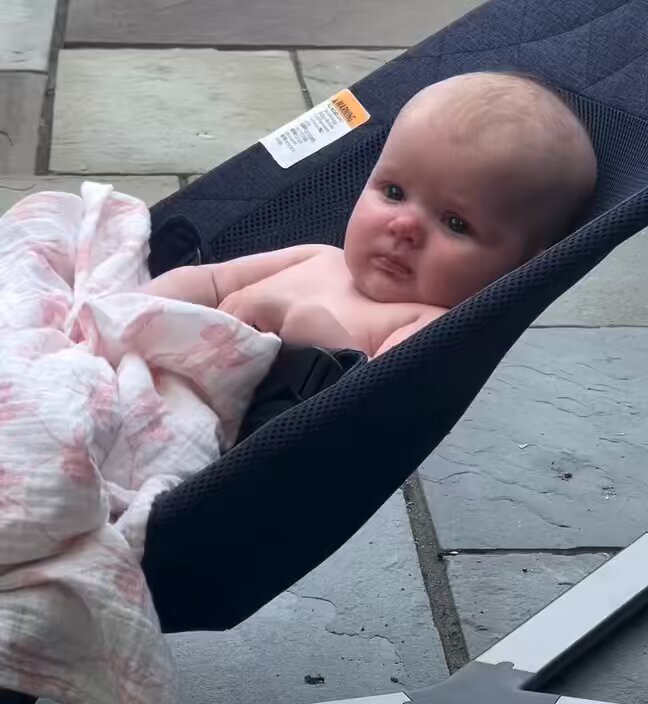
Language learning takes place across multiple dimensions at once. We think a lot about the size of a baby’s growing vocabulary, but this is only one piece of the linguistic puzzle they’re working to solve. Another - beautifully displayed in this video clip shared to FB by Anne Frankenhsuser...

22,846 次观看 • 11 个月前 •via X (Twitter)

0 条评论

暂无评论

原始帖子的评论将显示在这里

相关视频

Learning is something you and your baby do together. You can think of the process as happening in three distinct stages, during which skills are transferred gradually from you to your little one: During the first stage, your baby is observing the behavior and skills of others. During the second, they begin to emulate these behaviors - and can find success with the support of a helpful adult (you) or more expert peer (often a sibling). And gradually they internalize these skills and perform them all by themselves. This video is a great example of the shared second phase. Infants explore the world with their mouths. But an important lesson of toddlerhood is that some things are for putting in our mouths, while others are not. This little one knows that we don’t eat the Play-Doh. But it sure is tempting! Watch as he breaks off a piece and brings it to his mouth. As he does his eyes lift and he realizes that Mom is watching - which alone prompts some introspection. He grins broadly, shakes his head and exclaims “No, no, no” - using Mom’s past words to affirm his decision to place the Play-Doh back on the table. Left to his own devices, who knows? But together, without exchanging a word, he managed to make the right choice. As a parent it’s important to remember the key role you play in the learning process. And that extends to your child’s behavior. Self-regulation begins as co-regulation. So be there. This sweet little guy was shared to IG by parentosa.

Dan Wuori

75,169 次观看 • 2 年前

Baby talk vs “parentese” - what’s the difference? Often in my replies I see parents explaining why - as a method of promoting language acquisition - they never use “baby talk.” I generally agree with this sentiment, but there are some important distinctions to be made here. If by “baby talk” you mean using cutesy nonsense words (like wa-wa for water or ba-ba for bottle) you’re on the right track. There’s no need for you to make up incorrect or overly simplified vocabulary on your child’s behalf. Use real words, even if your child isn’t quite ready to do so themself. It’s how they learn. But sometimes I see confusion between “baby talk” and what is known as “motherese” or “parentese” - which isn’t nonsensical, but simply slower and more varied in intonation. (Think of Ms. Rachel’s sing-songy voice.) And this isn’t something you need to shy away from at all. In fact, research suggests that parentese - with its prolonged vowel sounds and expressive facial expressions - can be a social hook that attracts children’s attention, encouraging them to attune not only to the language to which they are being exposed but how it is produced. Importantly, it’s complete and grammatically correct… just a little more performative than you might use elsewhere. This lovely video, shared to IG by tommypadula, is a nice example. Everything mom says is 100% correct… it’s simply exaggerated in ways that are clearly capturing her daughter’s rapt attention. Just look at the smiles and eye contact it’s attracting. This isn’t baby talk. It’s parentese. And it’s fantastic.

Dan Wuori

28,726 次观看 • 11 个月前