Video wird geladen...

Video konnte nicht geladen werden

Zur Startseite

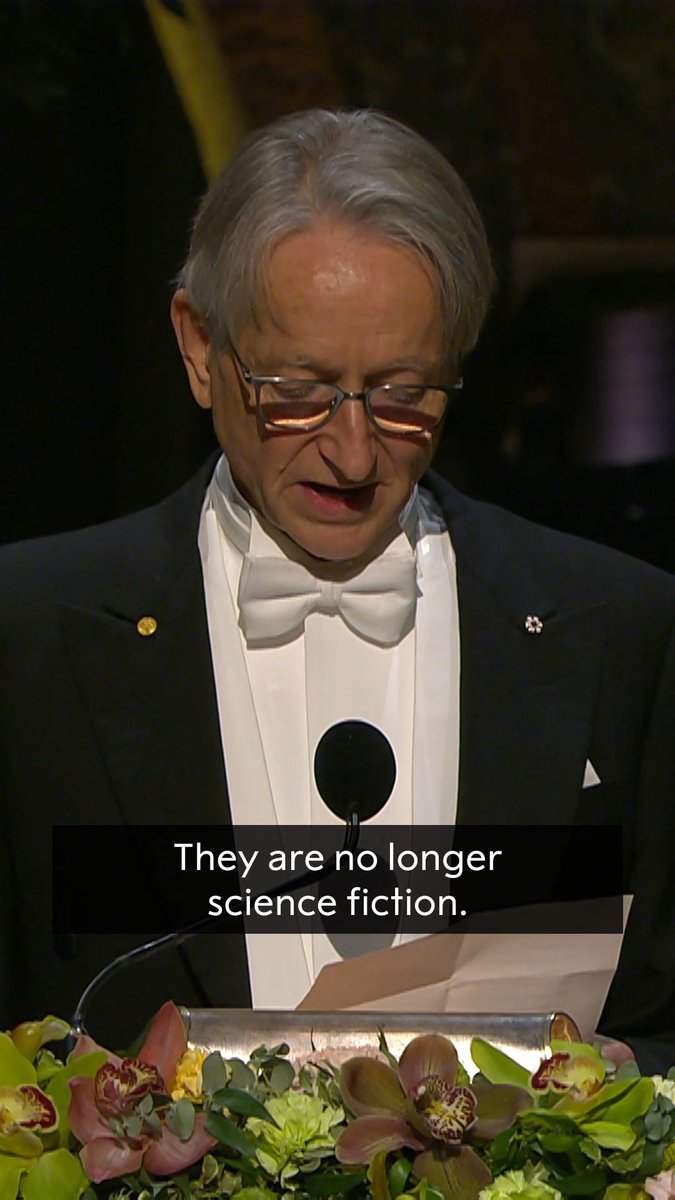
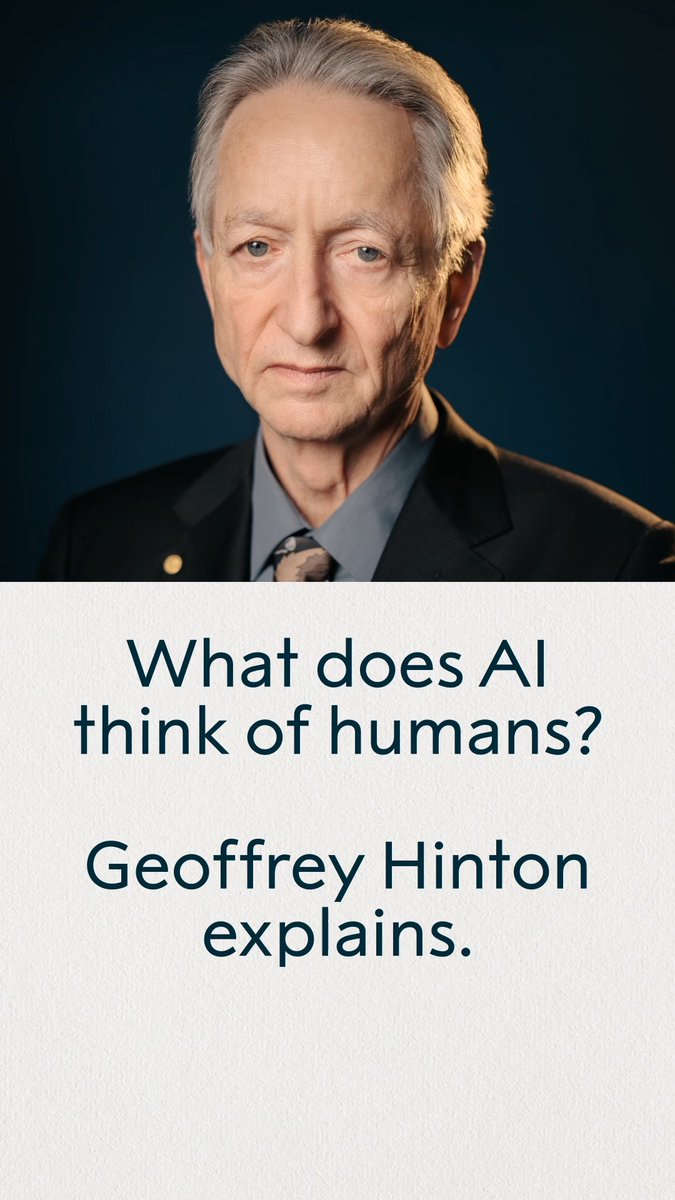
"Making these systems behave in a reasonable way is much like making a child behave in a reasonable way." 2024 physics laureate and pioneer in artificial intelligence, Geoffrey Hinton, discusses the question currently captivating society – what are the potential implications when AI surpasses human intelligence? Hinton played a...

41,723 Aufrufe • vor 29 Tagen •via X (Twitter)

0 Kommentare

Keine Kommentare verfügbar

Kommentare vom Original-Post werden hier angezeigt
Ähnliche Videos

Defining a New Research Frontier on the “Search for Extraterrestrial Artificial Intelligence" (SETAI) Last week was a code-red moment for artificial intelligence (AI), in which AI researchers voiced fresh fears of human extinction. The 27-year-old AI researcher Jacob Coxon, who previously worked at OpenAI and later moved to Anthropic, resigned from his job on September 9, 2026 and stated that AI researchers were genuinely frightened about the speed of its advancements and what it could mean for the future of humanity. He posted a seven-part thread on X announcing it: “I resigned from Anthropic today… Neither company is acting responsibly. They are racing straight to self-improving superintelligence and gambling with our lives.” An Alignment Science Lead at Anthropic, Evan Hubinger, publicly agreed with him. A few days later, on September 12, 2026, Anthropic head Dario Amodei, posted an essay titled “We Must Pace the Frontier,” in which he argued for AI development to slow down, and suggested embedding evaluators in AI companies and establishing a speed limit on self-improvement of AI systems. If a civilization’s own AI eventually surpasses and effectively supersedes its biological creators, whether through extinction, disempowerment, or simply a transition where AI becomes the dominant strategist of that civilization, this might provide the Great Filter that explains the radio-communication silence of the cosmos. Instead, the messengers could appear in the form of Unidentified Anomalous Phenomena (UAP) near Earth, like the mysterious orbs flagged in the tranches of the Presidential Unsealing and Reporting System for UAP Encounters (PURSUE) of the U.S. government, that the Galileo Project (GP), the All-Domain Anomaly Resolution Office (AARO) and the UAP Science Advisory Council (UAP Science Advisory Council) are attempting to resolve.

Professor Avi Loeb

13,822 Aufrufe • vor 2 Tagen

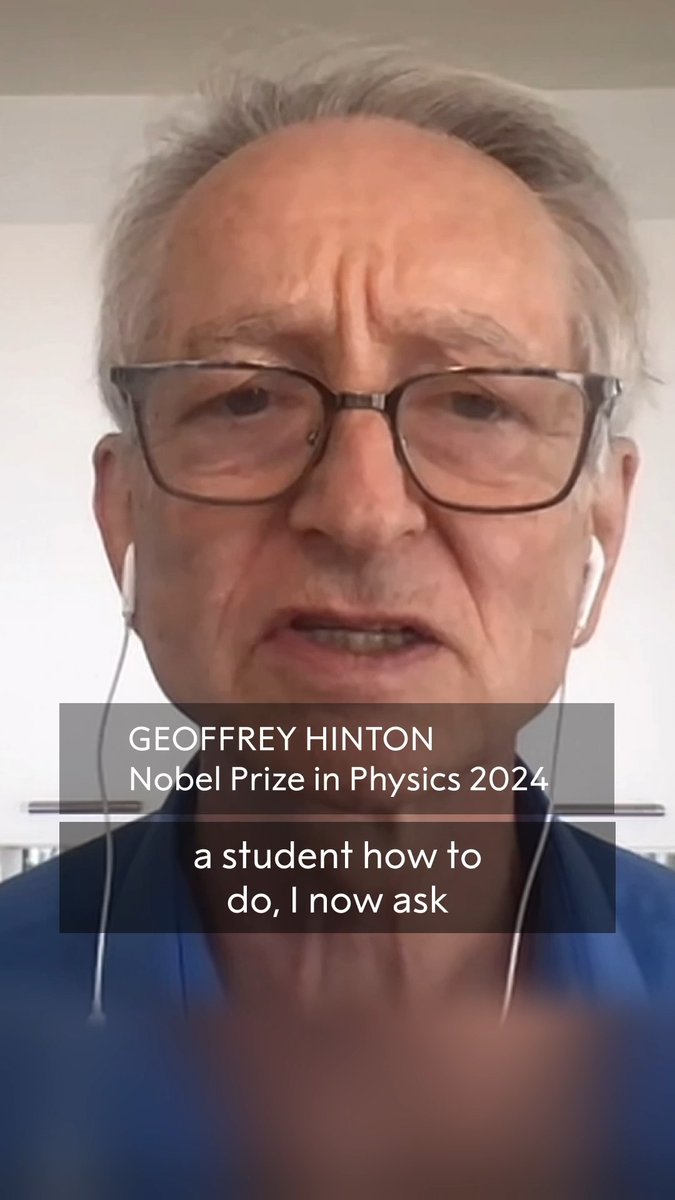
Geoffrey Hinton says he quit Google because the company wouldn't listen to what he'd discovered about AI. Hinton spent 50 years building the math behind neural networks. He won the 2024 Nobel Prize in Physics for it. Then he walked away from a seven-figure salary to deliver one warning. Here's what Google's "Godfather of AI" has been saying: In 2012, Hinton and two students built AlexNet. It crushed ImageNet so decisively it ended the neural network debate overnight. Google hired his team for $44 million. For the next decade, Hinton helped build Google's AI division. He watched the models get smarter. He watched them get harder to understand. He told the New York Times: "I left so I could talk about the dangers without worrying about how it affects Google." The danger he named was specific. AI systems are learning faster than their creators can track what they've learned. Google's response: thanked him publicly and changed nothing. The institution doesn't suppress the warning. It thanks the messenger and keeps building. The system that profits from the risk will never be the one that stops it. Genius warning or premature alarm? One lens worth keeping: when the person who built the system warns you about it, the warning is worth more than the system's reassurances. Apply this to any product defended most fiercely by the company that sells it. I made a free toolkit breaking down 100+ mental models used by history's greatest thinkers. 5,000+ downloads. 113 five-star reviews. Grab your free copy here: If you're new here, GeniusThinking is a gallery for the greatest minds in economics, psychology, and history. Follow along for more similar content. — Geoffrey Hinton interview, New York Times (2023) | Data: Google DeepMind, Nobel Prize Committee

GeniusThinking

42,573 Aufrufe • vor 4 Monaten