Loading video...

Video Failed to Load

Go Home

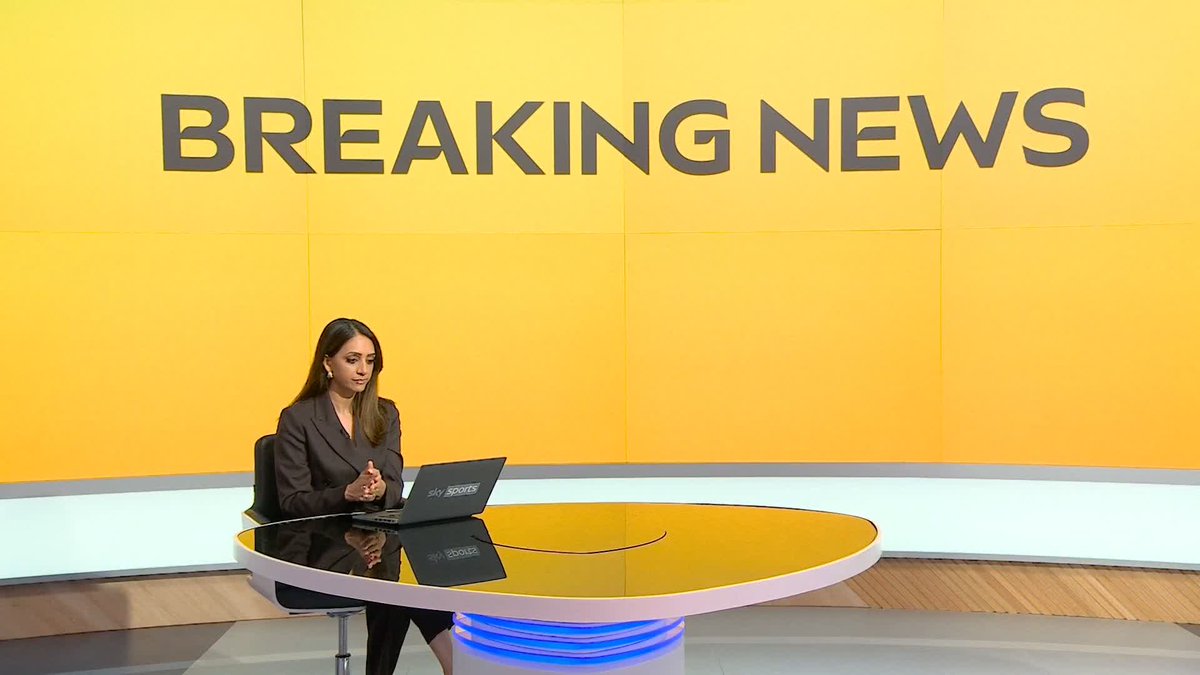
Mark Fotheringham walking into training after spending all week laughing at McInnes is top tier trolling 😂 Fizzy laughs while the Hearts boss embarrassed himself telling the world he got an apology 😬 Tin pot manager at a tin pot club 🙈

260,258 views • 5 months ago •via X (Twitter)

0 Comments

No comments available

Comments from the original post will appear here

Related Videos

What is an Automated Market Maker (AMM)? ************* Notes: The video is attached. Links to the shorts on other platforms are in the second Tweet. Voting on fees using your LP tokens is limited to the 8 biggest LP holders. For auctions, the discount gets you close to 0% but not effectively 0%. The math example couldn’t exist in reality based on G3M. It is just an example to explain the process. ************* Imagine a robot (AMM) that's always ready to help you trade your money (assets) with others on a special online platform (the XRP Ledger's decentralised exchange). This robot doesn’t need to find someone else to take the other side of your trade; it just makes the trade happen using a big pot of money (pool) it manages. How Does it Work? Trading: You can swap one type of money (asset) for another anytime you want, using the robot’s pot of money. The robot uses a special formula to decide the swap rate. Creating a Pool: Anyone can create a new pot of money for two different types of assets if it doesn’t exist yet, or add to an existing one. Rewards for Pool Creators: People who add money to the pot (liquidity providers) get special tokens (LP Tokens) as a thank-you. These tokens can be used to: • Get a share of the money in the pot back, along with some extra (fees collected). • Have a say in changing the robot’s settings, like trading fees. • Bid to get a temporary discount on trading fees. Risks and Rewards: If many people are swapping money and the pot stays balanced, the people who added money to the pot earn some passive income from the fees. But, if the value of the assets changes a lot, they might lose some money. More Technical Bits: Exchange Rate: The robot adjusts the swap rate based on how much each asset has in its pot. If it has a lot of one asset, that asset becomes cheaper to swap. Trading Fees: The robot charges a small fee for each swap, which goes to the people who added money to the pot. Voting on Fees: People with LP Tokens can vote to change the trading fee; the more tokens you have, the more your vote counts. Auction Slot: There’s a special feature where you can bid to get a discount on trading fees for a day. You bid with LP Tokens, and if you win, you (and up to 4 friends) pay no trading fees for 24 hours. LP Tokens: These are special tokens you get for adding money to the pot. They can be traded, used to vote on fees, or redeemed to pull your money out of the pot. Deleting an AMM: If all the money gets pulled out of the pot, the robot (AMM) gets deleted. But, it can be recreated by adding money to the pot again. In a Nutshell: An AMM is like a robot banker that helps people easily swap different types of money using a big shared pot. People who add money to the pot get special tokens and can earn fees from the swaps, but there are some risks if the market changes a lot. They can also vote on settings and bid for fee discounts. If the pot empties, the robot goes away but can be brought back by refilling the pot. Let’s look at an Example: Step 1: Creating a Money Pot with the AMM Robot Alice creates a new money pot (AMM) using the robot. She chooses two types of money: US Dollars (USD) and XRP. She puts in: 1000 USD 10 XRP In this example, we assume an exchange rate of $1 per XRP for easy math. Alice gets special tokens (LP Tokens) from the robot as a thank-you for adding money to the pot. These tokens prove she added money and can be used later to get her money back, plus some extra if the robot earns fees. Step 2: Bob Makes a Swap Bob wants to swap his 100 USD for XRP. He doesn’t have to wait for someone to take his offer; the robot does it instantly using the money in the pot. The robot uses a formula to decide how much XRP Bob gets for his 100 USD, ensuring it's a fair rate based on how much USD and XRP are in the pot. Step 3: Earning Fees The robot charges Bob a small fee, let’s say 1%, for convenience. So, Bob pays 1 USD as a fee, which stays in the pot. Now, the pot has more money than it started with, which is good for Alice because she can earn that extra when she uses her LP Tokens. Step 4: Alice Withdraws Her Money After some time, Alice decides to take her money out of the pot. Thanks to the fees the robot earned from Bob and others, the pot has grown to: 1101 USD 9 XRP Alice uses her LP Tokens to claim her share of the money in the pot. If she puts in 100% of the original money, she gets 100% of what’s in the pot now, including the extra earned from fees. Step 5: Voting and Discounts Alice can also use her LP Tokens to vote on things, like changing the robot’s fee. And, if she wants a discount on fees, she can bid for a special 24-hour discount slot using her LP Tokens. Conclusion In this example, the AMM robot helped Alice earn extra money by providing a convenient way for Bob to swap his USD for XRP. Alice took on some risk by putting her money into the pot, but she earned fees from Bob’s and others’ trades as a reward. Bob enjoyed the convenience of instant, hassle-free trading. And the AMM robot managed it all automatically!

Daniel "CEO of the XRPL" Keller

238,486 views • 2 years ago