Video yükleniyor...

Video Yüklenemedi

Ana Sayfaya Dön

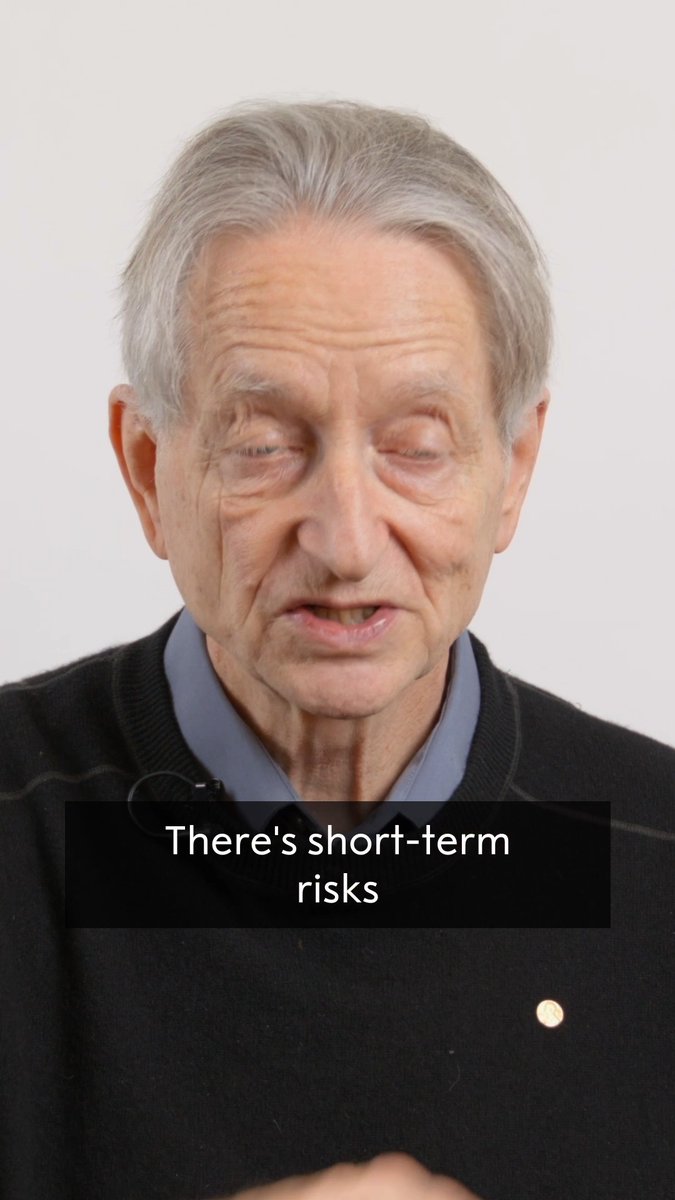
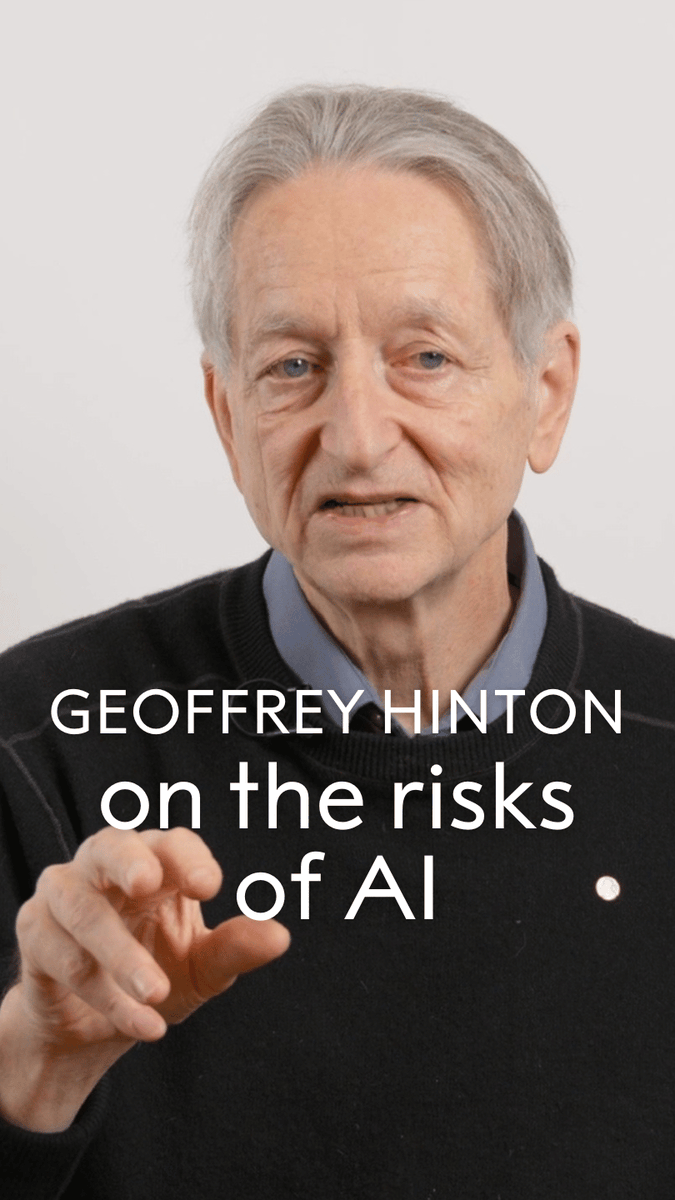
Meet Geoffrey Everest Hinton, a British-Canadian computer and cognitive scientist, and Nobel Prize laureate known for his work on artificial neural networks, which earned him the title "the Godfather of AI". He is University Professor Emeritus at the University of Toronto. If you get a spare 15 minutes today,...

11,783 görüntüleme • 18 gün önce •via X (Twitter)

1 Yorum

Megg Sohn profil fotoğrafı
Megg Sohn18 gün önce

full video...

Benzer Videolar

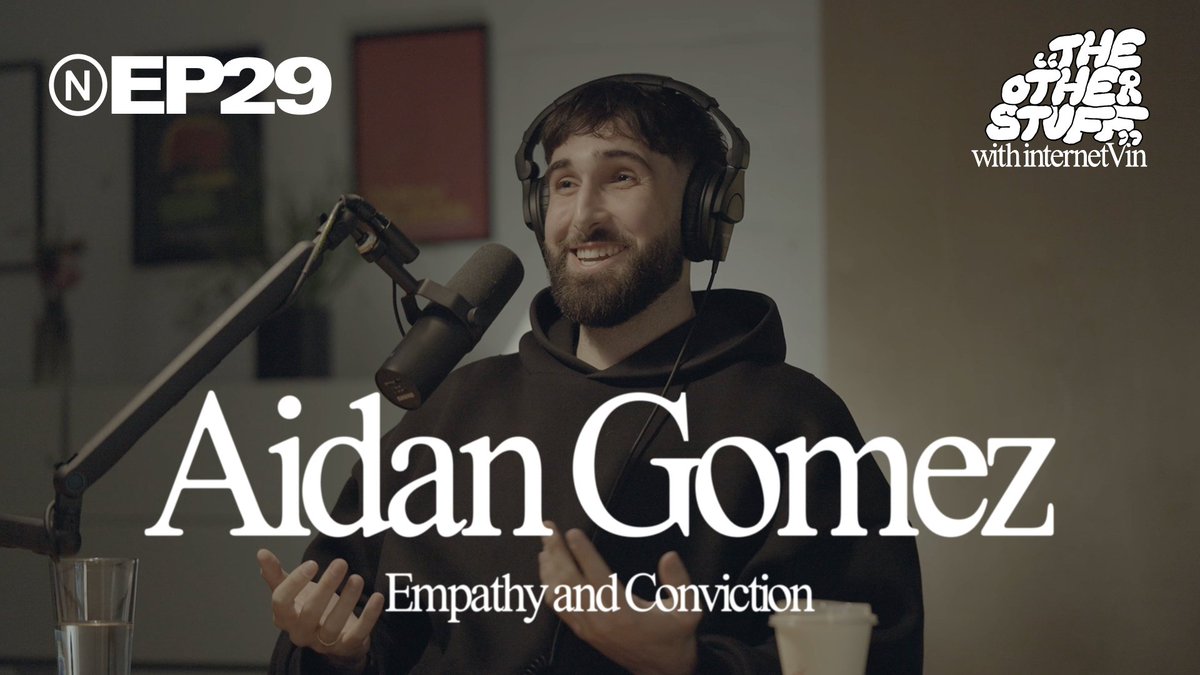
Aidan Gomez (Aidan Gomez) is a computer scientist, co-author of the seminal paper ‘Attention Is All You Need,’ and the CEO of Cohere. In this episode, we discussed his upbringing in the cabin his grandfather built in Codrington, a small town North of Brighton, and the values that were instilled in him through his family. We explored his path from Codrington to his undergraduate studies at the University of Toronto, emailing Geoffrey Hinton, and joining Google Brain where he co-wrote the paper on transformers. We discussed how he met his co-founders Ivan Zhang and Nick Frosst, and his insights on what it means to build a meaningful, successful company in Canada. Aidan shares his conviction about what is at stake — for Canada and for the world at large. This is a conversation about family, values, and what it means to live with conviction. The Other Stuff is hosted by internetVin — filmmaker, entrepreneur, and possibly the most curious man on Earth. Produced by New. The Other Stuff #29 — Aidan Gomez: Empathy and Conviction — Timestamps 00:00:00 Intro 00:03:10 The Malleability of Toronto 00:11:06 Growing Up in Codrington 00:13:50 The Story of Aidan Gomez’s Family 00:27:23 Introduction to the Internet 00:30:39 Values and Work Ethic 00:35:46 University of Toronto’s AI Scene 00:40:48 Emailing Geoffrey Hinton 00:42:16 Google Brain 00:45:15 Dropout: A Simple Way to Prevent Neural Networks from Overfitting 00:49:48 The Beauty of Research 00:54:24 One Model to Rule Them All 00:59:54 Meeting Ivan Zhang and Nick Frosst 01:04:00 The Birth of Cohere 01:06:56 Twitter Influencers and Alex Friedland 01:11:48 Being the CEO 01:12:51 Building for Canada 01:15:01 Three Fundamental Ingredients of Building a Company 01:21:39 Working with the Canadian Government 01:24:39 Reflexivity in Canada 01:36:22 What Is Evil? 01:42:40 The Role of AI in the World

The Other Stuff Podcast

45,297 görüntüleme • 9 ay önce

Geoffrey Hinton says he quit Google because the company wouldn't listen to what he'd discovered about AI. Hinton spent 50 years building the math behind neural networks. He won the 2024 Nobel Prize in Physics for it. Then he walked away from a seven-figure salary to deliver one warning. Here's what Google's "Godfather of AI" has been saying: In 2012, Hinton and two students built AlexNet. It crushed ImageNet so decisively it ended the neural network debate overnight. Google hired his team for $44 million. For the next decade, Hinton helped build Google's AI division. He watched the models get smarter. He watched them get harder to understand. He told the New York Times: "I left so I could talk about the dangers without worrying about how it affects Google." The danger he named was specific. AI systems are learning faster than their creators can track what they've learned. Google's response: thanked him publicly and changed nothing. The institution doesn't suppress the warning. It thanks the messenger and keeps building. The system that profits from the risk will never be the one that stops it. Genius warning or premature alarm? One lens worth keeping: when the person who built the system warns you about it, the warning is worth more than the system's reassurances. Apply this to any product defended most fiercely by the company that sells it. I made a free toolkit breaking down 100+ mental models used by history's greatest thinkers. 5,000+ downloads. 113 five-star reviews. Grab your free copy here: If you're new here, GeniusThinking is a gallery for the greatest minds in economics, psychology, and history. Follow along for more similar content. — Geoffrey Hinton interview, New York Times (2023) | Data: Google DeepMind, Nobel Prize Committee

GeniusThinking

42,573 görüntüleme • 4 ay önce