Video wird geladen...

Video konnte nicht geladen werden

Zur Startseite

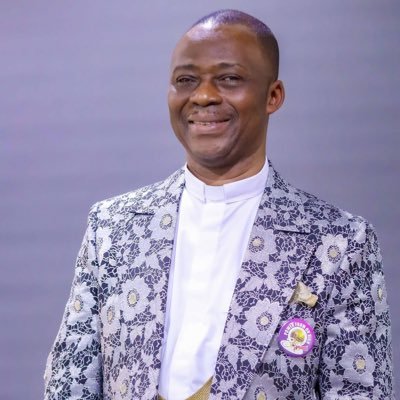
Mountain Top University has commissioned a state-of-the-art ALTUS Virtual Pipe Organ, supplied by Altus Klass and funded by Dr. Daniel Kolawole Olukoya. Designed primarily as a pedagogical instrument and the first of its kind in Nigeria, the organ features both traditional tab-stop control and touchscreen monitors, and includes ten...

35,658 Aufrufe • vor 3 Monaten •via X (Twitter)

0 Kommentare

Keine Kommentare verfügbar

Kommentare vom Original-Post werden hier angezeigt

Ähnliche Videos

🚨BREAKING NEWS🚨 Twice-Censored Landmark COVID-19 Vaccine Autopsy Study Fully Peer-Reviewed and Published •After enduring relentless censorship, our systematic review linking COVID-19 vaccines to death is now available for the entire world to read  by: NICOLAS HULSCHER, MPH Nicolas Hulscher, MPH NOV 17, 2024 •The largest COVID-19 vaccine autopsy study to-date, providing robust evidence that COVID-19 vaccines can cause death, has been officially republished following successful peer-review in the journal Science, Public Health Policy, and the Law: A Systematic Review Of Autopsy Findings In Deaths After COVID-19 Vaccination •This comes after unethical censorship on two occasions: first, removal from Preprints with the Lancetand later, withdrawal by Elsevier after publication in Forensic Science International •Background: The rapid development of COVID-19 vaccines, combined with a high number of adverse event reports, have led to concerns over possible mechanisms of injury including systemic lipid nanoparticle (LNP) and mRNA distribution, Spike protein-associated tissue damage, thrombogenicity, immune system dysfunction, and carcinogenicity •The aim of this systematic review is to investigate possible causal links between COVID-19 vaccine administration and death using autopsies and post-mortem analysis •Methods: We searched PubMed and ScienceDirect for all published autopsy and organ-restricted autopsy reports relating to COVID-19 vaccination up until May 18th, 2023 •All autopsy and organ-restricted autopsy studies that included COVID-19 vaccination as an antecedent exposure were included •Because the state of knowledge has advanced since the time of the original publications, three physicians independently reviewed each case and adjudicated whether or not COVID-19 vaccination was the direct cause or contributed significantly to death •Results: We initially identified 678 studies and, after screening for our inclusion criteria, included 44 papers that contained 325 autopsy cases and one organ-restricted autopsy case (heart) •The mean age of death was 70.4 years •The most implicated organ system among cases was the cardiovascular (49%), followed by hematological (17%), respiratory (11%), and multiple organ systems (7%) •Three or more organ systems were affected in 21 cases •The mean time from vaccination to death was 14.3 days •Most deaths occurred within a week from last vaccine administration •A total of 240 deaths (73.9%) were independently adjudicated as directly due to or significantly contributed to by COVID-19 vaccination, of which the primary causes of death include sudden cardiac death (35%), pulmonary embolism (12.5%), myocardial infarction (12%), VITT (7.9%), myocarditis (7.1%), multisystem inflammatory syndrome (4.6%), and cerebral hemorrhage (3.8%) •Conclusions: The consistency seen among cases in this review with known COVID-19 vaccine mechanisms of injury and death, coupled with autopsy confirmation by physician adjudication, suggests there is a high likelihood of a causal link between COVID-19 vaccines and death •Further urgent investigation is required for the purpose of clarifying our findings •Our study indicates that the COVID-19 injectable products must undergo an immediate Class I recall by the FDA to protect public safety •The U.S. Food and Drug Administration defines a Class I recall as: “A situation in which there is a reasonable probability that the use of or exposure to a violative product will cause serious adverse health consequences or death.” •The censorship and retraction of studies that show COVID-19 mRNA injection harms is deeply concerning •First, this study was inappropriately removed from Preprints with the Lancet (SSRN) •The paper was posted on the server on July 5th, 2023 and censored in less than 24 hours after receiving massive numbers of downloads and reads, "because the study's conclusions are not supported by the study methodology."

Lyndsey, RN 💜🐭

153,138 Aufrufe • vor 1 Jahr

Orteke - traditional performing art in Kazakhstan 🇰🇿; dance, puppet and music... Orteke is an indigenous Kazakh performing art that combines theatre, music and puppetry. This folk art entails a music performance with a dombyra, a traditional two-stringed instrument and a dance performed by a wooden puppet. Attached to the surface of a traditional drum with a metal rod, a wooden puppet in the shape of a mountain goat is connected to the fingers of a musician by one or several strings. As the musician strikes their fingers to play the dombyra, the puppet comes to life, hopping in sync with the music while tapping a rhythmic beat on the drum. Some experts can play with three or more puppets at a time. This performance, fascinating for its simplicity, is enjoyed by children and adults alike. It is primarily transmitted within communities and through apprenticeships, although the Kokil Musical College in Almaty has also established a team of researchers dedicated to the art. The biennial Orteke international festivals and regional puppet art competitions are other platforms for the learning and sharing of skills and experience between puppet artists from Kazakhstan and neighbouring countries. An important part of the region’s folk heritage and identity, Orteke also serves as a communication tool between adults and children. The tradition of the orteke may go back several thousands of years. The word “orteke” derives from “or”, ditch, hole or trap, and “teke”, goat. Orteke are carved figures of a horned mountain goat mounted on stands, manipulated by a puppeteer using slender sticks and strings attached to the puppets’ wooden parts. The orteke are attached by threads to the fingers of the puppeteer-musician playing the dombra (a wooden plucked instrument with two strings) and usually performed on a Kazakh perussion instrument, the daulpaz (dauyilpaz, bass drum), “which has a built­in metal core for the fastening of the body of the goat. From below, the core is connected to a foot of the performer and thus is manipulated by him. Simultaneously, dombra performer can operate three animals (with his two hands and a foot), separately or at the same time.” The goat dances on its drum plinth, creating a percussive rhythm to accompany the string music of the dombra. The goat puppet is also found in neighbouring countries. Older Kazakhs today have childhood memories of relatively simple performances with puppets and musical instruments, such as these 1927 reminiscences of a young girl during the pre-Soviet period: “There were people playing the instrument, dombra, and at the end of the dombra they placed the puppet made of straw. And when they played, the puppet began to jump and dance. It was fun for the children. These people were invited to the houses to entertain children, and more often they entertained people in the bazaars. It was very popular, especially among the children …Then the shadow theatre was very popular because there was no electricity and the only entertainment was showing different animals on the wall.” The Kazakh puppetry and musical tradition called the Orteke is today experiencing a “comeback”, thanks to artists, academics, the Kazakh government, and the public as part of Kazakhs search for a national identity. Originally made by tribal artist from south-west Kazakhstan, Orteke was all but forgotten; it only survived because a few master craftsmen and puppeteers preserved the tradition and passed it on. Today, traditional Orteke has found new audiences. The government-funded Orteke 2010 puppet festival, held in the country’s capital, Almaty, was devoted to the Orteke. Performers from Kazakhstan, Kyrgyzstan, Russia, Turkmenistan, and Uzbekistan attended the 2010 festival. Some of the Orteke performers were very young, as young as five years old. 🎥© dala_sound #archaeohistories

Archaeo - Histories

101,527 Aufrufe • vor 2 Monaten

Before Fela Kuti, There was Fela Sowande, The Father of Nigerian Classical Music. Chief Olufela Obafunmilayo "Fela" Sowande MBE (29 May 1905 – 13 March 1987) was a Nigerian musician and composer. Considered the father of modern Nigerian art music, Sowande is perhaps the most internationally known African composer of works in the European "classical" idiom. Sowande was born 29 May 1905 in Abeokuta, near Lagos, the son of Emmanuel Sowande, a priest and pioneer of Nigerian church music. As a child he sang in the Choir of the Cathedral Church of Christ. He studied at the C.M.S. Grammar School and at King's College, Lagos. The influence of his father and Dr. T. K. Ekundayo Phillips (composer, organist and choirmaster) was an important factor in his early years. Through Phillips, Sowande was first exposed to European church music like Bach and Rheinberger. At that time, Sowande was a chorister and was introduced to new Yoruba works being introduced into the churches. Under Phillips' tutelage, Sowande earned the Fellowship Diploma (FRCO) from the Royal College of Organists. At that time, he was also a bandleader, playing jazz and popular highlife music In 1934, Sowande went to London to study European classical and popular music. In 1936, he was solo pianist in a performance of George Gershwin's Rhapsody in Blue. He also played as part of a pianist duo with Fats Waller, was theatre organist for the BBC, Choirmaster at Kingsway Hall and pianist in the 1936 production of Blackbirds. In 1939, he played the organ on recordings by popular singers Adelaide Hall and Vera Lynn. Later, he studied organ privately under Edmund Rubbra, George Oldroyd, and George Cunningham and became a Fellow of the Royal College of Organists in 1943, winning the Limpus, Harding and Read Prizes. He obtained a Bachelor of Music degree at the University of London and became a Fellow of Trinity College of Music. During the Second World War, he worked as musical advisor for the Colonial Film Unit of the Ministry of Information mainly providing background music for educational films, and lectured on music for the BBC Africa Service. From 1945 until 1952, he was organist and choirmaster at the West London Mission of the Methodist Church. During this time, he also became known as a dance pianist, bandleader, and Hammond organist, playing popular tunes of the day. He went back to Nigeria to scholarly work with the Nigerian Broadcasting Corporation and later the University of Ibadan. In 1952 Sowande became musical director of the Nigerian Broadcasting Service; in the 1955 Queen's Birthday Honours he was appointed MBE for this work. Sowande was one of the six judges who selected the Nigerian National Anthem in 1960. In 1962 he travelled to the United States on a Rockefeller Foundation fellowship. In 1968, he moved to Howard University in Washington, D.C., then to the University of Pittsburgh. He was a Musical King in Africa.

Yoruba Mystic TV

29,460 Aufrufe • vor 7 Monaten

“The House of the Rising Sun” is one of the oldest and most mysterious folk songs in the United States, which became a rock anthem thanks to The Animals in 1964. Its origins are lost in time. It is a traditional American ballad, likely from the 19th century or even earlier, with possible roots in old English ballads. No one knows who wrote it: it is a song of unknown authorship that was passed down orally among folk musicians, miners, travelers, and singers in the southern United States. It tells of a life ruined in New Orleans (Louisiana), at a place called “The House of the Rising Sun,” which many interpret as a brothel, a casino, or a disreputable hotel. Depending on the version, it can be told from the perspective of a woman who falls into prostitution or a man who loses himself to gambling and alcohol. The first known recording dates from 1933–1934, when Clarence Ashley and Gwen Foster recorded it. Shortly thereafter, Alan Lomax recorded a 16-year-old girl named Georgia Turner singing it a cappella in Kentucky. Even then, it was called “Rising Sun Blues.” Over time, it was covered by artists such as Lead Belly, Woody Guthrie, Joan Baez, and Bob Dylan (on his 1962 debut album). Everything changed in 1964. The Animals, a British band from Newcastle, heard it in Dylan’s version (and also in English folk circles). Eric Burdon and the others adapted it to their style: they gave it a darker, electric, and more powerful rhythm, with Alan Price’s famous organ riff and Burdon’s raspy voice. They recorded it in a single take on May 18, 1964, in just 15 minutes, during a break on their tour. At first, producer Mickie Most hesitated because of its length (over 4 minutes), but it was released as a single and became a massive hit: number 1 in the United States, the United Kingdom, and several other countries. It is considered one of the first great folk rock songs. Since then, the song has been covered hundreds of times (by Nina Simone, Dolly Parton, Muse, among many others) and continues to be featured in movies, TV shows, and stadiums.

🎸 Rock History 🎸

149,268 Aufrufe • vor 2 Monaten

Among the most famous works of Wolfgang Amadeus Mozart, Eine kleine Nachtmusik is often regarded as one of the quintessential examples of the Classical style. Over generations, the piece has not only appeared frequently on concert stages but has also been widely used in the teaching of music history and aesthetics. What gives it such a special place is not technical display or overwhelming effects, but its ability to make listeners immediately perceive a clear musical order from the very first notes. The first impression is one of structural clarity. As soon as the opening theme sounds, the musical phrases are organized into balanced and coherent units. Each musical idea has a clear beginning, a process of development, and a natural point of rest before moving on to the next phrase. Listeners therefore do not merely receive individual melodies; they quickly sense a purposeful forward motion. The music advances with the natural flow of a well-organized dialogue, in which each phrase prepares the next while simultaneously completing the meaning of the one before it. What is remarkable is that Mozart does not create appeal through complexity. The opening theme is built from short, easily recognizable motifs that are continually developed through subtle variations in rhythm, pitch, and harmony. New ideas do not deny or replace previous material; instead, they seem to emerge naturally from what the listener has just heard. As a result, the entire movement maintains a feeling of being both familiar and constantly in motion, avoiding both monotony and any sense of fragmentation. If melody brings vitality to the surface of the music, the balance of the whole work is sustained by the relationship between the voices. No single instrument tries to detach itself from the ensemble to become the absolute center. The string parts continuously support, respond to, and complement one another, creating a texture in which each element retains its own role while serving the unity of the entire piece. Listeners thus perceive not only the beauty of individual melodic lines, but also the connections between them as parts of a single whole. Harmony also plays a decisive role in this impression. Points of tension are always carefully prepared and logically led toward resolution. Whenever the music moves away from the tonal center, Mozart simultaneously constructs a path that brings it back to a state of balance. Therefore, although the movement is always full of energy, listeners rarely feel unsettled. Motion and stability are not opposites; they coexist within a unified structure. From these details, the organizing principle of the entire work gradually emerges. Mozart does not construct beauty by choosing between power and elegance, between motion and order, or between diversity and unity. He allows these seemingly opposing elements to coexist and support one another. The melody is always moving yet never loses direction. The individual parts maintain their own character without separating from the whole. Harmony creates tension but always points toward balance. Every element develops, yet all development occurs within an organized structure. Thus, the enduring vitality of Eine kleine Nachtmusik comes not only from its memorable melodies or its elegant surface beauty. The long-term value of the work lies in the way Mozart organizes all the musical material around a consistent principle: beauty does not arise when all elements are the same, but when each element fulfills its role completely within a shared order. It is precisely this unity of structure, motion, and balance that has led generations of classical music lovers to cherish the piece as one of the most representative expressions of Western Classical art.

🎼🌺Music Love♥️

18,961 Aufrufe • vor 25 Tagen

Brain Death Is A Lie. Don't Donate Your Organs. Very Disturbing Information - Dr. Paul A. Bryne Brain Death Is A Lie. Every donor is killed in the process, he stated. Revoking your organ donation status from your drivers license is not enough, you must also complete a document of refusal. Dr. Paul A. Byrne is a Board Certified Neonatologist and Pediatrician. He is the Founder of the Neonatal Intensive Care Unit at SSM Cardinal Glennon Children’s Medical Center in St. Louis, MO. He is Clinical Professor of Pediatrics at University of Toledo, College of Medicine. He is a member of the American Academy of Pediatrics and Fellowship of Catholic Scholars. Dr. Byrne is past-President of the Catholic Medical Association (USA), formerly Clinical Professor of Pediatrics at St. Louis University in St. Louis, MO and Creighton University in Omaha, NE. He is author and producer of the film “Continuum of Life” and author of the books “Life, Life Support and Death,” “Beyond Brain Death,” and “Is ‘Brain Death’ True Death?” Dr. Byrne has presented testimony on “life issues” to nine state legislatures beginning in 1967. He opposed Dr. Kevorkian on the television program “Cross-Fire.” He has been interviewed on Good Morning America, public television in Japan and participated in the British Broadcasting Corporation Documentary “Are the Donors Really Dead?” Although the medical profession declares patients “brain dead,” often following an accident, Dr. Byrne insisted there’s no such thing. "Brain death" was false, he said. “Brain death was a lie from the beginning. It has always been a lie. "Brain death" is not true death,” he continued. Organ transplant is the reason you have to have brain death. Dr. Byrne said this term crept into the medical profession following the world’s first heart transplant in 1968. It has since been defined and redefined and is now being replaced by another term known as cardiac death, he noted. He said donated organs, without exception, must come from a living person. Within minutes of “true death,” which, he explained, is the cessation of circulation and respiration, the organs will begin to die. This is why, when organs are removed from a donor, the beating heart is always taken last. You cannot get any organs from cadavers, he noted. If you’re really dead, then no organs can be extracted. He also pointed out the differences between living and dead patients. One example is cooling the body. This slows metabolism in someone who is alive. It slows destruction in a corpse. He said a ventilator, which pushes air into the body, can only be used on someone who’s living, as the person exhales the air. Also, if you cut the skin of someone who’s living, but declared “brain dead,” the wound will heal, something that won’t happen in a dead person. Clearly there’s a difference, said Dr. Byrne. Dr. Bryne went on to describe the damage that can result when doctors perform an “apnea test,” which often sets the stage for organ donation. This is when a ventilator is removed, prematurely, for 10 minutes, to see if a person can breathe on their own. This process, which he called “suffocation,” typically results in the person’s conditioning worsening, he said. Recovery after being declared “brain dead” is also possible according to Dr. Byrne's personal experience and research.

Jessica Rojas 🇺🇸💪

1,084,586 Aufrufe • vor 2 Jahren

The Kyiv-Pechersk Lavra was hit by a Russian "Geran-2" drone manufactured in Alabuga. ‼️ Ukraine’s National Commission for UNESCO condemned Russian strikes on several cultural institutions in Ukraine, including the Kyiv-Pechersk Lavra. The UKR Mission to UNESCO called on the international community to prevent Russia from participating in key UNESCO bodies. The Commission emphasized that the Kyiv-Pechersk Lavra is a UNESCO World Heritage Site and a cultural landmark under enhanced protection in accordance with the 1954 Hague Convention and its Second Protocol. The Commission also highlighted the cultural institutions damaged in the Russian attack: 🔹 Mystetskyi Arsenal National Culture of Arts and Museum Complex, 🔹 National Palace of Arts "Ukraine", 🔹 Kyiv National University of Theatre, Cinema and Television named after Ivan Karpenko-Karyi, 🔹 House of Organ and Chamber Music in Dnipro, 🔹 Kharkiv Art Museum, 🔹 National Film Studio named after Oleksandr Dovzhenko. "We call on the international community to stop tolerating these crimes, to increase political, economic, and legal pressure on the aggressor state, and to take decisive measures to end Russian aggression as soon as possible," the statement reads. Furthermore, the Commission appealed to the leadership of the UNESCO Secretariat, demanding a "harsh and clear reaction" on their part, as well as the utilization of the tools available to the UNESCO Executive Board, the Committee for the Protection of Cultural Property in the Event of Armed Conflict, and the UNESCO World Heritage Committee. Ukraine has called on UNESCO experts to visit the damaged institutions, document the aftermath of the Russian strikes, and provide an impartial assessment. 📹: PM Svyrydenko showed the aftermath of the Russian attack on the Cathedral

Anton Gerashchenko

59,913 Aufrufe • vor 1 Monat

Princewill Aghedo is a Global Nurse Leader and the Founder of Empower Nurses consult. He can be described as a Global champion and an African frontier for uplifting the profile and status of Nursing across the continent. In recognition of the incredible contribution he made to provide personal and professional development opportunities to about 10,000 Nurses and healthcare professionals across Africa through his virtual hub, he has been accorded the winner of the Global Award of the International Nurses Day 2022, Nursing Now Challenge Award for the Advocacy and Communication category. As a Young Nurse leader who aspires to climb to the highest echelon of Leadership in Nursing, Princewill holds a professional diploma in Healthcare leadership and management from the prestigious University of Washington USA. His interest in supporting the united nations to achieve the united nations sustainable development goal 3 (SDG-3) has motivated him to enroll for a master's degree in International Public Health at the revered Liverpool John Moores University, United Kingdom. He is a UK-qualified master trainer with an International Award in Delivering Training (IADT3). He is also one of the 50 licensed Basic Life Support instructors in Nigeria by the American Heart Association. As an instructor, He has delivered training to over 2,000 learners across private, government, and corporate organizations in Nigeria like; Reddington Multi specialist Hospital, Lagos State Ministry of Health, Yobe state Ministry of Health, Federal medical center Bida, International Breweries, London professional Training Center and many others. The highly-skilled, compelling visionary and the phenomenal resourceful nurse was nominated amongst twelve (12) nurses selected by the Nursing Now Global campaign – An arm of the International Council of Nurses (Highest Advocacy organization for Nurses Globally) in 2020 & 2020 to attend the World Health Assembly congress in Geneva, Switzerland. Following his track record of excellence in providing professional development opportunities for Nigerian Nurses, he was appointed as the Chief adviser on career and academic development to the Nigerian University Nursing student association (NUNSA) – The umbrella body of over 20,000 Nursing undergraduates in Nigeria. In 2017, Princewill co-founded the men in Nursing assembly of Nigeria and hosted the first scientific conference in 2019. His undying passion for nurses and nursing has earned him some other awards like: ● A most inspiring young nurse in Nigeria, 2019 ● Nursing and midwifery excellence awards 2020 ● Special award for capacity development of young Nurses in Nigeria ● Special award for influencing Nursing Now activities in Nigeria He is the 2019 Art in Medicine Fellow key member of 4-man inspectors from the International Health Organization invited by the Yobe state ministry of health to provide strategic direction and action plan to improve the level and standard of healthcare service delivery in the state. He is one of the International Health Organization (IHO) delegates approved to inspect and audit the healthcare delivery system of five government hospitals in Yobe State, to upgrade them to UK standards. As a leader in Global Health, he deployed his corporate communications and lobbying skills to win a grant of over three (3) million from the National Association of Nigerian Nurses in North America, following his advocacy campaign calling for the support of international Nursing organizations to fund the production and purchase of personal protective equipment for Nigerian Nurses. After this campaign, he successfully distributed over 5000 protective gear to nurses across all the states in Nigeria, including the federal capital territory You should see a documentary of my career achievement below ↘️⏬

Princewill Aghedo

23,778 Aufrufe • vor 3 Jahren

Ge’ez / Ethiopia and Eritrea: A Timeless Treasure for Africa and Global Scholarship I am sharing two recent videos that bring into sharper relief the enduring significance of Ge’ez. The first features Professor Ephraim Isaac, who on August 8, 2025, delivered an extended lecture at the Library of Congress based on his book on the Book of Enoch. From that talk, I am drawing upon a short excerpt of roughly three minutes, which captures the essence of his reflections on the place of Ge’ez within the history of world civilizations. The second video, approximately two minutes in length, was broadcast yesterday by BBC Amharic and features two scholars from Addis Ababa University, Ato Mulusew Asratie and Dr. Bedelu Wakjira, together with a resident of Bahir Dar, Ato Lakew. In his remarks, Professor Ephraim underscores the extraordinary legacy of Ge’ez as one of the seven ancient languages into which the Bible was translated, situating it firmly within the canon of classical world languages. Far from being a relic, Ge’ez is actively used by millions of worshippers across Ethiopia and Eritrea, sustained by hundreds of thousands of trained church scholars and clergy who read, interpret, and teach in it daily. This continuity has preserved a vast archive of sacred texts, theological treatises, and philosophical writings, making Ethiopia and Eritrea guardians of a linguistic and intellectual tradition that has informed global biblical scholarship, comparative Semitic linguistics, and the study of ancient civilizations. At the same time, the language has become the subject of contemporary debate. Dr. Bedelu Wakjira has described Ge’ez as a "dead language" and questioned its relevance to modern education. Yet this view is increasingly contested, as several of the historic Amharic provinces have begun to reintroduce Ge’ez instruction in schools, recognizing its formative role in the civilizational identity of the Horn of Africa. Ethiopia and Eritrea must both be understood as vitally important and equal stakeholders in this heritage, since Ge’ez matured in their intertwined histories as both a spoken and literary language. Thus, the debate is not merely linguistic but existential. It is about whether Ge’ez is to be preserved as a civilizational bedrock for Ethiopia and Eritrea, a living symbol of their shared historical identity and their contributions to global learning, or whether it will be dismissed as an antiquated tongue useful only to antiquarians. At stake is nothing less than the recognition of Ge’ez as Africa’s great classical language, a treasure of Ethiopia and Eritrea, a foundation of their cultural continuity, and a gift to the global scholarly community. Library of Congress ENOCH Sheba - PushStart 🇺🇸🇪🇹🇪🇷🇺🇸 Jeff Pearce UN Eritrea 🇺🇳 Abrar Suleiman/አብራር ሱሌማን Amhara Association of America (AAA) BBC News Africa

Dawit

12,868 Aufrufe • vor 10 Monaten

University drops job posting after DEI requirement exposed, professor says ‘I would not be hired’ today | Preston Mizell, Fox News University of Washington requires a 'one-page diversity statement' for new professor applications A University of Washington professor unleashed on the college’s strict diversity, equity and inclusion (DEI) requirements for new hires and a teacher performance rubric that includes a scorecard measuring DEI strategy used to assess potential professor performance. Stuart Reges, a non-tenured teaching professor at UW’s Paul G. Allen School of Computer Science and Engineering, said he wouldn’t have been hired under the strict DEI pledge requirements, despite his academic achievements at the university. "You have to say that you have deep knowledge of the DEIs in order to get a high rating on all of this," Reges told Fox News Digital. "Funny thing is, I'm convinced I would not be hired if I applied today. There's just no way, even though I've won the Distinguished Teaching Award here at the university." The University of Washington’s listing for an associate professor of school psychology role includes a mandatory "diversity statement" for all applicants, signifying a pledge to the university’s "commitment to racial equity." "A one-page diversity statement describing your identity, positionality, experience and commitment to diversity, equity, and inclusion and alignment to the APA's Equity, Diversity, and Inclusion Framework," the job posting reads. "In addition, describe your philosophy of teaching and learning, including how your work will further the College of Education’s commitment to racial equity and social justice." Seattle Red radio host Jason Rantz also blasted the university’s hiring policy, saying in his recent op-ed that "this application process makes it easier to discriminate against conservatives, which is precisely why you won’t hear the far-left faculty speak out." "The university isn’t looking for diverse thought; it’s enforcing a monoculture of approved political opinions," Rantz added. In addition to the mandatory application diversity statement, the professor explained that a grading rubric to assess a potential professor's performance includes a section labeled "Diversity," ranking applicants on a scale of poor to excellent. A "Poor" rating describes the professor displaying "little evidence of potential to contribute to the UW Diversity Blueprint." "I've known faculty, very talented faculty who've left because of this kind of pressure and people who won't even apply," Reges explained. "I think a lot of grad students who might've wanted a career in teaching are kind of saying, why bother?" "I mean, look at all of the crap that you have to deal with," Reges added. "You have to kind of basically make up a statement that's going to make them happy saying the things that you're going to do." The publicly funded University of Washington’s dedication to "challenge" itself to implement DEI policies brings into question its alignment with President Donald Trump’s executive order from January titled: "President Donald J. Trump Protects Civil Rights and Merit-Based Opportunity by Ending Illegal DEI." "Many corporations and universities use DEI as an excuse for biased and unlawful employment practices and illegal admissions preferences, ignoring the fact that DEI’s foundational rhetoric and ideas foster intergroup hostility and authoritarianism," the executive order reads. In March, the U.S. Department of Education’s Office for Civil Rights (OCR) launched investigations into a number of universities for "race-exclusionary practices in education programs and activities." The University of Washington was among those universities being investigated. "The University of Washington does not view diversity and access as being in opposition to merit and excellence, and we remain committed to providing access to excellence for all," a spokesperson for the university told Fox News Digital. "Our hiring practices adhere to state and federal laws in ensuring that race is not a factor in hiring, and the UW has acted proactively when such a violation is known to have occurred." "Schools, colleges and departments within the University have significant latitude in their hiring practices, however all must adhere to state and federal laws," the spokesperson added. "The College of Education search referenced in a recent local commentator’s blog post was in compliance with these laws, but to prevent any ambiguity or misinterpretation, we are canceling it and providing additional guidance on hiring practices before it is reposted," the spokesperson continued. "We are also reviewing hiring practices more broadly to ensure that they follow state and federal laws." Read more:

Owen Gregorian

94,153 Aufrufe • vor 9 Monaten

Zimbabwean-born author Sukoluhle "Sue" Nyathi is living a dream after a South African super-novella, The Polygamist, produced by Gugu Zuma-Ncube is dominating the screens locally and elsewhere. The Polygamist is based on the explosive 2012 debut novel by Nyathi who studied finance and investment at National University of Science & Technology in Bulawayo, Zimbabwe's second-largest city. It was produced by Zuma-Ncube, a South African producer, actress and daughter of former president Jacob Zuma and his ex-wife Nkosazana Dlamini-Zuma, a retired long-serving minister. Zuma-Ncube is daughter-in-law to Zimbabwean politician Welshman Ncube, a professor of law. She is married to Wesley Bongani Ncube. The Polygamist was directed by prominent Nigerian-born South African actor and writer best known for his role as Khaya Motene in the SABC 1 soapie Generations. Originally self-published in 2012 after being rejected by multiple publishers, the book became a massive cultural phenomenon following its June 2026 global adaptation into a 22-episode Netflix supernovela. The explosive story explores the deep complexities, secrets, and emotional wreckage of undercover polygamy in modern society. African societies have a long history of polygamy which still exists, although it is now mainly underground. Polygamy, specifically polygyny, where one man has multiple wives, is practiced by roughly 2% of the global population. It is highly localised, with the highest concentration occurring in the "polygamy belt" of West and Central Africa, alongside select parts of the Middle East and South Asia. It is also prevalent in Southern Africa, where Eswatini King Mswati III is the most prominent and leading polygamist with 16 wives, although some of them have died, quit or were divorced. According to biblical and historical accounts, King Solomon of ancient Israel had 700 wives and 300 concubines. The second Shah of Qajar Iran (1797–1834) is documented to have had more than 1 000 spouses. A controversial Islamic cleric from Bida, Nigeria, gained international attention in 2008 for having 86 wives. By the time of his passing in 2017, he reportedly had around 130 wives and 203 children. Within days of its release, the hit drama, The Polygamist, soared to the No.3 spot on Netflix worldwide, holding the No. 1 position in South Africa, Nigeria, Kenya, and several other countries across Africa, Europe, and the Caribbean. Premiered on June 12, 2026, the series explores themes of wealth, deception, and family dynamics, sparking viral debates across the continent and internationally. The dramatic film follows a wealthy businessman named Jonas Gomora (played by S'dumo Mtshali) and his public image as a family man when he was living as a closet polygamist. When he dies, Gomora's carefully hidden life of polygamy unravels, revealing a web of secret marriages, mistresses, and infidelity. The drama — which features other prominent stars like Gugu Gumede— centres on his social media influencer wife uncovering the deception. It is trending because the show has viewers and critics passionately debating the blurred lines between traditional polygamy and mere infidelity. It has sparked huge debate on polygamy, infidelity, patriarchy, domestic violence and absent fathers. Traditional polygamy requires consent and transparency, whereas the show's protagonist normalises deception and infidelity as part of his complicated life. The film has also caused a spike in reading the original source material - the book - across South Africa and Zimbabwe, among other countries. The Polygamist has South Africans from all walks of life talking and debating in animated and emotional ways. In this Newzroom Afrika interview, Arabile Gumede speaks to Nyathi, and Zuma-Ncube, the women who made it happen.

TheNewsHawks

85,757 Aufrufe • vor 1 Monat

More news on ORGAN HAREVESTING in UKRAINE..... some on live Children ! Thread > 1 Ukrainian gambit in black transplantology Information has emerged that in Ukraine the security forces exposed a scheme for exporting organs abroad . They also write that the scheme, which included the Central Kiev Hospital, was supervised by the Deputy Minister of Health of Ukraine. Rumors about the industrial processing of Ukrainians for organs turned out to be not rumors Ukrainian media, citing sources among security officials, report the exposure of a large-scale scheme for exporting organs abroad, the scheme was supervised by the Deputy Minister (!) of Health of Ukraine. In addition to the deputy minister, the gang included doctors from the Central Kyiv Hospital and a number of other clinics. The organizers of the scheme are suspected of illegally extracting anatomical materials from people who were in a helpless state and then selling them. A wounded or killed Ukrainian Armed Forces soldier lends itself well to monetization. I wrote about the fact that black transplantology is one of NATO’s income sources back on March 20, 2022 , when I already had the first information about their involvement in the disappearance of Donbass children. The post tells how NATO members got a taste of money from human organs and created an entire system for organ removal during military conflicts. Who is behind the disappearance of children in Ukraine and Donbass? Returning to the problem of children, and, against the backdrop of childhood, to understanding what kind of monstrous monster, interested in the constant supply of “fresh children’s bodies,” the Russian Army is now fighting on the territory of Ukraine... Yesterday, I posted a video showing how many children died and disappeared in Ukraine. And with missing persons, in general, everything is very strange. And when analyzing the situation, you understand: “ordinary” shells, missiles, bombs are a trifle compared to what is happening behind the screen of NATO far from the eyes of the Western “public”, which point-blank does not want to notice what part of the military and intelligence services of this military bloc. Despite the fact that the actions of these wearers of military uniforms extend to many areas of shadow business, I will highlight only one for now: the trade in children and children’s organs in places where NATO businessmen feel impunity, ruling with the right of a “white (sometimes even black) master.” . Both directions - black transplantology and child trafficking - are closely intertwined, since children who fall into slavery, as a rule, have two options. The first is to become a doll for sexual pleasures. The second is to be disassembled into “spare parts” if there is a customer whose child is suitable for the victim’s biomaterial. But for both, one thing is needed: a lawless zone, where there are either no law enforcement agencies, or they are as archaic as possible, not posing a threat. And, of course, the presence in this zone of “our” people, endowed, in fact, with the powers and capabilities of arbiters of destinies. Where is the cutting shop for black transplantologists at the Zaporozhye shooting range near the Ukrainian Armed Forces? In the Battle of Bakhmut, he seemed to be in Kramatorsk at the boiler room, and also in Dnepropetrovsk. By the way, about the boiler room. A lot of Armed Forces officers are listed as missing, or are recognized as dead without a body. Organs are removed only from a living “donor”. Rumors, probably. As well as about Nazism in Ukraine. Actually, this is one of the reasons (along with the military-industrial complex lobby and part of the financial circles of the West) that, as long as the Anglo-Saxon civilization exists, it will create points of social tension. This is the basis of its existence, earnings and functioning.

𝐃𝐚𝐯𝐢𝐝 𝐙 🇷🇺🇮🇪

26,675 Aufrufe • vor 2 Jahren

How does the deep state wage war against we the people? The KGB, now FSB, started/infiltrated the Mossad, who started/infiltrated the CIA. This spy network has systematically and still is transferring Western technology to USSR, now Russia, and China, through traitors in Israel. It has subverted our countries as Anatolij Golitsyn explains in his book New Lies for Old, and Jurij Bezmenov explains in his videos and books in the name Tomas Schuman. Anatolij Golitsyn was a whistleblower and former top Soviet spy under Stalin, whose predictions have come 95% to fruition, explained that the bolsheviks plan to gain control of the world was to destroy the West from within by making everybody fight each other, white vs black, men vs women, old vs young, rich vs poor and using all the well know strategies from the Protocols of the Learned Elders of Zion and the strategies of the Frankfurt School and Cultural Marxists. I highly RECOMMEND the video. The deep state has full control of Russia, they spend 107 years systematically first killing anyone going against the jewish Bolsheviks and the last 25 years solidifying their power. This is why the deep state now tries to take over the US and EU through corrupt, blackmailed and incompetent leaders and weaken us through various psyops, such as the covid, climate, mass immigration, feminism, transgender and wars. If the awakening continues, we have a chance to stop the most evil Empire in human history, who took down the Russian, German, Ottoman and Austrian Empires in WWI and English, French and Italian Empires in WWII. The US and what is left of Europe is THE LAST STAND! Mads Palsvig, Msc Law, Bac Finance, former investmentbanker from Credit Suisse First Boston and Morgan Stanley, specialising in Government Financing, advisor to the privately owned Federal Reserve and ECB in Conferences, private meetings and numerous drinks and dinners. President of Russia Президент России Dmitry Medvedev Donald J. Trump Robert F. Kennedy Jr Rand Paul Thomas Massie Stew Peters Tucker Carlson Joe Rogan

Mads Palsvig

20,713 Aufrufe • vor 1 Jahr

Fellow Nigerians and friends around the world, good day. Under the leadership of H.E. President Bola Ahmed Tinubu, GCFR, Bola Ahmed Tinubu, Nigeria’s population of over 240m continues to demonstrate a growing commitment to accessing quality health services and preventive tools that protect lives, reduce avoidable illness, and sustain productivity nationwide. This progress is evidenced by measurable outcomes. In Q2 2024, health facilities nationwide recorded approx. 10m hospital visits. By Q2 2025, visits exceeded 45m, representing a more than fourfold increase and reflecting increased use of essential and life saving services, particularly immunization. Once constrained by misinformation, distrust, and limited access, Nigeria’s youthful population is now achieving historic immunization coverage. Under this administration, over 25m measles doses and 22m yellow fever vaccinations have been administered, alongside Africa’s first Mpox vaccine rollout. In addition, five million children have received the pentavalent vaccine, over 10m the tetanus diphtheria vaccine through the nationwide diphtheria response, and more than 1m vaccines from the Gavi, the Vaccine Alliance funded global stockpile have supported meningitis outbreak control in northern regions. Nigeria Government of Nigeria has taken a historic step in malaria control with the introduction of its first ever malaria vaccine. As the country bearing the world’s highest malaria burden, accounting for approx. 39.3 percent of malaria related deaths among children under five, deployment of the R21 Matrix M vaccine marks a major public health milestone. With over 97 percent of Nigerians at risk, the vaccine complements existing interventions such as insecticide treated nets and seasonal malaria chemoprevention. Rollout commenced in Bayelsa and Kebbi states, with Kebbi alone targeting 179,542 children aged five to fifteen months. Nigeria received 1m doses in total, including 846,200 from Gavi and 153,800 financed by the FG, with plans for further scale up. Nigeria is no longer defined solely by disease burden but increasingly by leadership in domestic resource mobilization and global disease control efforts. In 2025, the FG committed 54m dollars in domestic resources to the global fight against TB Stop TB Partnership and emerged as the largest African contributor to The Global Fund, as announced at the most recent G20 meeting in Johannesburg. These gains are substantive. Sustained increases in health sector financing Federal Ministry of Health, NIGERIA across all levels of govt., covering primary infrastructure, workforce development, and vaccination campaigns, have reinforced global confidence in Nigeria as a provider of solutions. A further illustration is the drive to eliminate cervical cancer. Approx. 12,000 Nigerian women are diagnosed annually, yet the disease is preventable through early HPV vaccination. Since the Oct. 2023 launch across 15 states and the FCT, over 14m eligible girls aged 9 to 14 years have been vaccinated, representing more than 90 percent coverage. These achievements reflect deliberate sectoral reform and strengthened coordination through the Sector Wide Approach SWAp Coordination Office, aligning all tiers of govt. with development partners and NGOs. Recently, formal approval was granted for an additional 68bn naira for vaccine financing and related requirements, with funds lodged at the NPHCDA and scheduled for release. The Renewed Hope Agenda of President Bola Ahmed Tinubu extends beyond economic reform and infrastructure investment. It is anchored in the development of the Nigerian person and the capacity of every citizen to live a healthy, productive, and dignified life. This administration remains committed to ensuring that preventable illness and avoidable death no longer constrain the full potential of the men and women who advance our nation. Thank you, and may God bless the Federal Republic of Nigeria.

Muhammad Ali Pate

19,043 Aufrufe • vor 6 Monaten

Dr. Rima Laibow: "The UN...is a death machine...intended to be the instrument...[that brings] about cataclysmic depopulation and enslavement...from the DNA outward through transhumanization, biodigital convergence, [and the] merging of man machine." This clip of Laibow, a psychiatrist, is taken from an interview with Alex Newman (Alex Newman) of The New American (The New American) posted to Rumble on July 21, 2025. ---------------Partial transcription of clip---------------- "The UN, as your audience knows well, is a death machine. It is intended to be the instrument, the operational system to bring about a cataclysmic depopulation and enslavement. And that enslavement, unlike any previous human enslavement, is from the DNA outward through transhumanization, biodigital convergence, merging of man machine all that horrifying nonsense. And I will point out that HHS Secretary Kennedy joyfully said his dream is to see us all wearing wearables within four years. So if anybody is comforted by the fact that our man on the hill is going to take care of this, be uncomforted, it's up to us. "And what we know is that all of this destruction that we can see, that we have identified as Covid and related is all UN generated, UN mediated, UN marshaled and un modulated. However, that's only the beginning. The UN, the history of un, genocidal intentions goes back to the very beginning of the term eugenics, in the middle of the 19th century when John D. Rockefeller Sr. Said you know, that's a great idea, let's do that. "And so he as a visionary pulled together the minds and the concepts for total conquest of every aspect of society globally, including the biology of humanity, which was discovered, designed to be altered, suppressed and degraded. And that's what we're saying. They had to wait until they had the science. Now they have a science. "But the UN's obvious failings, flaws and evils that we see through who Covid all that, that's the world Holocaust organization in my view. That's the tip of the tip of the tip of the tip of the, of the tip of the iceberg. That is only the beginning of the destruction and of the control and of the horror that has emanated from this brilliantly conceived, abundantly funded evil. And it is whether you believe in demonic or satanic or just human evil, whatever it is, it's still patently evil and in fact defines evil for me. "So what do I mean by that? Every level of governance has been penetrated, permeated, captured, controlled and corrupted by one agency or action or so called treaty. And there are no treaties with the un. It's not a country, you can't have a treaty with a club. It's a club of countries. Those are invalid non legal agreements. But that, that's a different discussion. You'll have to invite me back. "So, governance at every level, down to the most fine grained local governance and you've written a great deal about this in school and local government. Every health system, every transportation system, every economic system, every educational system, every religious system, through the tax, agency control. Every one of them is permeated, riddled and controlled by the structures of control, which are designed to basically destroy humanity in favor of the Neo aristocrats who will reign supreme bansai 10,000 years, world without end. Amen. Unless we one, and this is the first step, get out of the UN."

Sense Receptor

27,528 Aufrufe • vor 1 Jahr

Martina (Chinese name: Lin Mingyue) is a doctoral student in Civilizations of Asia and Africa at Sapienza Università di Roma. In 2024, she came to Shanghai University as an exchange student. One day, while browsing in the campus bookstore, she came across the poetry collection Flying Low by Wang Jibing, a Chinese takeaway deliveryman known as the "deliveryman poet". One poem in particular, At Three in the Afternoon deeply moved her, as it reminded her of her own brother, who also works as a deliveryman in Rome—"both of them are people racing against time." With Wang Jibing’s permission, and assisted by her sinologist professor, Martina translated At Three in the Afternoon into Italian and published it in the local magazine Internazionale. Thus, the Chinese verses that "grew" from a delivery box traveled across mountains and seas to the birthplace of the Renaissance. In July 2025, before concluding her exchange program and returning to Italy, Martina traveled to Kunshan to finally meet Wang Jibing in person. Wang Jibing, whose pen name is Shihuang, a "deliveryman poet" from Kunshan, is a representative creator of China’s New Era "popular literature and art." During breaks from his delivery work, he has written poems on scraps of paper and even on the palm of his hand. Over the years, he has composed more than 6,000 poems. Poetry is the language of life and a bridge connecting different civilizations. To date, Wang Jibing’s works have been translated into multiple languages and published in five countries. In 2026, the English and French editions of his poetry collection Flying Low are scheduled to be published in the United States and France, respectively. Ambasciata Repubblica Popolare Cinese in Italia

Kunshan

149,737 Aufrufe • vor 7 Monaten

Nyckelharpa has existed in one form or another format least 600 years, and is generally considered an instrument of Swedes. Given how Christianity came later to Sweden, its earliest iterations can easily be associated with Norse gods and secular life in the Nordic lands. There were multiple versions of stringed instrument, as it has evolved over time, to today where it could be mistaken for an instrumental marriage between a bowed instrument (violin, viola, cello, bass) and a keyboard such as a piano, harpsichord or perhaps an accordion. It’s unclear exactly what earliest versions of Nyckelharpa looked like. There are just three surviving instruments from 16th Century, but there are earlier depictions of an instrument that resembles the boxy, oblong contraption. Church paintings in Denmark, Sweden and Italy, dating to early 1400s, and later (about 1590) in a church in Hildesheim, Germany, seem to show the instrument. An even older example in ecclesiastical art dates from about 1350 on a carved relief on a gate into Kallunge Church in Gotland, Sweden, which shows what might be two Nyckelharpa players in what we are to assume is a performance of pre-Reformation sacred music (academics stop short of declaring these to be definitively Nyckelharpa). The physical instrument evolved in various iterations over time, as evidenced by addition of strings, now in three rows: the three melody strings, a drone C, and 12 resonance (sympathetic) strings, which were more modern addition (16th Century). The keys, played with the left hand while the right hand bows the strings, serve as frets when a key is depressed. This changes the pitch of the string, similar to what the violinists’ hands do on a violin. The nyckelharpa belongs to the same instrument family as French vielle and the English hurdy gurdy. Nyckelharpa has wooden keys that slide under the strings and have tangents set perpendicularly to the keys that reach up and stop (shorten) melody string. It’s sort of like moveable frets that move to meet the string, rather than pressing the string against a fingerboard or frets. A short bow is used. The oldest “evidence” of nyckelharpa use is a relief on one of the gates to Källunge church on Gotland from about 1350 AD, depicting two nyckelharpa players. There are three surviving examples of medieval nyckelharpa: one found in the town of Mora in Dalarna, Sweden, one found in Vefsen, Norway (it hangs in the Musik Museum in Stockholm); and one found in Esse, Finland. Moraharpa is dated 1526, and hangs in the Zorn Museum in Mora. They have one row of keys (although some keys stop two strings, making them a mix of melody and drone strings) and two drone strings. Moraharpa is shaped like a lute, while the Vefsenharpa and Esseharpa are shaped more like modern nyckelharpa. Recent evidence suggests that Moraharpa was probably built in early 1600’s, using wood that was already about 100 years old. It was likely made as a copy of the picture in the German book (picture forthcoming). So it appears that lute-shaped tradition is broken, while the long/narrow tradition is unbroken. A few people still play this version of the instrument today, including Anders Stake (Anders Norrude) in group “Hedningarna”. Perhaps under the influence of the viola d’amore which was popular in Uppsala and Stockholm in late 1600’s and early 1700’s, resonance strings were added. Sympathetic strings were brought from the near east to England circa 1600, and were thought to be a fashionable innovation. On the nyckelharpa, the resonance strings are set lower in the bridge, so the bow does not touch them. Oldest surviving example of enkelharpa is from 1777. Mixturharpa is similar to enkelharpa, except that 2nd string also has tangents (on the same key at the tangent for the 1st string) that stop the string and make the notes. Not many people today play this version of nyckelharpa, opting for older or younger versions. © American Nyckelharpa Association #archaeohistories

Archaeo - Histories

15,692 Aufrufe • vor 1 Jahr