Video yükleniyor...

Video Yüklenemedi

Ana Sayfaya Dön

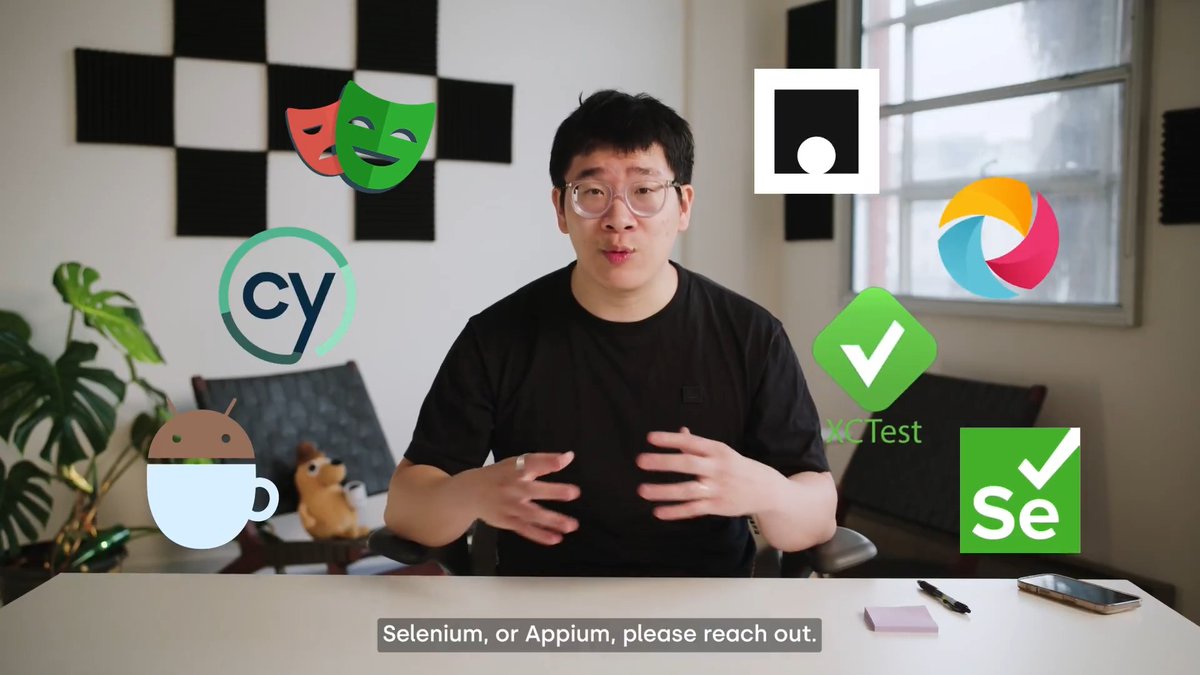
my first thought when I saw Figma's sidebar showing component code was, "I really hope they add a way for devs to write the code that's displayed there" — and today they launched that functionality! watch Jake give us a whirlwind tour of how it works

113,154 görüntüleme • 2 yıl önce •via X (Twitter)

10 Yorum

Eduardo Pereira profil fotoğrafı
Eduardo Pereira2 yıl önce

@figma @rodrigowillrich @demarchicarla

Hasan Mangrio profil fotoğrafı
Hasan Mangrio2 yıl önce

@figma Super cool. Do changes to the component in Figma get pushed over automatically?

emmett naughton profil fotoğrafı
emmett naughton2 yıl önce

@figma Feels like cheating.

Alex Page profil fotoğrafı
Alex Page2 yıl önce

@figma Nice. Button.figma.tsx 👀

Alexandra Spalato profil fotoğrafı
Alexandra Spalato2 yıl önce

@figma I loooove that!!! 😍

Anonymous Coward profil fotoğrafı
Anonymous Coward2 yıl önce

@figma So, Figma reinvented Storybook - but worse.

Arek Chatys profil fotoğrafı
Arek Chatys2 yıl önce

@figma He said "It's very cool🥹"

Robin Schreiner profil fotoğrafı
Robin Schreiner2 yıl önce

@figma There is a react dropdown in figma, I really hope @figma adds angular support to code connect.

Gerhard profil fotoğrafı
Gerhard2 yıl önce

@figma he looks like oliver tree

Burton Smith profil fotoğrafı
Burton Smith2 yıl önce

@figma Could we use this feature with #webcomponents?

Benzer Videolar

Pi was built when there were already agent harnesses around. Here’s why Mario Zechner(Mario Zechner), found them suboptimal and built Pi, a minimalist self-modifying agent: #1 - Mario initially was a believer in Claude Code: "I was a believer in Claude code because they were the first that packaged agentic search up in a really compelling package. And at the time that fit my workflow really well. Everything around the LLM was kind of nice and tidy and easy to understand. I was super happy. I was proselytising Claude code." #2 - Reverse engineering Claude Code highlighted the degradation that Mario felt as a user: "I personally like simple tools that are stable and that I can rely on. Even if they have non-deterministic parts, all the deterministic parts should be as stable as possible. That was just not the experience with Claude Code around summer 2025. They would take away your control of the context. They would inject stuff behind your back, which is bad. Then, your workflows stopped working because there's now a system reminder that you don't even see in the UI that would modify the behaviour of the model. They would also do this to the system prompt. I built a little service where I can track the progression or evolution of the system, prompt and tool definitions and, with every release, it was messing with stuff. That just messed with my workflows and I don't appreciate that." #3 - PI was built with an appreciation for simple and reliable tools: "If I commit to a development tool, I want it to be a stable, reliable thing like a hammer. I don't want my hammer to break a different spot every day. That's terrible. We need somebody who goes the full velocity kind of way. But I don't want to work with a tool like that."

The Pragmatic Engineer

62,817 görüntüleme • 1 ay önce