Загрузка видео...

Не удалось загрузить видео

На главную

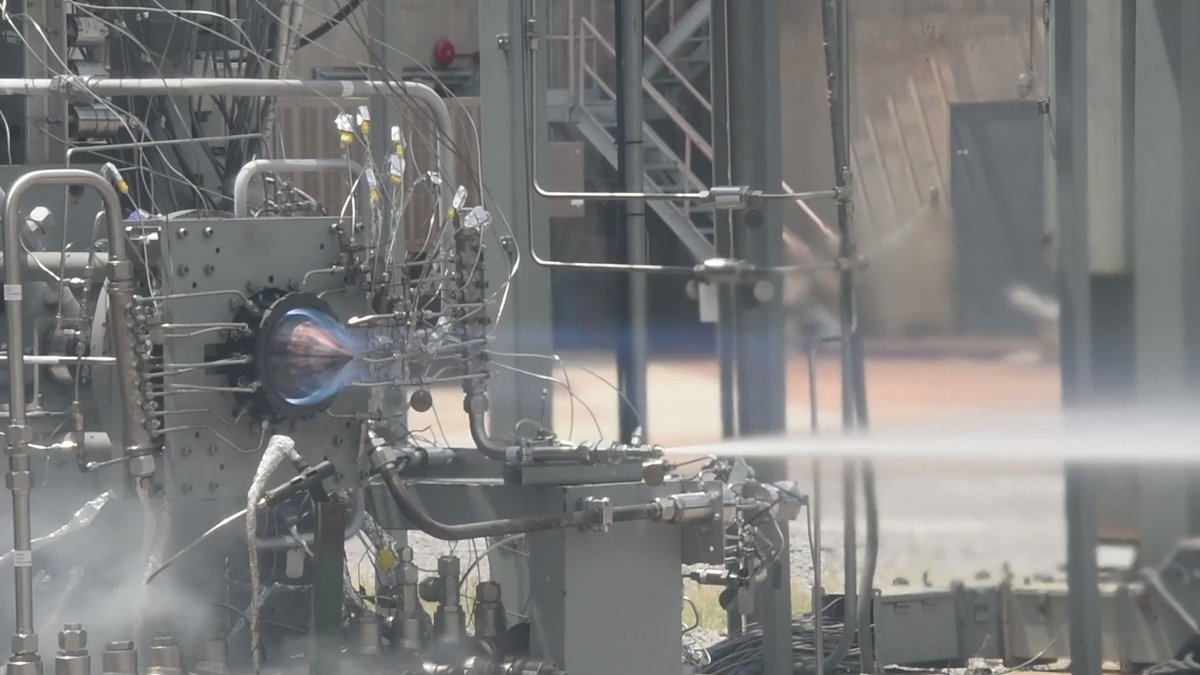
🚨 NASA just tested an experimental engine that could dramatically cut travel time to Mars. This isn’t a normal rocket. It’s a nuclear-powered ion engine capable of producing plasma hotter than 2,800°C while firing electromagnetic lithium exhaust through space. NASA says the new thruster is already 25 TIMES more...

108,441 просмотров • 1 месяц назад •via X (Twitter)

Комментарии: 0

Нет доступных комментариев

Здесь появятся комментарии из оригинального поста

Похожие видео

More Batteries vs. Submarines Now that the German TKMS and the French Naval Group have massively adopted lithium-ion batteries, following the Japanese lead, this is consolidating as a major trend, just as I had predicted. The next stage will be solid-state batteries, and at that point, we'll essentially be discussing only speed and submerged endurance in comparison to nuclear submarines. Since solid-state batteries are lighter, they will allow for a greater number to be installed, freeing up space for more powerful propulsion systems. Naval Group has already sold a version of the Scorpène to Indonesia capable of remaining submerged for up to 80 days. That's with lithium-ion batteries. Imagine what this could exceed, more than double, with solid-state batteries. In practical terms, a more powerful engine combined with solid-state batteries in the proportions that Naval Group is now using in the Scorpène would provide three times the speed, meaning something like 10–15 knots at constant speed while maintaining around 50 days submerged. This would give a range of 40,000–50,000 km, requiring less than one hour on the surface for a fast recharge. For speeds above 25 knots, simply adding more batteries and a better engine would suffice, as the solid-state system has high power output. All this at 15–20% of the cost of a nuclear submarine. And if the choice is to power the batteries with a micro-reactor, it would cost 25–35% of a conventional nuclear one. Then someone will say: “But a nuclear sub can stay submerged for years.” That makes no difference at all, since even with around 60 days of endurance, the crew still needs to surface to resupply provisions. The big advantages remain: battery-powered subs are superior in silence, and speed can be addressed with larger battery packs.

Patricia Marins

103,224 просмотров • 6 месяцев назад