Loading video...

Video Failed to Load

Go Home

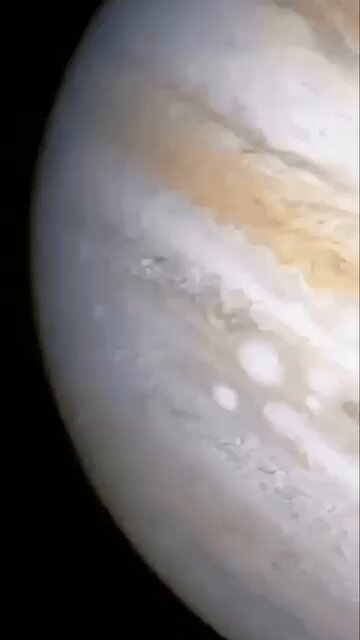
NASA's Hubble and James Webb space telescopes are still down. Maintenance or Aliens you decide 🙃 JWST HUBBLE
140,122 views • 1 year ago •via X (Twitter)

0 Comments

No comments available

Comments from the original post will appear here

Related Videos

In July 1994, NASA's Hubble Space Telescope captured one of the most dramatic events ever witnessed in our solar system: the spectacular collision of Comet Shoemaker-Levy 9 with Jupiter—the first-ever directly observed impact between two solar system bodies.Discovered just a year earlier, the comet had already been torn into a dramatic "string of pearls" of roughly 21 fragments by Jupiter's powerful tidal forces during a close pass in 1992. Those pieces then slammed into the giant planet at staggering speeds of about 60 km/s (over 130,000 mph) between July 16 and 22, 1994.The crashes unleashed enormous fireballs and ejected massive plumes of material high above the cloud tops, excavating debris from Jupiter's deeper atmospheric layers. Hubble's razor-sharp images revealed huge, dark scars—some stretching more than Earth's diameter across—etched into the planet's southern hemisphere. These eerie black blemishes, composed of impact debris and altered chemistry, lingered for months and were so prominent they could be spotted even through modest backyard telescopes. The towering plumes provided astronomers an unprecedented window into Jupiter's hidden chemistry, revealing sulfur compounds and other materials dredged up from below the visible clouds. This once-in-a-lifetime spectacle revolutionized our knowledge of cosmic collisions, dramatically underscored Jupiter's vital role as the solar system's gravitational "sweeper" that deflects or captures many potential Earth-threatening objects, and fueled major advances in planetary defense strategies. Source: NASA Goddard Space Flight Center (with imagery from Hubble observations)

Black Hole

15,378 views • 7 months ago