Loading video...

Video Failed to Load

Go Home

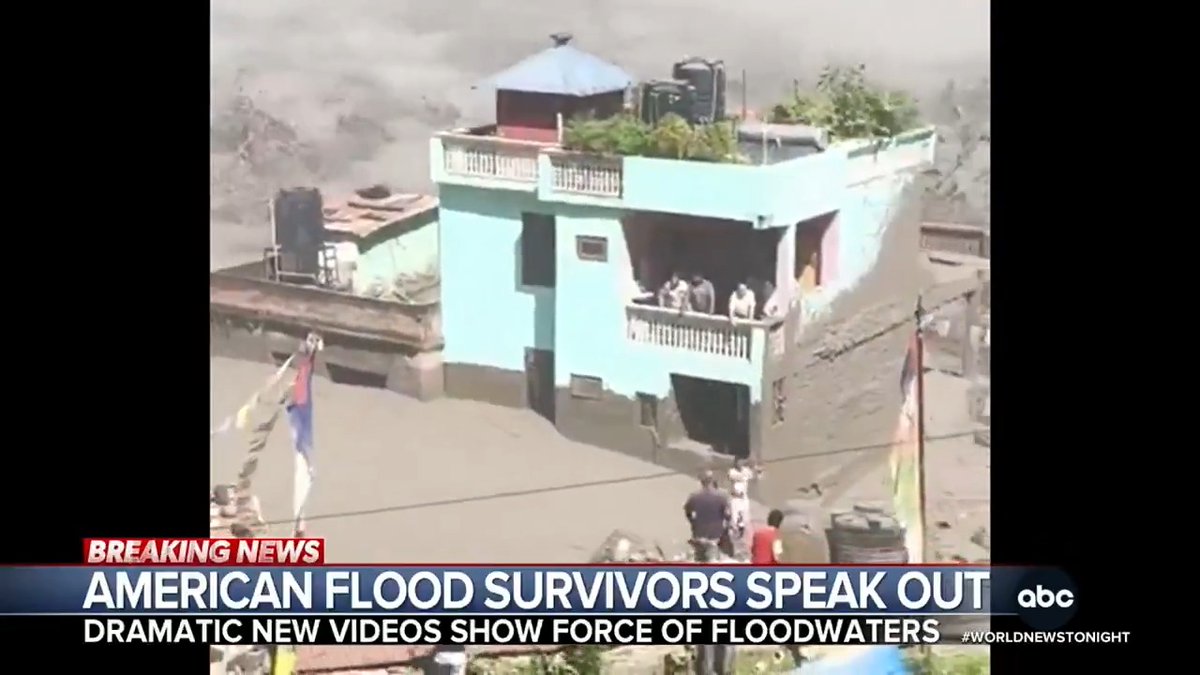
Natural disaster or Chinese conspiracy? Reports from Nepal claim explosive devices were washed downstream from China administrated Tibet after the floods. What were they used for construction, blasting or tunneling? Could a detonation have triggered a glacial collapse?

721,994 views • 5 days ago •via X (Twitter)

0 Comments

No comments available

Comments from the original post will appear here

Related Videos

The catastrophic mudslide along the China-Nepal border has triggered a wave of anti-China misinformation online. Here are the facts behind three of the most widely circulated claims↓↓↓ Claim One: Chinese dams or construction caused the disaster. • This allegation spread widely across some Indian media outlets. Some even used AI-generated images and videos as "evidence". • However, scientific findings show that the disaster began with a massive slope failure involving a glacier in Nepal's Langtang National Park. Claim Two: China concealed the disaster. • Some Western media outlets, including The New York Times, BBC, The Guardian and The Telegraph, suggested China was hiding the scale of the disaster. • However, Chinese media reported casualties, missing persons and rescue efforts from day one, focusing on verified information rather than repeatedly broadcasting graphic images. Claim Three: China knowingly failed to warn Nepal. • Some pro-DPP commentators in China's Taiwan province propagated this claim to fuel anti-China sentiment. • However, the source area was in Nepal, and the collapse triggered a destructive debris flow that reached China's Gyirong Port within minutes — barely enough time to assess the situation, let alone issue an effective warning. The facts should outlive the propaganda. A disaster demands scrutiny — but it must never be reduced to ammunition for a political agenda. #MediaUnlocked #Mudslide

MediaUnlocked

33,798 views • 2 days ago

NEPAL FLOOD, INDIA'S WORRY: CURSE OF LOWER RIPARIAN STATES Devastating flash flood waters originating in Tibet, Chinese controlled territory, have deluged Nepal. The flash flood originated in the Trishuli - Bhote Koshi river that originates in Tibet. No one knows the exact cause. Some speculate it could be due to an earthquake that struck a part of Tibet that stands opposite the Rasuwa, Nuwakot and Dhading districts of Nepal. Tough there is no basis yet to conclude that Chinese authorities deliberately released water into the river's basin a group of anonymous Nepali journalists have blamed China. Or to be precise construction in Glacial areas along the China – Nepal border had damaged the sensitive ecosystem and contributed to recurring avalanches, which in turn triggered the flash flood. Many hundreds of thousands of people in Nepal and Tibet have lost their homes, several, including Indian tourists, are dead. But given that the Bhote Koshi–Trishuli system feeds into the Narayani/Gandak and eventually flows into the Ganga, West Champaran, East Champaran, Gopalganj, Saran & Vaishali should remain vigilant. This may not become a major flood in India. But it's best to be vigilant. Which is why the Centre has issued advisories to Bihar. Indeed, this is the curse of lower riparian states. It isn't just Nepal but India also has to be extremely worried about water security risks from China. This is because China controls the upper reaches of critical transboundary rivers like the Brahmaputra, known as the Yarlung Tsangpo in Tibet, and can potentially influence water flows through its upstream infrastructure, while India has limited visibility into what happens upstream. What's most worrying is that India and China have no comprehensive, binding water-sharing treaty. The Nepal floods are therefore a reminder of a larger strategic vulnerability: India is downstream of both Nepal and China. Natural disasters may be unavoidable. But India cannot afford to be unprepared for what happens upstream.

Rahul Shivshankar

37,333 views • 8 days ago