Video yükleniyor...
Video Yüklenemedi
On Earth, the Moon's gravitational pull causes the oceans to bulge out on both the side closest to the Moon and the side farthest from the Moon. These bulges create high tides.

1,025,550 görüntüleme • 3 yıl önce •via X (Twitter)
10 Yorum

Video credit: @drmadness3D

@drmadness3D

@drmadness3D

@drmadness3D Nice try. We all know that the Earth's flat.

@drmadness3D Simple explanation for a more complicated Earth-Moon relationship that helps people understand some basic functions. This along with a Sun-Earth Aurora Borealis connection. Both are helpful & clarifying on a basic level.

@drmadness3D why they never show a real footage of this phenomena? always cgi and cartoons

@drmadness3D Great video but not just the moon, spring tides enjoy the shared pull/push of the moon and the sun, plus the shape of the earth (oblate spheroid - like an orange pinched between fingers) and localised depths impact tide due to gravity, ie some fiords experience > 40’ difference.

@drmadness3D That's amazing , praise Allah the best of creators

@drmadness3D If this was a loop, I could watch it for a very long time.

@drmadness3D Which planet 🌎 is this ?



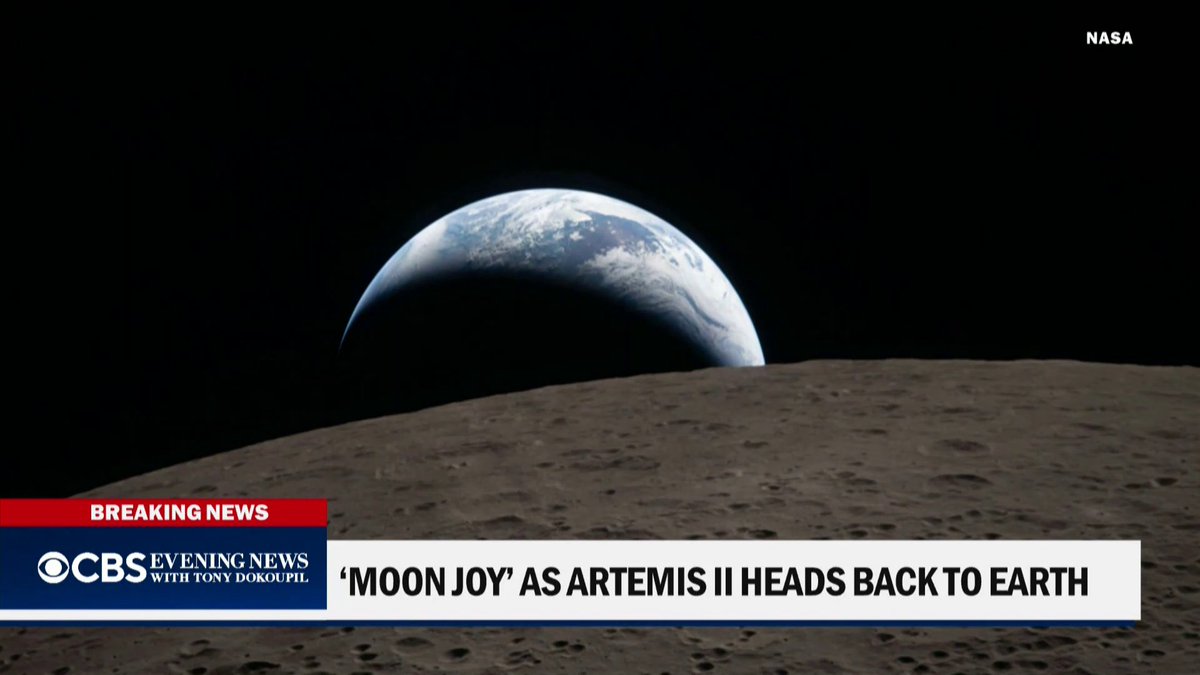
![“[The Earth] will appear much bigger to them emotionally, psychologically, physically than any full moon has ever appeared to anyone here on Earth.” Neil deGrasse Tyson reacts as the Artemis Crew regains communications with mission control and emerges from the far side of the moon. Neil deGrasse Tyson](https://image.24vids.com/tw-2041323304745845024/amplify_video_thumb/2041323171052441600/img/hI_GbD93C3-E6s5i.jpg)