Video yükleniyor...

Video Yüklenemedi

Ana Sayfaya Dön

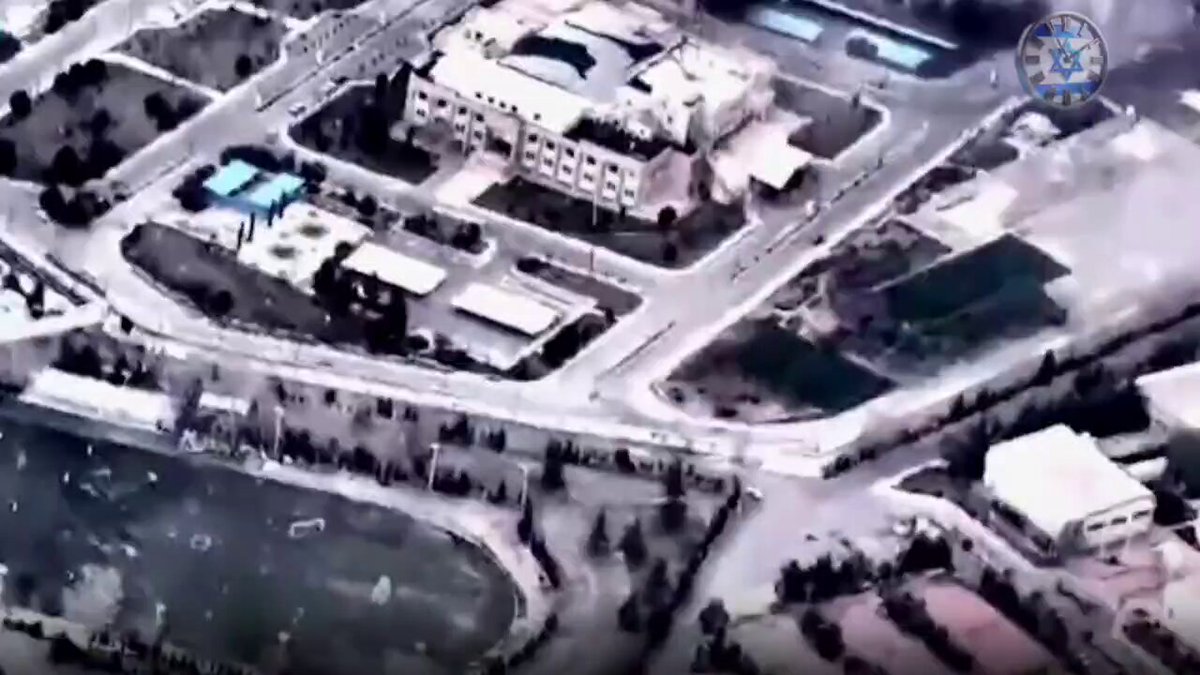
🚨 OPERATIONAL UPDATE: TALKS FAIL, PRESSURE CONTINUES - Reporting Window: Last 24 Hours The diplomatic track did not produce a result in this window. After extended, high-level negotiations in Islamabad, the United States and Iran left without an agreement, despite what both sides described as a final round of...

22,034 görüntüleme • 3 ay önce •via X (Twitter)

0 Yorum

Yorum bulunmuyor

Orijinal gönderinin yorumları burada görünecek

Benzer Videolar

🚨 OPERATIONAL UPDATE: TALKS ADVANCE, PRESSURE HOLDS - Reporting Window: Last 24 Hours *⃣ If you find these reports useful, PLEASE consider sharing them, this is how more people get access to clear, open source breakdowns of what’s actually happening. Diplomacy is now fully underway, but the underlying structure of the war has not changed. U.S. and Iranian officials are actively engaged in talks in Islamabad, while Israel continues operations in Lebanon and regional pressure points remain unresolved. Negotiations are real, but they are happening alongside continued military activity, not in place of it. ━━━━━━━━━━━━━━━━━━ 🧠 MY ASSESSMENT The disconnect in this phase of the war is no longer just military. It is perceptual. Iran is negotiating like a peer power. It is not operating like one. The regime has taken real damage across leadership, infrastructure, and military capability. That much is clear from weeks of sustained strikes and the cumulative effect they’ve had on its systems. At the same time, the United States and Israel retain clear escalation dominance, including the ability to threaten core Iranian infrastructure on a scale that would put the regime itself at risk. And yet, Iran continues to negotiate from a maximalist position. That is not because it holds superior leverage. It is because the leverage it does have is concentrated in disruption, not control. Hormuz remains the clearest example. Iran does not need to shut it permanently to create pressure. It only needs to make it unstable enough to raise global economic costs and force urgency into negotiations. The same applies to its proxy network. Hezbollah does not need to win in Lebanon. It only needs to remain active enough to prevent a clean separation of fronts. So the reality is more specific than either extreme. Iran is not negotiating from strength. But it is not negotiating without leverage. It is negotiating from a weakened position, using time, disruption, and regional pressure to offset what it has lost militarily. That is what makes this phase unstable. The United States is trying to convert military advantage into a negotiated outcome. Iran is trying to convert limited leverage into constraints on that outcome. Israel is continuing to act where it is not constrained. Those dynamics do not resolve cleanly. They drag. And the longer they drag, the more the outcome depends not just on capability, but on tolerance for escalation and time. Now let's break down all the different theaters contributing to this assessment: ━━━━━━━━━━━━━━━━━━ 🇵🇰 ISLAMABAD TALKS: REAL, HIGH-STAKES, BUT FAR APART The most significant development in this window is the shift to direct U.S.–Iran engagement in Pakistan. Senior delegations are now physically present in Islamabad under heavy security, with Pakistan acting as the central intermediary trying to convert a temporary ceasefire into something more durable. But the gap between the two sides remains wide: • Iran’s reported framework focuses on sanctions relief, security guarantees, and preserving proxy influence • The U.S. framework demands nuclear dismantlement, missile limits, and a permanently open Hormuz Both sides are treating these as opening positions, not final terms. At the same time, Iranian negotiators are still pushing to include Lebanon in ceasefire guarantees, a condition that continues to complicate progress. ━━━━━━━━━━━━━━━━━━ 🇱🇧 LEBANON REMAINS ACTIVE Despite the diplomatic push, Lebanon remains an active combat zone. Israeli strikes continued across southern Lebanon in this window, including deadly strikes in Nabatieh and surrounding areas. Reporting indicates: • More than two dozen killed in a single strike event, including members of Lebanese security forces • Additional strikes on urban areas, shops, and infrastructure • Continued clashes on the ground, with IDF personnel wounded in exchanges along the border At the same time, Hezbollah fire has not stopped entirely, with intermittent launches toward northern Israel continuing. The key continuity point holds: Lebanon is not covered by the ceasefire structure being negotiated in Pakistan, and it is not behaving like it is. ━━━━━━━━━━━━━━━━━━ ⚓ HORMUZ: STILL UNRESOLVED The Strait of Hormuz remains the central strategic lever. U.S. officials are signaling active efforts to secure the waterway, including naval movements and mine-clearing operations, though some claims remain unverified. At the same time, Iran continues to threaten rapid retaliation against U.S. vessels operating in the area. This is the same unresolved issue sitting underneath the negotiations: • The ceasefire depends on Hormuz being open and stable • That condition has not yet been fully met • Both sides are still signaling willingness to escalate if it breaks down ━━━━━━━━━━━━━━━━━━ 🌍 REGIONAL PRESSURE AND SPILLOVER The regional layer of the war remains active even as talks proceed. Recent reporting highlights: • Continued Iranian-linked pressure on Gulf infrastructure, which has already disrupted Saudi industrial capacity in recent days • Pakistan increasing its own military posture, including sending fighter jets to Saudi Arabia as part of broader defense coordination • European pressure, particularly from France, to expand the ceasefire framework to include Lebanon This reinforces the broader pattern: The war is no longer confined to one front, and it cannot be easily paused in one place without consequences elsewhere. ━━━━━━━━━━━━━━━━━━ 🇮🇷 INTERNAL IRAN DYNAMICS Additional reporting in this window provides a clearer picture inside Iran. • Iran’s current Supreme Leader, Mojtaba Khamenei, remains seriously injured from earlier strikes but is still actively governing through remote coordination • The regime continues to maintain tight control domestically, including extended internet blackouts • There are increasing indications of information control and narrative shaping as negotiations proceed Separately, reporting suggests the regime has encouraged civilians to position themselves near key infrastructure as a deterrence tactic, reinforcing a pattern of using civilian presence as part of its defensive posture. ━━━━━━━━━━━━━━━━━━ 📌 WHAT MATTERS MOST RIGHT NOW • Direct U.S.–Iran talks are now fully underway in Pakistan, but positions remain far apart • Lebanon remains an active battlefield, with continued Israeli strikes and ongoing casualties • Hormuz is still not fully stabilized, leaving the entire diplomatic framework conditional • Regional actors are adjusting posture, including Gulf states and Pakistan, signaling continued instability • Iran continues to operate from a constrained but still functional position, both militarily and internally

Inside_Israel_Intel

15,357 görüntüleme • 3 ay önce

🚨 OPERATIONAL UPDATE: ISRAEL U.S. WAR WITH IRAN - Reporting Window: Last 24 Hours The last 24 hours reinforce the structure that has been developing across the war. Activity remained steady across Iran, Israel, Lebanon, and the Gulf, with no single breakthrough moment but continued pressure applied across every layer of the conflict. ━━━━━━━━━━━━━━━━━━ ✈️ STRIKES INSIDE IRAN Strikes continued across multiple areas inside Iran, including Tehran, Shiraz, Kermanshah, and Ahvaz. The targeting profile remains consistent with recent days, focused on systems tied to weapons development and military sustainment. In Tehran, reporting points to continued strikes on military-industrial infrastructure, including: *⃣ Weapons production and research facilities *⃣ Infrastructure around Mehrabad Airport *⃣ Sites linked to Iran’s advanced weapons programs, including SPND-related supply nodes There are also indications that some of these locations had secondary roles, including use by Basij-linked personnel. That aligns with the broader pattern of targeting not just hardware, but the networks that support it. The key point in this 24 hour window is continuity. The same categories of targets are being hit repeatedly, suggesting an effort to ensure these systems are not just damaged, but unable to recover quickly. ━━━━━━━━━━━━━━━━━━ 🚀 IRANIAN RESPONSE Iran continues to respond. Current intelligence assessments indicate that roughly half of Iran’s missile launchers remain intact, along with a large drone inventory. At the same time, the operational pattern remains limited. Iran is still launching missiles and conducting attacks, but still not at the scale seen earlier in the war. The response appears to rely on: *⃣ Smaller salvos rather than sustained barrages *⃣ Continued willingness to strike civilian-adjacent targets *⃣ Expansion of pressure beyond Israel itself This reflects pressure on launch systems and coordination, not a lack of overall capability. ━━━━━━━━━━━━━━━━━━ 🔥 LEBANON FRONT The Lebanon front remained active during this window, with both ground and air components continuing. Israeli forces carried out a targeted ground operation in southern Lebanon, resulting in direct engagement with Hezbollah fighters. Reporting indicates: *⃣ Israeli troops pushed deeper into southern لبنان *⃣ Hezbollah operatives were killed in close-quarters combat *⃣ Additional strikes were carried out against infrastructure using air, naval, and ground assets This is consistent with ongoing efforts to shape the immediate border area and reduce launch capability from southern Lebanon. At the same time, the front remains contained geographically, but active in terms of daily engagement. ━━━━━━━━━━━━━━━━━━ 🌍 GULF AND REGIONAL ACTIVITY Regional expansion continues to be one of the most consistent elements of the war. Over the last 24 hours, Iranian attacks again targeted Gulf infrastructure, including: *⃣ A Kuwaiti oil refinery and desalination facility *⃣ Additional aerial threats across UAE airspace, including ballistic missiles, cruise missiles, and drones *⃣ Civilian injuries linked to interception and debris in the UAE These are functional targets tied to energy and water systems, reinforcing the broader strategy of applying pressure beyond Israel. ━━━━━━━━━━━━━━━━━━ ⚓ STRAIT OF HORMUZ Hormuz remains central to the strategic picture. Developments in this window include: *⃣ Ongoing discussions among multiple countries regarding how to reopen and secure the strait *⃣ Continued Iranian signaling around its ability to influence maritime traffic *⃣ Early indications of mediation channels involving Oman There is no resolution here yet, but the focus on Hormuz is becoming more operational and less theoretical. ━━━━━━━━━━━━━━━━━━ ⚠️ IRAQ Iraq emerged more clearly in this window the last 24 hours as a continued potential point of escalation. The U.S. embassy issued a warning that Iran-aligned militias could conduct attacks in Baghdad within 24 to 48 hours, with potential targets including: *⃣ Diplomatic facilities *⃣ Commercial and infrastructure sites *⃣ Areas frequented by U.S. personnel This aligns with the broader pattern of pressure expanding through proxy channels when direct options are constrained. ━━━━━━━━━━━━━━━━━━ 📌 WHAT MATTERS MOST RIGHT NOW The structure of the war remains stable, but fully active: *⃣ Inside Iran, strikes continue to focus on production and sustainment systems *⃣ Iran retains significant capability, but is operating under constraints *⃣ Lebanon remains an active front with ongoing ground and air operations *⃣ The Gulf is consistently targeted, particularly energy and infrastructure systems *⃣ Iraq is showing early signs of becoming more active through proxy activity ━━━━━━━━━━━━━━━━━━ 🧠 MY ASSESSMENT This 24-hour window of time does not introduce a new dynamic. It confirms the current one. Israel is continuing to apply pressure across the systems that allow Iran to produce and coordinate military activity. Iran is continuing to respond within its constraints while expanding pressure across the region where it can. The result is a conflict that is not concentrated in one place, but distributed across multiple active fronts at once. That remains the defining characteristic of the war right now.

Inside_Israel_Intel

49,879 görüntüleme • 3 ay önce

🚨 OPERATIONAL UPDATE: ISRAEL U.S. WAR WITH THE ISLAMIC REPUBLIC - Reporting Window: Last 24 Hours ✳️The war is entering its final phase, but the battlefield is becoming more dangerous, not less. For the first time since the conflict began, the United States has signaled that its objectives against Iran have largely been achieved and that military operations could conclude within 2 to 3 weeks. At the same time, the operational picture tells a more complex story. Strikes inside Iran are intensifying, not slowing. Iran’s responses are becoming less concentrated but more geographically expansive. And across the region, the risk of broader escalation remains very real. This is no longer an open-ended war. It is a race between final military objectives and the risk of wider regional destabilization. ━━━━━━━━━━━━━━━━━━ 🏁 POLITICAL ENDGAME SIGNAL EMERGES President Donald Trump stated that the war could end within weeks, indicating that core objectives have been achieved, including the degradation of Iran’s strategic capabilities and the disruption of its leadership structure. He also signaled that the United States does not intend to remain indefinitely engaged, suggesting that responsibility for securing critical global nfrastructure, particularly the Strait of Hormuz, may shift to regional and international stakeholders. At the same time, tensions with NATO allies are surfacing. Frustration over limited allied participation in the war has raised the possibility of a broader fracture within the Western alliance structure. Parallel reporting indicates that elements within Iran are signaling openness to a ceasefire framework, particularly if maritime access through Hormuz is restored. Taken together, this marks a clear transition: the war now has a defined political end state, even as military operations continue. ━━━━━━━━━━━━━━━━━━ ✈️ FINAL PHASE STRIKE CAMPAIGN INSIDE IRAN The intensity of strikes over the past 24 hours reflects what appears to be end-stage shaping operations. Israeli and US-aligned strikes targeted a wide range of sites across Iran, including weapons production facilities, research and development centers, and critical infrastructure nodes tied to the regime’s military capabilities. Tehran remains a central focus. Approximately twenty military-industrial sites were struck, along with infrastructure at Mehrabad Airport and locations linked to Basij coordination. A senior Quds Force engineering figure, Mahdi Vafaei, was eliminated in a precision strike. His role in developing underground weapons infrastructure across Lebanon and Syria made him a key long-term asset for Iran’s regional military network. Additional strikes hit industrial targets, including steel production facilities and a site identified as supporting materials linked to Iran’s chemical weapons development pipeline. This is not a campaign aimed at symbolic damage. It is a systematic effort to dismantle Iran’s ability to produce, coordinate, and sustain war over time. ━━━━━━━━━━━━━━━━━━ 🎯 IRANIAN RESPONSE AND CIVILIAN IMPACT Iran continues to launch missiles toward Israel, but at a reduced scale compared to earlier phases of the war. Limited salvos were recorded over the past 24 hours, causing injuries and localized damage. One of the most significant developments was the reported use of cluster munitions in central Israel, critically injuring a child and causing multiple casualties. At the same time, Iran appears to be adapting operationally. Rather than attempting large-scale saturation attacks, it is increasingly relying on smaller strikes, drones, and diversified targeting strategies. This does not indicate de-escalation. It reflects an effort to remain operational under sustained pressure. ━━━━━━━━━━━━━━━━━━ 🌍 REGIONAL EXPANSION: THE WAR SPREADS While direct attacks on Israel have become more limited in scale, Iran is expanding the conflict across the region. In the Gulf, infrastructure in Kuwait and Bahrain was struck, including fuel storage facilities at Kuwait International Airport. Fires and damage were reported, adding to a growing pattern of attacks on energy and logistical nodes. A commercial tanker was also struck near Qatar, further extending the conflict into maritime space. These developments mark a continued shift where Iran is targeting not just Israel, but the broader economic and energy architecture of the region. ━━━━━━━━━━━━━━━━━━ 🚢 THE STRAIT OF HORMUZ The strategic center of gravity in this war is now unmistakable. The Strait of Hormuz remains contested, with ongoing disruption to global shipping and energy flows. The United States is actively evaluating options to reopen and secure the waterway, including potential direct military action against Iranian coastal capabilities. At the same time, Gulf states, particularly the UAE, are pushing for a coordinated military effort to ensure the strait is reopened. However, regional positioning remains complex, with some actors balancing public caution and private pressure. Notably, the United States has signaled that it may not take long-term responsibility for securing Hormuz, instead shifting that burden to global stakeholders. The implication is clear: control of Hormuz will determine not only the outcome of the war, but its aftermath. ━━━━━━━━━━━━━━━━━━ 🔥 NORTHERN AND PROXY FRONTS Iran’s proxy network remains active, but increasingly strained. In Lebanon, Israeli strikes continue to target Hezbollah leadership and infrastructure, including the reported elimination of a senior commander in Beirut. Rocket fire persists, but Israeli operations are steadily degrading launch capabilities. In Yemen, the Houthis have formally entered the fight against Israel and are likely contributing to the expanding pattern of regional attacks, including those affecting Gulf infrastructure. Across Iraq and Syria, Iranian-aligned militias remain engaged, while underlying instability continues to create openings for additional actors. This is now a multi-front conflict, but one in which Iran’s network is under pressure across every axis. ━━━━━━━━━━━━━━━━━━ 🧠 WARFARE EVOLUTION A critical and often overlooked development is the role of advanced targeting systems. Israel is employing AI-assisted capabilities to identify threats, prioritize targets, and synchronize strikes across multiple theaters in near real time. This has significantly compressed the operational cycle, allowing for rapid follow-up strikes and reduced recovery time for Iranian forces. The result is a battlefield environment where Iran has less time to act, less time to adapt, and fewer opportunities to rebuild degraded capabilities. ━━━━━━━━━━━━━━━━━━ 📊 THE BIG PICTURE The trajectory of the war is now coming into focus. The United States and Israel are executing a campaign designed to dismantle Iran’s ability to function as a coherent military actor. Iran, in response, is expanding the conflict geographically in an attempt to impose broader costs. At the same time, political signals indicate that the war is approaching a defined end state. Markets are already reacting to this expectation, with oil prices declining and global indices rising on the assumption that the conflict may soon conclude. However, the final phase carries its own risks. As Iran’s conventional capabilities degrade, its reliance on asymmetric and regional tactics is increasing. The decisive question is no longer how the war is fought day to day. It is whether the final objectives can be secured before broader escalation overtakes them. ━━━━━━━━━━━━━━━━━━ 📘 BOOK RECOMMENDATION If you want a deeper understanding of the history, narratives, and strategic realities behind this conflict: Contested Land, Uncontested Truth This book breaks down the ideological, geopolitical, and historical forces that led directly to moments like this, with clarity and evidence. 👉 If you found this report valuable, share it. Follow for daily operational updates.

Inside_Israel_Intel

60,835 görüntüleme • 3 ay önce

🚨 OPERATIONAL UPDATE: ISRAEL U.S. WAR WITH THE ISLAMIC REPUBLIC - Reporting Window: Last 24 Hours Heavy strike activity continued across Iran, while Iran maintained intermittent but still damaging attacks into Israel and across the Gulf. Open-source reporting, civilian footage, and mainstream outlets including The New York Times, AP, The Guardian, Ynet, and The Jerusalem Post all point to the same picture: sustained pressure across multiple fronts with no meaningful slowdown. ━━━━━━━━━━━━━━━━━━ ✈️ INSIDE IRAN The most concrete strike detail in this window is the continued targeting of Iran’s energy and industrial base. Multiple sources, including The Guardian, AP, and Ynet, confirm Israeli strikes on the South Pars gas field, specifically a major petrochemical facility responsible for roughly half of Iran’s petrochemical production. Additional reporting indicates that, combined with prior strikes, a large portion of Iran’s export-linked petrochemical capacity has now been taken offline. This sits alongside continued strikes in and around Tehran, with open-source reporting and local accounts indicating ongoing explosions, air defense activity, and damage to both infrastructure and regime-linked sites. At the same time, Majid Khademi, head of the IRGC Intelligence Organization, was killed in strikes attributed to Israel and the United States. That removes a senior figure tied directly to internal security, intelligence coordination, and regime control. Taken together, this window reinforces what has already been visible: *⃣ Energy and industrial infrastructure are being hit directly *⃣ Senior regime figures remain active targets *⃣ Tehran itself continues to absorb repeated strike activity ━━━━━━━━━━━━━━━━━━ 🚀 IRANIAN STRIKES ON ISRAEL Iran continued to launch missiles into Israel, with the most detailed reporting coming from Ynet and corroborated by open-source imagery and emergency response reports. A cluster munition missile dispersed submunitions across central Israel, creating 20 to 28 separate impact sites across the Tel Aviv metropolitan area. Residential buildings, vehicles, and infrastructure were damaged, and at least one person was wounded. Separately, rescue operations in Haifa confirmed four civilian fatalities after a direct missile strike caused a structural collapse in a residential building. This is consistent with what you’ve already been reporting: *⃣ Iran still has the ability to penetrate defenses at times *⃣ Civilian impact remains real even at reduced launch tempo *⃣ Cluster munitions continue to increase the number of impact sites per strike ━━━━━━━━━━━━━━━━━━ 🔥 LEBANON FRONT Lebanon remained active, though not the central focus of this window. Israeli strikes continued in Beirut’s southern suburbs, targeting Hezbollah positions, with large secondary explosions and visible damage. Reporting from Asharq Al-Awsat and additional regional sources indicates continued evacuation patterns and reduced civilian presence in targeted areas. There is also continued reporting of internal Lebanese tension, with criticism of Hezbollah growing in some areas as strikes expand geographically. This front remains active, but its role in this window is supportive rather than dominant. ━━━━━━━━━━━━━━━━━━ 🌍 GULF AND REGIONAL PRESSURE Iran continued applying pressure beyond Israel, particularly in the Gulf. Reporting from The National indicates Kuwait has now intercepted hundreds of drones and ballistic missiles since late February, with continued targeting of: *⃣ Oil refineries *⃣ Power infrastructure *⃣ Desalination facilities Daily life in Kuwait is continuing, but under persistent alert conditions. This reinforces the broader pattern already established that Iran is sustaining regional pressure even as its direct strike tempo into Israel fluctuates. ━━━━━━━━━━━━━━━━━━ ⚓ HORMUZ AND THE POLITICAL CLOCK The most consequential non-kinetic development remains tied to the Strait of Hormuz. Reporting across The New York Times, AP, and Al Jazeera confirms that the U.S. has again issued a deadline for Iran to reopen the strait, with explicit threats to strike power plants, bridges, and national infrastructure if that does not occur. Iran has responded by signaling it will retaliate if those strikes are carried out. At the same time, there are indications of ongoing diplomatic efforts, including proposals being circulated through regional intermediaries, though none appear close to resolution. ━━━━━━━━━━━━━━━━━━ 📌 WHAT MATTERS MOST RIGHT NOW • Israeli strikes continue to hit energy infrastructure and regime leadership targets inside Iran • Iran maintains the ability to cause civilian damage inside Israel, including multi-impact cluster strikes • Civilian fatalities inside Israel were confirmed in this window • Hezbollah positions in Beirut continue to be targeted • Gulf infrastructure remains under sustained Iranian pressure • The Hormuz deadline remains the clearest trigger for possible escalation ━━━━━━━━━━━━━━━━━━ 🧠 ASSESSMENT The pattern across the war is holding. Israel continues applying pressure across military, industrial, and economic systems inside Iran. Iran continues to respond within its constraints, maintaining the ability to strike while distributing pressure across multiple fronts. The most important variable is not a new development. It is timing. The U.S. has now attached a clear deadline to Hormuz, with specific targets named publicly. If that deadline passes without resolution, escalation will not be gradual. ━━━━━━━━━━━━━━━━━━ 📖 BOOK PLUG If you want the deeper context behind everything you’re watching play out right now, I break it down in: Contested Land, Uncontested Truth It goes beyond daily updates and explains the history, strategy, and narratives shaping this conflict. Continued thanks to Michael W for continuing to contribute to the open-source picture behind these reports.

Inside_Israel_Intel

24,040 görüntüleme • 3 ay önce

Here's what you missed over the weekend in the ongoing conflict in Iran. Get caught up below👇 🚨 OPERATIONAL UPDATE: ISRAEL U.S. WAR WITH THE ISLAMIC REPUBLIC - Reporting Window: 3/27 - 3/30 *⃣ Israel sustained a wide strike campaign inside Tehran, targeting missile production, air defense systems, and core regime infrastructure in the capital. *⃣ The IAEA confirmed Iran’s Khondab heavy water facility at Arak is no longer operational after Israeli strikes, marking one of the clearest verified hits to nuclear-linked infrastructure. *⃣ Iran continued missile attacks into Israel, including impacts near the Neot Hovav industrial zone that caused fires and industrial disruption without mass casualties. *⃣ The Houthis in Yemen officially entered the war, launching ballistic missiles and drones toward Israel and signaling continued attacks. *⃣ The Gulf front intensified, with damage to infrastructure in Kuwait and sustained pressure tied to the Strait of Hormuz and regional energy systems. *⃣ The United States is now weighing escalation options tied to Iran’s enriched uranium stockpile while maintaining a public posture of diplomacy. ━━━━━━━━━━━━━━━━━━ ✈️ STRATEGIC AIR CAMPAIGN OVER IRAN Israel’s campaign seems to have shifted from targeting regime objectives and symbols, like Basij headquarters, to industrial and military complex infrastructure. This is likely due to a prioritization to degrade the long term capabilities of the regime should the conflict end before regime change objectives can be achieved. Sustained strikes across Tehran, combined with the confirmed disabling of the Arak heavy water facility, show a shift toward dismantling Iran’s military and nuclear backbone. This is now a campaign against production, command, and regeneration capacity. Power disruptions and secondary infrastructure damage across Tehran reinforce that this is expanding beyond military sites into the broader ecosystem that sustains the regime’s ability to fight. This is not a temporary degradation effort. It is structural. ━━━━━━━━━━━━━━━━━━ 🚀 IRANIAN ATTACKS ON ISRAEL Iran is still firing. But the pattern has changed. Missile attacks continue across Israel, including impacts in the south and repeated alerts across multiple regions. The strike near Neot Hovav fits the current model: disruption, not mass casualties. Launch tempo is down significantly from earlier phases, but the capability remains intact. What matters now is not volume. It’s persistence. Iran can still impose pressure. It just can’t dominate the battlefield in any meaningful way. ━━━━━━━━━━━━━━━━━━ 🟥 YEMEN FRONT: HOUTHIS ENTER THE WAR The Houthis officially joined the war on March 28, launching ballistic missiles toward Israel for the first time in this conflict and signaling continued operations going forward. Since then additional drone launches toward Israel have been reported and intercepted. The group has framed its attacks as part of a unified “resistance front” alongside Iran, Hezbollah, and Iraqi militias. This matters for three reasons: 1. Range and geography - Yemen is over 2,000 km away. These are long-range strikes that stretch Israel’s defensive envelope. 2. Multi-front pressure - Israel is now dealing with Iran (direct), Hezbollah (north), Houthis (south / long-range). That is a true multi-front war. 3. Escalation pathway - The Houthis are not limited to Israel. They sit on the Bab al-Mandeb Strait, one of the most critical shipping chokepoints in the world. If they escalate there, it links directly with Hormuz. This could even further choke critical shipping lanes in the global economy. ━━━━━━━━━━━━━━━━━━ 🌍 GULF / HORMUZ / ENERGY WAR Iran is now fully leaning into economic warfare. Confirmed damage to infrastructure in Kuwait, combined with continued disruption around Hormuz, shows a deliberate strategy: expand the cost of the war beyond Israel. This is not incidental escalation. It is strategic leverage. ━━━━━━━━━━━━━━━━━━ 🇺🇸 POLITICAL / STRATEGIC DEVELOPMENTS The United States is now the pivot. The public posture is diplomacy and de-escalation messaging. The operational reality is that troop deployments are increasing, escalation planning is underway, and uranium-targeting scenarios are under consideration. At the same time, Iran is not signaling compromise. It is mobilizing, expanding proxy activity, and behaving like a regime preparing for a longer war and signaling it can outwait it's adversaries. That gap is now one of the most important dynamics in the conflict. ━━━━━━━━━━━━━━━━━━ 📌 WHAT MATTERS MOST RIGHT NOW ➡️ Israel is systematically dismantling Iran’s military and nuclear-supporting infrastructure, with Tehran now a primary focus. ➡️ Iran still has strike capability, but its attacks are increasingly intermittent but now beginning to be supplemented by proxy fronts in Lebanon and Yemen. ➡️ The Gulf and global energy system are a growing target for the IRGC's war trajectory. ➡️ The United States is positioned between diplomacy and escalation, with the ability to decisively shift the war if it acts. Bottom line, this is no longer just Israel vs Iran. It is now: Iran, Hezbollah, Houthis VS the US, Israel, Gulf States, and the global economy.

Inside_Israel_Intel

39,012 görüntüleme • 3 ay önce

Global reset. Listen closely — this is one of the most important breakdowns yet of what’s unfolding around the Iran situation. It is a peek behind the curtain to President Trump’s longterm strategy. After Trump ordered U.S. Naval forces to begin a blockade in the Strait of Hormuz, Maria Bartiromo laid out what she says is the broader geopolitical shift now underway. BARTIROMO: “Very big news. We have major developments this morning with the president directing the Navy to begin this blockade of ships in the Strait of Hormuz.” “This is very important because Iran tried hard to extort the global economy and take over securing the Strait of Hormuz.” “It is not working.” “As you just saw, the president’s post this morning on Truth Social, that the U.S. Navy is beginning this blockade right now of the Strait of Hormuz.” “Why is this important? Because the strait is a narrow waterway. Typically, the strait is the choke point where 20% of the oil and gas of the world is traveling through this strait and as a result of what you are seeing this morning with the Navy beginning this blockade, it will be able to stop ships.” “What we are seeing as a result? We are seeing a complete diversion.” “You’re seeing major super tankers change direction and go to the Gulf of America for oil and gas.” “The president was very clear they his address to the nation a week and-a-half ago.” “He said that the United States right now is operating at 95% capacity.” “He said that the United States right now is producing more oil and gas than Saudi Arabia and Russia combined and if you remember, he said it twice, he said let me say that again.” “The U.S. Is producing more oil and gas that Saudi Arabia and Russia combined.” “He directed allies to buy oil and gas from America.” “The U.S. and allies are increasing their naval presence in the Strait of Hormuz right now, to indicate to the world that, yes, Iran wanted the strait closed.” “It will then be closed and all the traffic will be redirected to the Gulf of America where the United States will up its capacity and up its sales of oil and gas to the rest of the world.”

Overton

69,267 görüntüleme • 3 ay önce

Trump's statement today that the Iran-U.S. memorandum of understanding is "over" should not come as a surprise. The agreement was never a peace deal. It was a confidence-building arrangement meant to create the conditions for broader nuclear negotiations. Those conditions have largely collapsed. The Israeli war in Lebanon has not ended. Iranian frozen assets apparently remain largely inaccessible. The U.S. has revoked Iran's oil waiver. Threats, explicitly prohibited by the MOU, never ceased. And the Strait of Hormuz has remained fiercely contested. The deeper problem is that neither side believes the other will honor its commitments. From Tehran's perspective, that makes surrendering leverage over the Strait irrational. Hormuz has become the centerpiece of Iran's postwar strategy. "Control" for it does not primarily mean closing the Strait. It means directing commercial traffic through Iranian-designated routes and, over time, establishing a system in which Iran and Oman administer navigation and maritime services while giving Tehran lasting economic and strategic leverage. Iranian officials see this as indispensable because they do not believe that American promises of sanctions relief can provide a durable economic future. Sanctions can be reimposed by the President or the next administration, blocked by Congress, or undermined by the broader political environment. Hormuz cannot. That is the real lesson Tehran believes it has learned from years of negotiations with the United States. Lasting security cannot depend on promises. It must rest on tangible leverage. Hormuz gives Iran something sanctions relief never could: a way to tie its own prosperity, and the costs of coercing it, directly to the prosperity of the Persian Gulf and the global economy. International politics is not Model UN. It is not ultimately sustained by goodwill or unenforceable promises. It is shaped by leverage, incentives, and the ability of states to project power, impose costs and protect their interests. States do not build their long term security on assurances they cannot enforce. That is why the memorandum is falling apart. There is virtually no trust on either side. After decades of sanctions reversals, broken commitments, and now two direct wars, Tehran is not betting its future on American promises. It's betting on tangible leverage that no President, future administration or Congress can simply take away.

Sina Toossi

18,127 görüntüleme • 4 gün önce