Loading video...
Video Failed to Load
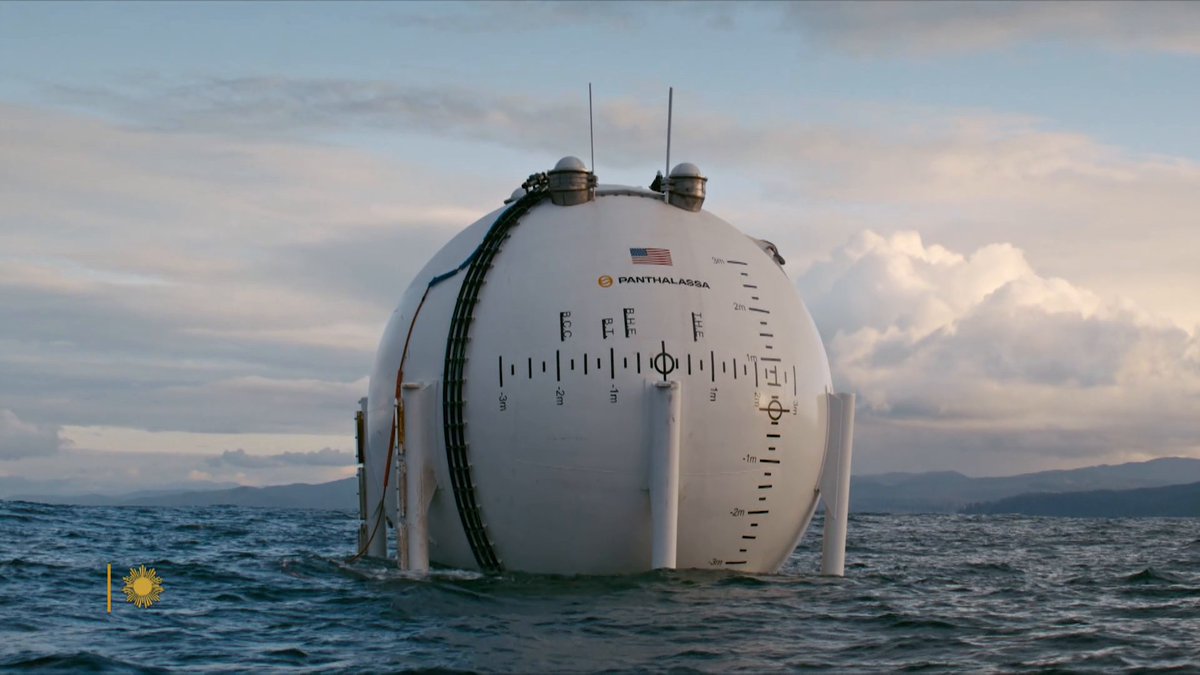
Oregon-based startup Panthalassa is developing floating AI data centers powered by wave energy. The 85-meter-long system uses seawater to cool AI chips while turbines generate electricity from ocean waves. A prototype called Ocean-2 is already being tested off the coast of Washington, with AI data transmitted through SpaceX's Starlink network.

551,004 views • 1 month ago •via X (Twitter)
35 Comments

Somali pirates: "I am the AI master now" 👀

Next up, these floating data centers are the cause of ocean warming...

Lets raise the ocean temperature further. Great idea.

This will heat the oceans and have devastating environmental impact.

"so, you are gonna put millions of dollars of gold, and other precious booty, floating out in the water, unattended..."

Trying to be environmentally friendly while warming the ocean directly. Nice.

I am wondering if it is causing some damage to marine ecosystems or not.

Harnessing oceanic power is a difficult engineering problem Saltwater corrosion, biofouling, extreme storms, and powerful forces require heavily over-engineered, expensive structures that still face high failure and maintenance risks. Access for repairs is weather-dependent and costly.

Another bullshit idea for stupid investors. Every single try to create energy from waves or the ocean have been a nightmare due to corrosion.

-sigh- the thing all these ocean deployed systems fail to recognize is the harshness of the ocean environment and the amount of maintenance and refurb needed to keep them from destruction.

Data centers are being used to train superintelligent AIs to replace humans everywhere. Environmentally sound data centers - if that what these are supposed to be - are just a smoother path to extinction. They are chocolate-flavored arsenic.

Brilliant! Meanwhile I'm over here vibe coding a cool button connected to obsidian that orders door dash...

The issue is, they wouldn’t generate enough electricity to power a very big GPU.

👀

Maybe they can attach a mine to it and send it to the Hormuz straight 🤪

Mother Nature finally getting equity in the compute boom

@ekpodar There have been so many complaints about water usage that they just started putting the data centers in the water

boiling the oceans will reach a whole new meaning soon 😅

Will anyone be surprised when it’s perfected that the whale humpers and “red skins” bitch about their spirit animals suffering and halt it from ever becoming realized??

How many of these things would need to be floating around the ocean with long ass cords connecting to mainland, ugh.

@nselmi @AleMas2100 time for you to launch Tamaladissa

force open source ocean vessels must install to account for social impacts cuz thar be scammers cap’n but also net benefits send data to Starmind while harnessing wave, solar and SMRs think of the good we do compounding this system. Wars are cancelled. Back to your corners.

This just seems completely idiotic from the start. Let's fill the surrounding coastlines with giant floating balls said no one ever.

@TherealCurtJ If they could pull it off, wouldn't this be better than putting them near population centers?

intriguing idea, but my quick back of the envelope calculation tells me it's implausible these systems can generate anywhere near enough electrical power to power even a modest data center.

@shamilsh 水が動く経路の清掃のメカニズムがどうなっているのかな。 貝類や藻類は強烈。フジツボ対策に船底塗装も一年毎に塗り直すらしい。 パイプ状になってるなら、なお難しいと思うが…

Great, save the environment......🏴☠️🏴☠️🏴☠️🏴☠️🏴☠️🏴☠️🏴☠️🏴☠️🏴☠️🏴☠️🏴☠️🏴☠️🏴☠️🏴☠️🏴☠️🇦🇶🏴☠️🏴☠️🏴☠️🏴☠️🏴☠️🏴☠️🏴☠️🏴☠️🏴☠️🏴☠️🏴☠️🏴☠️🏴☠️🏴☠️🏴☠️🏴☠️🏴☠️🏴☠️🏴☠️🏴☠️

KIYAMET ALAMETİ KURAN I KERİMDE GEÇEN AYET "DENİZLER KAYNATILDIĞINDA" 😲😲😲 SUBHANALLAH.

this innovation will never be implemented because A.I. founders are only interested in making the buucuu bucks and be a bunch of cheap skates!

The vibe product development have gone too far.

I'm sure the fish will be thrilled by the humming noise.

Good luck🤣

Cool the chips with sea water and warm the sea water more than we already want it?

Why?

Please do not make people slaves