Video yükleniyor...

Video Yüklenemedi

Ana Sayfaya Dön

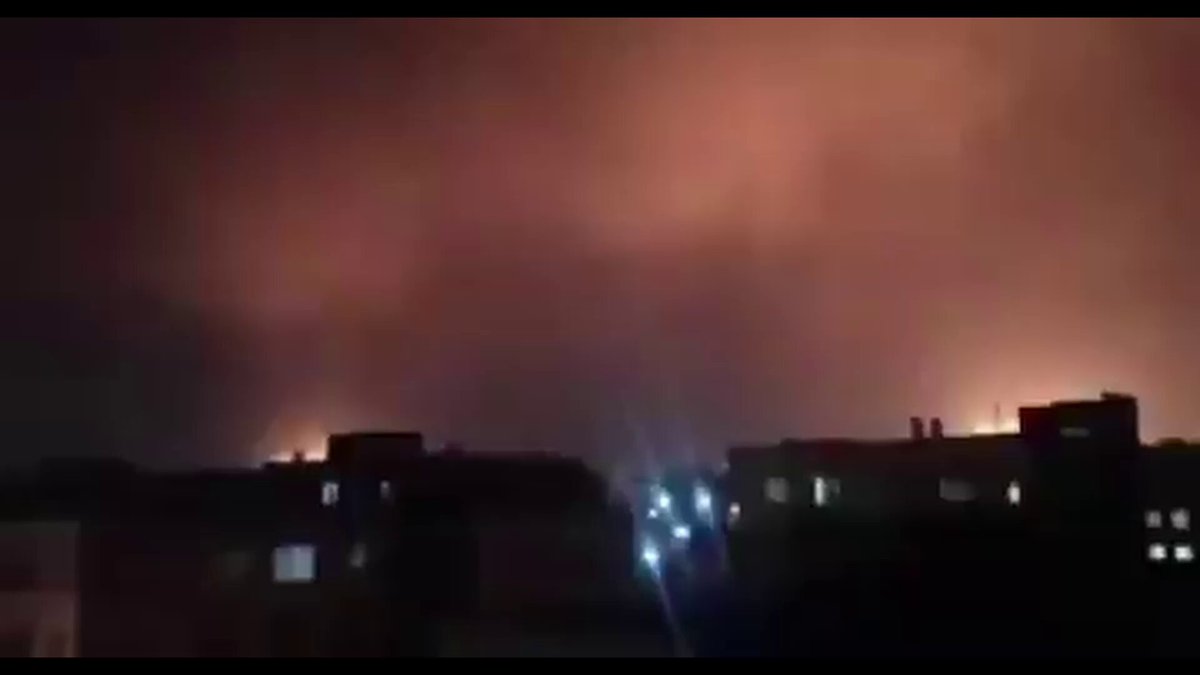
‼️🇺🇸🇮🇷🇮🇱 Over the past few hours, virtually every major US outlet has been reporting that Trump ordered military forces to launch a massive bombing campaign against Iran's energy and critical infrastructure to force Tehran into accepting American terms. At the same time, Israeli media reports that the campaign could...

171,468 görüntüleme • 1 ay önce •via X (Twitter)

0 Yorum

Yorum bulunmuyor

Orijinal gönderinin yorumları burada görünecek

Benzer Videolar

🇺🇸🇮🇷 Trump may be preparing to make the biggest gamble of his presidency. Iranian analyst Nima Rostami Alkhorshid says reports of U.S. and Israeli strikes on Iran's energy infrastructure would mark a major escalation, one that Tehran has spent years preparing for. Start with the targets. The reported plan isn't just to hit missile launchers or military sites. It's to strike the infrastructure that powers Iran's economy, while degrading its ability to retaliate over a campaign that could last days or even weeks. Nima believes Iran's response has already been mapped out. Israel would remain the primary target, but Gulf oil facilities, power infrastructure and American military assets across the region would also come into play. Not because Tehran wants a wider war. Because it wants Washington to understand that attacks on Iran's economy will immediately become attacks on the region's economy. That brings him to the Strait of Hormuz. Nima argues the dispute isn't really about charging ships a transit fee. It's all about security. Iran wants control over what enters the Gulf after watching weapons, missiles and military equipment flow through the region during the conflict. In his view, controlling inbound traffic is now seen in Tehran as essential to preventing another war. He believes it's a struggle over whether the Middle East remains under American dominance or moves toward a new regional balance of power. And if neither side is willing to concede that question, the military campaign may last far longer than anyone currently expects. Dialogue works

Mario Nawfal

313,899 görüntüleme • 1 ay önce

🇮🇷🇺🇸 Iran's latest attack struck U.S military facilities in Kuwait and the UAE, but the timing may be more important than the attack itself. The previous U.S-Iran exchange had effectively stopped. Washington decided not to retaliate against Iran's last barrage and reports suggest Trump’s team is actively trying to avoid another major escalation before the midterms. Iran attacked again anyway. And to understand why, look at what Washington is doing behind the scenes. The U.S is intensifying its economic campaign against Tehran, reportedly instructing embassies around the world to pressure governments to cut Iranian trade, with countries, companies and individuals potentially threatened with sanctions or a loss of access to the dollar system. Meanwhile, the UAE has become an important partner in Washington's attempt to keep oil moving through Hormuz and tighten the economic screws on Iran. Then Iran hits U.S-linked military infrastructure in the UAE and Kuwait. That makes these strikes look less like retaliation for something America already did and more like a warning about what comes next: If Washington turns the Gulf into the infrastructure for an economic war against Iran, Tehran may turn that same infrastructure into the battlefield. And that creates a serious problem for Trump's apparent pivot from military war to economic war. Sanctions were supposed to provide a way of squeezing Iran without another major exchange of missiles. Iran may be signalling that it doesn't intend to let America separate the two. Brandon Weichert

Mario Nawfal

340,144 görüntüleme • 21 gün önce