Video wird geladen...

Video konnte nicht geladen werden

Zur Startseite

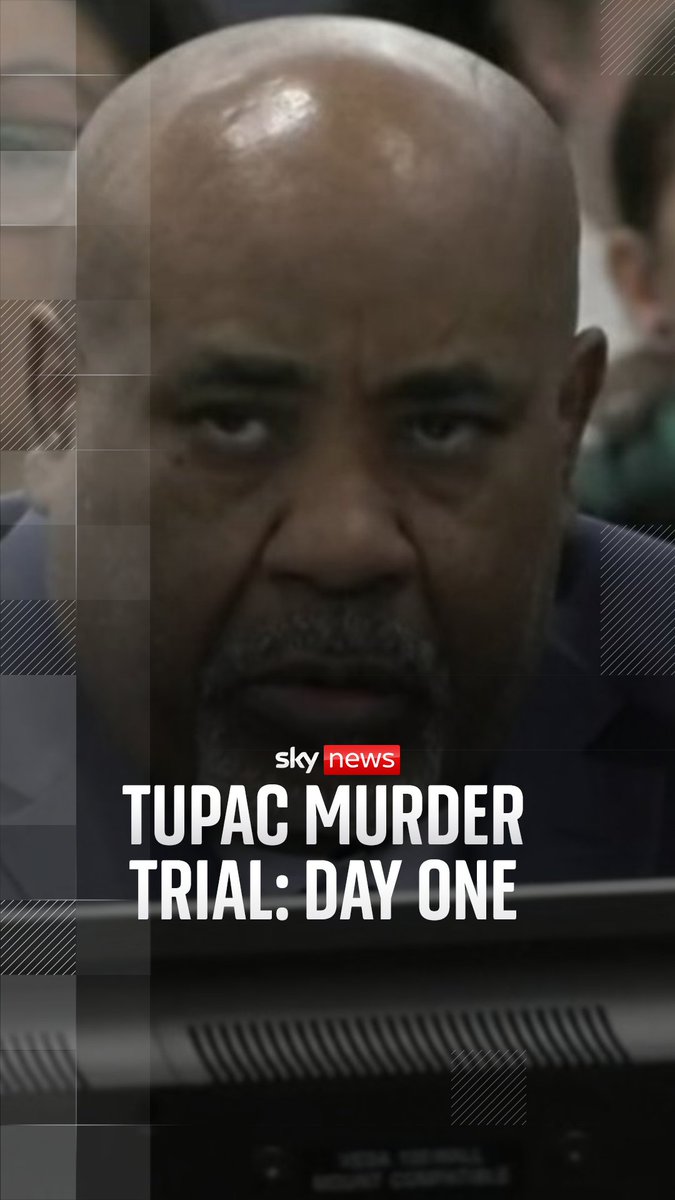
People, this is a big one. I sat down with Reggie Wright Jr. — former Compton police officer and the head of security for Death Row Records — just DAYS before he takes the stand at the Keffe D trial for the murder of Tupac Shakur. I asked Reggie...

41,530 Aufrufe • vor 13 Tagen •via X (Twitter)

0 Kommentare

Keine Kommentare verfügbar

Kommentare vom Original-Post werden hier angezeigt

Ähnliche Videos

In September 1996, Tupac Shakur gave what would become one of his final interviews. Hours before he was shot on the Las Vegas Strip after the Mike Tyson vs. Bruce Seldon fight, Tupac stood in a hallway at the MGM Grand with Suge Knight and spoke to a reporter about Death Row's next chapter. What he said that night reveals something most people miss about who Tupac actually was. He was a businessman with a manifesto. When the reporter asked about Death Row East, Suge opened with a challenge: "You believe in God? Believe in Death Row East. Believe in that for real." Then Tupac laid out the vision in full: "We plan to take the same strategy we use with Death Row West, which is mind over matter. Taking all our weaknesses and make it into our strengths." This was not hype. Tupac understood exactly what Death Row represented to people who had been written off by the industry. He framed it as a numbers argument: "Ain't no other record company out there that sold as many records as we did. We outsold Bad Boy, LaFace, every black record label out there. We outsold them in one year. And I'm a convict and my homeboy just got off a murder case. So that tell you that it's pure talent. No hype." He then named the real enemy, and it was not Biggie. It was not the East Coast. It was the narrative being used to distract: "All these people talking about the East Coast, West Coast war, they like the Judas was to Jesus. They only here to cause confusion. We here to bring money and to bring change." That line is historically significant. At the peak of what media was selling as a coast-to-coast rap war, Tupac publicly called it manufactured division. He saw the so-called beef not as a cultural clash but as a distraction from economic power. Weak rappers, he said, were using geography as a crutch. Death Row was using it as an opportunity. The closing statement of the interview was as bold as anything he ever recorded: "We coming to the East Coast to prove there is no fear. There is no problem. There ain't nothing but opportunity. And the opportunity is overthrow the government y'all got right now, which is Bad Boy and Nas and all that... And we will bring a new government here that will feed every person in New York." He was shot that same night. He died six days later on September 13, 1996.

History Nerd

11,184 Aufrufe • vor 2 Monaten