Video wird geladen...
Video konnte nicht geladen werden
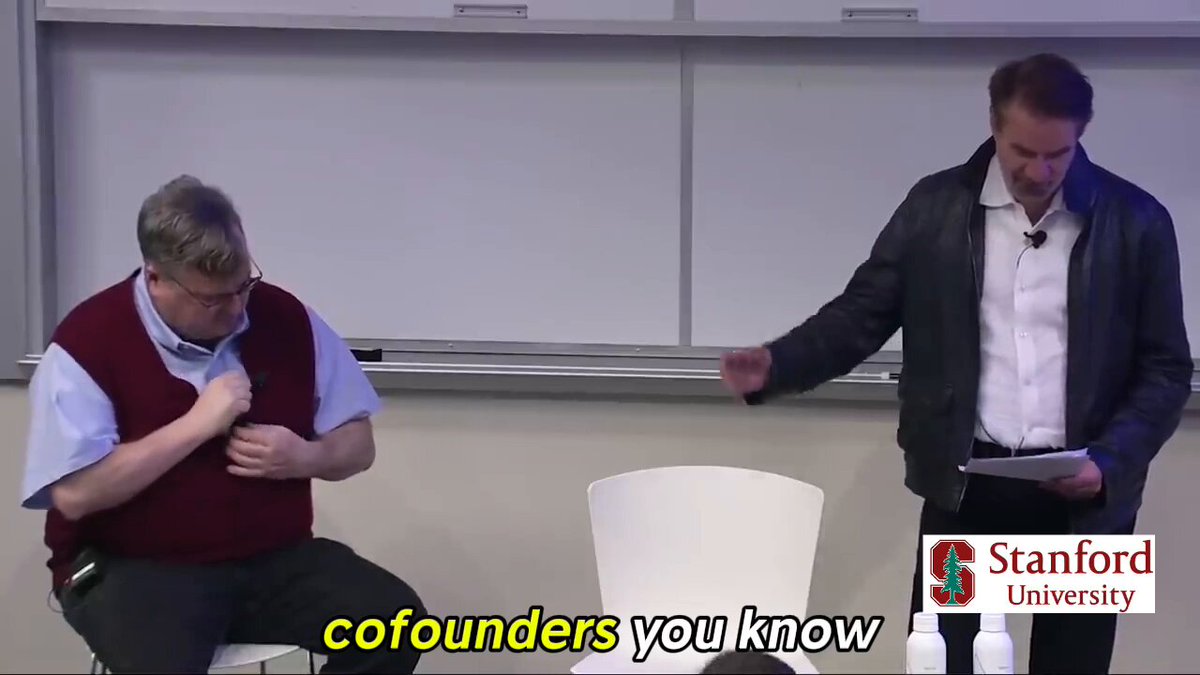
Perplexity’s CEO Aravind Srinivas: AI agents could create an explosion of tiny billion-dollar companies, yet Anthropic chose to tell the world AI was coming for their jobs. "There’s going to be lots of amazing companies that are going to get built with far fewer people, getting multi-billion-dollar, multi-hundred-million-dollar valuations... show more

19,584 Aufrufe • vor 2 Tagen •via X (Twitter)
17 Kommentare

These two ideas are not mutually exclusive. And most people who lose their jobs will not pivot and start successful billion dollar businesses. We need to do a lot better job being critical thinkers and stop focusing on becoming rich while most others will struggle. Right now we need empathy. And we need a plan.

Framing AI around individual leverage rather than job loss completely changes what people feel empowered to build.

explosion of tiny billion-dollar companies is just a final table full of short stacks. somebody's getting felted

It all sounds like a con. And let’s face it, wealth concentrated among 20 or 30 people leaves the rest of the planet basically in poverty. Also, who will be able to afford these products and services. It seems like the future went from dreaming of possibilities to the basic need for survival. This is very unhealthy and we’re all in trouble.

That's an interesting take. It's exciting to think about the new opportunities AI could bring.

The "30-person billion-dollar AI company" thesis has a glaring macroeconomic flaw:If tiny teams replace mass workforces, who has the income to buy their products? Hyper-efficiency doesn't grow GDP if you kill the consumer base. Mass unemployment destroys the market.

Who needs jobs when you've got job opportunities? 🚀💼

The customer still wants a person when that tiny company breaks.

AI is definitely going to create a lot of new jobs. I went from being a software product designer to someone who can both design and develop products, which allowed me to do things I wanted to do years ago really well. AI can also greatly improve the efficiency of companies and individuals who couldn't afford software before, and it'll also cut costs significantly. The real challenge is figuring out how to regulate AI so it doesn't go bad.

the interesting question is whether AI creates more new opportunities than it removes.

Name few open source softwares which have top talent pool and which delivered lot of features in last 6 months . 🤔

Smaller teams with better tools could push experimentation much further. I would watch how they keep quality and judgment in the loop.

headcount is becoming a worse proxy

The agent economy could create a new layer of entrepreneurship. Small teams coordinating specialized agents may become capable of operating at a scale that previously required entire organizations.

tiny teams with agents scale output, not necessarily taste. in games the bottleneck is still who decides what winning should feel like when a hundred agents grind the same loop overnight.

'20 or 30 people' still sounds big from where I sit. One person, four products live, all built after my day job. Distribution is the bit that never got cheaper.

tiny teams can produce more, but valuations are not output. the bottleneck moves to distribution, trust, support, and choosing what deserves to exist. agents do not repeal markets.