Loading video...
Video Failed to Load
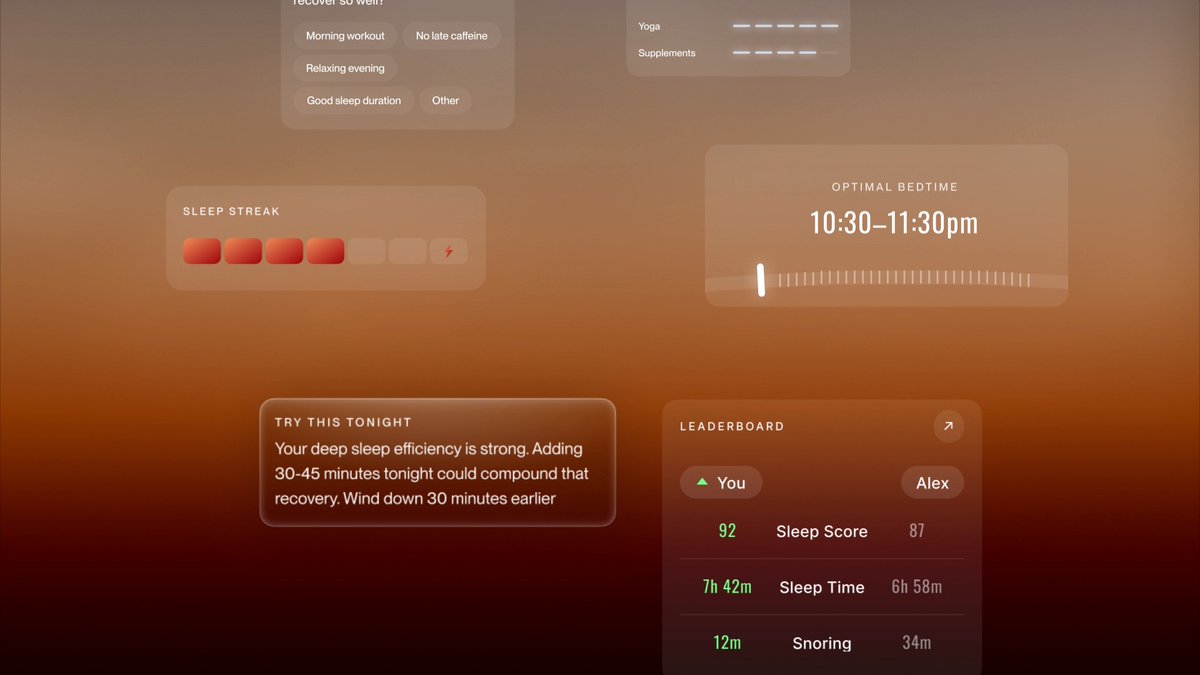
Personal superintelligence will help people learn about their health. We collaborated with 1,000+ physicians to curate training data that enables more factual and comprehensive responses. It can generate interactive displays that unpack and explain health information such as the nutritional content of various foods or muscles activated during exercise.

59,100 views • 4 months ago •via X (Twitter)
0 Comments
No comments available
Comments from the original post will appear here




![🚨Oxford Research Team Wraps Up New Study and Concludes: STOP universal mental-health interventions in schools - it makes too many kids worse One of the original Oxford researchers of the 2023 study announces they have published this week an updated study concluding universal school-based interventions based on CBT and mindfulness theories have significant probability of resulting in negative effects, warranting their discontinuance in universal settings. Full text: "Can mental health lessons in schools sometimes make young people feel worse? Well, this is a question that we asked in a review paper that we published this week. And we looked specifically at lessons that taught either CBT [cognitive behavioral therapy] or Mindfulness to groups of young people in schools What we found was that in 9% of these studies something that was supposed to improve like depressed mood or peer relationships ended up getting worse and not better. And when we look specifically at the high quality studies, so the ones with big sample sizes and good statistics that we can really trust, that figure increased to 33%. So, in a third of these studies, something that was supposed to improve ended up getting worse in the group of young people who had these either CBT or mindfulness lessons. Importantly, this only happened in universal interventions, so that's when this mental health information is taught to the whole class, regardless of need. I think this evidence, combined with other evidence that we have, suggests that we should start moving away from this universal approach to mental health in schools where everyone is taught about mental health and move towards more effective approaches like one-to-one support or small group support for people who either want or need it. There's much more information about all of this in the paper, which I will link to."](https://image.24vids.com/tw-1903435147661430886/ext_tw_video_thumb/1903434066864832512/pu/img/DhwpMe2x5sOHrm9y.jpg)

