Video wird geladen...

Video konnte nicht geladen werden

Zur Startseite

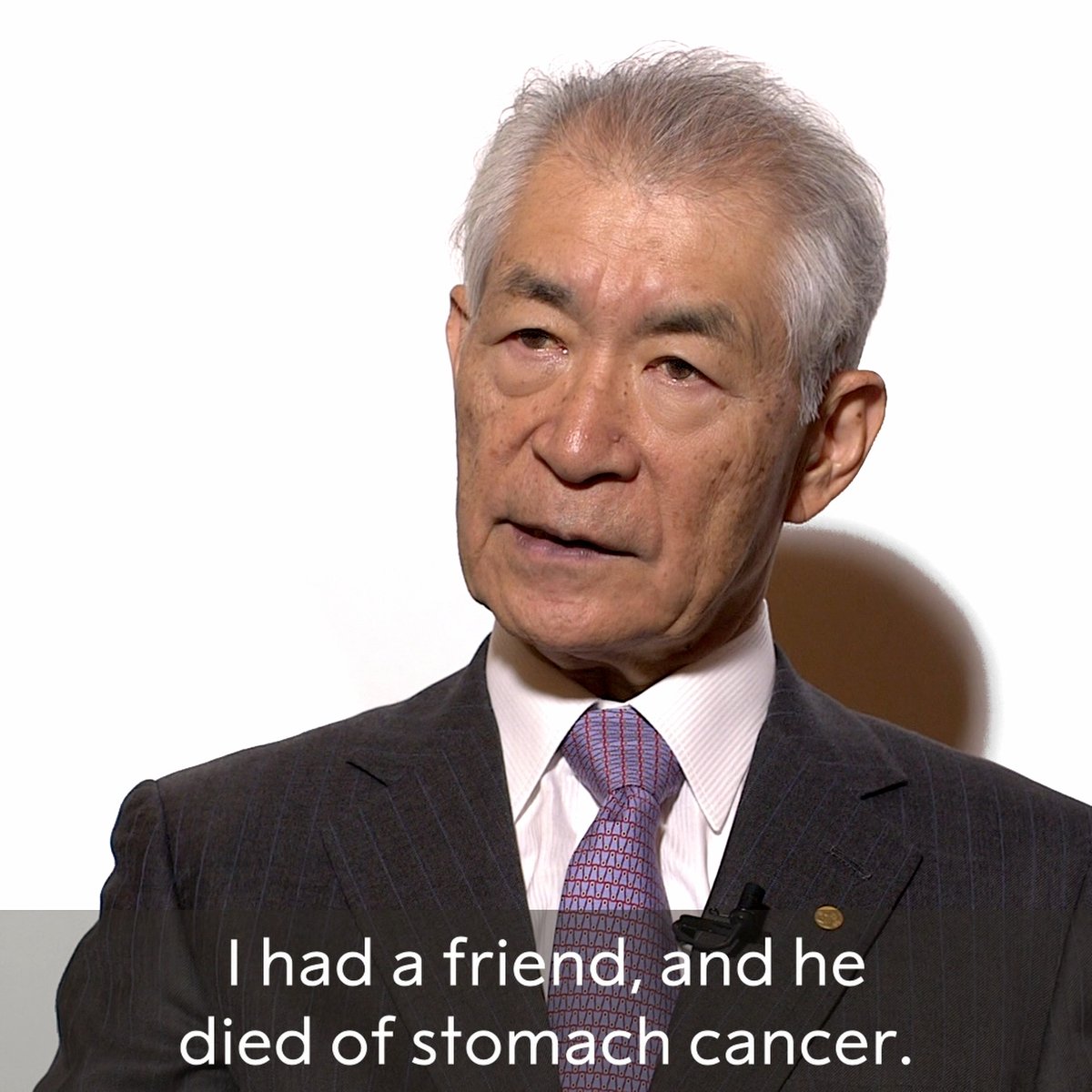
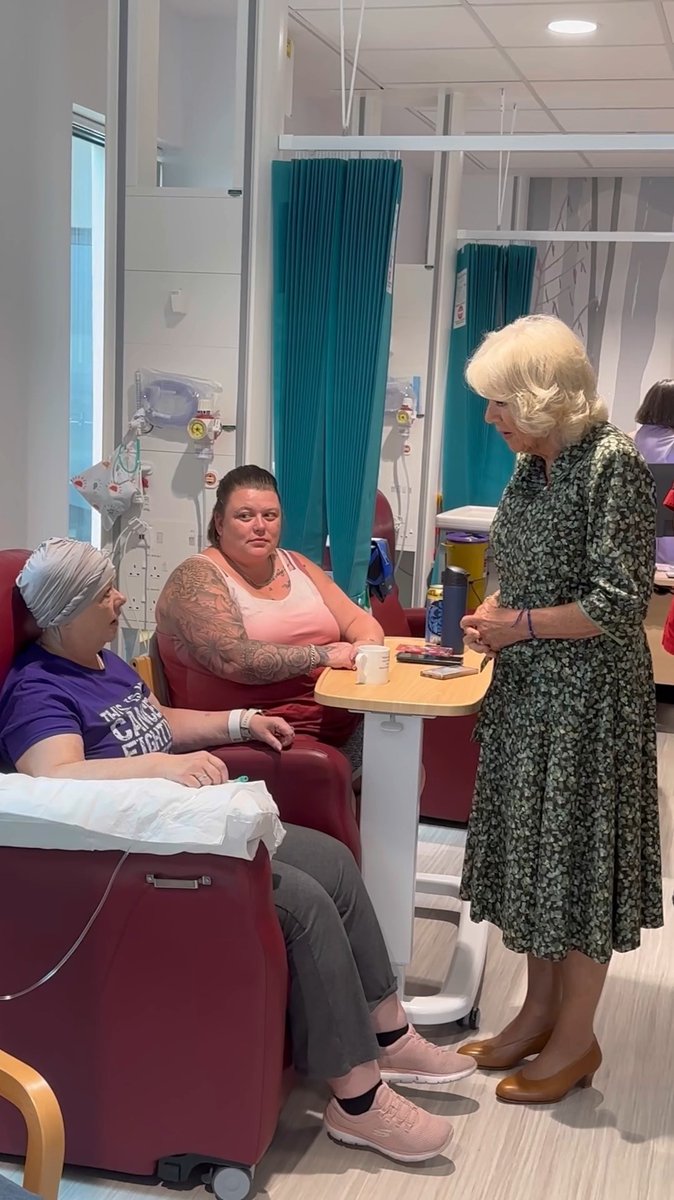
Pharmaceutical giants Moderna and Merck said Wednesday that their experimental cancer treatment showed signs of success in a study with high-risk melanoma patients. The first-of-its-kind treatment involves an mRNA vaccine that's tailored to individual patients and pairs it with a separate immunotherapy drug, Keytruda. The combination was effective in...

24,676 Aufrufe • vor 16 Tagen •via X (Twitter)

0 Kommentare

Keine Kommentare verfügbar

Kommentare vom Original-Post werden hier angezeigt

Ähnliche Videos

Megyn Kelly sat down with Dr. Patrick Soon-Shiong to discuss his revolutionary cancer protocol—a treatment that has already extended lives by years for patients with terminal diagnoses, including the late Senator Harry Reid. The Science Behind the Breakthrough Dr. Soon-Shiong’s approach challenges conventional cancer treatments like chemotherapy and radiation, which destroy the immune system’s natural killer (NK) cells and T-cells—critical for fighting cancer. His BioStripe treatment works by rebuilding the immune system, even in patients who have exhausted all other options. Real Patients, Miraculous Results Merkel cell carcinoma (5th-line treatment): Complete remission—patient lived 6+ years and didn’t die from cancer. Bladder cancer: Patients still alive 10-11 years later. Triple-negative breast cancer: Multiple complete remissions. Metastatic pancreatic cancer: One patient disease-free after 5 years, now 6+ years and counting. FDA Roadblocks & Lost Time Despite undeniable success, Dr. Soon-Shiong faced years of resistance from regulators. In 2015, he proposed testing his method before chemo/radiation—but the FDA insisted on starting with end-stage patients. After 700,000 pages of submissions, approval finally came in late 2024. The Future: Beyond Cancer This treatment isn’t just for cancer—it’s showing promise against sepsis and severe infections. One recent case: A Valley Fever patient on a ventilator, given last rites—fully recovered after treatment. The Urgent Question Why is bureaucracy slowing down a therapy that could save millions? With pancreatic cancer, glioblastoma, and lung cancer patients still dying every day, how many more lives could have been saved if this had been fast-tracked?

Camus

615,893 Aufrufe • vor 1 Jahr

CANCER IS REAL BUSINESS Dr. Stanislaw Burzynski's unconventional cancer treatment has sparked intense debate. His Antineoplaston therapy has inspired hope in some, but the medical mainstream remains skeptical. Devotees see him as a visionary, while detractors dismiss him as a quack. The controversy raises important questions about the future of cancer treatment. Can conventional and alternative approaches find common ground? How can we balance innovation with rigor and oversight? The answers will have far-reaching implications for patients and the medical community. The debate around Dr. Stanislaw Burzynski's cancer treatment is complicated by the FDA's involvement. Critics argue that the agency's oversight has hindered Burzynski's efforts, citing instances of bureaucratic delays and stringent regulations that can slow down the approval process for new treatments. Some claim the FDA's stance is influenced by a preference for conventional therapies and pressure from the pharmaceutical industry, suggesting the agency's actions are more about protecting established interests than safeguarding patients. However, others believe the FDA is fulfilling its role of ensuring treatments meet high safety and efficacy standards. They assert that Burzynski's methods have yet to be convincingly validated and express concerns about potential risks associated with his treatment. The reality may be somewhere in the middle. While the FDA aims to protect patients, its approach can sometimes be perceived as overly strict. Finding a balance between promoting innovation and maintaining robust oversight is key to offering patients safe, effective cancer treatments while also fostering progress in medical research.

Teaᡣ𐭩

125,284 Aufrufe • vor 2 Jahren