Video wird geladen...
Video konnte nicht geladen werden
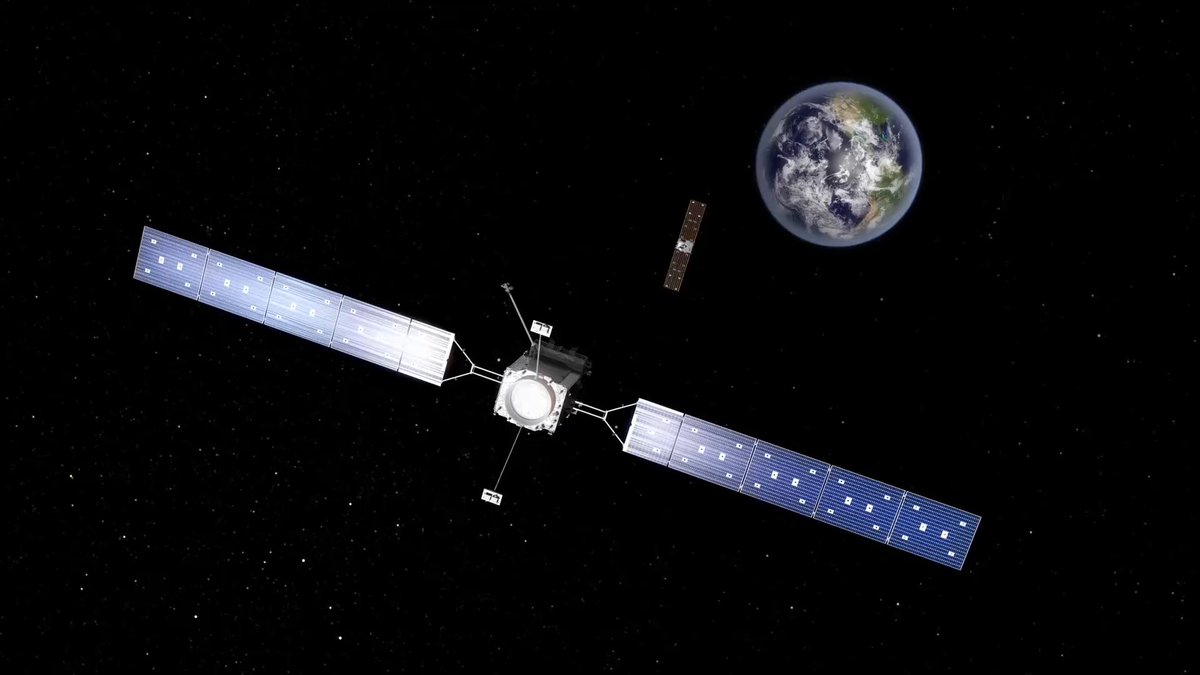
Project Suncatcher is our moonshot exploring whether we can one day host machine learning infrastructure in space 🚀 To do so, we need to know whether our AI hardware can operate in orbit. Can our TPUs handle the physical stress of spaceflight and the radiation and thermal extremes of... show more

396,480 Aufrufe • vor 8 Stunden •via X (Twitter)
31 Kommentare

Some things can only be tested in space — like how the hardware holds up to solar events, cosmic rays, or bitflip errors caused by radiation — which is why we’re putting our first TPUs in orbit.
Learn more about the mission — directly from the team of scientists and engineers who worked on it.

give me gemini 4 argon!!!

thermal management in a vacuum is already a nightmare, so running high power TPUs in orbit sounds insane.

Space-based AI sounds insane until you realize the infrastructure could eventually run where the data is generated. The real question: can TPUs survive orbit long enough to make this economically viable?

vibration tests and radiation i get, but i think cooling is the part i'd lose sleep over, no air up there to carry the heat away from four tpus

We want today Gemini 4 Argon

May today bring you good energy, a peaceful heart, and a few lovely surprises.🍀🥰

Decoupling high-density compute from terrestrial thermodynamic and energy constraints represents a profound civilizational transition. Validating accelerator resilience against cosmic radiation and thermal extremes directly confronts the physical boundaries of planetary infrastructure. Durable progress begins with testing hardware at the edge of physics.

cooling in vacuum seems harder than the radiation side ngl

will you share how the four tpus hold up on radiation errors once the first data comes back

Say it with me “thank you SpaceX”

Google has been improving so good

Four chips in orbit is a small start for a very big idea. Curious what breaks first up there, the heat or the radiation.

I think it is very smart to put AI in space. :) We have a plan

people keep begging for gemini 4 while google is out here launching math homework into orbit

radiation-hardened chips for data centers in orbit... the power bill alone must've been a fun spreadsheet to build

Honestly, the thermal cycling sounds scarier than the radiation. Have you run any ground tests simulating that rapid hot/cold cycle?

video with three js on this:

the vibration table clip is the part i rewound. shaking tpus to launch loads before they ever see orbit is the unglamorous work that makes this real

The first test is only hardware survival. Google says TPUs face 100G launches — orbital compute economics come later.

somewhere a regular software bug is about to get blamed on a cosmic ray

Is Gemini 4 Argon coming out today? 🤔

Power is the easy part up there. Getting four TPUs to shed heat with no air to cool them is what decides if orbital data centers ever make sense.

Imagine debugging a TPU and the solution is Have you tried restarting the satellite?😂

Got you. Follow @polash_ai and I’ll send the Claude Code guide via DM.

The 50–100g chip-level figure is the fun part — that's survivable with the right packaging, but the real constraint shows up after arrival: in vacuum there's no convection, so a rack of TPUs running hot has to dump everything through radiators. Ground liquid cooling doe

The IT department is going to need a very different ladder.

Ground results were already good: Trillium survived a total ionizing dose above a 5-year mission in a UC Davis proton beam. The open question for me is heat: in vacuum it's heat pipes and radiators only. Will you share thermal data from orbit?

cosmic rays love uncorrected memory

AI infrastructure in space is no longer just science fiction. 🚀🛰️ Testing TPUs in orbit is a major step toward understanding what space-based computing could look like. The future is getting closer.
Ähnliche Videos




Sensitive content
Is she gasping for air or in pain? 💔💔😢 Look what they’re doing to our children. No don’t look away. We know no one is going to step in so the least we can do is #ArmPalestine like we armed Ukraine, so the Palestinians can stop #Gaza_Genocide 💔🇵🇸
Majid Freeman
762,639 Aufrufe • vor 2 Jahren

