Loading video...

Video Failed to Load

Go Home

Rainmaker’s Augustus Doricko says 10x’ing cloud seeding operations in Utah could accelerate refilling the Great Salt Lake, and he’s aiming to bring the Colorado River back to 1920 levels by 2031: "We have operations for the Bear River, which is the primary tributary into the Great Salt Lake right...

71,104 views • 3 months ago •via X (Twitter)

0 Comments

No comments available

Comments from the original post will appear here

Related Videos

We can refill the Great Salt Lake. This month, Rainmaker began the largest cloud seeding project in modern American history. With Utah and Idaho, we are enhancing snowpack across 7,500 square miles of the Bear River Basin. Rainmaker Technology Corporation deployed a fleet of specialized cloud seeding drones, boutique meteorological sensors, and radar across the region. Our dozens of mountaineering Forward Operating Specialists, many of whom were born in Utah, are working around the clock with this hardware to do one thing: make snow. We do so not merely for better powder days at Rocky Mountain ski resorts. We're working to producing freshwater for over a million people in the region. Their farms, ranches, industry, and even their homes need more water. Due to decreasing natural precipitation and increased demand for water, the Great Salt Lake is in a deficit of ~400 billion gallons annually. If it continues to dry, not only will Utah and Idaho's economic growth stall and fall, but toxic arsenic particulate from the exposed lakebed will go airborne and cause asthma, bronchitis, and lung cancer throughout the region. Economizing water us is part of what it means to be a good steward of our God given resources, but reducing consumption alone will not suffice. We must make more water, so Rainmaker Technology Corporation will make more snow. With the research-grade radar, constellation of sensors, and 3rd party assessment from academic institutions, Rainmaker Technology Corporation is bringing rigor and physical measurement of our results that is unprecedented in operational cloud seeding history. Forecasting the weather is difficult, let alone modifying it, and we will face challenges throughout this winter. But, Rainmakers will work diligently and unrelentingly to bring water to the American people and environment across the Bear River Basin. And, we will continue to do so even after we have secured abundant freshwater for generations to come. As the season progresses, we'll update you on our progress. Thank you to our partners in Utah and Idaho, particularly the state meteorologist, Governor Cox , and Brad Little . Thank you to the Rainmakers (and their families!) that have worked so hard to standup this project. Blessing to work with you all. Lets make it snow.

Augustus Doricko

291,657 views • 8 months ago

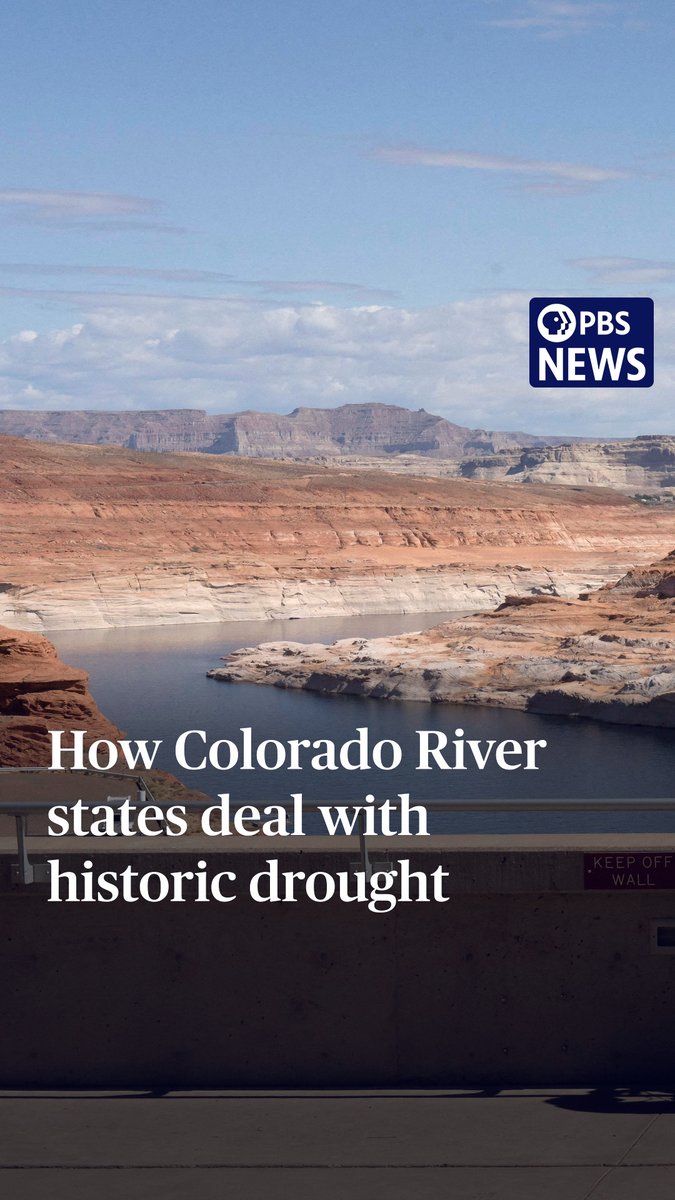
Roughly one in 10 Americans gets their water from the Colorado River. But the river is drying up due to a persistent drought driven in part by climate change. The crisis has been building for decades, but will likely come to a head this summer, as the past winter was brutally warm. The heavy snow that was supposed to fall on the Mountain West and slowly melt, sending water down into rivers and reservoirs, never happened. "Simply put, the basin is not producing the water supply that all of our states anticipated decades ago," California Natural Resources Secretary Wade Crowfoot told Horizons host William Brangham. "So we all anticipated and planned for and built infrastructure to use more water than is currently available." The Colorado River has slipped to record low levels, threatening the water supply for 40 million people across seven western states — Colorado, New Mexico, Utah, Wyoming, Arizona, California and Nevada. But the crisis is not just about water; it's also about electricity. Lake Powell and Lake Mead, two reservoirs on the river, are also nearing record lows. The man-made lakes generate hydroelectric power for millions. In February, the seven Colorado River basin states failed to reach a new agreement on how to share the river's dwindling resources. The federal government is threatening to impose its own plan. Joel Ferry, the commissioner of Utah's Department of Natural Resources, called it a "solvable problem," and said the seven state governors are working with the federal government to find solutions. "Ultimately, this is something that both our political leaders and the water users have got to come together to find a creative solution," he said. Horizons from PBS News, dives into the science, health, technology and environmental issues making headlines each week. Visit the PBS News website to watch this week's episode.

PBS News

15,627 views • 2 months ago