Video yükleniyor...

Video Yüklenemedi

Ana Sayfaya Dön

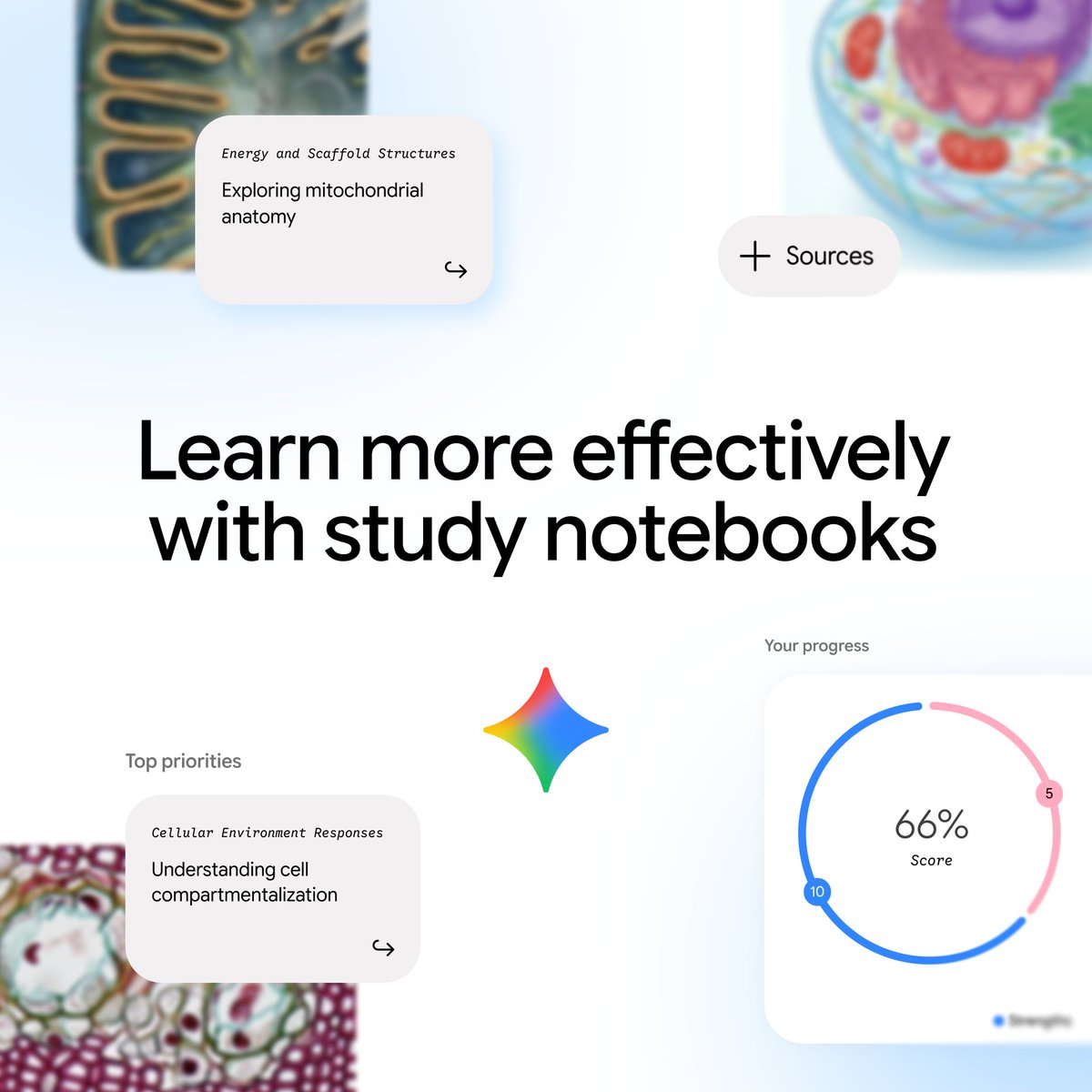
Reading a PDF is one thing. Actually remembering what you studied is another. Google built a free tool called Learn Your Way that turns PDFs and textbook chapters into interactive lessons. You can upload your learning material and get: → Mind maps to understand the topic → Audio to...

23,745 görüntüleme • 1 ay önce •via X (Twitter)

53 Yorum

Muzammil Shah profil fotoğrafı
Muzammil Shah1 ay önce

Free to try:

Zidan 子丹 profil fotoğrafı
Zidan 子丹1 ay önce

This is genuinely useful. Turning the same material into mind maps, audio, quizzes, and interactive lessons makes learning feel much less passive. Definitely something worth exploring.

Muzammil Shah profil fotoğrafı
Muzammil Shah1 ay önce

That’s what makes it so useful. It turns studying from just reading into something much more active and engaging.

Jia profil fotoğrafı
Jia1 ay önce

worth trying

Muzammil Shah profil fotoğrafı
Muzammil Shah1 ay önce

For sure. Especially if you want to make studying more active instead of just reading.

Ed profil fotoğrafı
Ed1 ay önce

This is more interesting than regular reading: interactivity really helps me memorize material.

Muzammil Shah profil fotoğrafı
Muzammil Shah1 ay önce

Same here. When you actively interact with the material, it’s much easier to remember than just reading through pa

Gilbert Odera | Your AI Plug profil fotoğrafı
Gilbert Odera | Your AI Plug1 ay önce

Turning static PDFs into interactive, multi-modal study tools is huge... boosting long-term retention like that makes all the difference!

Muzammil Shah profil fotoğrafı
Muzammil Shah1 ay önce

That’s what makes it interesting. The goal isn’t just to make studying more engaging, but to actually help the information stick longer.

Battry profil fotoğrafı
Battry1 ay önce

Love that - same PDF, but turned into active recall

Muzammil Shah profil fotoğrafı
Muzammil Shah1 ay önce

That’s the big difference. Instead of just reading the PDF, you’re actually testing what you remember from it.

Aaliya profil fotoğrafı
Aaliya1 ay önce

The recall results make this even more interesting.

Muzammil Shah profil fotoğrafı
Muzammil Shah1 ay önce

Yeah, the recall results are what really caught my attention too. They show that the approach goes beyond just making learning more interactive.

Alice The Ai Expert profil fotoğrafı
Alice The Ai Expert1 ay önce

77% vs 68% recall after 3 days that's a real learning upgrade, love tools that make studying stick!

Muzammil Shah profil fotoğrafı
Muzammil Shah1 ay önce

That recall difference really stands out. Making learning stick beyond the first study session is where tools like this can make a real difference.

Aria Tech profil fotoğrafı
Aria Tech1 ay önce

77% vs 68% recall is a solid jump turning PDFs into active learning is so needed

Muzammil Shah profil fotoğrafı
Muzammil Shah1 ay önce

That 9 point gap really shows the value of active learning. It’s a much better way to make the material stick.

Lexi profil fotoğrafı
Lexi1 ay önce

Turning PDFs into lessons is such a smart idea.

Usama Sha profil fotoğrafı
Usama Sha1 ay önce

Turning static study material into interactive lessons makes learning much more engaging.

Muzammil Shah profil fotoğrafı
Muzammil Shah1 ay önce

It makes a big difference. Interactive lessons can keep you more focused and make the material easier to remember.

Elise Tech Ai profil fotoğrafı
Elise Tech Ai1 ay önce

Really smart approach turning static PDFs into active learning that actually sticks

Muzammil Shah profil fotoğrafı
Muzammil Shah1 ay önce

That’s what makes it interesting. Turning static material into active learning can make it much easier to understand and

Aina Ai | Tools & Updates profil fotoğrafı
Aina Ai | Tools & Updates1 ay önce

Brilliant tool turning PDFs into mind maps and quizzes for 77% recall is genius

Muzammil Shah profil fotoğrafı
Muzammil Shah1 ay önce

The recall numbers really make it stand out. Turning something as simple as a PDF into active learning is a smart ap

SKS profil fotoğrafı
SKS1 ay önce

this tool sounds amazing and will make studying so much easier

Muzammil Shah profil fotoğrafı
Muzammil Shah1 ay önce

Yeah, it could make studying a lot easier, especially for people who learn better through different formats.

Crypto Cola profil fotoğrafı
Crypto Cola1 ay önce

Looks super interesting

Muzammil Shah profil fotoğrafı
Muzammil Shah1 ay önce

It really is. Turning regular study material into something interactive makes it much more interesting to learn from.

Maha profil fotoğrafı
Maha1 ay önce

Interactive learning makes studying much easier.

Muzammil Shah profil fotoğrafı
Muzammil Shah1 ay önce

Interactive learning makes it easier to stay engaged and actually remember what you studied, instead of just reading and moving on.

Javeria profil fotoğrafı
Javeria1 ay önce

Mind maps and audio could make learning much easier for me.

Muzammil Shah profil fotoğrafı
Muzammil Shah1 ay önce

Same here. Having different ways to understand the same material can make studying much easier and more fl

Black Mamba 👑 profil fotoğrafı
Black Mamba 👑1 ay önce

This is useful for students

Muzammil Shah profil fotoğrafı
Muzammil Shah1 ay önce

For sure. It can make studying easier, more engaging, and more effective for students.

Saiful Islam profil fotoğrafı
Saiful Islam1 ay önce

Interactive lessons improve recall

Muzammil Shah profil fotoğrafı
Muzammil Shah1 ay önce

They do. When you actively work with the material, it’s easier to understand and remember it later.

Elara AI profil fotoğrafı
Elara AI1 ay önce

Turning PDFs into interactive lessons with 77% recall is brilliant

Riley Quinn profil fotoğrafı
Riley Quinn1 ay önce

The 3-day recall lift is what makes this more than a PDF wrapper.

UmarAi profil fotoğrafı
UmarAi1 ay önce

Turning static study material into interactive lessons makes learning much more engaging.

Ai Arainz profil fotoğrafı
Ai Arainz1 ay önce

The recall results add another layer of depth and make the whole process even more fascinating.

Steve profil fotoğrafı
Steve1 ay önce

Wow amazing pdf 🙌🏻

Elvorya profil fotoğrafı
Elvorya1 ay önce

Turning study material into active learning is a game changer.

ZenithAi profil fotoğrafı
ZenithAi1 ay önce

Turning static study material into active learning is brilliant

Promethean profil fotoğrafı
Promethean1 ay önce

Turning static PDFs into interactive lessons makes studying far more engaging.

Caden Flux profil fotoğrafı
Caden Flux1 ay önce

Turning static study material into interactive lessons makes learning much more engaging.

Seerat Fatima profil fotoğrafı
Seerat Fatima1 ay önce

The possibilities here look really interesting.

Mira Synth Tech profil fotoğrafı
Mira Synth Tech1 ay önce

This looks super useful, love tools that actually boost retention!

Wareen AI 💟 profil fotoğrafı
Wareen AI 💟1 ay önce

That vintage risograph texture gives the whole room so much character 🪴🎨✨

Nadeem Ahmad profil fotoğrafı
Nadeem Ahmad1 ay önce

Turning passive reading into interactive learning can make study much more engaging.

Muzammil Shah profil fotoğrafı
Muzammil Shah1 ay önce

It definitely makes studying more engaging, and being able to interact with the material can also help it stick better

AnNa profil fotoğrafı
AnNa1 ay önce

This looks super helpful, definitely going to try it out for my next study session!

Socola🌸 profil fotoğrafı
Socola🌸1 ay önce

turning static study material into active learning could make remembering it much easier.

Sukil profil fotoğrafı
Sukil1 ay önce

Turning static reading into active learning is where the real value is.

Benzer Videolar

Former Meta Chief AI Scientist Yann LeCun on the three paradigms of machine learning — and why the third is what made ChatGPT possible: Here's each one, and where it breaks. First, supervised learning. You tell the machine the answer. "You show it a picture, let's say of a table, and you tell it this is a table. So it's supervised because you tell it what the correct answer is." Get it wrong, and the machine rewrites itself: "The system computes its output, and if it says something else than table, then it's going to adjust its parameters, its internal structure, so that the output it produces gets closer to the output you want." Repeat at scale and something more than memorisation appears: "Eventually the system will find a way to recognize every image you trained it on, but also images it's never seen that are similar to the one you train it on. This is called a generalization ability." The limit: a human has to supply every single answer. That doesn't scale to the size of the internet. Second, reinforcement learning. You don't give the answer, only a verdict. "You don't tell the system what the correct answer is. You only tell it whether the answer it produced was good or bad." Learning to ride a bike, essentially: "You try to ride a bike and you don't know how to ride the bike and after a while you fall. So you know you did something bad and so you change your strategy a little bit. And eventually you learn how to ride a bike." For years the field assumed this was the closest thing to how animals actually learn. Yann LeCun's verdict: "Now it turns out reinforcement learning is extremely inefficient." It dominates wherever failure is free: "It works really well if you want to train a system to play chess or play go or poker, because you can have the system play millions and millions of games against itself and basically fine-tune itself. But it doesn't really work in the real world." The limit, in one image: "If you want to train a car to drive itself, you're not going to do it with reinforcement learning. It's going to crash thousands of times." On robotics he's careful rather than dismissive: "Reinforcement learning can be part of the solution, but it's not the complete answer. It's not sufficient." Third, self-supervised learning. You tell the machine nothing at all. "And this is what has enabled the recent progress in natural language understanding and chatbots." The strange part is that you stop asking for a task: "You don't train the system to accomplish any particular task. You just train it to basically capture the structure..." The method is deliberate sabotage: "You take a piece of text, you corrupt it in some way, by for example removing some words, and then you train a big neural net to predict the words that are missing." And one narrow version of that trick runs every chatbot on Earth: "A special case of this is that you take a piece of text and the last word in that text is not visible, and so you train the system to predict the last word in that text — and this is the way large language models are trained on." So why did the third one win? Supervised learning needs a human. Reinforcement learning needs a crash. Self-supervised learning needs neither — because the missing word and the correct answer are the same thing. The data grades itself.

Big Brain AI

49,293 görüntüleme • 3 ay önce