Video wird geladen...

Video konnte nicht geladen werden

Zur Startseite

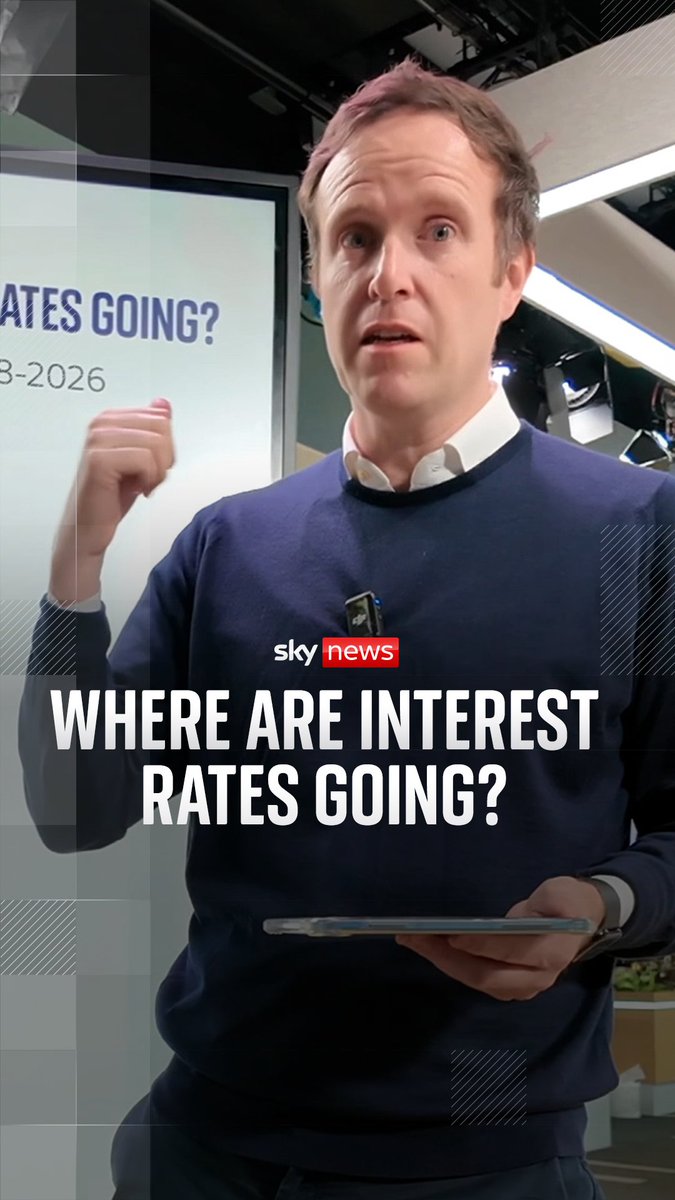
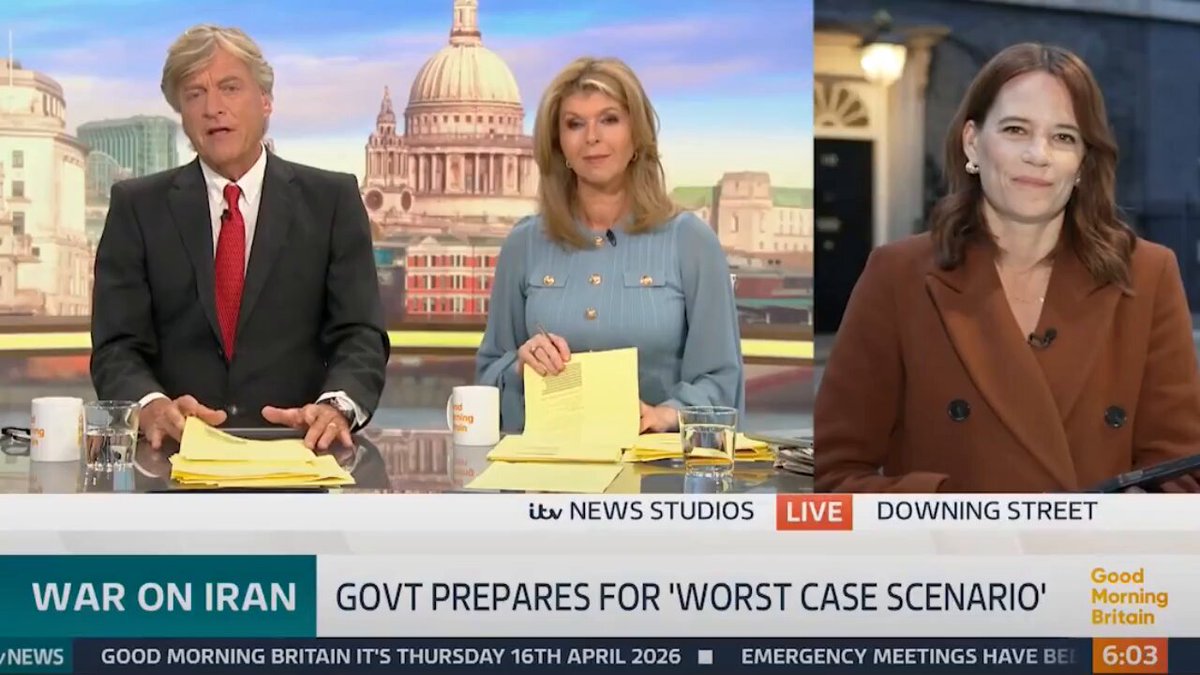
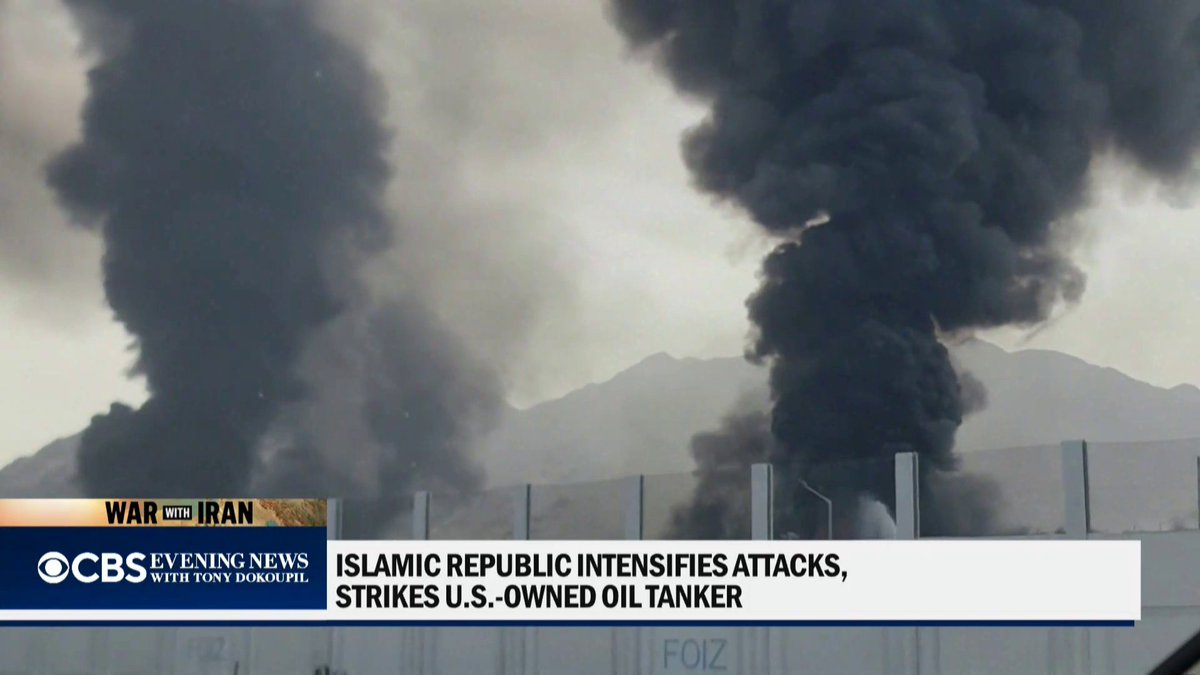
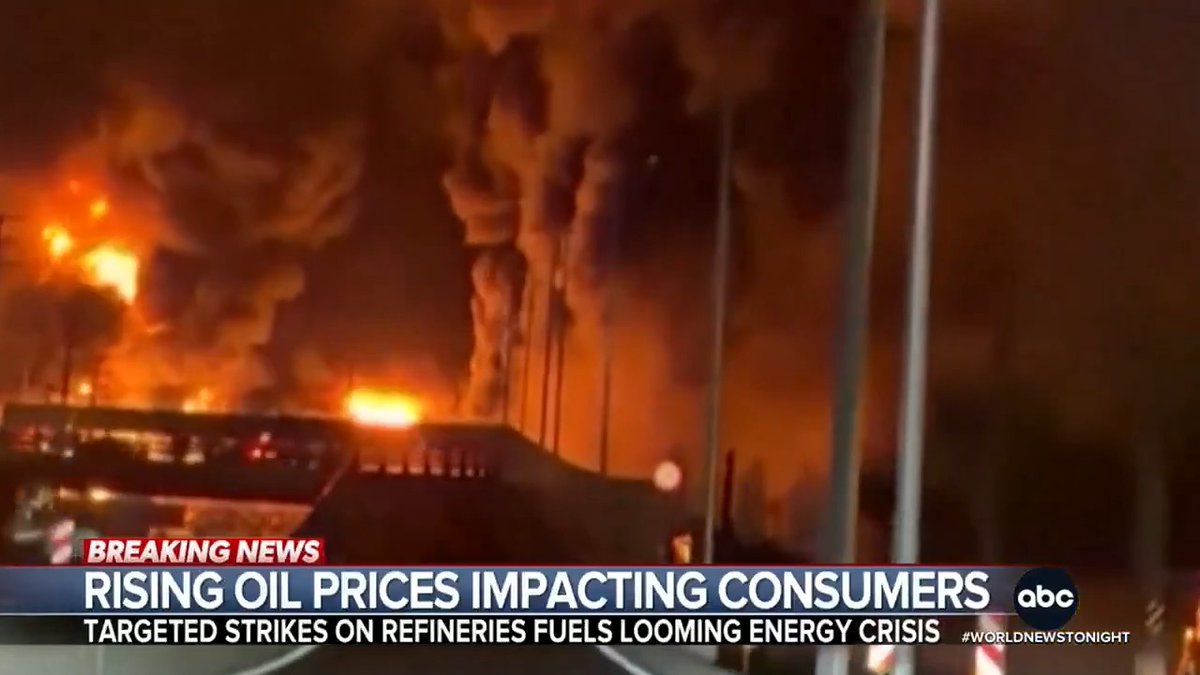
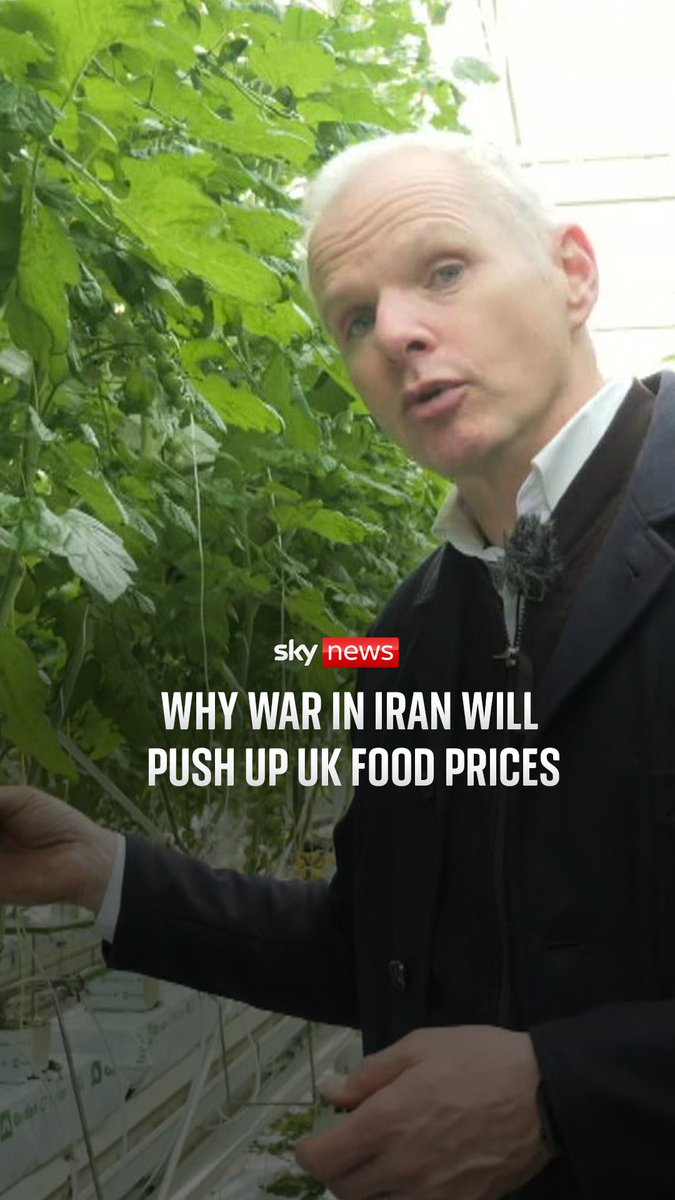
Recent attacks on key energy infrastructure in the Persian Gulf are having major global consequences. Critical LNG facilities have been knocked offline for years, and disruption in the Strait of Hormuz is restricting supply. Gas prices have surged (nearly doubling in the UK), pushing up inflation and shifting expectations...

23,822 Aufrufe • vor 5 Monaten •via X (Twitter)

0 Kommentare

Keine Kommentare verfügbar

Kommentare vom Original-Post werden hier angezeigt

Ähnliche Videos

‼️🇪🇺🇮🇷 The closure of the Strait of Hormuz has triggered a massive energy crisis for the European Union, choking off vital liquefied natural gas supplies and plunging Europe's imports to their lowest seasonal levels since 2021. Due to the catastrophic blockade in the Persian Gulf, global energy flows have been severely disrupted, forcing European LNG imports down by a staggering 33% year-over-year on a 30-day moving average. As Gulf supplies remain entirely trapped behind the bottleneck, desperate Asian markets are aggressively outbidding and rerouting US LNG shipments away from Europe to secure their own energy survival. This rapid diversion of American supply has left the European continent exposed to severe deficits just as global competition for alternative energy sources reaches a fever pitch. This severe supply crunch exposes the critical vulnerability of global energy supply chains and highlights the toxic ripple effects of unpunished geopolitical aggression in vital maritime chokepoints. Just as Russia weaponized pipelines to blackmail the West, hostile actors choking the Strait of Hormuz are actively undermining European energy security. For Ukraine and its European allies, this crisis underscores an undeniable reality: economic stability cannot be separated from global security, and the democratic world must rapidly accelerate its independence from volatile foreign energy corridors while decisively crushing the authoritarian threats that disrupt global trade. See the latest updates with us: Visioner

Visioner

10,463 Aufrufe • vor 1 Monat

🚨BREAKING: Iran is striking major ports and oil tankers in the Middle East and this could trigger a crash in stock markets. The Strait of Hormuz is effectively blocked. Around 20 million barrels of oil per day pass through this route. Nearly 20% of global LNG exports, mainly from Qatar, also move through here. If this route stays disrupted, the impact spreads fast. 1. It could push oil toward $100–$120 per barrel. If that happens, petrol and diesel prices rise globally. Electricity costs also increase in countries that rely on gas. Airlines, logistics companies, and manufacturers all face higher fuel costs. 2. Qatar is one of the world’s largest LNG exporters. If LNG shipments are delayed or blocked, Europe and Asia face tighter gas supply. Power generation costs go up. Governments may need to use emergency reserves again. That’s why some analysts are comparing this to the 2022 energy crisis. 3. Shipping routes are being rerouted around Africa. That adds: 10–14 extra days to deliveries, higher fuel costs, and higher freight rates. Car manufacturers depend on just-in-time parts. If parts are delayed for weeks, production lines slow or temporarily stop. 4. The Gulf region exports key petrochemicals used to make fertilizer. If fertilizer supply tightens, farming costs rise and food prices increase in the coming months. This doesn’t hit instantly, but it builds over time. 5. War-risk insurance costs have reportedly jumped around 50%. For large vessels, that means hundreds of thousands of dollars in extra cost per trip. That reduces trade flow and pushes freight costs higher globally. The UAE has already shut its stock market for two days. Global markets are reacting. This is not just about oil prices moving up. It impacts energy supply, trade routes, inflation pressure, and global growth. If the disruption lasts more than a few weeks, the economic effects will compound quickly.

Bull Theory

1,417,400 Aufrufe • vor 6 Monaten

Twelve days after US and Israeli strikes on Iran, the conflict appears to be heading toward a prolonged and uncertain phase. Did Donald Trump miscalculate Iran’s response? And is Washington now struggling to find a face-saving exit from a war that seems to have no clear endgame? As tensions escalate between Iran, the United States, and Israel, the global economic consequences are becoming increasingly visible. Oil prices have surged and the Strait of Hormuz, one of the world’s most critical energy shipping routes; has become a major flashpoint. Nearly 90% of India’s imported LPG passes through this route, raising concerns about fuel shortages and rising energy costs. Experts warn that the conflict could trigger one of the worst global energy supply crises in decades. In this episode of India & The World on DeKoder, Senior Journalist Nidhi Razdan speaks with former diplomat Jawed Ashraf and political scientist Christopher Clary to examine: • Did the US misjudge Iran’s military and political resolve? • Why does the war appear to have no clear exit strategy? • How are oil markets and global supply chains being affected? • What does this crisis mean for India’s energy security and diplomacy? Watch the full discussion as we DeKode the geopolitical, economic, and strategic implications of a war that is reshaping global politics. #IranIsraelWar #Trump #Geopolitics #OilCrisis #StraitOfHormuz #IndiaEnergy #MiddleEastConflict #IndiaAndTheWorld #DeKoder #IndiaandTheWorld #IranUS #FuelCrisis #WorldAffairs #Trump #LPGcrisis

DeKoder

13,932 Aufrufe • vor 5 Monaten