Загрузка видео...

Не удалось загрузить видео

На главную

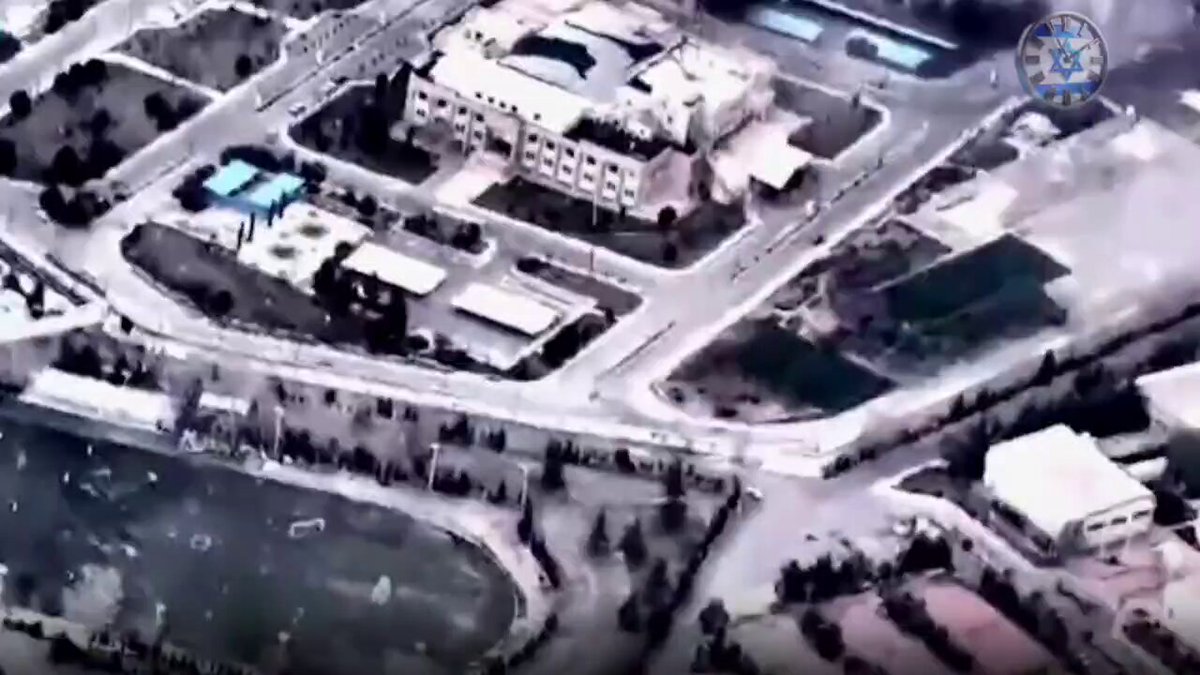
🚨 Reports are emerging of a direct strike in Jordan — potentially making it another country drawn into today’s rapidly expanding confrontation. If confirmed, this would mean multiple sovereign states across the region have now faced missile threats or attacks within hours. The strategic paradox is extraordinary: Israel strikes...

26,742 просмотров • 6 месяцев назад •via X (Twitter)

Комментарии: 0

Нет доступных комментариев

Здесь появятся комментарии из оригинального поста

Похожие видео

Iran just fired missiles at five countries simultaneously. Here is what actually happened to each of them. Bahrain. Confirmed hit on the US Navy Fifth Fleet headquarters. Bahrain’s own state news agency reported the strike. No casualty figures released yet. This is the command center for every American naval operation in the Persian Gulf. It was struck. UAE. Multiple missiles intercepted by Emirati air defenses. One civilian killed in Abu Dhabi from falling debris. The UAE defense ministry confirmed the intercepts. The Emirates just absorbed an act of war on its sovereign territory from a country it shares a maritime border with. Qatar. Missile intercepted. Zero damage. The Qatari Interior Ministry confirmed. The same country Iran just attacked is the country that hosted Al Udeid for twenty years as a gesture of regional balance. That balance ended this morning. Kuwait. KUNA state news agency confirmed missiles were “dealt with” in Kuwaiti airspace. No reported damage. Kuwait, which stayed neutral through every Gulf crisis since 1991, just had Iranian ballistic missiles flying over its cities. Jordan. Two Iranian ballistic missiles shot down by Jordanian military. Confirmed by the Jordanian armed forces directly. Jordan intercepted Iranian missiles in June 2025 as well. That was in defense of Israel. This time Iran targeted Jordan itself. Saudi Arabia. Fars News claims strikes. No confirmation from any Saudi source. No Tier 1 or Tier 2 verification. Either it did not happen or Riyadh is not yet ready to say it did. Both possibilities carry enormous implications. Now understand what Iran just accomplished strategically. In attempting to retaliate against Israel and America, the IRGC fired missiles at six sovereign nations in a single morning. Not one of those nations attacked Iran. Bahrain did not bomb Tehran. The UAE did not launch strikes on Isfahan. Qatar hosted diplomatic back channels. Kuwait maintained neutrality for three decades. Jordan was mediating. Iran just converted every neutral and semi-neutral state in the Gulf into a potential co-belligerent. Every nation whose airspace was violated, whose civilians were killed, whose sovereignty was breached now has legal and political justification to join whatever coalition forms next. And the damage tells the real story. One civilian dead from debris. Intercepts across four countries. No confirmed destruction of any US military asset. No reported American casualties among 40,000 troops in theater. Iran fired at the entire Gulf and the Gulf caught almost everything. Compare this to what Israel did to Tehran this morning. Precision strikes on the IRGC Intelligence Directorate. Explosions near the Supreme Leader’s office. Three detonations in central Tehran confirmed by Iranian state media itself. One side hit what it aimed at. The other side hit one civilian with debris. This is the asymmetry that will define the next 72 hours. Iran demonstrated intent to strike everywhere and capability to hit almost nothing. The Gulf states demonstrated they can defend themselves. And now those states must decide whether the country that just fired ballistic missiles across their borders gets to do it again. They will not let it happen again. Watch for the joint statement. Watch for airspace coordination between Riyadh, Abu Dhabi, Manama, and Kuwait City. Watch for the coalition that Iran just built against itself with a single salvo. Iran did not retaliate against Israel this morning. Iran gave every country in the Middle East a reason to retaliate against Iran.

Shanaka Anslem Perera ⚡

16,728,719 просмотров • 6 месяцев назад

🚨 OPERATIONAL UPDATE: ISRAEL U.S. WAR WITH THE ISLAMIC REPUBLIC - Reporting Window: Last 24 Hours ✳️The war is entering its final phase, but the battlefield is becoming more dangerous, not less. For the first time since the conflict began, the United States has signaled that its objectives against Iran have largely been achieved and that military operations could conclude within 2 to 3 weeks. At the same time, the operational picture tells a more complex story. Strikes inside Iran are intensifying, not slowing. Iran’s responses are becoming less concentrated but more geographically expansive. And across the region, the risk of broader escalation remains very real. This is no longer an open-ended war. It is a race between final military objectives and the risk of wider regional destabilization. ━━━━━━━━━━━━━━━━━━ 🏁 POLITICAL ENDGAME SIGNAL EMERGES President Donald Trump stated that the war could end within weeks, indicating that core objectives have been achieved, including the degradation of Iran’s strategic capabilities and the disruption of its leadership structure. He also signaled that the United States does not intend to remain indefinitely engaged, suggesting that responsibility for securing critical global nfrastructure, particularly the Strait of Hormuz, may shift to regional and international stakeholders. At the same time, tensions with NATO allies are surfacing. Frustration over limited allied participation in the war has raised the possibility of a broader fracture within the Western alliance structure. Parallel reporting indicates that elements within Iran are signaling openness to a ceasefire framework, particularly if maritime access through Hormuz is restored. Taken together, this marks a clear transition: the war now has a defined political end state, even as military operations continue. ━━━━━━━━━━━━━━━━━━ ✈️ FINAL PHASE STRIKE CAMPAIGN INSIDE IRAN The intensity of strikes over the past 24 hours reflects what appears to be end-stage shaping operations. Israeli and US-aligned strikes targeted a wide range of sites across Iran, including weapons production facilities, research and development centers, and critical infrastructure nodes tied to the regime’s military capabilities. Tehran remains a central focus. Approximately twenty military-industrial sites were struck, along with infrastructure at Mehrabad Airport and locations linked to Basij coordination. A senior Quds Force engineering figure, Mahdi Vafaei, was eliminated in a precision strike. His role in developing underground weapons infrastructure across Lebanon and Syria made him a key long-term asset for Iran’s regional military network. Additional strikes hit industrial targets, including steel production facilities and a site identified as supporting materials linked to Iran’s chemical weapons development pipeline. This is not a campaign aimed at symbolic damage. It is a systematic effort to dismantle Iran’s ability to produce, coordinate, and sustain war over time. ━━━━━━━━━━━━━━━━━━ 🎯 IRANIAN RESPONSE AND CIVILIAN IMPACT Iran continues to launch missiles toward Israel, but at a reduced scale compared to earlier phases of the war. Limited salvos were recorded over the past 24 hours, causing injuries and localized damage. One of the most significant developments was the reported use of cluster munitions in central Israel, critically injuring a child and causing multiple casualties. At the same time, Iran appears to be adapting operationally. Rather than attempting large-scale saturation attacks, it is increasingly relying on smaller strikes, drones, and diversified targeting strategies. This does not indicate de-escalation. It reflects an effort to remain operational under sustained pressure. ━━━━━━━━━━━━━━━━━━ 🌍 REGIONAL EXPANSION: THE WAR SPREADS While direct attacks on Israel have become more limited in scale, Iran is expanding the conflict across the region. In the Gulf, infrastructure in Kuwait and Bahrain was struck, including fuel storage facilities at Kuwait International Airport. Fires and damage were reported, adding to a growing pattern of attacks on energy and logistical nodes. A commercial tanker was also struck near Qatar, further extending the conflict into maritime space. These developments mark a continued shift where Iran is targeting not just Israel, but the broader economic and energy architecture of the region. ━━━━━━━━━━━━━━━━━━ 🚢 THE STRAIT OF HORMUZ The strategic center of gravity in this war is now unmistakable. The Strait of Hormuz remains contested, with ongoing disruption to global shipping and energy flows. The United States is actively evaluating options to reopen and secure the waterway, including potential direct military action against Iranian coastal capabilities. At the same time, Gulf states, particularly the UAE, are pushing for a coordinated military effort to ensure the strait is reopened. However, regional positioning remains complex, with some actors balancing public caution and private pressure. Notably, the United States has signaled that it may not take long-term responsibility for securing Hormuz, instead shifting that burden to global stakeholders. The implication is clear: control of Hormuz will determine not only the outcome of the war, but its aftermath. ━━━━━━━━━━━━━━━━━━ 🔥 NORTHERN AND PROXY FRONTS Iran’s proxy network remains active, but increasingly strained. In Lebanon, Israeli strikes continue to target Hezbollah leadership and infrastructure, including the reported elimination of a senior commander in Beirut. Rocket fire persists, but Israeli operations are steadily degrading launch capabilities. In Yemen, the Houthis have formally entered the fight against Israel and are likely contributing to the expanding pattern of regional attacks, including those affecting Gulf infrastructure. Across Iraq and Syria, Iranian-aligned militias remain engaged, while underlying instability continues to create openings for additional actors. This is now a multi-front conflict, but one in which Iran’s network is under pressure across every axis. ━━━━━━━━━━━━━━━━━━ 🧠 WARFARE EVOLUTION A critical and often overlooked development is the role of advanced targeting systems. Israel is employing AI-assisted capabilities to identify threats, prioritize targets, and synchronize strikes across multiple theaters in near real time. This has significantly compressed the operational cycle, allowing for rapid follow-up strikes and reduced recovery time for Iranian forces. The result is a battlefield environment where Iran has less time to act, less time to adapt, and fewer opportunities to rebuild degraded capabilities. ━━━━━━━━━━━━━━━━━━ 📊 THE BIG PICTURE The trajectory of the war is now coming into focus. The United States and Israel are executing a campaign designed to dismantle Iran’s ability to function as a coherent military actor. Iran, in response, is expanding the conflict geographically in an attempt to impose broader costs. At the same time, political signals indicate that the war is approaching a defined end state. Markets are already reacting to this expectation, with oil prices declining and global indices rising on the assumption that the conflict may soon conclude. However, the final phase carries its own risks. As Iran’s conventional capabilities degrade, its reliance on asymmetric and regional tactics is increasing. The decisive question is no longer how the war is fought day to day. It is whether the final objectives can be secured before broader escalation overtakes them. ━━━━━━━━━━━━━━━━━━ 📘 BOOK RECOMMENDATION If you want a deeper understanding of the history, narratives, and strategic realities behind this conflict: Contested Land, Uncontested Truth This book breaks down the ideological, geopolitical, and historical forces that led directly to moments like this, with clarity and evidence. 👉 If you found this report valuable, share it. Follow for daily operational updates.

Inside_Israel_Intel

60,835 просмотров • 5 месяцев назад

Here's what you missed over the weekend in the ongoing conflict in Iran. Get caught up below👇 🚨 OPERATIONAL UPDATE: ISRAEL U.S. WAR WITH THE ISLAMIC REPUBLIC - Reporting Window: 3/27 - 3/30 *⃣ Israel sustained a wide strike campaign inside Tehran, targeting missile production, air defense systems, and core regime infrastructure in the capital. *⃣ The IAEA confirmed Iran’s Khondab heavy water facility at Arak is no longer operational after Israeli strikes, marking one of the clearest verified hits to nuclear-linked infrastructure. *⃣ Iran continued missile attacks into Israel, including impacts near the Neot Hovav industrial zone that caused fires and industrial disruption without mass casualties. *⃣ The Houthis in Yemen officially entered the war, launching ballistic missiles and drones toward Israel and signaling continued attacks. *⃣ The Gulf front intensified, with damage to infrastructure in Kuwait and sustained pressure tied to the Strait of Hormuz and regional energy systems. *⃣ The United States is now weighing escalation options tied to Iran’s enriched uranium stockpile while maintaining a public posture of diplomacy. ━━━━━━━━━━━━━━━━━━ ✈️ STRATEGIC AIR CAMPAIGN OVER IRAN Israel’s campaign seems to have shifted from targeting regime objectives and symbols, like Basij headquarters, to industrial and military complex infrastructure. This is likely due to a prioritization to degrade the long term capabilities of the regime should the conflict end before regime change objectives can be achieved. Sustained strikes across Tehran, combined with the confirmed disabling of the Arak heavy water facility, show a shift toward dismantling Iran’s military and nuclear backbone. This is now a campaign against production, command, and regeneration capacity. Power disruptions and secondary infrastructure damage across Tehran reinforce that this is expanding beyond military sites into the broader ecosystem that sustains the regime’s ability to fight. This is not a temporary degradation effort. It is structural. ━━━━━━━━━━━━━━━━━━ 🚀 IRANIAN ATTACKS ON ISRAEL Iran is still firing. But the pattern has changed. Missile attacks continue across Israel, including impacts in the south and repeated alerts across multiple regions. The strike near Neot Hovav fits the current model: disruption, not mass casualties. Launch tempo is down significantly from earlier phases, but the capability remains intact. What matters now is not volume. It’s persistence. Iran can still impose pressure. It just can’t dominate the battlefield in any meaningful way. ━━━━━━━━━━━━━━━━━━ 🟥 YEMEN FRONT: HOUTHIS ENTER THE WAR The Houthis officially joined the war on March 28, launching ballistic missiles toward Israel for the first time in this conflict and signaling continued operations going forward. Since then additional drone launches toward Israel have been reported and intercepted. The group has framed its attacks as part of a unified “resistance front” alongside Iran, Hezbollah, and Iraqi militias. This matters for three reasons: 1. Range and geography - Yemen is over 2,000 km away. These are long-range strikes that stretch Israel’s defensive envelope. 2. Multi-front pressure - Israel is now dealing with Iran (direct), Hezbollah (north), Houthis (south / long-range). That is a true multi-front war. 3. Escalation pathway - The Houthis are not limited to Israel. They sit on the Bab al-Mandeb Strait, one of the most critical shipping chokepoints in the world. If they escalate there, it links directly with Hormuz. This could even further choke critical shipping lanes in the global economy. ━━━━━━━━━━━━━━━━━━ 🌍 GULF / HORMUZ / ENERGY WAR Iran is now fully leaning into economic warfare. Confirmed damage to infrastructure in Kuwait, combined with continued disruption around Hormuz, shows a deliberate strategy: expand the cost of the war beyond Israel. This is not incidental escalation. It is strategic leverage. ━━━━━━━━━━━━━━━━━━ 🇺🇸 POLITICAL / STRATEGIC DEVELOPMENTS The United States is now the pivot. The public posture is diplomacy and de-escalation messaging. The operational reality is that troop deployments are increasing, escalation planning is underway, and uranium-targeting scenarios are under consideration. At the same time, Iran is not signaling compromise. It is mobilizing, expanding proxy activity, and behaving like a regime preparing for a longer war and signaling it can outwait it's adversaries. That gap is now one of the most important dynamics in the conflict. ━━━━━━━━━━━━━━━━━━ 📌 WHAT MATTERS MOST RIGHT NOW ➡️ Israel is systematically dismantling Iran’s military and nuclear-supporting infrastructure, with Tehran now a primary focus. ➡️ Iran still has strike capability, but its attacks are increasingly intermittent but now beginning to be supplemented by proxy fronts in Lebanon and Yemen. ➡️ The Gulf and global energy system are a growing target for the IRGC's war trajectory. ➡️ The United States is positioned between diplomacy and escalation, with the ability to decisively shift the war if it acts. Bottom line, this is no longer just Israel vs Iran. It is now: Iran, Hezbollah, Houthis VS the US, Israel, Gulf States, and the global economy.

Inside_Israel_Intel

39,012 просмотров • 5 месяцев назад

Israel Has Hit Nearly Everything It Planned To. Now What?... 🚨 OPERATIONAL UPDATE: ISRAEL U.S. WAR WITH IRAN - Reporting Window: Last 24 Hours Israel has now largely completed its preplanned strategic strike package inside Iran, while Iran’s response continues to degrade in scale but not in intent. At the same time, the northern front is heating back up, and regional actors are positioning for what comes next rather than what comes now. ✈️ STRATEGIC AIR CAMPAIGN OVER IRAN Israel has effectively finished its target list. The IDF now confirms that nearly all “vital and strategic” targets have been struck. Over the past 24 hours, operations focused on depth and completeness rather than expansion. Strikes hit a wide geographic spread including Tehran, Shiraz, Kermanshah, and Ahvaz, with particular emphasis on military-industrial infrastructure. Key targets included: *⃣ Approximately 20 weapons production and R&D fa cilities in Tehran *⃣ Mehrabad Airport and adjacent regime-linked infrastructure *⃣ A chemical supply node tied to SPND, Iran’s weapons development apparatus At the same time, Israel continued its shift into economic warfare. The destruction of major components of Mobarakeh Steel, Iran’s largest industrial complex, is not tactical. It is strategic degradation of long-term national capacity. What changed here is straightforward. This is no longer a shaping campaign. This is a completion phase. Israel has moved from identifying targets to executing them, and now toward locking in the strategic outcome. 🚀 IRANIAN MISSILE ACTIVITY Iran is still responding, but the character of that response has changed. In the latest barrage, roughly 10 ballistic missiles were launched in the opening wave. That makes it one of the larger salvos in recent weeks, but still far below earlier peak volumes. Most were intercepted, and physical damage was limited, though civilian impact remains real, particularly through panic, injuries, and indirect casualties. The important distinction is this: Iran still has the stockpile, but not the operational tempo. Its retaliation doctrine remains intact. It continues to mirror categories of targets struck inside Iran, expanding at times to civilian and economic infrastructure in Israel and across the Gulf. But the scale is no longer overwhelming. It is calibrated. 🔥 NORTHERN FRONT: LEBANON ESCALATION While Iran slows, the northern front is doing the opposite. Hezbollah resumed intense rocket fire into northern Israel, including a direct hit in Kiryat Shmona that caused multiple injuries. In response, Israeli operations intensified significantly. In the last 24 hours: *⃣ Over 40 Hezbollah fighters were killed *⃣ A senior Hezbollah commander was eliminated in Beirut *⃣ The IDF began systematically destroying homes used for launch positions and surveillance This marks a clear doctrinal shift. Israel is no longer just responding to fire. It is shaping the battlefield, likely toward a buffer-zone model similar to early phases of Gaza operations. 🌍 REGIONAL AND GLOBAL DIPLOMATIC MOVEMENT Diplomatic activity is accelerating for one reason. The military phase is stabilizing. President Trump again stated that the war is nearing completion, though notably without offering a clear timeline or exit structure. That ambiguity is now a central feature of the conflict’s political layer. At the same time: *⃣ Pakistan has emerged as a potential mediator between the U.S. and Iran *⃣ Gulf and European states are pushing for de-escalation frameworks *⃣ Discussions are increasingly focused on maritime security and the Strait of Hormuz The UAE, in particular, has highlighted the scale of Iranian regional attacks, reporting hundreds of intercepted missiles and drones while framing Iran’s actions as violations of sovereignty and international law. This is no longer just about the battlefield. It is about shaping the post-war order. ⚠️ INTERNAL IRAN PRESSURE Inside Iran, pressure is building across multiple fronts. The economy is entering a wartime shock phase, with inflation rising sharply and essential goods becoming harder to access. At the same time, the regime continues internal crackdowns, including executions tied to earlier protests. There are also signs of instability at higher levels. The reported assassination attempt on former foreign minister Kamal Kharazi adds another layer of uncertainty, whether internal or externally driven. Public trust is eroding. Information control is weakening. The internal environment is becoming more volatile, not less. 🧭 THE BIG PICTURE What changed in the last 24 hours is not the scale of the war. It is the clarity of its trajectory. Israel has largely completed its strategic objectives inside Iran. Iran continues to respond, but at a reduced and more controlled pace. The center of gravity is shifting away from large-scale strikes and toward political positioning. At the same time, the Lebanon front is emerging as the most active and unpredictable theater. 🧠 MY ASSESSMENT This is the phase most observers misread. The war is not ending because Iran has collapsed or because stability has been achieved. It is moving toward an endpoint because the core objectives have been demonstrated. Israel and the United States have shown that they can penetrate Iran at will, dismantle critical infrastructure, and do so without being pulled into a prolonged ground conflict. That changes the strategic equation. Even if the regime remains in place, the message is now unmistakable. Military dominance does not require occupation. Deterrence no longer depends on long wars. And that lesson will not be lost on Iran, Hezbollah, the Houthis, or any actor watching how this conflict unfolded.

Inside_Israel_Intel

129,155 просмотров • 4 месяцев назад

🚨SOMETHING EXTREMELY BAD IS COMING THIS MONDAY!! Most people are still completely UNPREPARED for what could happen next. The Iran conflict is now entering its most dangerous phase yet. Trump has already ordered strikes against Iran in the coming days, according to the WSJ. They will begin as early as this weekend. This will become one of the MOST aggressive bombing campaigns of the entire conflict. And Iran is not waiting. Tehran says it has already prepared a “comprehensive” response if the attacks begin. Read that again. The strikes may already be ordered. The targets may already be selected. And Iran’s retaliation may already be prepared. Now connect the dots: → Trump orders strikes on Iran → U.S. and Israel target energy infrastructure → Iran launches a major retaliation → Gulf oil facilities and U.S. bases come under threat → The Strait of Hormuz becomes the center of the war This is no longer another temporary escalation. This is the setup for a direct U.S.-Iran war. And once the first strike happens, the retaliation loop could become impossible to stop: → Iranian energy facilities are destroyed → Iran attacks U.S., Israeli, or Gulf targets → Oil infrastructure across the region comes under fire → The U.S. launches an even larger response → The entire Middle East moves closer to full-scale war The Strait of Hormuz is already unstable. Saudi vessels have already been attacked. The Red Sea and Bab el-Mandeb are becoming active military zones again. Now Iran’s energy infrastructure could be hit directly. That puts the world’s most important oil routes at risk at the exact same time. But here is the part almost nobody understands. Iran is not promising a symbolic response. It is preparing a comprehensive one. That could mean attacks on: → U.S. military bases → Israeli cities and infrastructure → Saudi and Gulf oil facilities → Commercial tankers → The Strait of Hormuz One successful strike on a major oil facility could send markets into complete panic. And one closure of the Strait of Hormuz could change the global economy overnight. Markets are still acting like this is another headline that will disappear in 24 hours. They may not understand what is happening until oil is exploding and risk assets are already collapsing. Follow and turn notifications on. I’ll post the warning BEFORE the market realizes how serious this is.

Wimar.X

361,594 просмотров • 28 дней назад

🚨 OPERATIONAL UPDATE: ISRAEL U.S. WAR WITH THE ISLAMIC REPUBLIC - Reporting Window: Last 24 Hours Heavy strike activity continued across Iran, while Iran maintained intermittent but still damaging attacks into Israel and across the Gulf. Open-source reporting, civilian footage, and mainstream outlets including The New York Times, AP, The Guardian, Ynet, and The Jerusalem Post all point to the same picture: sustained pressure across multiple fronts with no meaningful slowdown. ━━━━━━━━━━━━━━━━━━ ✈️ INSIDE IRAN The most concrete strike detail in this window is the continued targeting of Iran’s energy and industrial base. Multiple sources, including The Guardian, AP, and Ynet, confirm Israeli strikes on the South Pars gas field, specifically a major petrochemical facility responsible for roughly half of Iran’s petrochemical production. Additional reporting indicates that, combined with prior strikes, a large portion of Iran’s export-linked petrochemical capacity has now been taken offline. This sits alongside continued strikes in and around Tehran, with open-source reporting and local accounts indicating ongoing explosions, air defense activity, and damage to both infrastructure and regime-linked sites. At the same time, Majid Khademi, head of the IRGC Intelligence Organization, was killed in strikes attributed to Israel and the United States. That removes a senior figure tied directly to internal security, intelligence coordination, and regime control. Taken together, this window reinforces what has already been visible: *⃣ Energy and industrial infrastructure are being hit directly *⃣ Senior regime figures remain active targets *⃣ Tehran itself continues to absorb repeated strike activity ━━━━━━━━━━━━━━━━━━ 🚀 IRANIAN STRIKES ON ISRAEL Iran continued to launch missiles into Israel, with the most detailed reporting coming from Ynet and corroborated by open-source imagery and emergency response reports. A cluster munition missile dispersed submunitions across central Israel, creating 20 to 28 separate impact sites across the Tel Aviv metropolitan area. Residential buildings, vehicles, and infrastructure were damaged, and at least one person was wounded. Separately, rescue operations in Haifa confirmed four civilian fatalities after a direct missile strike caused a structural collapse in a residential building. This is consistent with what you’ve already been reporting: *⃣ Iran still has the ability to penetrate defenses at times *⃣ Civilian impact remains real even at reduced launch tempo *⃣ Cluster munitions continue to increase the number of impact sites per strike ━━━━━━━━━━━━━━━━━━ 🔥 LEBANON FRONT Lebanon remained active, though not the central focus of this window. Israeli strikes continued in Beirut’s southern suburbs, targeting Hezbollah positions, with large secondary explosions and visible damage. Reporting from Asharq Al-Awsat and additional regional sources indicates continued evacuation patterns and reduced civilian presence in targeted areas. There is also continued reporting of internal Lebanese tension, with criticism of Hezbollah growing in some areas as strikes expand geographically. This front remains active, but its role in this window is supportive rather than dominant. ━━━━━━━━━━━━━━━━━━ 🌍 GULF AND REGIONAL PRESSURE Iran continued applying pressure beyond Israel, particularly in the Gulf. Reporting from The National indicates Kuwait has now intercepted hundreds of drones and ballistic missiles since late February, with continued targeting of: *⃣ Oil refineries *⃣ Power infrastructure *⃣ Desalination facilities Daily life in Kuwait is continuing, but under persistent alert conditions. This reinforces the broader pattern already established that Iran is sustaining regional pressure even as its direct strike tempo into Israel fluctuates. ━━━━━━━━━━━━━━━━━━ ⚓ HORMUZ AND THE POLITICAL CLOCK The most consequential non-kinetic development remains tied to the Strait of Hormuz. Reporting across The New York Times, AP, and Al Jazeera confirms that the U.S. has again issued a deadline for Iran to reopen the strait, with explicit threats to strike power plants, bridges, and national infrastructure if that does not occur. Iran has responded by signaling it will retaliate if those strikes are carried out. At the same time, there are indications of ongoing diplomatic efforts, including proposals being circulated through regional intermediaries, though none appear close to resolution. ━━━━━━━━━━━━━━━━━━ 📌 WHAT MATTERS MOST RIGHT NOW • Israeli strikes continue to hit energy infrastructure and regime leadership targets inside Iran • Iran maintains the ability to cause civilian damage inside Israel, including multi-impact cluster strikes • Civilian fatalities inside Israel were confirmed in this window • Hezbollah positions in Beirut continue to be targeted • Gulf infrastructure remains under sustained Iranian pressure • The Hormuz deadline remains the clearest trigger for possible escalation ━━━━━━━━━━━━━━━━━━ 🧠 ASSESSMENT The pattern across the war is holding. Israel continues applying pressure across military, industrial, and economic systems inside Iran. Iran continues to respond within its constraints, maintaining the ability to strike while distributing pressure across multiple fronts. The most important variable is not a new development. It is timing. The U.S. has now attached a clear deadline to Hormuz, with specific targets named publicly. If that deadline passes without resolution, escalation will not be gradual. ━━━━━━━━━━━━━━━━━━ 📖 BOOK PLUG If you want the deeper context behind everything you’re watching play out right now, I break it down in: Contested Land, Uncontested Truth It goes beyond daily updates and explains the history, strategy, and narratives shaping this conflict. Continued thanks to Michael W for continuing to contribute to the open-source picture behind these reports.

Inside_Israel_Intel

24,295 просмотров • 4 месяцев назад

‼️🇺🇸🇮🇷 Ceasefire on Paper, Airstrikes in Reality. Is the Gulf Heading Toward Another Crisis? The latest escalation between the United States and Iran shows just how fragile the current ceasefire has become. According to Washington, an Iranian drone strike damaged a commercial cargo ship transiting the Strait of Hormuz, while additional drones were intercepted before reaching their targets. The U.S. described the incident as a direct violation of the ceasefire agreement and responded with precision airstrikes targeting Iranian missile depots, drone storage facilities, coastal radar sites, and military infrastructure. Iran, however, rejects the U.S. narrative and accuses Washington of breaching the ceasefire first. Tehran argues that the American strikes undermine ongoing diplomatic efforts and violate the understandings reached during recent negotiations. Iranian officials have also maintained that they reserve the right to defend their strategic interests in and around the Strait of Hormuz. What makes this situation even more significant is that military escalation and diplomacy are happening at the same time. On one side, American aircraft are striking Iranian military targets while U.S. forces continue intercepting drones over the Gulf. On the other, diplomatic channels have not completely collapsed. Negotiations remain active, suggesting that neither Washington nor Tehran currently appears willing to abandon dialogue despite the ongoing military exchanges. The Strait of Hormuz remains the center of gravity. Nearly one fifth of the world's seaborne oil trade passes through this narrow waterway. Even limited military activity increases insurance costs, shipping risks, and uncertainty across global energy markets. Every drone launch, interception, or retaliatory strike raises concerns far beyond the Middle East. The biggest question now is whether these strikes are intended as a limited show of force or the beginning of another cycle of retaliation. History has shown that both the United States and Iran often combine military pressure with diplomatic engagement. The challenge is preventing isolated incidents from growing into a broader regional conflict. For now, the ceasefire technically exists. On the ground and in the skies over the Gulf, it is being tested almost every day. Do you believe diplomacy will eventually prevail, or are the U.S. and Iran moving toward another major confrontation in the Strait of Hormuz?

Defense Intelligence

14,848 просмотров • 2 месяцев назад

🇮🇱🇺🇸 NETANYAHU MEETS RUBIO IN FLORIDA AS GAZA, IRAN, AND LEBANON TALKS ENTER A DECISIVE PHASE Netanyahu’s meeting with Rubio in Florida is not a courtesy call, it is a critical coordination session ahead of talks with Trump on the next, far more dangerous phase of the Gaza plan. This phase moves beyond ceasefires and exchanges and into questions of governance, disarmament, and enforcement, the points where most peace processes collapse. Washington is pressing to advance a transitional administration for Gaza backed by an international security force, while Israel remains deeply skeptical that Hamas can be neutralized without either full disarmament or renewed military action. The Rubio meeting matters because it aligns U.S. diplomatic muscle with Israeli security red lines before those issues are placed directly on Donald’s desk. At the same time, Lebanon looms large. The Hezbollah ceasefire is holding on paper but fraying in practice, with Israel continuing near-daily strikes to prevent rearmament and Hezbollah resisting meaningful disarmament south of the Litani River. What began as a truce risks sliding back into escalation if timelines slip. Iran is the third, and most consequential, front. Missile exercises, intelligence warnings, and Iran’s continued regional posture are forcing Israel to seek clarity on how far Washington is willing to go, diplomatically or militarily, if Tehran tests the boundaries again. This is where Florida becomes more than a venue. It becomes the hub where Gaza’s future, Lebanon’s stability, and Iran’s deterrence intersect. Netanyahu enters these talks under pressure: domestically constrained, facing elections, and caught between Trump’s push for forward movement and Israel’s fear of unresolved threats regrouping. What emerges from these meetings will shape not just Gaza’s next chapter, but whether the region settles into a fragile equilibrium, or drifts back toward confrontation. This moment will determine who governs, who enforces order, and who absorbs the consequences if the deal unravels. Source: Reuters, Open Source Intel

Mario Nawfal

82,265 просмотров • 8 месяцев назад

🚨🇺🇸🇮🇷 U.S-ISRAELI STRIKES ON IRAN: MAJOR COMBAT, MAJOR CONSEQUENCES The Middle East just crossed a line it may not be able to uncross. After coordinated strikes by the United States and Israel on Iranian targets, including the compound of Supreme Leader Ali Khamenei, Trump declared the start of “major combat operations” and openly urged Iranians to “take over your government.” Iran answered within hours, launching missiles toward Israel and U.S. military installations in Qatar, Kuwait, Bahrain, and the UAE. Airspace across the region shut down. Hundreds of flights were grounded. Sirens wailed throughout Israel. Smoke rose near the U.S. Navy’s Fifth Fleet base in Bahrain. Even Dubai, usually insulated from frontline chaos, felt the spillover. Netanyahu framed the assault as removing an “existential threat.” Washington insists Iran cannot be allowed to develop a nuclear weapon. Tehran denies pursuing one and now vows “crushing retaliation,” declaring all U.S. bases in the region legitimate targets. And just like that, deterrence becomes escalation. Calling on Iranians to overthrow their government may sound bold, but history is littered with examples of foreign pressure strengthening the very regimes it seeks to topple. Nationalism hardens. Hardliners consolidate. Internal dissent gets crushed under the banner of resisting outside aggression. Meanwhile, regional allies are uneasy. The UK has distanced itself from the strikes. European leaders condemn Iranian retaliation but stop short of endorsing Washington’s escalation. Gulf states now face direct missile threats on their soil. This is how regional conflicts become global crises. The stated goal is to stop a nuclear Iran. The risk is a multi-front war stretching from Israel to the Gulf, pulling in proxy forces, global powers, and energy markets already on edge. While “major combat operations” are easy to announce, they’re much harder to contain.

Mario Nawfal

438,747 просмотров • 6 месяцев назад

‼️ Lebanon Under “Eternal Darkness”: Massive Israeli Coordinated Strikes Across the Country Lebanon witnessed a massive, coordinated wave of Israeli strikes today, including direct hits in central Beirut. This appears to be one of the largest single waves of attacks on the country in decades. Strikes have hit multiple areas across: •Beirut and its southern suburbs •Southern Lebanon •The Bekaa Valley and Baalbek region Locations in the capital include densely populated neighbourhoods such as Corniche al-Mazraa, Musaytbeh, Basta, Ain el-Tineh, Hay el-Lija , Manara, & others, alongside additional strikes in surrounding areas including Choueifat, Aramoun, & Bchamoun. Across the south & Bekaa, dozens of towns & cities have also been targeted in a wide geographic spread. The scale, simultaneity, and distribution of these strikes point to a highly coordinated operation carried out across multiple fronts at once. Lebanon’s Health Minister says hospitals are overwhelmed, with over 350 casualties reported across the country, including both killed & injured. Let that sink in over 350 within a spate of 10 minutes. Israeli media reports the operation has been named “Eternal Darkness,” & military leadership has confirmed that strikes against Hezbollah will continue under this campaign. At the same time, conflicting signals are emerging around the ceasefire. Israeli officials say there will be no halt to operations in Lebanon, while Iran, despite agreeing to a two-week pause with the United States, has warned it may respond if attacks on Lebanon continue. This suggests the ceasefire may be partial, not comprehensive, with the risk of escalation still very much present.

Hala Jaber

50,004 просмотров • 4 месяцев назад

🚨 The last 24 hours didn’t change the war in Iran. They clarified where it’s heading. *⃣ Israel struck inside Tehran again, with the IDF confirming a wide wave targeting regime infrastructure in the capital. Open-source reporting points to repeated explosions in western Tehran’s Chitgar area, including sites linked to IRGC aerospace activity, with indications of deeper penetration into command and operational systems. *⃣ Iran launched multiple coordinated barrages into central Israel, triggering nationwide alerts across Tel Aviv, Jerusalem, and the coastal plain. A ballistic missile struck a residential area, while cluster munitions and interception debris caused localized damage and light injuries across multiple locations. *⃣ The U.S. paused energy-site strikes while preparing escalation options, extending the timeline for targeting Iran’s energy infrastructure while weighing deployment of up to 10,000 additional troops and potential expanded operations. Over the last 24 hours, the battlefield didn’t shift in a dramatic new direction. But the trajectory became clearer. Inside Iran, the campaign is now visibly centered on Tehran itself, not just peripheral military sites. Repeated strikes in western districts and areas associated with IRGC aerospace infrastructure point to a focused effort to degrade missile and operational command capabilities. Additional reporting suggests targeted eliminations remain part of the campaign, though confirmation remains mixed. On the Israeli side, Iran demonstrated it can still impose disruption at scale. The latest attacks included multiple waves in a single day, with at least one confirmed impact in a residential area and additional injuries caused by shrapnel and cluster dispersal. The operational effect is less about mass casualties and more about sustained pressure on Israel’s civilian core. The diplomatic picture also became clearer, not because of progress, but because of contradiction. Washington has paused strikes on Iran’s energy infrastructure for 10 days while pushing for a deal, even as Tehran denies requesting the pause and rejects key elements of the U.S. position. At the same time, Iran appears to be selectively modulating pressure in the Strait of Hormuz, allowing limited passage in what U.S. officials have framed as a gesture, even as broader threats to Gulf energy infrastructure remain in place. At the same time, the U.S. is preparing for the opposite outcome. Planning continues for additional troop deployments and potential escalation scenarios, including operations targeting Kharg Island, the terminal responsible for the majority of Iran’s oil exports. Control of that node would directly threaten the regime’s primary revenue stream, but would also carry significant risk of wider regional retaliation. Israel, for its part, appears to be acting on the assumption that its window is limited. Reporting indicates directives to accelerate strikes against Iran’s military-industrial base, including missile and drone production, before any diplomatic outcome can constrain operations. Put together, the signal is this: ➡️The war is not expanding dramatically right now. It is tightening. ➡️Israel is pushing deeper into the infrastructure that sustains Iran’s military capability, now centered on Tehran. ➡️Iran is relying on intermittent but still disruptive strikes that continue to reach Israel’s population centers. And the United States is positioning between negotiation and escalation at the same time, preparing options that could decisively shift the war if chosen. ➡️The gap between what Washington says is happening and what Tehran is willing to accept is now as important as the fighting itself. **Special thanks to Michael W for his continued contribution to the open-source intel picture behind these updates. If you aren't already, you need to give him a follow!

Inside_Israel_Intel

128,925 просмотров • 5 месяцев назад