Загрузка видео...

Не удалось загрузить видео

На главную

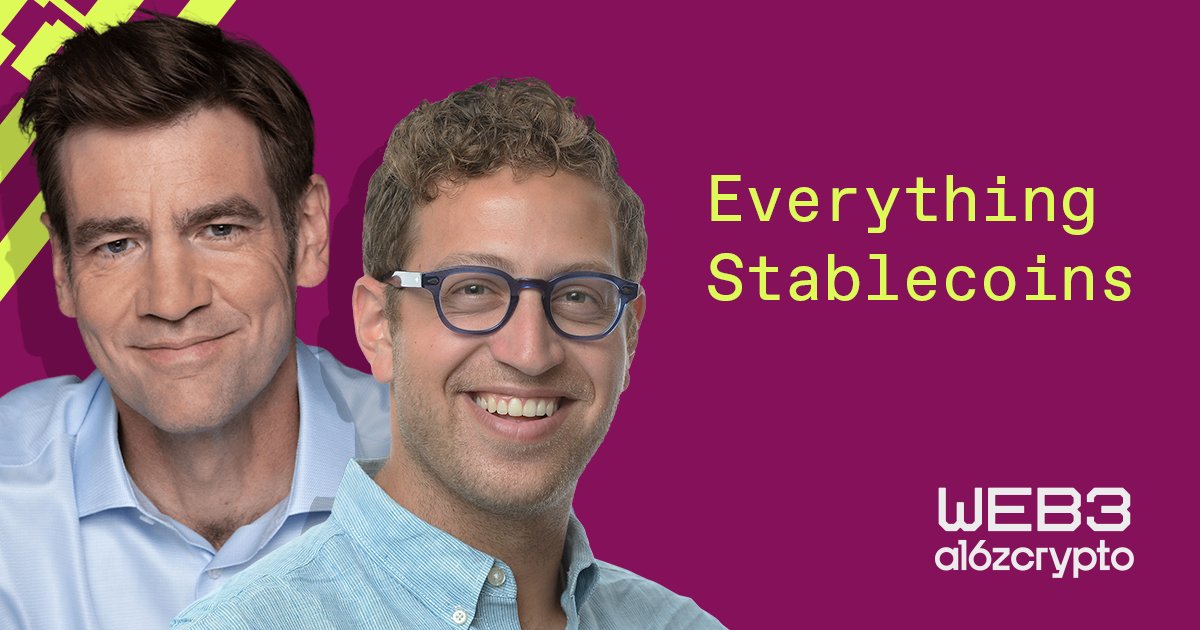
Sam Broner says that stablecoins are just the first step. "If stablecoins win, everybody succeeds. Once I'm paying every day, there's a lot of services that want to move onchain due to that gravity." "Identity is the most obvious. Then social networks begin to form on top of that....

39,877 просмотров • 6 месяцев назад •via X (Twitter)

Комментарии: 0

Нет доступных комментариев

Здесь появятся комментарии из оригинального поста

Похожие видео

"Every team wants to win a championship, but not every team wants to do the things required for a championship. And here's the thing: it's easy to be an average team. It doesn't require a lot. It's less adversity to be average in the world. The consequences of being average aren't easy. We end up wearing them. There's strain and struggle that comes with that too. The standard is just lower to be an average team. To be a championship team, to be champion, to be a championship team member here . . . I'm not gonna lie to you . . . I'm going to tell you the truth. It is harder. It is. The question is: Is it worth it? Some people say, "Oh it's not harder work." Yes it is. It's harder work. You can pursue comfort or you can pursue excellence. If we pursue comfort, we gotta give up some excellence. But if we pursue excellence, then we're just going to face more adversity. Everyone who's ever accomplished something excellence has had to overcome it. We are here today for a reason. Two reasons actually. Reason #1 is let's make sure that we identify and realize the opportunities that are in front of us. Reason #2 is let's make sure that we are preparing for the adversity that those opportunities require. And just understand: every single time you lever up your opportunities and you identify, "Oh there's something more I can do, more I can achieve. I can get better. I can earn more. I can do this." It's going to be matched with the adversity that comes with it. I want to make sure we are prepared for both of those, so that we're not chasing big opportunities and then getting mad when things start getting harder along the way. Is that fair? Does that make sense?"

Brian Kight

125,742 просмотров • 3 лет назад

Why BlackRock CEO Larry Fink calls Ethereum "The Toll Road to Tokenization" "What he meant by that is assets will be tokenized, people will transact, and then each of those transactions will pay a fee to the Ethereum network. Part of that fee will be burned and decrease the supply of ETH. The other part will be paid to stakers. So it's kind of like a toll road for anyone who wants to transact with tokenized assets." "The first example of product/market fit with tokenization was stablecoins. There are a lot of reasons why a tokenized dollar is better than one on fiat rails. But the big things are accessibility -- it gives people around the world who don't have access to the US financial system access to dollars -- and reducing the friction of settling those transactions. If you've had to send a wire or ACH transfer, it takes days. Stablecoins settle instantly, so it's way more efficient. You've even heard Jamie Dimon come around to the advantages of stablecoins." "Stablecoins are really just tokenized dollars, and then that's going to happen with almost every asset class. Stocks will be next. People are talking a bout tokenizing art and real estate. The theme is 'the tokenization of everything.' And as all of these assets move on chain because more people can access them and the friction of transacting with them is reduced, trillions of dollars of assets will move on-chain... and Ethereum will be the global settlement layer for all of those transactions, and all of those transactions will generate a fee to ETH holders, which is why your ETH will compound."

Etherealize

10,801 просмотров • 5 месяцев назад

Q: What's the secret to building a great product that grows really fast? Paul Graham explains that the secret to growing really fast is to: "start with a small, intense fire." He uses Apple as an example. They started by selling just 500 Apple I computers. Today Apple is the largest company in the world. It's impossible to make something that a large number of people really want when you're just starting out. So you have to find people who want what you're building A LOT. And that's necessarily going to be a small number at first. But that's ok because that's how almost every giant company gets started. PG continues: "You have to know who those first users are and how you're going to get them. Then you're going to sit down and just have a party with those first few users and focus entirely on them and making them super super happy." Another example he draws upon is a startup in a Y Combinator batch making a new mobile email client. Their beta group had one user: Sam Altman. This startup's goal was to just make Sam happy. Sam uses email a lot on the go, knows all of the other email client options, and is super demanding. So they know that if they build a product that makes Sam happy, odds are it will make lots of other people happy too. "One of the things we tell startups in these extreme cases where they can make just one user happy is to act like a consultant. Act like Sam has hired you to make an email app just for him. All you have to do is make Sam happy--it can say 'Sam Altman' at the top of the screen. That's ok! Just so long as Sam would feel bummed if you stopped working on it. That's the test." Ultimately the secret to building a great product that grows really fast is to build something a small group of people love so much that they'd be really disappointed if you stopped working on it. There's lots of important steps to get right after this, but this is the foundation for growth. It's somewhat counterintuitive, but most of the world's largest companies (e.g. Apple, Facebook, etc.) started by building a product that made a small group of people really happy.

Michael McGuiness

890,721 просмотров • 3 лет назад