Video yükleniyor...
Video Yüklenemedi
Sari Azout says the term “artificial intelligence” is a branding error from 1955. LLMs aren't artificial. They're collective intelligence: just better ways of aggregating what humans already know and have made. “Changing your vocabulary can change your reality.” Maybe the fear around AI doesn't come from what it does,... show more

123,988 görüntüleme • 1 yıl önce •via X (Twitter)
10 Yorum

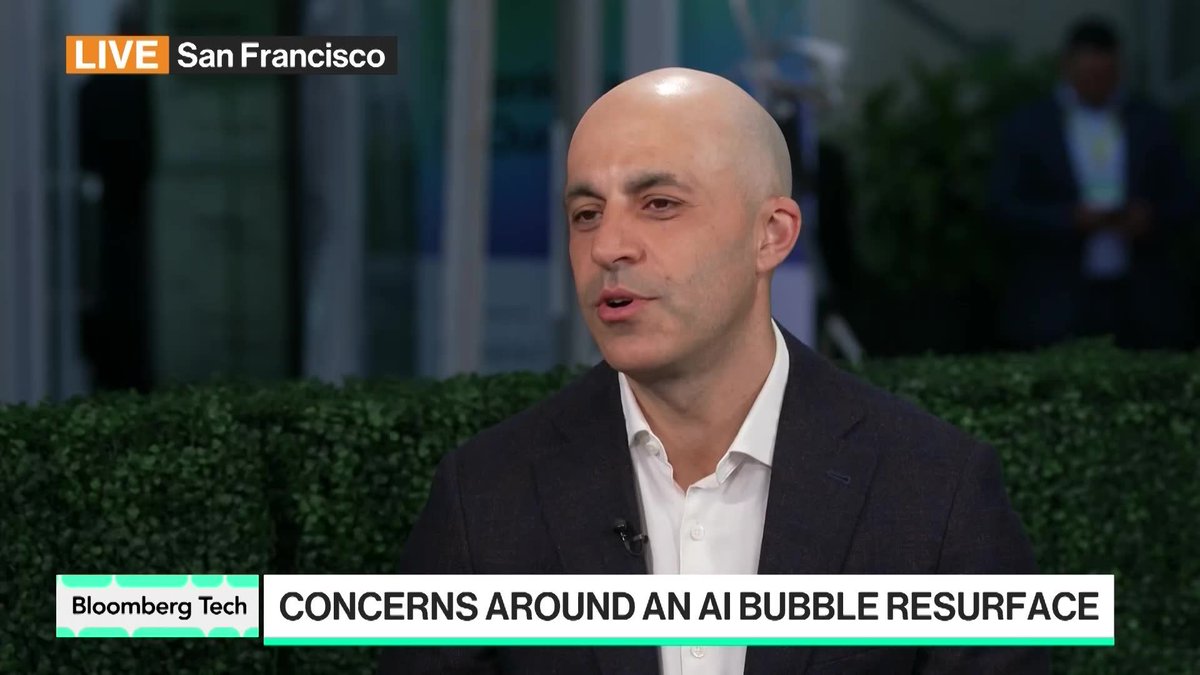
Sublime founder and CEO Sari Azout at Sana AI Summit in Stockholm:

Thinking of AI as "collective intelligence" is technocratic, collectivist horseshit and MUCH scarier than calling it "artificial"
Someone had to say it..

Calling it “artificial” makes it sound like some alien force. But LLMs are just mirrors of us because they are trained on what we’ve written, built, and believed. Maybe we’re just scared of our own reflection. 🤔

Super interesting framing! Like calling a calculator a "math demon" and then being surprised when people fear arithmetic. We built the world's most sophisticated compression system for human knowledge and called it "artificial intelligence" because that sounded cooler in grant proposals. Seventy years later we're still spooked by our own creation because of that marketing choice. LLMs don't generate anything artificial (yet); they're statistical mirrors reflecting back patterns from billions of human conversations, books, and thoughts. Every output is basically humanity talking to itself through a really good filter system. Azout's point about vocabulary changing reality is spot on. Call it collective intelligence and suddenly you're not facing off against a robot competitor - you're collaborating with an amplified version of human knowledge. -- RT & Follow for signal over noise --

Machine Intelligence

Feels more like amplified intelligence than artificial. It's remixing what we’ve already put out into the world. Naming matters more than we think.

I think the word collective Intelligence fits the description of an LLM but the issue that's even scarier than Artificial intelligence. If I hear the word "collective Intelligence" the first thing that strikes into my head is the collective intelligence of everyone and if it means the collective intelligence of everyone, its way more scarier
Collected Intelligence better? (and probably more accurate)

AI isn’t artificial. It’s a remix of all our thoughts, hopes, fears, and Wikipedia edits.