Loading video...
Video Failed to Load
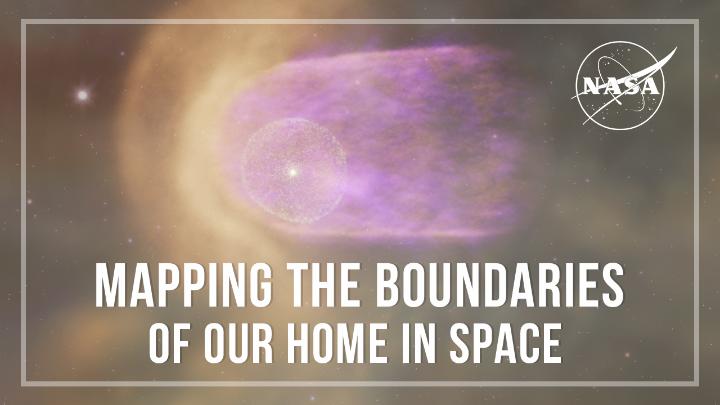
Small things matter for life in Earth's oceans 🌊 By measuring ocean surface features on a smaller scale than previously possible from space, SWOT is helping us understand how waves and eddies carry heat, nutrients, and energy through marine ecosystems.

53,078 views • 1 year ago •via X (Twitter)
6 Comments

How significantly does continental drift affect these patterns? Are they detectable in a human's lifetime?

Continental drift wouldn’t affect these ocean features. It takes millions of years for this kind of movement to reshape an ocean basin, influencing its waves and eddies. Also, the ocean features we’re talking about are way too small to "feel" what the continents are doing.

The U.S. photovoltaic energy sector is booming, and @ACCIONAEnergia is at the forefront! 🌞 With over 2 million solar panels across an area bigger than 1,600 football fields, we're tackling the biggest challenge in our 30 years in renewables ⚡⬇️

One fascinating finding from ocean eddy research: these mini-whirlpools can create isolated "oases" in nutrient-poor waters. When eddies pull up deep, nutrient-rich water, they create temporary blooms of phytoplankton that feed entire food chains in otherwise barren areas. SWOT helps us spot these crucial ocean features.

Fascinating read! @MatthewHarrisX2 always highlights how understanding the details—like these ocean insights—can reveal bigger trends. Great to see SWOT’s impact on tracking energy and nutrient flows. #SmallButMighty

🫶
Related Videos




Sensitive content
Democrat Senator Ben Cardin previously ranted about how the US Capitol was a “sacred space” and is “so much more” than a building while comparing J6 to 9/11. Yesterday, video was released of his staffer having gay s*x in this “sacred space.” … and what did Cardin have to say? Besides announcing the staffer was fired, Cardin simply said: “We will have no further comment on this personal matter.” So much for this “sacred space”!
Collin Rugg
3,996,664 views • 2 years ago