Загрузка видео...

Не удалось загрузить видео

На главную

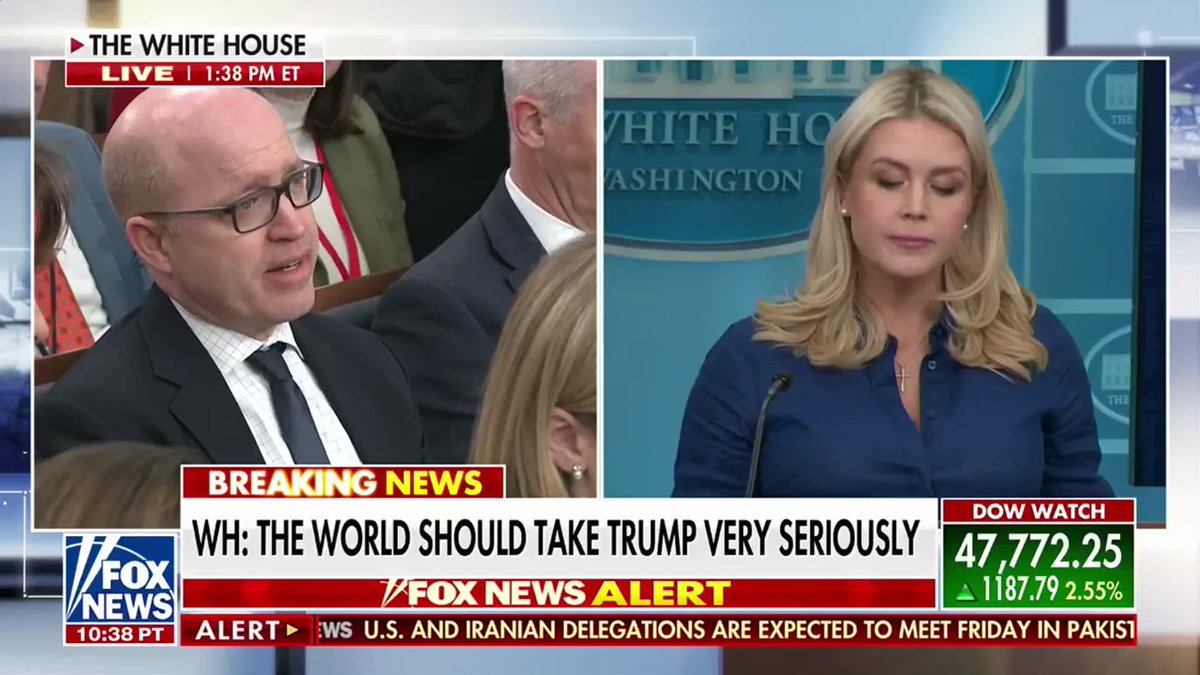
Specialist groups to take technical talks forward 🇵🇰 talks concluded after “constructive” consultations 🇶🇦 joint statement in few hours 🇮🇷 Qalibaf left the venue; Aragchi continued drafting 🇺🇸 Vance had multiple rounds of bilateral and trilateral meetings with mediators & Iran

102,234 просмотров • 1 месяц назад •via X (Twitter)

Комментарии: 0

Нет доступных комментариев

Здесь появятся комментарии из оригинального поста

Похожие видео

⚡️🇺🇸🇮🇷🇮🇱BREAKING: Iran–U.S. Talks in Islamabad as Israel Escalates in Lebanon Rejecting Ceasefire despite Washington Talks. Israeli forces are raiding Nabatieh and attempting ground control in Bint Jbeil, southern Lebanon as the U.S and Iran arrive in Islamabad to hold talks. Iran’s FM Abbas Araghchi says Iran is entering negotiations with “complete distrust,” blaming repeated U.S. failures to uphold commitments, and calling for immediate international action to stop Israeli attacks on Lebanon. He stressed Iran will defend its interests fully. An Iranian delegation led by Araghchi and Parliament Speaker Mohammad Bagher Ghalibaf arrived in Islamabad and met Pakistan’s army chief Asim Munir. Tehran protested U.S. ceasefire violations, noting it agreed to talks on two conditions, release of frozen assets and a Lebanon ceasefire, both reportedly accepted via Pakistani mediation but not yet implemented. Iran has also maintained restrictions on oil tanker passage through the Strait of Hormuz. Talks are set for one day, with possible extension. Reuters, citing a senior Iranian source, reports the U.S. agreed to release frozen Iranian assets, which Tehran sees as a test of good faith and linked to safe passage in Hormuz before any permanent deal however a senior U.S. official told CBS News that Washington has not agreed to release any frozen Iranian assets, denying earlier reports. A Pakistani source told Al Jazeera efforts are ongoing for direct U.S.–Iran talks; otherwise, indirect talks will proceed within the same timeframe. Iran rejects separating Israel from the U.S., holding Washington fully responsible. Meanwhile, Israel says it will not discuss a ceasefire with Hezbollah in upcoming Washington meetings and continues operations in Lebanon. Sources: AlJazeera, Reuters, FarsNews, ISNA.

Suppressed News.

40,458 просмотров • 4 месяцев назад

🚨🇺🇸🇮🇷The talks failed. Here's what actually happens next... Twenty-one hours of historic negotiations ended with Vance walking out and Iran blaming "American greed." But the details matter more than the headline. What actually broke down: Two issues. Iran won't give up Hormuz control or commit to ending enrichment. The U.S. won't unfreeze assets or accept Iranian tolls on international waters. After 21 hours, neither side moved enough on either. What didn't break down: The ceasefire is still in effect. Iran says "negotiations will continue despite remaining differences" and technical experts will exchange documents. Vance left a "final and best offer" on the table. Nobody burned the bridge. They just couldn't cross it today. Pakistan is understandably devastated. The delegation reportedly poured enormous political and diplomatic capital into making this happen. Islamabad locked down a city of two million people, deployed thousands of troops, flew fighter escorts for the Iranian delegation, and put its international credibility on the line. Now it's caught between its defense pact with Saudi Arabia and its role as Iran's mediator, with nothing to show for it yet. The realistic scenarios: Iran quietly accepts the "final offer" within days. The mood swings during talks suggest they were close on some issues. Sometimes walking out is what forces the other side to move. If Iran's economic desperation is as severe as sources inside the talks suggested, the financial pressure may override the political resistance. Pakistan or another mediator brokers a resumption. The clock runs out with no agreement and Trump faces the same decision he faced on April 8th. My read: This isn't the end. The war started because two sides couldn't bridge their differences across a table. It would be tragically fitting if it restarts for the same reason. Source: Reuters, Washington Post

Mario Nawfal

3,007,185 просмотров • 4 месяцев назад

🇮🇷🇺🇸 The ceasefire is less than 24 hours old and it's already being torn apart over Lebanon... Here's the situation. Pakistan announced the ceasefire applied "everywhere, including Lebanon." Iran agreed on that basis. Then Netanyahu called Trump minutes before the announcement and got him to agree Lebanon was excluded. The White House never clarified publicly until it was too late. Vance called it a "legitimate misunderstanding." That's a generous way of describing what happened. Iran entered a ceasefire believing Lebanon was included. Israel entered knowing it wasn't. Someone either miscommunicated or deliberately let Iran sign a deal under false assumptions. The result: Israel launched its largest strike on Lebanon since the war began. Iran is now threatening to withdraw from Saturday's talks and close Hormuz again. Araghchi put it plainly: "The U.S. must choose. Ceasefire or continued war via Israel. It cannot have both." Egypt accused Israel of a "premeditated" attempt to undermine the truce. Iranian news agencies report oil tankers in Hormuz were stopped after the Lebanon strikes. Vance says Israel "offered to check themselves a little bit" going forward. If Iran pulls out over Lebanon, he said, "that would be dumb but that's their choice." This is exactly the pattern I've tracked for 44 days. Every time peace gets close, Israel fills the gap with bombs. The question has always been whether Trump controls Netanyahu or Netanyahu controls Trump. The phone call minutes before the ceasefire announcement answered that question. Source: Axios

Mario Nawfal

1,275,580 просмотров • 4 месяцев назад

🚨 OPERATIONAL UPDATE: TALKS FAIL, PRESSURE CONTINUES - Reporting Window: Last 24 Hours The diplomatic track did not produce a result in this window. After extended, high-level negotiations in Islamabad, the United States and Iran left without an agreement, despite what both sides described as a final round of talks. At the same time, Lebanon remains active, the Strait of Hormuz is still unresolved, and the broader regional pressure structure has not changed. ━━━━━━━━━━━━━━━━━━ 🇵🇰 ISLAMABAD TALKS: FAILED ROUND, NOT A BREAKTHROUGH The most important development in this window is straightforward: • U.S. and Iranian delegations held 21 hours of direct talks • No agreement was reached • Both sides left without accepting terms • Each side blamed the other The core issues did not move: • U.S. demands: nuclear rollback and unrestricted access to the Strait of Hormuz • Iranian demands: sanctions relief, reparations, control over Hormuz, and a regional ceasefire including Lebanon Those positions remain fundamentally incompatible. At its core, this is not just a ceasefire negotiation. It is a negotiation over Iran’s long-term ability to project power: • The U.S. is pushing to dismantle that capability, including nuclear, missile, and proxy elements • Iran is trying to preserve enough of it to remain a regional power Both sides are still signaling willingness to continue talks, but this round produced no progress. ━━━━━━━━━━━━━━━━━━ 🇱🇧 LEBANON: CONTINUED STRIKES, NO LINK TO CEASEFIRE Lebanon remains the most active battlefield and was not affected by the failed negotiations. Israeli strikes continued across southern Lebanon, with reporting confirming: • Multiple strike waves across southern towns • At least 11 killed in recent operations • Continued targeting of Hezbollah infrastructure and positions At the same time, Hezbollah continues: • Intermittent rocket fire toward Israel • Ongoing clashes along the border This reinforces the established fact that there is no operational pause in Lebanon. ━━━━━━━━━━━━━━━━━━ ⚓ STRAIT OF HORMUZ: NAVAL MOVEMENTS AND PARTIAL OPENING The most important operational shift in this window is in the Strait itself. Two U.S. Navy destroyers transited the Strait of Hormuz, tied to planned mine-clearing operations. Three supertankers successfully exited the Gulf, while hundreds remain queued, and Iran continues to signal control and leverage over access. At the same time, the U.S. has now moved beyond signaling: • President Trump announced the Navy will interdict vessels that pay tolls to Iran • He indicated a willingness to impose a de facto blockade of the Strait • The stated objective is to eliminate Iran’s ability to monetize or control passage This creates a new reality: • Hormuz is not fully closed • It is not fully open • It is now becoming an actively contested maritime zone ━━━━━━━━━━━━━━━━━━ 🌍 GLOBAL ENERGY RESPONSE Markets are already adapting to the disruption. • Tankers are rerouting away from the Gulf • U.S. exports are rising toward record levels • Gulf Coast refineries are running near capacity • Major buyers are competing for non-Gulf supply The effect is clear. Iran disrupted supply, the global market began rerouting around it, that does not remove Iran’s leverage. It limits how long that leverage can be sustained. ━━━━━━━━━━━━━━━━━━ 📌 WHAT MATTERS MOST RIGHT NOW • U.S.–Iran talks failed to produce an agreement • Both sides left Islamabad without accepting terms, though talks may continue • Lebanon remains an active battlefield, with continued Israeli strikes and Hezbollah fire • The U.S. has begun direct naval movement through Hormuz, including destroyer transits and upcoming mine-clearing operations • Shipping is partially resuming, but the Strait remains unstable and contested ━━━━━━━━━━━━━━━━━━ 🧠 ASSESSMENT This was a real negotiation attempt. It failed. And the reason it failed is becoming clearer. Iran continues to negotiate as if it holds structural leverage over the outcome. The battlefield suggests otherwise. Its position is weaker than its posture. But it is not without leverage. That leverage is concentrated in two places: • The ability to disrupt Hormuz and global energy flow • The ability to keep secondary fronts, especially Lebanon, active The first creates economic pressure. The second prevents clean diplomatic separation. At the same time, the United States is signaling something equally important: It is willing to test those limits directly. Naval transits through Hormuz are not symbolic. They are the early stages of forcing open the most important pressure point Iran still holds. That is the real signal underneath the headlines. Not just that talks failed. But that both sides are now preparing for what happens if they continue to fail.

Inside_Israel_Intel

22,034 просмотров • 3 месяцев назад