Video yükleniyor...

Video Yüklenemedi

Ana Sayfaya Dön

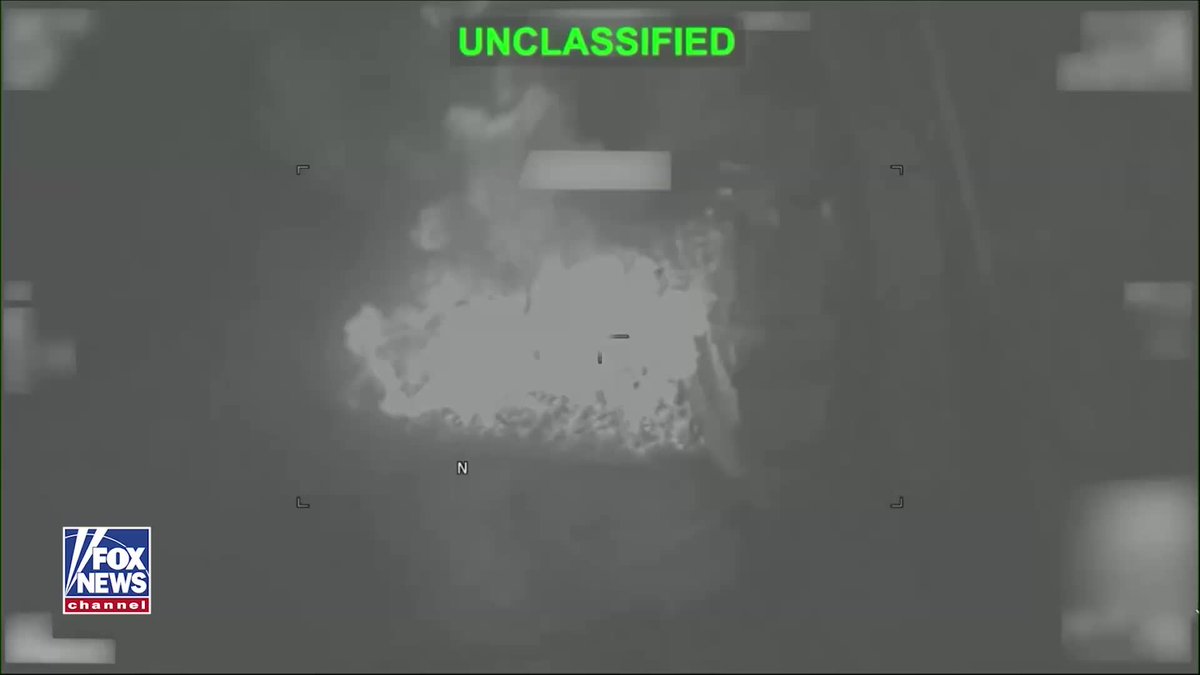
💢 STATEMENT: Iran’s Khatam al-Anbiya Central Headquarters, the joint operational command of Iran’s Armed Forces that coordinates the military and the IRGC, issued a new warning rejecting any U.S. role in the Strait of Hormuz. The headquarters’ spokesperson said: ▪️ Iran “will under no circumstances” allow the U.S. to...

60,857 görüntüleme • 1 ay önce •via X (Twitter)

0 Yorum

Yorum bulunmuyor

Orijinal gönderinin yorumları burada görünecek

Benzer Videolar

💢 “Security in the ports of the Persian Gulf and the Sea of Oman will either be for everyone, or for no one.” Spokesperson for the Khatam al-Anbiya Central Headquarters: 🔹 The armed forces of the Islamic Republic of Iran consider defending the country’s legal rights a natural and lawful duty. Accordingly, exercising Iran’s sovereignty in its territorial waters is the natural right of the Iranian people. 🔹 Based on this, ensuring security in Iran’s territorial waters will continue decisively by its armed forces. As repeatedly stated, vessels affiliated with enemies are not permitted and will not be permitted to pass through the Strait of Hormuz. Other vessels may continue to transit, provided they comply with the regulations set by Iran’s armed forces. 🔹 Given the continued threats against Iran’s people and national security, even after the war ends, Iran will decisively implement a permanent mechanism to control the Strait of Hormuz. 🔹 The restrictions imposed by the United States on maritime movement in international waters are illegal and amount to piracy. 🔹 Iran’s armed forces state clearly and firmly: security in the ports of the Persian Gulf and the Sea of Oman will either be for everyone, or for no one. 🔹 If the security of Iran’s ports in the Persian Gulf and Sea of Oman is threatened, no port in these waters will remain safe. 🎥 Former IRGC Navy Commander Commodore Alireza Tangsiri, assassinated March 26 by Israeli forces.

Drop Site

34,402 görüntüleme • 4 ay önce

🚨🇮🇷🇺🇸 The negotiations over the Strait of Hormuz appear to have reached a critical point. While multi-day talks continue in Oman, Iran struck another commercial vessel in the Strait of Hormuz minutes ago and simultaneously announced that the waterway will remain closed until Washington "corrects its behavior." Iran's Supreme National Security Council has outlined six conditions for reopening the strait: ▪️ An end to U.S. threats and hostile rhetoric against Iran; ▪️ A permanent end to the war and attacks against Iran and its allies in Lebanon, Palestine, Yemen, and Iraq; ▪️ The lifting of the naval blockade and withdrawal of U.S. naval and air forces from areas surrounding Iran; ▪️ Compensation for damage caused by what Tehran calls the "two wars of aggression"; ▪️ The lifting of U.S. sanctions; ▪️ The unconditional release of frozen Iranian assets. "The Supreme National Security Council will never back down, whether in war or in negotiations," the council declared. The latest developments represent a major setback for President Donald Trump's attempt to secure an agreement through the Oman-Iran negotiations and present the reopening of Hormuz as a diplomatic victory. Tehran is now publicly tying the reopening of the strait to demands Washington is extremely unlikely to accept in full. This leaves the United States facing two broad strategic choices: tolerate the continued disruption of the Strait of Hormuz while pursuing diplomacy, or resume military operations in an attempt to force Tehran toward terms acceptable to Washington. Neither option is remotely simple. A renewed U.S. campaign against Iranian energy and military infrastructure could trigger retaliation against energy facilities across the Gulf, potentially causing a severe global energy shock. An even more escalatory option would involve attempts to secure strategically important Iranian islands and coastal positions controlling access to the Strait of Hormuz. Such an operation would require sustained air and naval superiority, ground forces, logistics, and the ability to hold exposed positions against Iranian counterattacks. It would therefore carry enormous military and political risks and could transform the current confrontation into a much broader regional war. Washington still retains overwhelming conventional military advantages, but reopening Hormuz by force is fundamentally different from conducting punitive airstrikes. Tehran's latest demands indicate that the struggle over the strait is increasingly becoming a test of whether U.S. military and economic pressure can compel Iran to compromise without triggering an even larger conflict. See the latest updates with us: Visioner

Visioner

24,623 görüntüleme • 6 gün önce