Video wird geladen...
Video konnte nicht geladen werden
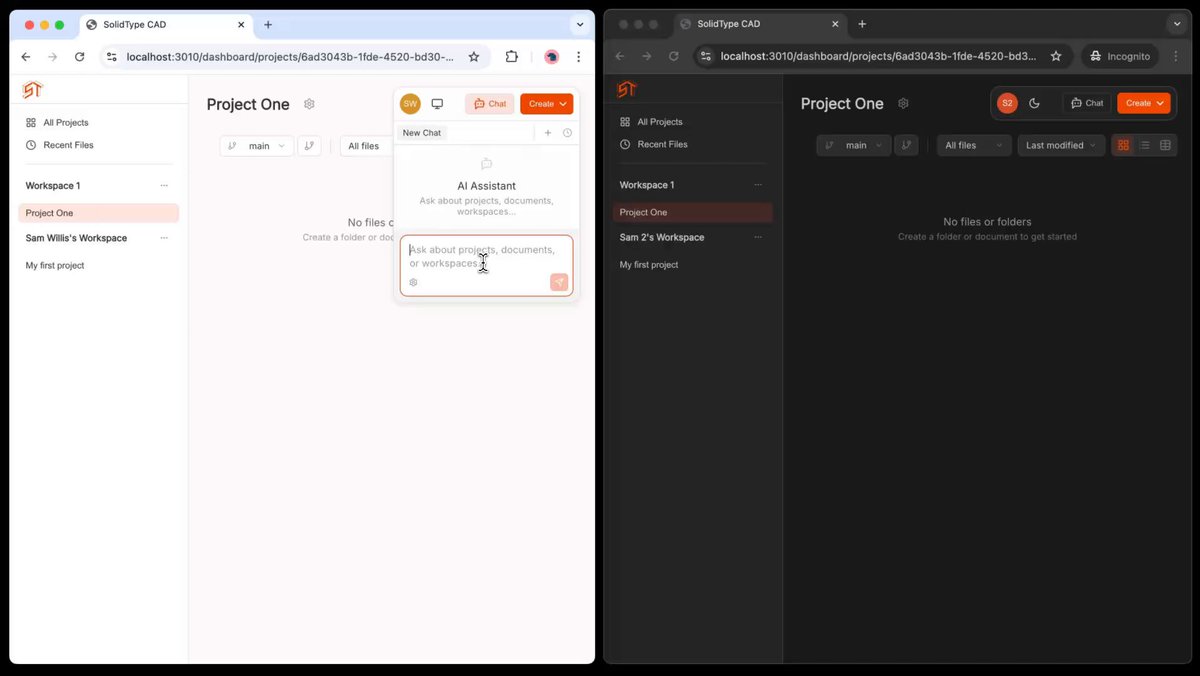
StreamDB - a reactive database in a Durable Stream. Designed for AI apps and agentic session state. You give it a Standard Schema. You get type-safe, multiplexed data sync into TANSTACK DB. Links in the 🧵

22,831 Aufrufe • vor 7 Monaten •via X (Twitter)
10 Kommentare

Blog post:
Agent sessions need state. Tool calls, messages, active generations. User presence, agent registration. In an ideal world you should just be able to declare a schema and have it work.
StreamDB does just that -- wrapping a Durable Stream with a Standard Schema to give you typed, reactive agent state.
You define your entity types — messages, presence, agents, whatever your session needs — as Standard Schema objects. StreamDB routes events into TanStack DB collections, with end-to-end type-safety.
Multiplexing is built in. It's reactive by design. It's durable by design. Everything is multi-user, multi-tab, multi-device and multi-agent out of the box. All reading and writing to the same stream.
Read the docs: Check out the demo app:
Deploy now on Electric Cloud:

@tan_stack how no one implemented this together with the cq from @mozilla ( yet?, to make a data sharing layer between agents real time?

@tan_stack Reactive session state is the part a lot of AI apps end up rebuilding badly. Schema first plus type safe sync makes the stack much easier to reason about. Curious how you handle replay and conflict resolution when multiple agents touch the same session state.

@tan_stack Whats different from durable state? Also, does this persist the data? I remember there was a large discussion of how persistence will be done in tanstack db. Anyways, very exciting. After trying all of the sync solutions out there, durable-* feels super clean