Загрузка видео...

Не удалось загрузить видео

На главную

Tariffs aren’t just policy — they mark a structural shift in the global order. On CNN NewsNight, I explained how 145% tariffs on China signal a break from post-WWII trade norms. Stagflation is the near-term risk. But what comes next — an American industrial revival or a collapse in...

50,488 просмотров • 1 год назад •via X (Twitter)

Комментарии: 11

Фото профиля Taugie84
Taugie841 год назад

@MrShermichael @CNN It was funny to hear Shermichael CRY on CNN tonight about being interrupted and he interrupts everyone else every night he’s on the show. Cry more Shermichael! 🤣🤣

Фото профиля darkcode
darkcode1 год назад

@CNN @abbydphillip @cnni @cnnbrk "Wahhhh I cant get my point across" WAHHHH "JESUS CHRIST" Wahhhhh Wow dude... Wow.... That was like a 4 year old break down. Honestly, id fire you from CNN. On the spot. Get out. "YOURE FIRED" Go cry at home little man.

Фото профиля AnimalLover🐧💥
AnimalLover🐧💥1 год назад

@CNN I'm going to leave this graph right here. Tariffs are taxes on everyday Americans, not corporations or owners. They pass it on to buying public!!

Фото профиля darkcode
darkcode1 год назад

@CNN @abbydphillip Yes you did say a majority of americans.. you talk shit every single day you have new opinion to gas light whoever is stupid enough to listen to you..

Фото профиля Chuckie 🎩🎲Davis
Chuckie 🎩🎲Davis1 год назад

@MrShermichael @CNN @robsmithonline

Фото профиля The Washington Post
The Washington Post1 год назад

Here’s what could get more expensive with Trump’s new tariffs.

Фото профиля Matt Weller CFA, CMT
Matt Weller CFA, CMT1 год назад

@CNN Nice hit KRV!

Фото профиля MakeItMakeSense
MakeItMakeSense1 год назад

@MrShermichael @CNN Boohoo to the guy who cuts off everyone else while they talk. You're a whiney little bitch. Talking over everyone. You're as annoying as Scott Jennings for fuck sake.

Фото профиля Michael
Michael1 год назад

@MrShermichael @CNN lol it’s a tax bur u assholes refuse to say it

Фото профиля Sheila Simmons
Sheila Simmons1 год назад

@MrShermichael @CNN He always talks about black men who voted for Trump. 72% of BLACK MEN did not vote for Trump. Mr Singleton stop posting your false narratives of black men. FYI, a whole bunch of black me are starting to regret their vote.

Фото профиля Delmont
Delmont1 год назад

@MrShermichael @CNN Shermichael to Donald 🤣🤣🤣🤣🤣

Похожие видео

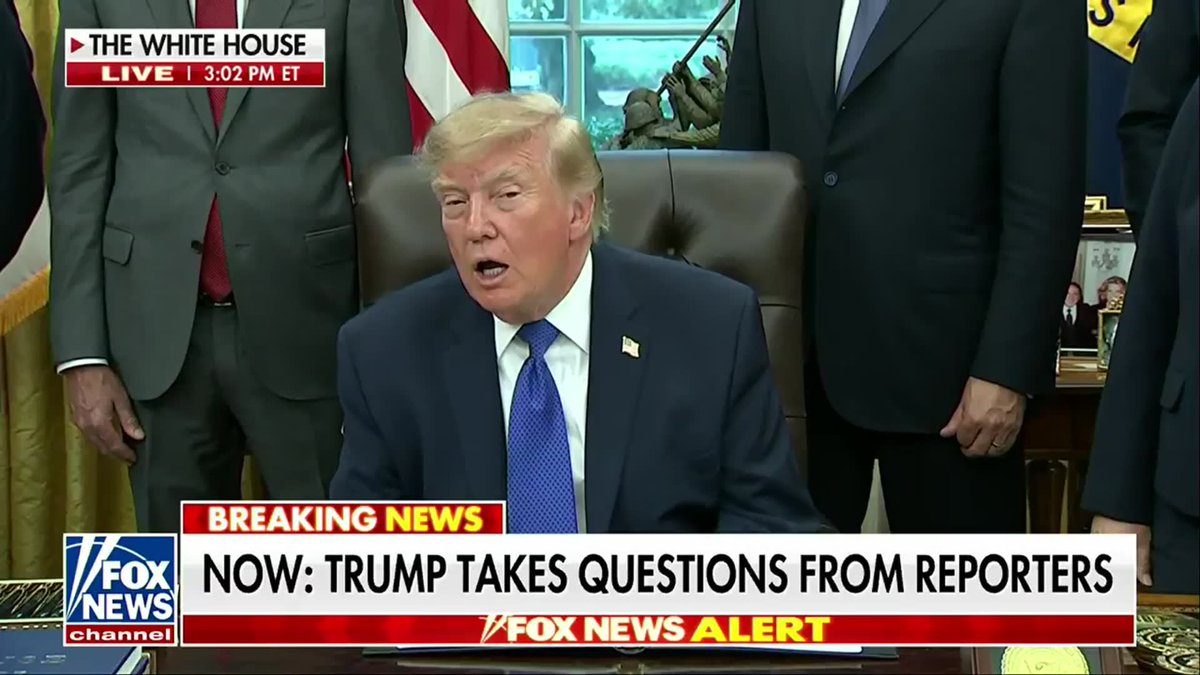
🇺🇸Trump’s Tariff Plan Explained: Destroy or Help The US Economy? Trump describes tariffs as his "favorite word." To understand the concept, think of it like this: Imagine you’re an accountant seeking business referrals. You meet someone who sells auto insurance, and you agree to exchange referrals equally. A month later, you’ve given them five referrals, but they haven’t given you any. You now have a "referral deficit" while they have a "referral surplus." This is similar to a trade deficit versus a trade surplus. Now, on a larger scale, the U.S. has a global trade deficit of $1.1 trillion, meaning it has provided $1.1 trillion more business to other countries than it has received. China, on the other hand, has a trade surplus of $823 billion, receiving more business than it gives. Trump’s use of tariffs is an attempt to address these imbalances and renegotiate trade deals. Tariffs are tools that governments can use to create leverage in trade negotiations. Historically, tariffs have been used as a form of taxation on imports, dating back to the Roman Empire and becoming prominent in the mercantilist policies of the 16th and 18th centuries. Economist Adam Smith, known for his book Wealth of Nations, argued that tariffs can disrupt free trade, but he noted 2 exceptions: protecting industries critical to national security and counteracting tariffs imposed by other nations. These points remain relevant in modern trade discussions. When examining trade surpluses and deficits globally, China leads with a significant surplus, while countries like the U.S., UK, and India experience deficits. Tariffs can serve as leverage to balance these relationships and ensure fair trade practices. Understanding tariffs and trade negotiations is key to grasping how governments seek to protect their economies and industries in a globalized world. Source: Patrick Bet-David , @ValuetainmentTV

Mario Nawfal

322,734 просмотров • 1 год назад