Загрузка видео...

Не удалось загрузить видео

На главную

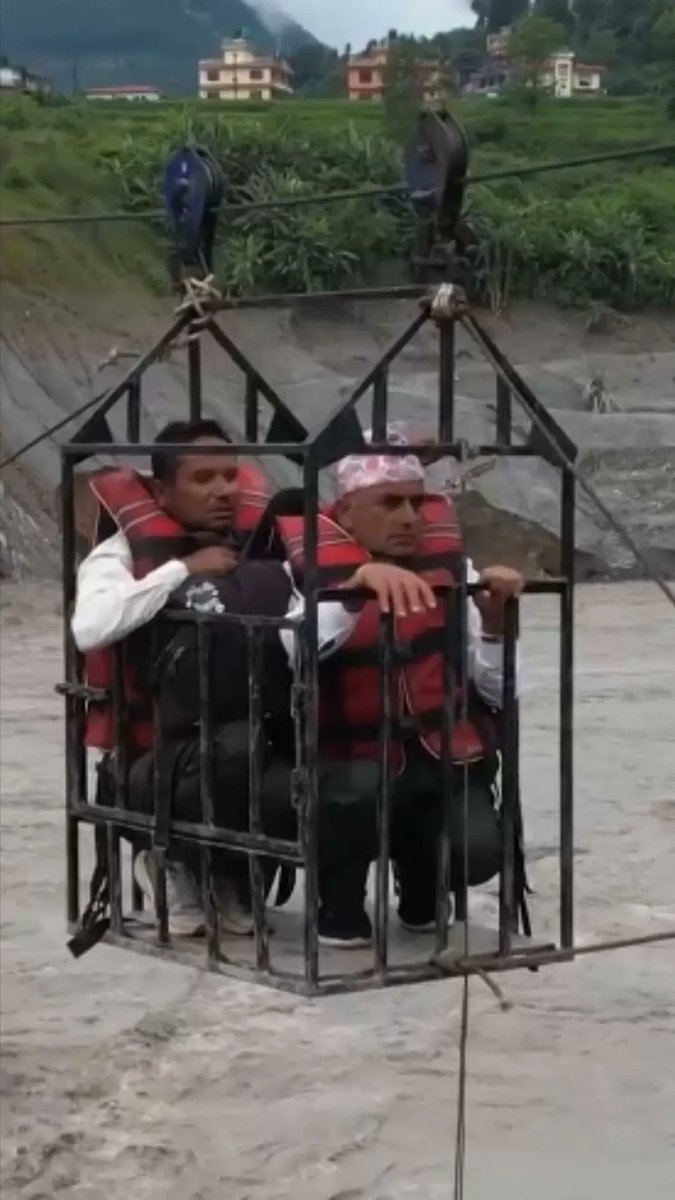
The Dera Beas group has illegally set up permanent structures inside the river. By disrupting the natural flow, they have built a four to five kilometer long embankment and diverted the river towards the Bhulath Mand region. Posing a serious threat to nearby villages. Evidence shows that the Dera...

19,243 просмотров • 9 месяцев назад •via X (Twitter)

Комментарии: 0

Нет доступных комментариев

Здесь появятся комментарии из оригинального поста

Похожие видео

Arterial drainage maintenance works on the River Morningstar at Athlacca, Co. Limerick. These works were completed by the Office of Public Works (OPW) during the period November 2025 to January 2026. I visited the site last week when the machines had already left the site. However, I have been provided with photos showing the works underway. Significant areas of riparian woodland have been removed, and alluvial woodland was also cleared from islands within the river. There is evidence of substantial silt mobilisation and in-stream disturbance. The riverbanks have been destabilised as a result of the removal of trees and other vegetation. Although silt fences are now present, they did not prevent fine sediment and wet soil from entering the channel during the work. Machines tracked instream during the salmonid close season. This damage will affect the river for years to come, and a permanent loss of riparian woodland has occurred. The removal of woodland set back from the riverbank extends well beyond what would be considered to be river maintenance works. The River Morningstar is an important salmonid nursery and spawning tributary of the River Maigue. The lower reaches of the River Maigue form part of the Lower River Shannon Special Area of Conservation (SAC) and the River Shannon and River Fergus Estuaries Special Protection Area (SPA). Works like these are completed under the Arterial Drainage Act (1945). They are supposed to protect against flooding, but in reality, they have the opposite effect. By draining water off farmland too quickly, river works like this increase flood risk in downstream urban areas. This work was completed to protect wet farmland in a natural floodplain. We do need flood mitigation measures - but they need to be effective, sustainable, and based on evidence. In most cases that means slowing the flow of water through natural flood management techniques and restoring floodplains and wetlands to absorb excess water rather than pushing it downstream. We need to reform the Arterial Drainage Act (1945) and recognise the vital role that floodplains, alluvial woodlands and wetlands play in flood management and mitigation. Instead of fighting against nature, we should be working with it to ensure communities are truly protected in the long term. A healthy, functioning river catchment benefits everyone - not just wildlife, but the people who live alongside it too.

Ecofact

204,438 просмотров • 4 месяцев назад