正在加载视频...
视频加载失败
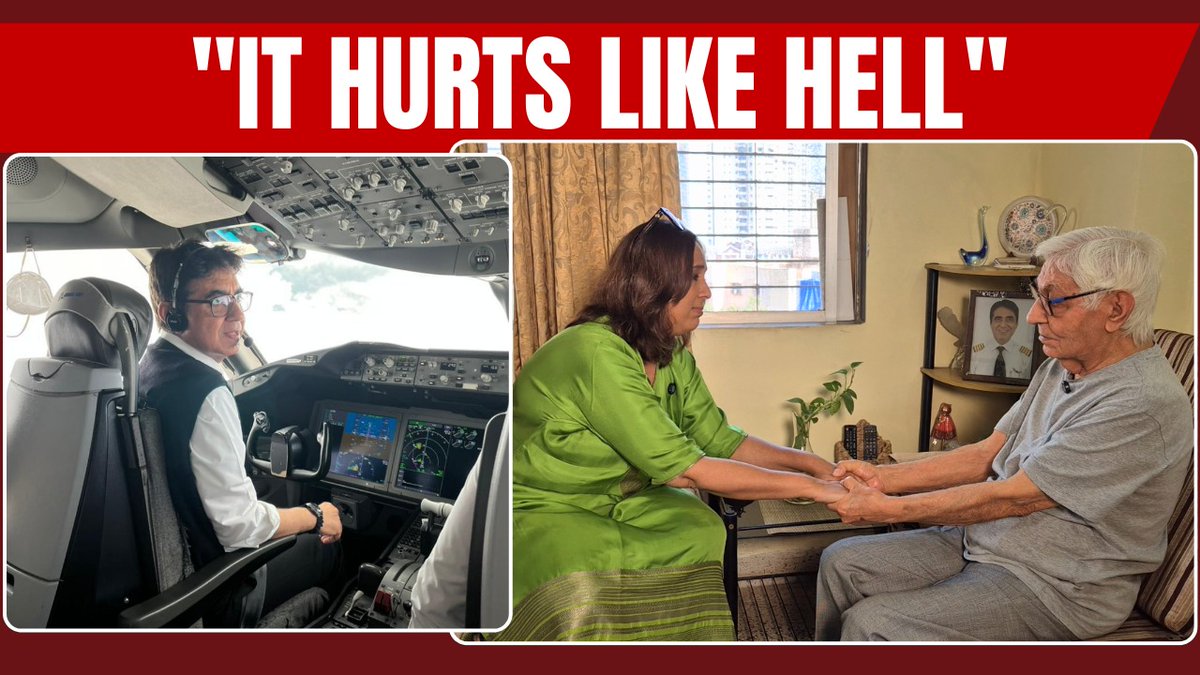
The Engine Start Levers or Fuel Cut off switches (different name, same switches) control the fuel and ignition for the engines. The 787 shares the same switches and very similar logic to the Boeing 737 Max. The switches have been designed in such a way that they require a... show more

149,946 次观看 • 1 年前 •via X (Twitter)
11 条评论

If the preliminary report is accurate, both fuel switches went to Cutoff within .10 of second. I understand the FMS can cycle them to Cutoff if the FMS senses something unusual. Didn't this happen to Nippon Airlines 787 while on a taxi way in 2013? The pilots were surprised when both engines shut down. Was this software glitch ever resolved?

Why not have some electronic measure preventing the fuel from being cut off during take off, with weight of wheels and Gear Down and low altitude. The riskiest part of a flight is Take Off and Landing.

You have a good point

Scan any documents, convert images into text, PDF files, etc. 👍

Interesting it took the pilots about four seconds to cycle each switch after the engines rolled back on the Air India Flight. It takes less than two seconds under normal circumstances to move the levers. Also take not that the data recorder only records the electrical status of the switches and not the physical.

One doesn’t just bump them down. I have operated thousands of them. It takes deliberate action.

Great breakdown. Always appreciated how Boeing designs those levers with deliberate resistance — one of those small but critical safeguards that earns its keep in high-stakes scenarios.

Probably. A similar situation to the crash where in the 90's where the 757 did not, at the time, have a safety measure which undeployed the speed brakes with the throttles go past some amount (like 70-90%)

Except that...

Yea, just one of these is enough

Fuel switches had nothing to do with the Air India crash. Mental health caused the crash…


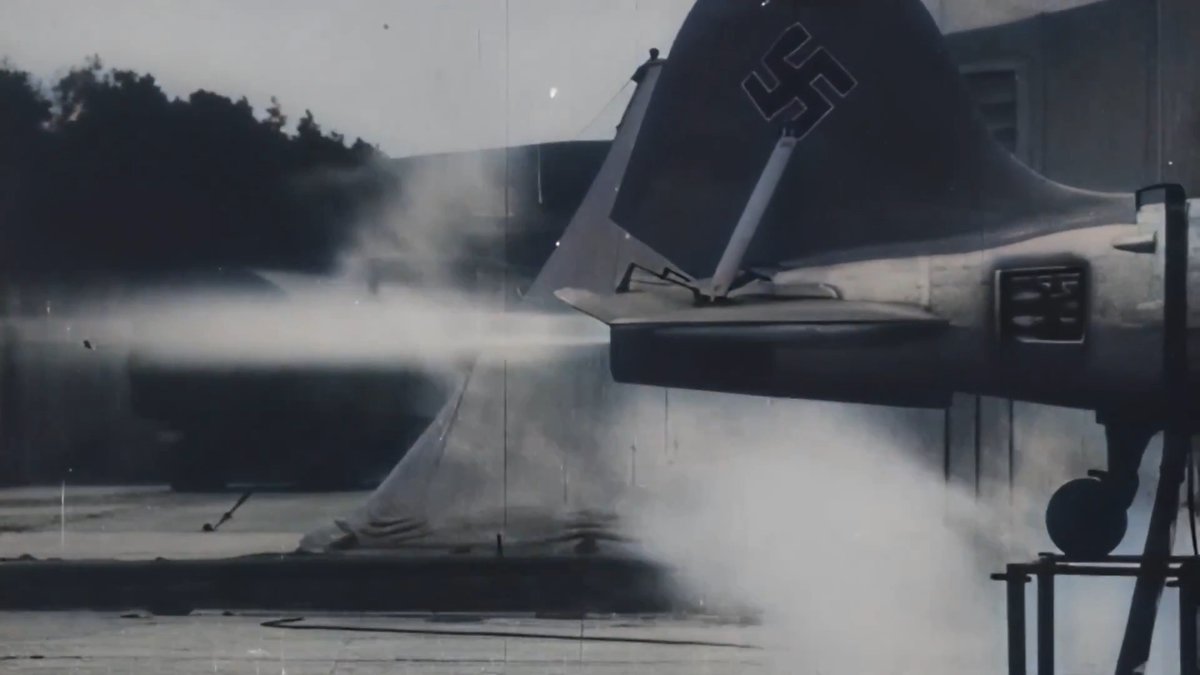
![A preventable tragedy On This Day in 1967: Stockport air disaster (England). A British Midland C-4 [G-ALHG] crashes in Stockport, 72 of 84 aboard die. On a go-around, crew lost control after 2 engines failed. Investigation traced the issues to a known - but never addressed - design issue in the fuel system. More details here by ASN (video is from British Pathé) PROBABLE CAUSE: "The immediate cause of the accident was loss of power of both engines on the starboard side, resulting in control problems which prevented the pilot from maintaining height on the available power with one propeller windmilling. The loss of power of the first engine was due to fuel starvation due to inadvertent fuel transfer in flight. The loss of power of the second engine was due either to fuel starvation resulting from inadvertent fuel transfer in flight or to misidentification by the crew of which engine had failed followed by failure to restore power in time to the engine misidentified as having failed. Contributory causes of the accident were: (a) The design of the fuel valves and location in the cockpit of their actuating levers, so that a failure by the pilot correctly to position the lever by an amount so small as to be easy to do and difficult to recognize would result in inadvertent fuel transfer on a scale sufficient to involve the risk after a long flight of a tank expected to contain sufficient fuel being in fact empty. (b) Failure of those responsible for the design of the fuel system or the fuel valves to warn users that failure by a small amount to place the actuating levers in the proper position would result in inadvertent fuel transfer on a scale involving this risk after a long flight. (c) Failure of British Midland's air crew or engineers to recognize the possibility of inadvertent fuel transfer in the air from the evidence available in previous incidents in flight and contained in the fuel logs. (d) Failure of other operators of Argonauts who had learned by experience of the possibility of inadvertent fuel transfer in flight to inform the Air Registration Board, the Directorate of Flight Safety of the Board of Trade or its predecessors, or the United Kingdom Flight Safety Committee of the facts which they had learned so that these might be communicated to other operators of Argonauts and other aircraft equipped with similar systems and fuel cocks."](https://image.24vids.com/tw-2062414198571753810/ext_tw_video_thumb/2062414179756044288/pu/img/r5FK9y-e8pi1UUFi.jpg)