Video wird geladen...

Video konnte nicht geladen werden

Zur Startseite

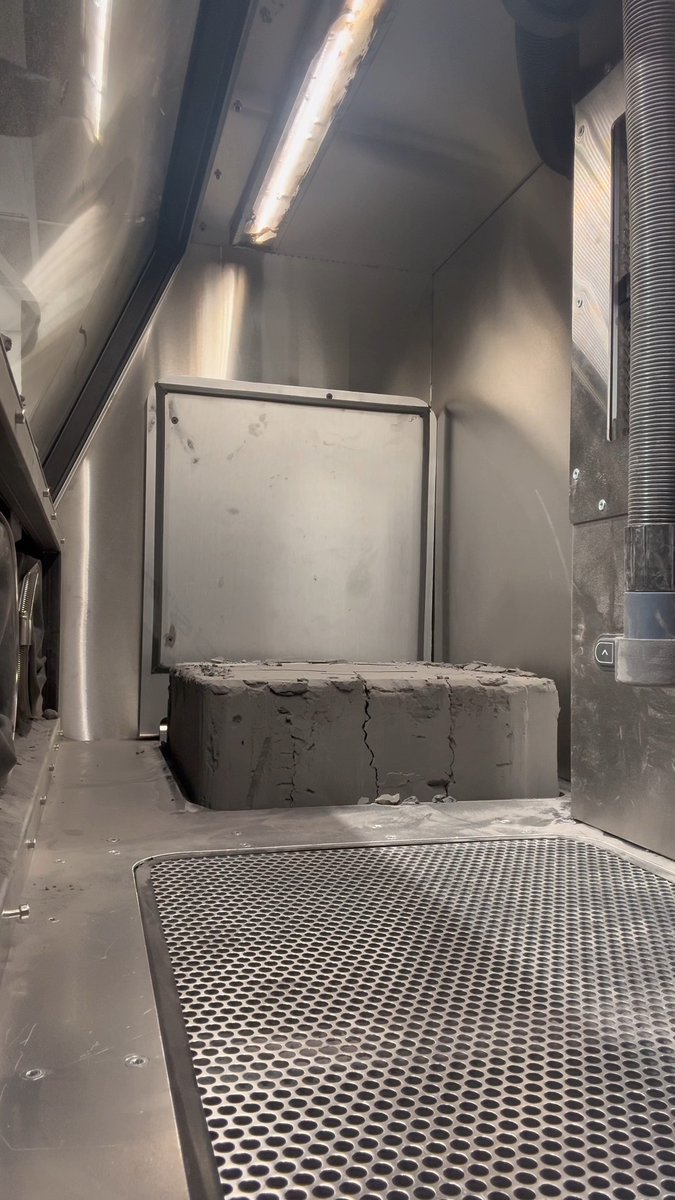
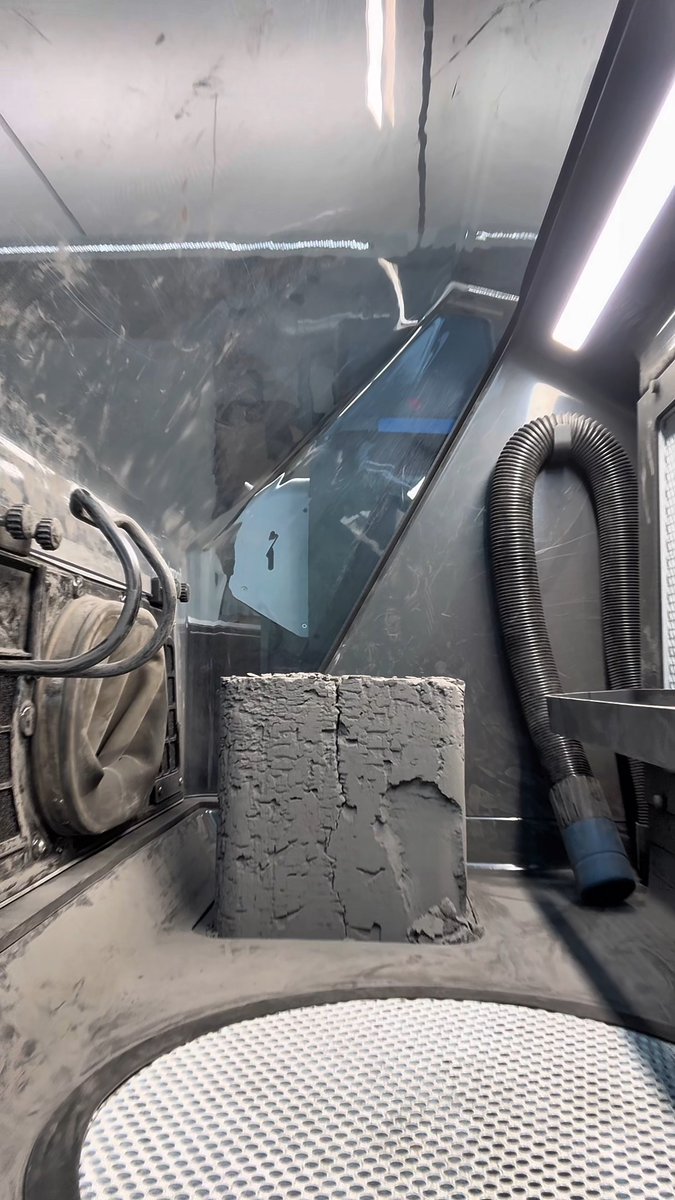
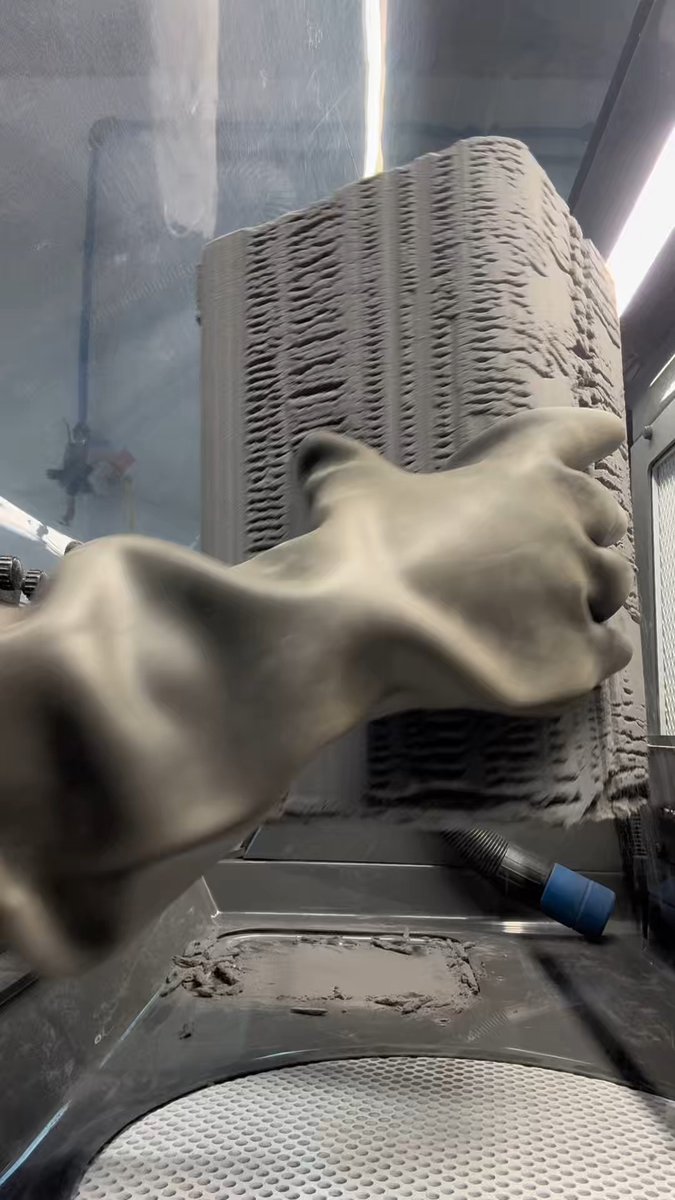
The Form 4 Ecosystem is here. Discover next-gen resin 3D printing with Low Force Display™ tech, faster prints, expanded materials, and unmatched reliability. Join our YouTube Premiere event @ 9AM EST: #Formlabs #Form4 #3DPrinting

270,397 Aufrufe • vor 2 Jahren •via X (Twitter)

8 Kommentare

Profilbild von Moritz
Moritzvor 2 Jahren

It's finally here! Huge congratulations to everyone who helped create Formlabs' new stereolithography flagship #Form4

Profilbild von TheStophe - BALNC
TheStophe - BALNCvor 2 Jahren

Amazing. I need an excuse to get this 🙌

Profilbild von M3 Bolt
M3 Boltvor 2 Jahren

In awe at that print speed. Looks fantastic

Profilbild von Nero3D the Canuck Creator
Nero3D the Canuck Creatorvor 2 Jahren

Is the printing footage in this video real time?

Profilbild von Formlabs
Formlabsvor 2 Jahren

Aside from the timelapses, yes!

Profilbild von Tech build
Tech buildvor 2 Jahren

What is the purpose of that linear moving thing?

Profilbild von Formlabs
Formlabsvor 2 Jahren

The moving part you see is the Resin Mixer in our Form 4. It ensures the resin stays mixed, prevents sedimentation, detects debris, and ensures consistent print quality across layers. It's a key part of why our prints are so reliable!

Profilbild von John Draisey
John Draiseyvor 1 Jahr

I was wondering how does the Form 4 reduces inhalation of resin fumes? Is there a built in filter?
Ähnliche Videos

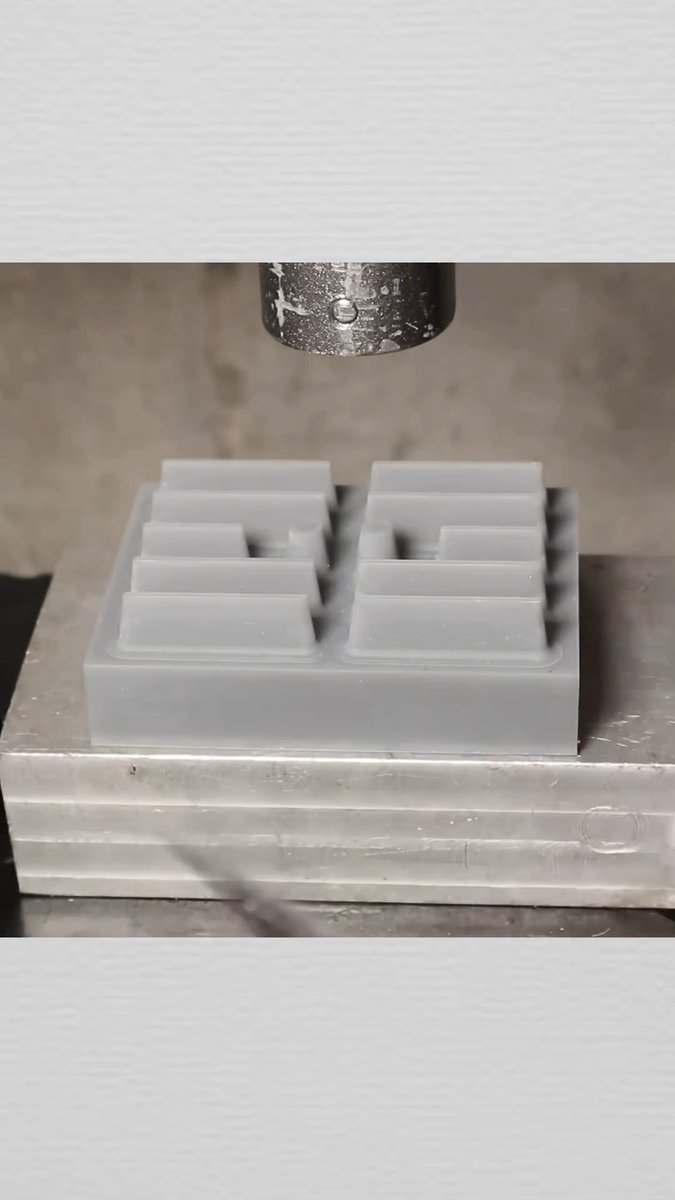
Shane Wighton, from the YouTube channel Stuff Made Here, used 3D-printed tooling to form a sheet metal component as part of a concept validation process. Metal manufacturing is essential for all areas of the economy. Because of their strength, stiffness, and long-term durability, metal components are used in applications from appliances to construction parts and car body panels. Traditional metal manufacturing techniques include forming, casting, molding, joining, and machining. Sheet metal forming involves various processes where force is applied to a piece of sheet metal to plastically deform the material into the desired shape, modifying its geometry rather than removing any material. Sheet metals can be bent or stretched into a variety of complex shapes, permitting the creation of complex structures with great strength and a minimum amount of material. Sheet metal forming is the most cost-effective forming procedure today for manufacturing parts in large quantities. It can be highly automated in factories or, at the other end of the spectrum, manually operated in metal workshops for small series parts. It is a versatile, consistent, and high-quality procedure to create accurate metal parts with limited material waste. From metal cans to protective housing for hardware, parts created by sheet metal forming are found everywhere in our daily lives. In this article, learn the basics of sheet metals, the various sheet metal forming processes, and how to reduce the cost of sheet metal forming with rapid tooling and 3D printed dies. For a detailed overview and the step-by-step method, watch our webinar or download our white paper: Research conducted by Shane Wighton. Check out the fantastic 15-minute video on his YouTube channel 'Stuff Made Here'! its top-notch engineering content.:

Formlabs

39,948 Aufrufe • vor 1 Jahr