Video yükleniyor...

Video Yüklenemedi

Ana Sayfaya Dön

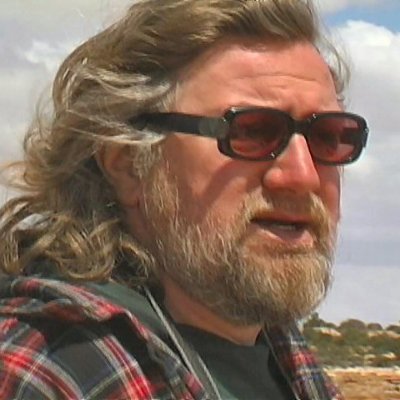
The method Randall describes is elegant in its simplicity and profound in its implications. Drive a pole with a sharpened point into the ground. Draw a circle of any sacred length around it. As the sun rises in the east, a long shadow is cast to the west -...

142,043 görüntüleme • 3 ay önce •via X (Twitter)

0 Yorum

Yorum bulunmuyor

Orijinal gönderinin yorumları burada görünecek

Benzer Videolar

The machines Randall describes operate on a principle that connects directly to his broader research into plasma and toroidal geometry. Microscopic cavitation bubbles are generated and subjected to rapid alternating cycles of vacuum and pressure - produced naturally by the up and down motion of pistons in any conventional engine configuration. The compression phase and vacuum phase act on those bubbles in sequence, and what happens next is the detail Randall finds significant. The cavitation bubbles collapse on their axes and form perfect torus shapes - spontaneously, consistently, and in a way that initiates the same plasma self-organization process he has been tracing across ancient energy systems and sacred geometry traditions. The practical implication is that these toroidal plasma voids can be harvested directly from the machine producing them. Randall points to the vortex tube as a concrete demonstration of the underlying physics - a device that accepts air at room temperature and separates it into two counter-rotating vortices, one inside the other, spinning in opposite directions. The result is a temperature differential of up to several hundred degrees between the hot and cold ends, produced without any additional energy input. Randall’s argument is that this is not an isolated engineering curiosity. It is a visible, reproducible demonstration of the same principles that ancient plasma-based energy systems were built around - and that the machines now being developed around cavitation and toroidal geometry may be the closest modern technology has come to recovering what was lost.

Randall Carlson

22,749 görüntüleme • 3 ay önce

When Samuel Barber was but 26 years of age, he composed a single, unassuming movement for string quartet. It was not conceived as a requiem, nor fashioned as a hymn for the dead. It was simply the second movement of a chamber work, inspired by a Latin poem reflecting upon harvests and the patient labour of the fields. Yet within that melody lay something ineffable, a quiet ache no one could quite name, and so, by some shared instinct of the human heart, the world gradually began to entrust it with its mourning. It has accompanied the passing of presidents and the grief of nations: the funerals of FDR and JFK, and the solemn remembrance of Sept. 11 attacks. Again and again, this music returns, as though it alone knows how to carry the weight of collective sorrow. What Barber first entrusted to strings already possessed this gravity. Yet when the melody passes from instruments into the fragile dignity of human voices, its very nature is transformed. A string vibrates through friction; a voice vibrates from within the body itself, from lungs and diaphragm, through throat and bone. The Agnus Dei is not merely a transcription; it is a revelation. The ancient liturgical plea… grant us peace… meets a melody that seemed to understand the prayer long before it had words with which to utter it. Within the ancient vastness of Sint-Janskathedraal, where seven centuries of stone gather and return every trembling harmonic, the music seems no longer to issue from the singers at all. It rises instead from the cathedral itself… from walls, vaults, and flagstones alike. Sixty voices unfold and divide, the dynamics swelling from a breath of near-silence into a fortissimo that does not burst forth like thunder, but arrives with the slow, solemn inevitability of fate. Listen closely to that moment when every voice opens at once. There is no microphone, no artifice of amplification, only the pure generosity of Gothic acoustics. The sound lingers long after it is sung, and that lingering becomes part of the music itself: each note bearing the gentle shadow of the one that came before. Perhaps that is why the piece tightens the chest without so much as asking leave. Barber did not merely compose sorrow. He shaped, with exquisite precision, the very space that loss carves within the human heart… and the cathedral simply reveals what was always waiting there. This, Timothée Chalamet is true art. This will never die. 📽️Reelsclassics(ig)

🎩Laird of the Manor🎩

50,765 görüntüleme • 4 ay önce