Video yükleniyor...

Video Yüklenemedi

Ana Sayfaya Dön

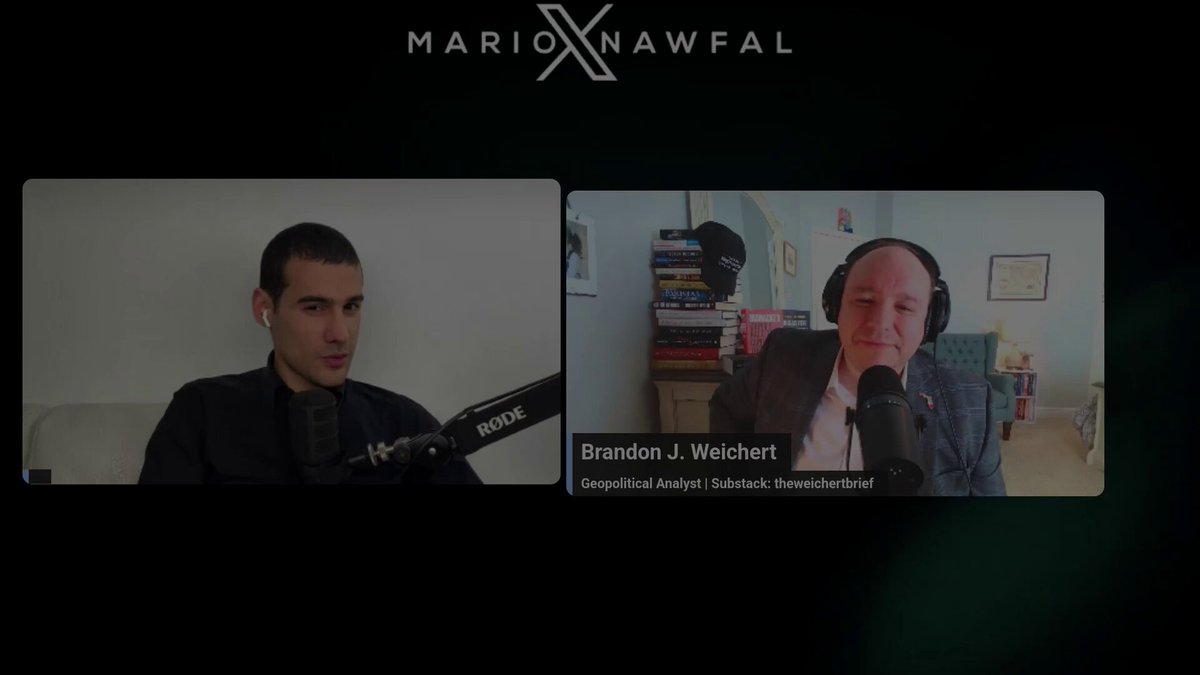
🇺🇸🇮🇷 The sanctions campaign against Iran is what's left after Plan A failed. The shift is the tell. Boots on the ground, bombing energy infrastructure, destroy the regime, all of it dropped, replaced with the same economic tool Washington has been using on Iran for forty years. Nobody abandons...

48,220 görüntüleme • 20 gün önce •via X (Twitter)

0 Yorum

Yorum bulunmuyor

Orijinal gönderinin yorumları burada görünecek

Benzer Videolar

𝐊𝐓 𝐌𝐜𝐅𝐀𝐑𝐋𝐀𝐍𝐃 𝐑𝐄𝐕𝐄𝐀𝐋𝐒 𝐇𝐎𝐖 𝐓𝐑𝐔𝐌𝐏 𝐑𝐔𝐍𝐒 𝐓𝐇𝐄 𝐒𝐈𝐓𝐔𝐀𝐓𝐈𝐎𝐍 𝐑𝐎𝐎𝐌: “𝐇𝐄 𝐌𝐀𝐊𝐄𝐒 𝐀 𝐃𝐄𝐂𝐈𝐒𝐈𝐎𝐍” KT McFarland has been in Situation Room briefings with Nixon, Ford, Reagan, and Trump. She just explained why Trump is different from all of them. “𝘔𝘰𝘴𝘵 𝘱𝘳𝘦𝘴𝘪𝘥𝘦𝘯𝘵𝘴 𝘸𝘪𝘭𝘭 𝘴𝘪𝘵 𝘪𝘯 𝘵𝘩𝘦 𝘚𝘪𝘵𝘶𝘢𝘵𝘪𝘰𝘯 𝘙𝘰𝘰𝘮—𝘵𝘩𝘦 𝘯𝘰𝘳𝘮𝘢𝘭 𝘱𝘳𝘦𝘴𝘪𝘥𝘦𝘯𝘵 𝘸𝘪𝘭𝘭 𝘨𝘰 𝘢𝘳𝘰𝘶𝘯𝘥, 𝘵𝘩𝘦 𝘚𝘦𝘤𝘳𝘦𝘵𝘢𝘳𝘺 𝘰𝘧 𝘚𝘵𝘢𝘵𝘦 𝘸𝘪𝘭𝘭 𝘨𝘪𝘷𝘦 𝘩𝘪𝘴 𝘣𝘳𝘪𝘦𝘧𝘪𝘯𝘨, 𝘵𝘩𝘦 𝘚𝘦𝘤𝘳𝘦𝘵𝘢𝘳𝘺 𝘰𝘧 𝘋𝘦𝘧𝘦𝘯𝘴𝘦, 𝘢𝘯𝘥 𝘵𝘩𝘦𝘯 𝘵𝘩𝘦𝘺 𝘢𝘭𝘭 𝘨𝘪𝘷𝘦 𝘵𝘩𝘦𝘪𝘳 𝘳𝘦𝘤𝘰𝘮𝘮𝘦𝘯𝘥𝘢𝘵𝘪𝘰𝘯𝘴. 𝘉𝘶𝘵 𝘵𝘩𝘦 𝘱𝘳𝘦𝘴𝘪𝘥𝘦𝘯𝘵 𝘪𝘴 𝘢 𝘱𝘢𝘴𝘴𝘪𝘷𝘦 𝘭𝘦𝘢𝘥𝘦𝘳” Not Trump. “𝘏𝘦 𝘸𝘪𝘭𝘭 𝘱𝘦𝘱𝘱𝘦𝘳 𝘵𝘩𝘦𝘮 𝘸𝘪𝘵𝘩 𝘲𝘶𝘦𝘴𝘵𝘪𝘰𝘯𝘴. 𝘈𝘯𝘥 𝘰𝘧𝘵𝘦𝘯 𝘸𝘩𝘢𝘵 𝘗𝘳𝘦𝘴𝘪𝘥𝘦𝘯𝘵 𝘛𝘳𝘶𝘮𝘱 𝘸𝘪𝘭𝘭 𝘥𝘰, 𝘣𝘦𝘤𝘢𝘶𝘴𝘦 𝘩𝘦 𝘪𝘯𝘴𝘪𝘴𝘵𝘴 𝘰𝘯 𝘴𝘦𝘤𝘳𝘦𝘤𝘺—𝘩𝘦 𝘸𝘰𝘯’𝘵 𝘭𝘦𝘵 𝘢𝘭𝘭 𝘵𝘩𝘰𝘴𝘦 𝘱𝘳𝘪𝘯𝘤𝘪𝘱𝘢𝘭𝘴 𝘣𝘳𝘪𝘯𝘨 27 𝘢𝘪𝘥𝘦𝘴 𝘸𝘪𝘵𝘩 𝘵𝘩𝘦𝘮. 𝘏𝘦 𝘸𝘢𝘯𝘵𝘴 𝘫𝘶𝘴𝘵 𝘵𝘩𝘦 𝘨𝘶𝘺𝘴 𝘪𝘯 𝘵𝘩𝘦 𝘳𝘰𝘰𝘮, 𝘮𝘢𝘬𝘪𝘯𝘨 𝘵𝘩𝘦 𝘥𝘦𝘤𝘪𝘴𝘪𝘰𝘯𝘴” And the part that rattles every bureaucrat in Washington: “𝘐𝘧 𝘺𝘰𝘶 𝘵𝘩𝘪𝘯𝘬 𝘺𝘰𝘶 𝘩𝘢𝘷𝘦 𝘢 𝘣𝘳𝘪𝘦𝘧𝘪𝘯𝘨 𝘺𝘰𝘶’𝘳𝘦 𝘨𝘰𝘪𝘯𝘨 𝘵𝘰 𝘨𝘪𝘷𝘦 𝘩𝘪𝘮, 𝘭𝘪𝘬𝘦 𝘺𝘰𝘶’𝘷𝘦 𝘨𝘰𝘵 𝘺𝘰𝘶𝘳 𝘰𝘭𝘥 𝘱𝘢𝘱𝘦𝘳, 𝘺𝘰𝘶𝘳 𝘰𝘭𝘥 𝘵𝘢𝘭𝘬𝘪𝘯𝘨 𝘱𝘰𝘪𝘯𝘵𝘴, 𝘩𝘦 𝘸𝘪𝘭𝘭 𝘪𝘮𝘮𝘦𝘥𝘪𝘢𝘵𝘦𝘭𝘺 𝘪𝘯𝘵𝘦𝘳𝘳𝘶𝘱𝘵 𝘢𝘯𝘥 𝘩𝘦’𝘭𝘭 𝘢𝘴𝘬 𝘺𝘰𝘶 𝘵𝘩𝘦 𝘰𝘯𝘦 𝘲𝘶𝘦𝘴𝘵𝘪𝘰𝘯 𝘺𝘰𝘶 𝘩𝘢𝘷𝘦𝘯’𝘵 𝘵𝘩𝘰𝘶𝘨𝘩𝘵 𝘰𝘧” This isn’t speculation — it’s exactly what happened during the Iran operation. The final Situation Room meeting was 𝐝𝐞𝐥𝐢𝐛𝐞𝐫𝐚𝐭𝐞𝐥𝐲 𝐤𝐞𝐩𝐭 𝐬𝐦𝐚𝐥𝐥 𝐭𝐨 𝐠𝐮𝐚𝐫𝐝 𝐚𝐠𝐚𝐢𝐧𝐬𝐭 𝐥𝐞𝐚𝐤𝐬 (Time). Trump asked each adviser for their view, then made the call himself: “𝐈 𝐭𝐡𝐢𝐧𝐤 𝐰𝐞 𝐧𝐞𝐞𝐝 𝐭𝐨 𝐝𝐨 𝐢𝐭”. The VP was kept in a separate Situation Room per 𝐜𝐨𝐧𝐭𝐢𝐧𝐮𝐢𝐭𝐲-𝐨𝐟-𝐠𝐨𝐯𝐞𝐫𝐧𝐦𝐞𝐧𝐭 𝐩𝐫𝐨𝐭𝐨𝐜𝐨𝐥 (Time). McFarland’s bottom line: “𝘈𝘵 𝘵𝘩𝘦 𝘦𝘯𝘥 𝘰𝘧 𝘵𝘩𝘦 𝘥𝘢𝘺 𝘩𝘦 𝘥𝘰𝘦𝘴𝘯’𝘵 𝘴𝘢𝘺 𝘐’𝘭𝘭 𝘵𝘩𝘪𝘯𝘬 𝘢𝘣𝘰𝘶𝘵 𝘪𝘵, 𝘨𝘶𝘺𝘴, 𝘰𝘳 𝘐’𝘭𝘭 𝘨𝘦𝘵 𝘣𝘢𝘤𝘬 𝘵𝘰 𝘺𝘰𝘶” 𝐎𝐭𝐡𝐞𝐫 𝐩𝐫𝐞𝐬𝐢𝐝𝐞𝐧𝐭𝐬 𝐥𝐢𝐬𝐭𝐞𝐧𝐞𝐝 𝐭𝐨 𝐛𝐫𝐢𝐞𝐟𝐢𝐧𝐠𝐬. 𝐓𝐫𝐮𝐦𝐩 𝐫𝐮𝐧𝐬 𝐭𝐡𝐞𝐦. 𝐓𝐡𝐚𝐭’𝐬 𝐰𝐡𝐲 𝐈𝐫𝐚𝐧 𝐟𝐨𝐥𝐝𝐞𝐝 𝐢𝐧 𝟐𝟒 𝐡𝐨𝐮𝐫𝐬.

M.A. Rothman

37,384 görüntüleme • 5 ay önce

𝐊𝐄𝐀𝐍𝐄: 𝐓𝐑𝐔𝐌𝐏 𝐇𝐄𝐋𝐃 𝐅𝐈𝐑𝐄 𝐖𝐈𝐓𝐇 𝟐𝟓% 𝐎𝐅 𝐓𝐀𝐑𝐆𝐄𝐓𝐒 𝐋𝐄𝐅𝐓 — 𝐈𝐑𝐀𝐍'𝐒 𝐑𝐄𝐆𝐈𝐌𝐄 𝐎𝐍 𝐀 “𝐏𝐀𝐓𝐇𝐖𝐀𝐘 𝐓𝐎 𝐂𝐎𝐋𝐋𝐀𝐏𝐒𝐄” As CENTCOM opened its ninth straight night of strikes, retired four-star General Jack Keane went on Fox News and explained why the campaign resumed — and where it ends. On why diplomacy d∗ed: 𝘥𝘪𝘱𝘭𝘰𝘮𝘢𝘤𝘺 𝘧𝘢𝘪𝘭𝘦𝘥 𝘲𝘶𝘪𝘵𝘦 𝘮𝘪𝘴𝘦𝘳𝘢𝘣𝘭𝘺. Keane says Iran signed the ceasefire deal on June 17 and violated it within days over the Strait of Hormuz — the one strategic asset the regime will not give up. The pattern, he argues, is older than the negotiators working it: 𝘛𝘩𝘦 𝘯𝘦𝘨𝘰𝘵𝘪𝘢𝘵𝘰𝘳𝘴 𝘢𝘯𝘥 𝘥𝘪𝘱𝘭𝘰𝘮𝘢𝘵𝘴 𝘢𝘭𝘸𝘢𝘺𝘴 𝘢𝘱𝘱𝘦𝘢𝘳 𝘳𝘦𝘢𝘴𝘰𝘯𝘢𝘣𝘭𝘦. 𝘛𝘩𝘦𝘺 𝘢𝘭𝘸𝘢𝘺𝘴 𝘸𝘢𝘯𝘵 𝘵𝘰 𝘤𝘰𝘦𝘹𝘪𝘴𝘵 𝘸𝘪𝘵𝘩 𝘶𝘴, 𝘢𝘯𝘥 𝘵𝘩𝘦𝘺’𝘳𝘦 𝘢𝘭𝘸𝘢𝘺𝘴 𝘸𝘰𝘳𝘬𝘪𝘯𝘨 𝘢𝘨𝘢𝘪𝘯𝘴𝘵 𝘵𝘩𝘦 𝘩𝘢𝘳𝘥𝘭𝘪𝘯𝘦𝘳𝘴. 𝘛𝘩𝘢𝘵 𝘩𝘢𝘴 𝘣𝘦𝘦𝘯 𝘵𝘩𝘦 𝘱𝘢𝘵𝘵𝘦𝘳𝘯 𝘧𝘰𝘳 𝘥𝘦𝘤𝘢𝘥𝘦𝘴. Then the receipt that reframes the whole campaign: 𝘞𝘩𝘦𝘯 𝘸𝘦 𝘸𝘦𝘯𝘵 𝘵𝘰 𝘵𝘩𝘦 𝘤𝘦𝘢𝘴𝘦𝘧𝘪𝘳𝘦, 𝘸𝘦 𝘩𝘢𝘥 25% 𝘰𝘧 𝘵𝘩𝘦 𝘵𝘢𝘳𝘨𝘦𝘵𝘴 𝘵𝘩𝘢𝘵 𝘩𝘢𝘥 𝘯𝘰𝘵 𝘣𝘦𝘦𝘯 𝘩𝘪𝘵 𝘺𝘦𝘵. The current operation, in his telling, is about finishing that list — 𝐬𝐲𝐬𝐭𝐞𝐦𝐚𝐭𝐢𝐜𝐚𝐥𝐥𝐲 𝐝𝐞𝐬𝐭𝐫𝐨𝐲𝐢𝐧𝐠 𝐭𝐡𝐞 𝐛𝐚𝐥𝐥𝐢𝐬𝐭𝐢𝐜-𝐦𝐢𝐬𝐬𝐢𝐥𝐞 𝐚𝐧𝐝 𝐝𝐫𝐨𝐧𝐞 𝐟𝐨𝐫𝐜𝐞 while sanctions and the naval blockade squeeze in parallel. Weakening the regime to the point of collapse at the hands of its own people, Keane says, is 𝘴𝘵𝘪𝘭𝘭 𝘢 𝘳𝘦𝘢𝘭𝘪𝘴𝘵𝘪𝘤 𝘰𝘣𝘫𝘦𝘤𝘵𝘪𝘷𝘦. His endgame: 𝘸𝘦 𝘳𝘦𝘴𝘦𝘵 𝘵𝘩𝘦 𝘔𝘪𝘥𝘥𝘭𝘦 𝘌𝘢𝘴𝘵 𝘢𝘯𝘥 𝘸𝘦 𝘱𝘶𝘵 𝘪𝘵 𝘰𝘯 𝘢 𝘱𝘢𝘵𝘩𝘸𝘢𝘺 𝘧𝘰𝘳 𝘦𝘯𝘥𝘶𝘳𝘪𝘯𝘨 𝘱𝘦𝘢𝘤𝘦 𝘢𝘯𝘥 𝘭𝘪𝘬𝘦𝘭𝘺 𝘯𝘰𝘳𝘮𝘢𝘭𝘪𝘻𝘢𝘵𝘪𝘰𝘯 𝘸𝘪𝘵𝘩 𝘵𝘩𝘰𝘴𝘦 𝘤𝘰𝘶𝘯𝘵𝘳𝘪𝘦𝘴 𝘢𝘯𝘥 𝘐𝘴𝘳𝘢𝘦𝘭. 𝘛𝘩𝘢𝘵 𝘴𝘵𝘳𝘢𝘵𝘦𝘨𝘪𝘤 𝘨𝘰𝘢𝘭 𝘪𝘴 𝘴𝘵𝘪𝘭𝘭 𝘰𝘶𝘵 𝘵𝘩𝘦𝘳𝘦 𝘢𝘯𝘥 𝘢𝘤𝘩𝘪𝘦𝘷𝘢𝘣𝘭𝘦. On the regime itself: 𝘵𝘩𝘰𝘶𝘴𝘢𝘯𝘥𝘴 𝘰𝘧 𝘈𝘮𝘦𝘳𝘪𝘤𝘢𝘯𝘴 𝘩𝘢𝘷𝘦 𝘥𝘪𝘦𝘥 𝘶𝘯𝘥𝘦𝘳 𝘵𝘩𝘦 𝘩𝘢𝘯𝘥𝘴 𝘰𝘧 𝘵𝘩𝘪𝘴 𝘳𝘦𝘨𝘪𝘮𝘦 𝘴𝘪𝘯𝘤𝘦 𝘵𝘩𝘦𝘺 𝘵𝘰𝘰𝘬 𝘱𝘰𝘸𝘦𝘳 𝘴𝘰𝘮𝘦 47 𝘺𝘦𝘢𝘳𝘴 𝘢𝘨𝘰. 𝘈𝘯𝘥 𝘵𝘩𝘪𝘴 𝘪𝘴 𝘵𝘩𝘦 𝘧𝘪𝘳𝘴𝘵 𝘱𝘳𝘦𝘴𝘪𝘥𝘦𝘯𝘵 𝘪𝘯 𝘢𝘭𝘭 𝘰𝘧 𝘵𝘩𝘢𝘵 𝘵𝘪𝘮𝘦 𝘸𝘩𝘰’𝘴 𝘦𝘷𝘦𝘳 𝘵𝘢𝘬𝘦𝘯 𝘤𝘰𝘯𝘴𝘦𝘲𝘶𝘦𝘯𝘵𝘪𝘢𝘭 𝘢𝘤𝘵𝘪𝘰𝘯 𝘵𝘰 𝘴𝘵𝘰𝘱 𝘵𝘩𝘪𝘴 𝘣𝘢𝘳𝘣𝘢𝘳𝘪𝘤 𝘣𝘦𝘩𝘢𝘷𝘪𝘰𝘳. 𝐓𝐡𝐞 𝐟𝐢𝐫𝐬𝐭 𝐩𝐫𝐞𝐬𝐢𝐝𝐞𝐧𝐭 𝐢𝐧 𝟒𝟕 𝐲𝐞𝐚𝐫𝐬 𝐭𝐨 𝐚𝐜𝐭 𝐢𝐬𝐧'𝐭 𝐬𝐭𝐨𝐩𝐩𝐢𝐧𝐠 𝐚𝐭 𝐧𝐢𝐧𝐞 𝐧𝐢𝐠𝐡𝐭𝐬.

M.A. Rothman

25,212 görüntüleme • 2 ay önce

𝐃𝐎𝐔𝐆𝐋𝐀𝐒 𝐌𝐔𝐑𝐑𝐀𝐘: 𝟕𝟒% 𝐎𝐅 𝐍𝐄𝐖 𝐁𝐑𝐈𝐓𝐈𝐒𝐇 𝐉𝐎𝐁𝐒 𝐖𝐄𝐍𝐓 𝐓𝐎 𝐅𝐎𝐑𝐄𝐈𝐆𝐍-𝐁𝐎𝐑𝐍 𝐖𝐎𝐑𝐊𝐄𝐑𝐒 — 𝐀𝐍𝐃 𝐀𝐍𝐘𝐎𝐍𝐄 𝐖𝐇𝐎 𝐂𝐎𝐌𝐏𝐋𝐀𝐈𝐍𝐒 𝐈𝐒 𝐀 𝐍𝐄𝐎-𝐍𝐀𝐙𝐈 Douglas Murray just delivered one of his most devastating indictments of the UK political class — and the parallels to America are impossible to miss. The core number: since 2008, 𝟕𝟒% 𝐨𝐟 𝐚𝐥𝐥 𝐣𝐨𝐛𝐬 𝐜𝐫𝐞𝐚𝐭𝐞𝐝 𝐛𝐲 𝐭𝐡𝐞 𝐁𝐫𝐢𝐭𝐢𝐬𝐡 𝐠𝐨𝐯𝐞𝐫𝐧𝐦𝐞𝐧𝐭 𝐡𝐚𝐯𝐞 𝐠𝐨𝐧𝐞 𝐭𝐨 𝐩𝐞𝐨𝐩𝐥𝐞 𝐧𝐨𝐭 𝐛𝐨𝐫𝐧 𝐢𝐧 𝐁𝐫𝐢𝐭𝐚𝐢𝐧. For 𝟐𝟎 𝐲𝐞𝐚𝐫𝐬, British voters have asked for reduced immigration every single election and been promised action. Instead, immigration went up. Murray’s question cuts to the bone: “𝘐𝘧 𝘵𝘩𝘦 𝘱𝘶𝘣𝘭𝘪𝘤 𝘬𝘦𝘦𝘱 𝘴𝘢𝘺𝘪𝘯𝘨 𝘴𝘰𝘮𝘦𝘵𝘩𝘪𝘯𝘨 𝘵𝘰 𝘵𝘩𝘦 𝘱𝘰𝘭𝘪𝘵𝘪𝘤𝘪𝘢𝘯𝘴 𝘢𝘯𝘥 𝘵𝘩𝘦 𝘱𝘰𝘭𝘪𝘵𝘪𝘤𝘪𝘢𝘯𝘴 𝘬𝘦𝘦𝘱, 𝘯𝘰𝘵 𝘫𝘶𝘴𝘵 𝘪𝘨𝘯𝘰𝘳𝘪𝘯𝘨 𝘵𝘩𝘦𝘮, 𝘣𝘶𝘵 𝘪𝘯𝘴𝘶𝘭𝘵𝘪𝘯𝘨 𝘵𝘩𝘦𝘮, 𝘸𝘩𝘢𝘵 𝘢𝘳𝘦 𝘵𝘩𝘦𝘺 𝘢𝘭𝘭𝘰𝘸𝘦𝘥 𝘵𝘰 𝘥𝘰, 𝘵𝘩𝘦𝘴𝘦 𝘱𝘦𝘰𝘱𝘭𝘦?” The answer, apparently, is nothing. “𝘌𝘷𝘦𝘳𝘺 𝘵𝘪𝘮𝘦 𝘵𝘩𝘦𝘳𝘦 𝘪𝘴 𝘢 𝘱𝘦𝘢𝘤𝘦𝘧𝘶𝘭 𝘱𝘳𝘰𝘵𝘦𝘴𝘵, 𝘵𝘩𝘦 𝘱𝘦𝘢𝘤𝘦𝘧𝘶𝘭 𝘱𝘳𝘰𝘵𝘦𝘴𝘵𝘦𝘳𝘴 𝘢𝘳𝘦 𝘥𝘦𝘧𝘢𝘮𝘦𝘥 𝘢𝘴 𝘧𝘢𝘳 𝘳𝘪𝘨𝘩𝘵, 𝘯𝘦𝘰-𝘯𝘢𝘻𝘪𝘴.” Murray pointed to a single man with a swastika tattoo being used to discredit entire movements: “𝘐𝘴 𝘵𝘩𝘢𝘵 𝘨𝘶𝘺 𝘳𝘦𝘱𝘳𝘦𝘴𝘦𝘯𝘵𝘢𝘵𝘪𝘷𝘦 𝘰𝘧 𝘢𝘭𝘭 𝘵𝘩𝘦 𝘱𝘦𝘰𝘱𝘭𝘦 𝘸𝘩𝘰 𝘢𝘳𝘦 𝘢𝘯𝘨𝘳𝘺 𝘪𝘯 𝘵𝘩𝘦 𝘸𝘢𝘬𝘦 𝘰𝘧 𝘵𝘩𝘦 𝘴𝘭𝘢𝘶𝘨𝘩𝘵𝘦𝘳 𝘪𝘯 𝘚𝘰𝘶𝘵𝘩𝘱𝘰𝘳𝘵? 𝘐 𝘸𝘰𝘶𝘭𝘥 𝘩𝘢𝘷𝘦 𝘵𝘩𝘰𝘶𝘨𝘩𝘵 𝘯𝘰𝘵.” Then he exposed the double standard that no British politician will touch. When an imam is caught preaching violence in a mosque, “𝘦𝘷𝘦𝘳𝘺𝘰𝘯𝘦 𝘪𝘴 𝘪𝘯𝘤𝘳𝘦𝘥𝘪𝘣𝘭𝘺 𝘤𝘢𝘳𝘦𝘧𝘶𝘭 𝘵𝘰 𝘮𝘢𝘬𝘦 𝘴𝘶𝘳𝘦 𝘵𝘩𝘢𝘵 𝘪𝘵 𝘪𝘴𝘯’𝘵 𝘪𝘮𝘱𝘭𝘪𝘦𝘥 𝘵𝘩𝘢𝘵 𝘦𝘷𝘦𝘳𝘺𝘰𝘯𝘦 𝘸𝘩𝘰 𝘢𝘵𝘵𝘦𝘯𝘥𝘴 𝘵𝘩𝘢𝘵 𝘮𝘰𝘴𝘲𝘶𝘦 𝘪𝘴 𝘴𝘰𝘮𝘦𝘩𝘰𝘸 𝘪𝘯 𝘧𝘢𝘷𝘰𝘳 𝘰𝘧 𝘵𝘩𝘪𝘴. 𝘠𝘰𝘶 𝘩𝘢𝘷𝘦 𝘵𝘰 𝘴𝘢𝘺 𝘪𝘵’𝘴 𝘵𝘩𝘪𝘴 𝘰𝘯𝘦 𝘱𝘦𝘳𝘴𝘰𝘯 𝘢𝘯𝘥 𝘯𝘰 𝘰𝘯𝘦 𝘦𝘭𝘴𝘦 𝘪𝘴 𝘳𝘦𝘴𝘱𝘰𝘯𝘴𝘪𝘣𝘭𝘦.” But when working-class Brits protest mass stabbings and terrorism? The entire crowd gets labeled neo-Nazis. Murray’s framework for what’s happening is devastating in its simplicity: “𝘐𝘧 𝘺𝘰𝘶 𝘥𝘰𝘯’𝘵 𝘥𝘦𝘢𝘭 𝘸𝘪𝘵𝘩 𝘢 𝘱𝘳𝘪𝘮𝘢𝘳𝘺 𝘱𝘳𝘰𝘣𝘭𝘦𝘮, 𝘺𝘰𝘶 𝘨𝘦𝘵 𝘴𝘦𝘤𝘰𝘯𝘥𝘢𝘳𝘺 𝘱𝘳𝘰𝘣𝘭𝘦𝘮𝘴. 𝘈𝘯𝘥 𝘪𝘧 𝘺𝘰𝘶 𝘫𝘶𝘴𝘵 𝘧𝘰𝘤𝘶𝘴 𝘰𝘯 𝘵𝘩𝘦 𝘴𝘦𝘤𝘰𝘯𝘥𝘢𝘳𝘺 𝘱𝘳𝘰𝘣𝘭𝘦𝘮, 𝘺𝘰𝘶 𝘸𝘪𝘭𝘭 𝘯𝘰𝘵 𝘰𝘯𝘭𝘺 𝘯𝘰𝘵 𝘴𝘰𝘭𝘷𝘦 𝘵𝘩𝘦 𝘱𝘳𝘪𝘮𝘢𝘳𝘺 𝘱𝘳𝘰𝘣𝘭𝘦𝘮, 𝘺𝘰𝘶 𝘸𝘪𝘭𝘭 𝘮𝘢𝘬𝘦 𝘪𝘵 𝘸𝘰𝘳𝘴𝘦.” The primary problem is 𝐦𝐚𝐬𝐬 𝐢𝐦𝐦𝐢𝐠𝐫𝐚𝐭𝐢𝐨𝐧 𝐰𝐢𝐭𝐡𝐨𝐮𝐭 𝐜𝐨𝐧𝐬𝐞𝐧𝐭. The secondary problem is public anger. Starmer’s government is obsessed with policing the anger while doing nothing about the cause. The same playbook runs in America. Call border enforcement racist. Label parents at school board meetings domestic terrorists. Smear anyone who questions the status quo as an extremist — then wonder why trust in institutions evaporates. 𝐓𝐡𝐞𝐲 𝐜𝐫𝐢𝐦𝐢𝐧𝐚𝐥𝐢𝐳𝐞𝐝 𝐭𝐡𝐞 𝐜𝐨𝐦𝐩𝐥𝐚𝐢𝐧𝐭. 𝐓𝐡𝐞 𝐩𝐫𝐨𝐛𝐥𝐞𝐦 𝐝𝐢𝐝𝐧’𝐭 𝐠𝐨 𝐚𝐰𝐚𝐲. 𝐈𝐭 𝐠𝐨𝐭 𝐰𝐨𝐫𝐬𝐞.

M.A. Rothman

48,897 görüntüleme • 5 ay önce

🇮🇷🇺🇸 Iran's latest attack struck U.S military facilities in Kuwait and the UAE, but the timing may be more important than the attack itself. The previous U.S-Iran exchange had effectively stopped. Washington decided not to retaliate against Iran's last barrage and reports suggest Trump’s team is actively trying to avoid another major escalation before the midterms. Iran attacked again anyway. And to understand why, look at what Washington is doing behind the scenes. The U.S is intensifying its economic campaign against Tehran, reportedly instructing embassies around the world to pressure governments to cut Iranian trade, with countries, companies and individuals potentially threatened with sanctions or a loss of access to the dollar system. Meanwhile, the UAE has become an important partner in Washington's attempt to keep oil moving through Hormuz and tighten the economic screws on Iran. Then Iran hits U.S-linked military infrastructure in the UAE and Kuwait. That makes these strikes look less like retaliation for something America already did and more like a warning about what comes next: If Washington turns the Gulf into the infrastructure for an economic war against Iran, Tehran may turn that same infrastructure into the battlefield. And that creates a serious problem for Trump's apparent pivot from military war to economic war. Sanctions were supposed to provide a way of squeezing Iran without another major exchange of missiles. Iran may be signalling that it doesn't intend to let America separate the two. Brandon Weichert

Mario Nawfal

340,144 görüntüleme • 20 gün önce

𝐁𝐋𝐔𝐄-𝐇𝐀𝐈𝐑𝐄𝐃 𝐍𝐘𝐂 𝐆𝐔𝐘 𝐆𝐎𝐄𝐒 𝐓𝐎 𝐍𝐎 𝐊𝐈𝐍𝐆𝐒 𝐑𝐀𝐋𝐋𝐘, 𝐃𝐈𝐒𝐌𝐀𝐍𝐓𝐋𝐄𝐒 𝐓𝐇𝐄 𝐄𝐍𝐓𝐈𝐑𝐄 𝐌𝐎𝐕𝐄𝐌𝐄𝐍𝐓, 𝐀𝐍𝐃 𝐃𝐄𝐂𝐋𝐀𝐑𝐄𝐒: “𝐓𝐇𝐄 𝐓𝐑𝐀𝐍𝐒𝐈𝐓𝐈𝐎𝐍 𝐈𝐒 𝐂𝐎𝐌𝐏𝐋𝐄𝐓𝐄” This guy lives in Chelsea — one of the most liberal neighborhoods in Manhattan. He has blue hair. Everyone in his building kept asking him if he went to the No Kings rally. He politely said no. Then he turned on his camera and said what he really thinks. 𝘛𝘩𝘦 𝘸𝘩𝘰𝘭𝘦 𝘱𝘳𝘦𝘮𝘪𝘴𝘦 𝘪𝘴 𝘣𝘢𝘤𝘬𝘸𝘢𝘳𝘥𝘴. 𝘛𝘩𝘦𝘺’𝘳𝘦 𝘴𝘢𝘺𝘪𝘯𝘨 𝘵𝘩𝘦𝘺’𝘳𝘦 𝘱𝘳𝘰𝘵𝘦𝘴𝘵𝘪𝘯𝘨 𝘬𝘪𝘯𝘨𝘴, 𝘣𝘶𝘵 𝘵𝘩𝘦𝘺’𝘳𝘦 𝘵𝘩𝘦 𝘰𝘯𝘦𝘴 𝘵𝘳𝘺𝘪𝘯𝘨 𝘵𝘰 𝘰𝘷𝘦𝘳𝘵𝘶𝘳𝘯 𝘵𝘩𝘦 𝘸𝘪𝘭𝘭 𝘰𝘧 𝘵𝘩𝘦 𝘷𝘰𝘵𝘦𝘳𝘴. 𝘛𝘩𝘦 𝘱𝘳𝘰𝘵𝘦𝘴𝘵𝘦𝘳𝘴 𝘤𝘢𝘭𝘭 𝘛𝘳𝘶𝘮𝘱 𝘢𝘶𝘵𝘩𝘰𝘳𝘪𝘵𝘢𝘳𝘪𝘢𝘯, 𝘣𝘶𝘵 𝘩𝘦’𝘴 𝘵𝘩𝘦 𝘰𝘯𝘦 𝘪𝘮𝘱𝘭𝘦𝘮𝘦𝘯𝘵𝘪𝘯𝘨 𝘵𝘩𝘦 𝘱𝘰𝘭𝘪𝘤𝘪𝘦𝘴 𝘩𝘦 𝘸𝘢𝘴 𝘦𝘭𝘦𝘤𝘵𝘦𝘥 𝘰𝘯. 𝘛𝘩𝘢𝘵’𝘴 𝘯𝘰𝘵 𝘵𝘺𝘳𝘢𝘯𝘯𝘺. 𝘛𝘩𝘢𝘵’𝘴 𝘳𝘦𝘱𝘳𝘦𝘴𝘦𝘯𝘵𝘢𝘵𝘪𝘷𝘦 𝘨𝘰𝘷𝘦𝘳𝘯𝘮𝘦𝘯𝘵. He went further: 𝘐 𝘨𝘦𝘵 𝘵𝘩𝘢𝘵 𝘺𝘰𝘶 𝘮𝘪𝘨𝘩𝘵 𝘯𝘰𝘵 𝘭𝘪𝘬𝘦 𝘸𝘩𝘢𝘵 𝘩𝘪𝘴 𝘢𝘨𝘦𝘯𝘥𝘢 𝘪𝘴, 𝘣𝘶𝘵 𝘪𝘵 𝘪𝘴 𝘭𝘪𝘵𝘦𝘳𝘢𝘭𝘭𝘺 𝘸𝘩𝘢𝘵 𝘩𝘦 𝘳𝘢𝘯 𝘰𝘯. 𝘈𝘯𝘥 𝘩𝘦 𝘸𝘰𝘯 𝘵𝘩𝘦 𝘱𝘰𝘱𝘶𝘭𝘢𝘳 𝘷𝘰𝘵𝘦. 𝘐 𝘵𝘩𝘪𝘯𝘬 𝘵𝘰 𝘵𝘳𝘺 𝘢𝘯𝘥 𝘳𝘦𝘮𝘰𝘷𝘦 𝘵𝘩𝘢𝘵 𝘭𝘦𝘢𝘥𝘦𝘳 — 𝘵𝘩𝘢𝘵’𝘴 𝘵𝘩𝘦 𝘢𝘯𝘵𝘪-𝘥𝘦𝘮𝘰𝘤𝘳𝘢𝘵𝘪𝘤 𝘮𝘰𝘷𝘦. On the rally itself: 𝘐𝘵 𝘸𝘢𝘴 𝘷𝘦𝘳𝘺 𝘨𝘳𝘰𝘶𝘱 𝘵𝘩𝘪𝘯𝘬𝘪𝘯𝘨. 𝘐 𝘥𝘪𝘥𝘯’𝘵 𝘭𝘪𝘬𝘦 𝘵𝘩𝘦 𝘦𝘯𝘦𝘳𝘨𝘺 𝘰𝘶𝘵 𝘵𝘩𝘦𝘳𝘦. Everyone in his neighborhood treated it like a social event — the cool thing to do in Chelsea. 𝘉𝘶𝘵 𝘐 𝘨𝘶𝘦𝘴𝘴 𝘐’𝘮 𝘢 𝘥𝘰𝘳𝘬. Then the line that says everything about where this country is heading: 𝘐 𝘥𝘰𝘯’𝘵 𝘴𝘶𝘱𝘱𝘰𝘳𝘵 𝘮𝘰𝘣𝘴 𝘰𝘧 𝘭𝘦𝘧𝘵-𝘸𝘪𝘯𝘨 𝘱𝘦𝘰𝘱𝘭𝘦 𝘵𝘳𝘺𝘪𝘯𝘨 𝘵𝘰 𝘴𝘢𝘺 𝘵𝘩𝘢𝘵 𝘞𝘦𝘴𝘵𝘦𝘳𝘯 𝘤𝘪𝘷𝘪𝘭𝘪𝘻𝘢𝘵𝘪𝘰𝘯 𝘪𝘴 𝘣𝘢𝘥 𝘢𝘯𝘥 𝘵𝘩𝘢𝘵 𝘰𝘶𝘳 𝘸𝘢𝘺 𝘰𝘧 𝘭𝘪𝘧𝘦 𝘪𝘴 𝘣𝘢𝘥. 𝘐 𝘵𝘩𝘪𝘯𝘬 𝘰𝘶𝘳 𝘸𝘢𝘺 𝘰𝘧 𝘭𝘪𝘧𝘦 𝘪𝘴 𝘨𝘰𝘰𝘥. 𝘐𝘵’𝘴 𝘢𝘭𝘸𝘢𝘺𝘴 𝘴𝘩𝘰𝘤𝘬𝘪𝘯𝘨 𝘵𝘰 𝘮𝘦 𝘵𝘩𝘢𝘵 𝘐 𝘳𝘦𝘢𝘭𝘭𝘺 𝘢𝘭𝘪𝘨𝘯 𝘯𝘰𝘸 𝘸𝘪𝘵𝘩 𝘵𝘩𝘦 𝘤𝘰𝘯𝘴𝘦𝘳𝘷𝘢𝘵𝘪𝘷𝘦 𝘷𝘪𝘦𝘸𝘱𝘰𝘪𝘯𝘵, 𝘣𝘶𝘵 𝘪𝘵’𝘴 𝘭𝘪𝘬𝘦, 𝘐 𝘥𝘰. And then: 𝘛𝘩𝘦 𝘵𝘳𝘢𝘯𝘴𝘪𝘵𝘪𝘰𝘯 𝘪𝘴 𝘤𝘰𝘮𝘱𝘭𝘦𝘵𝘦. He acknowledged what he supports Trump on: 𝘌𝘷𝘦𝘯 𝘪𝘧 𝘩𝘦’𝘴 𝘯𝘰𝘵 𝘧𝘰𝘳 𝘦𝘷𝘦𝘳𝘺 𝘱𝘰𝘭𝘪𝘤𝘺 𝘵𝘩𝘢𝘵 𝘐 𝘸𝘰𝘶𝘭𝘥 𝘣𝘦 𝘧𝘰𝘳 𝘥𝘰𝘮𝘦𝘴𝘵𝘪𝘤𝘢𝘭𝘭𝘺, 𝘩𝘦’𝘴 𝘧𝘰𝘳 𝘴𝘶𝘳𝘦 𝘦𝘷𝘦𝘳𝘺 𝘱𝘰𝘭𝘪𝘤𝘺 𝘵𝘩𝘢𝘵 𝘐’𝘮 𝘧𝘰𝘳 𝘧𝘰𝘳𝘦𝘪𝘨𝘯 𝘱𝘰𝘭𝘪𝘤𝘺 𝘸𝘪𝘴𝘦. 𝘐 𝘫𝘶𝘴𝘵 𝘧𝘦𝘦𝘭 𝘩𝘦’𝘴 𝘮𝘢𝘬𝘪𝘯𝘨 𝘵𝘩𝘦 𝘸𝘰𝘳𝘭𝘥 𝘴𝘢𝘧𝘦𝘳 𝘸𝘪𝘵𝘩 𝘸𝘩𝘢𝘵 𝘩𝘦’𝘴 𝘥𝘰𝘪𝘯𝘨 𝘪𝘯 𝘵𝘩𝘦 𝘔𝘪𝘥𝘥𝘭𝘦 𝘌𝘢𝘴𝘵. His closing message to his blue-haired peers: 𝘗𝘳𝘰𝘵𝘦𝘴𝘵𝘪𝘯𝘨 𝘢 𝘱𝘳𝘦𝘴𝘪𝘥𝘦𝘯𝘵 𝘧𝘰𝘳 𝘬𝘦𝘦𝘱𝘪𝘯𝘨 𝘩𝘪𝘴 𝘱𝘳𝘰𝘮𝘪𝘴𝘦𝘴 𝘪𝘴𝘯’𝘵 𝘴𝘢𝘷𝘪𝘯𝘨 𝘥𝘦𝘮𝘰𝘤𝘳𝘢𝘤𝘺. 𝘐𝘵’𝘴 𝘮𝘰𝘤𝘬𝘪𝘯𝘨 𝘪𝘵. And to conservatives watching: 𝘛𝘩𝘢𝘯𝘬 𝘺𝘰𝘶 𝘧𝘰𝘳 𝘣𝘦𝘪𝘯𝘨 𝘩𝘦𝘳𝘦. 𝘐 𝘩𝘢𝘷𝘦 𝘣𝘭𝘶𝘦 𝘩𝘢𝘪𝘳. 𝘎𝘦𝘵 𝘰𝘷𝘦𝘳 𝘪𝘵. 𝘚𝘵𝘰𝘱 𝘴𝘵𝘦𝘳𝘦𝘰𝘵𝘺𝘱𝘪𝘯𝘨 𝘱𝘦𝘰𝘱𝘭𝘦. Then Batya Ungar-Sargon weighed in with the analytical kill shot: 𝘛𝘩𝘦𝘴𝘦 𝘱𝘳𝘰𝘵𝘦𝘴𝘵𝘴 𝘸𝘦𝘳𝘦 𝘰𝘷𝘦𝘳𝘸𝘩𝘦𝘭𝘮𝘪𝘯𝘨𝘭𝘺 𝘸𝘩𝘪𝘵𝘦. 𝘖𝘷𝘦𝘳𝘸𝘩𝘦𝘭𝘮𝘪𝘯𝘨𝘭𝘺 𝘦𝘭𝘥𝘦𝘳𝘭𝘺. 𝘞𝘩𝘪𝘵𝘦 𝘣𝘰𝘰𝘮𝘦𝘳𝘴 𝘩𝘢𝘷𝘦 𝘵𝘩𝘦 𝘳𝘪𝘨𝘩𝘵 𝘵𝘰 𝘩𝘢𝘷𝘦 𝘢 𝘮𝘢𝘴𝘴 𝘵𝘩𝘦𝘳𝘢𝘱𝘺 𝘴𝘦𝘴𝘴𝘪𝘰𝘯 𝘢𝘣𝘰𝘶𝘵 𝘵𝘩𝘦 𝘧𝘢𝘤𝘵 𝘵𝘩𝘢𝘵 𝘋𝘰𝘯𝘢𝘭𝘥 𝘛𝘳𝘶𝘮𝘱 𝘸𝘰𝘯. She pointed out the obvious: 𝘛𝘩𝘪𝘴 𝘪𝘴 𝘢 𝘮𝘢𝘯 𝘸𝘩𝘰 𝘸𝘰𝘯 𝘵𝘩𝘦 𝘱𝘰𝘱𝘶𝘭𝘢𝘳 𝘷𝘰𝘵𝘦. 𝘏𝘦 𝘸𝘰𝘯 𝘦𝘷𝘦𝘳𝘺 𝘴𝘸𝘪𝘯𝘨 𝘴𝘵𝘢𝘵𝘦. 𝘏𝘦 𝘪𝘴 𝘦𝘯𝘢𝘤𝘵𝘪𝘯𝘨 𝘵𝘩𝘦 𝘦𝘹𝘢𝘤𝘵 𝘢𝘨𝘦𝘯𝘥𝘢 𝘩𝘦 𝘱𝘳𝘰𝘮𝘪𝘴𝘦𝘥. 𝘞𝘩𝘢𝘵 𝘵𝘩𝘦𝘺 𝘢𝘳𝘦 𝘢𝘤𝘵𝘶𝘢𝘭𝘭𝘺 𝘱𝘳𝘰𝘵𝘦𝘴𝘵𝘪𝘯𝘨 𝘪𝘴 𝘵𝘩𝘦 𝘢𝘣𝘴𝘰𝘭𝘶𝘵𝘦 𝘱𝘦𝘳𝘧𝘦𝘤𝘵𝘪𝘰𝘯 𝘰𝘧 𝘈𝘮𝘦𝘳𝘪𝘤𝘢𝘯 𝘥𝘦𝘮𝘰𝘤𝘳𝘢𝘤𝘺. And then the best observation of all: 𝘛𝘩𝘦 𝘰𝘯𝘭𝘺 𝘸𝘢𝘺 𝘵𝘰 𝘨𝘳𝘦𝘦𝘵 𝘴𝘶𝘤𝘩 𝘢 𝘱𝘳𝘦𝘱𝘰𝘴𝘵𝘦𝘳𝘰𝘶𝘴 𝘱𝘳𝘰𝘱𝘰𝘴𝘪𝘵𝘪𝘰𝘯 — 𝘤𝘢𝘭𝘭𝘪𝘯𝘨 𝘵𝘩𝘪𝘴 𝘢 “𝘯𝘰 𝘬𝘪𝘯𝘨𝘴” 𝘳𝘢𝘭𝘭𝘺 𝘸𝘩𝘦𝘯 𝘪𝘵’𝘴 𝘢𝘤𝘵𝘶𝘢𝘭𝘭𝘺 𝘢𝘯 𝘢𝘯𝘵𝘪-𝘥𝘦𝘮𝘰𝘤𝘳𝘢𝘤𝘺 𝘳𝘢𝘭𝘭𝘺 — 𝘪𝘴 𝘵𝘰 𝘮𝘢𝘬𝘦 𝘧𝘶𝘯 𝘰𝘧 𝘪𝘵. 𝘈𝘯𝘥 𝘵𝘩𝘢𝘵 𝘩𝘢𝘴 𝘣𝘦𝘦𝘯 𝘵𝘩𝘦 𝘛𝘳𝘶𝘮𝘱 𝘢𝘥𝘮𝘪𝘯𝘪𝘴𝘵𝘳𝘢𝘵𝘪𝘰𝘯’𝘴 𝘢𝘱𝘱𝘳𝘰𝘢𝘤𝘩. 𝘛𝘩𝘦𝘺 𝘥𝘪𝘥𝘯’𝘵 𝘵𝘳𝘺 𝘵𝘰 𝘴𝘵𝘰𝘱 𝘪𝘵, 𝘎𝘰𝘥 𝘧𝘰𝘳𝘣𝘪𝘥, 𝘣𝘦𝘤𝘢𝘶𝘴𝘦 𝘩𝘦’𝘴 𝘯𝘰𝘵 𝘢 𝘬𝘪𝘯𝘨. 𝘛𝘩𝘦𝘺 𝘢𝘭𝘭𝘰𝘸𝘦𝘥 𝘵𝘩𝘦𝘮 𝘵𝘰 𝘩𝘢𝘷𝘦 𝘵𝘩𝘦𝘪𝘳 𝘴𝘢𝘺. 𝘈𝘯𝘥 𝘵𝘩𝘦𝘯 𝘵𝘩𝘦𝘺 𝘮𝘢𝘥𝘦 𝘧𝘶𝘯 𝘰𝘧 𝘪𝘵. 𝐀 𝐛𝐥𝐮𝐞-𝐡𝐚𝐢𝐫𝐞𝐝 𝐠𝐮𝐲 𝐟𝐫𝐨𝐦 𝐂𝐡𝐞𝐥𝐬𝐞𝐚 𝐚𝐧𝐝 𝐚 𝐂𝐍𝐍 𝐜𝐨𝐧𝐭𝐫𝐢𝐛𝐮𝐭𝐨𝐫 𝐣𝐮𝐬𝐭 𝐞𝐱𝐩𝐥𝐚𝐢𝐧𝐞𝐝 𝐭𝐡𝐞 𝐞𝐧𝐭𝐢𝐫𝐞 𝐦𝐨𝐯𝐞𝐦𝐞𝐧𝐭 𝐛𝐞𝐭𝐭𝐞𝐫 𝐭𝐡𝐚𝐧 𝐞𝐯𝐞𝐫𝐲 𝐜𝐚𝐛𝐥𝐞 𝐧𝐞𝐰𝐬 𝐩𝐚𝐧𝐞𝐥 𝐜𝐨𝐦𝐛𝐢𝐧𝐞𝐝.

M.A. Rothman

187,953 görüntüleme • 5 ay önce

𝐄𝐕𝐄𝐍 𝐂𝐍𝐍 𝐂𝐀𝐍’𝐓 𝐒𝐏𝐈𝐍 𝐓𝐇𝐈𝐒 𝐎𝐍𝐄 — 𝐉𝐀𝐊𝐄 𝐓𝐀𝐏𝐏𝐄𝐑 𝐑𝐄𝐀𝐃𝐒 𝐓𝐑𝐔𝐌𝐏’𝐒 𝐓𝐇𝐑𝐄𝐀𝐓 𝐓𝐎 𝐈𝐑𝐀𝐍 𝐋𝐈𝐕𝐄 𝐎𝐍 𝐀𝐈𝐑 Jake Tapper, visibly uncomfortable, read Trump’s Truth Social post word for word on CNN — complete with a content warning for viewers: “𝘏𝘦 𝘩𝘢𝘴 𝘫𝘶𝘴𝘵 𝘵𝘩𝘳𝘦𝘢𝘵𝘦𝘯𝘦𝘥 𝘐𝘳𝘢𝘯 𝘪𝘯 𝘦𝘹𝘵𝘳𝘢𝘰𝘳𝘥𝘪𝘯𝘢𝘳𝘺 𝘨𝘳𝘢𝘱𝘩𝘪𝘤 𝘵𝘦𝘳𝘮𝘴, 𝘨𝘪𝘷𝘪𝘯𝘨 𝘵𝘩𝘦 𝘐𝘳𝘢𝘯𝘪𝘢𝘯 𝘳𝘦𝘨𝘪𝘮𝘦 𝘫𝘶𝘴𝘵 𝘰𝘷𝘦𝘳 𝘢 𝘥𝘢𝘺 𝘵𝘰 𝘦𝘪𝘵𝘩𝘦𝘳 𝘮𝘢𝘬𝘦 𝘢 𝘥𝘦𝘢𝘭, 𝘳𝘦𝘰𝘱𝘦𝘯 𝘵𝘩𝘦 𝘚𝘵𝘳𝘢𝘪𝘵 𝘰𝘧 𝘏𝘰𝘳𝘮𝘶𝘻, 𝘰𝘳 𝘧𝘢𝘤𝘦 𝘩𝘦𝘭𝘭. 𝘐𝘧 𝘺𝘰𝘶𝘳 𝘤𝘩𝘪𝘭𝘥𝘳𝘦𝘯 𝘢𝘳𝘦 𝘸𝘢𝘵𝘤𝘩𝘪𝘯𝘨, 𝘣𝘦 𝘸𝘢𝘳𝘯𝘦𝘥, 𝘵𝘩𝘦 𝘱𝘳𝘦𝘴𝘪𝘥𝘦𝘯𝘵 𝘥𝘪𝘥 𝘯𝘰𝘵 𝘶𝘴𝘦 𝘱𝘰𝘭𝘪𝘵𝘦 𝘭𝘢𝘯𝘨𝘶𝘢𝘨𝘦.” Then Tapper read the quote: “𝘛𝘶𝘦𝘴𝘥𝘢𝘺 𝘸𝘪𝘭𝘭 𝘣𝘦 𝘗𝘰𝘸𝘦𝘳 𝘗𝘭𝘢𝘯𝘵 𝘋𝘢𝘺, 𝘢𝘯𝘥 𝘉𝘳𝘪𝘥𝘨𝘦 𝘋𝘢𝘺, 𝘢𝘭𝘭 𝘸𝘳𝘢𝘱𝘱𝘦𝘥 𝘶𝘱 𝘪𝘯 𝘰𝘯𝘦, 𝘪𝘯 𝘐𝘳𝘢𝘯. 𝘛𝘩𝘦𝘳𝘦 𝘸𝘪𝘭𝘭 𝘣𝘦 𝘯𝘰𝘵𝘩𝘪𝘯𝘨 𝘭𝘪𝘬𝘦 𝘪𝘵. 𝘖𝘱𝘦𝘯 𝘵𝘩𝘦 𝘧∗𝘤𝘬𝘪𝘯𝘨 𝘚𝘵𝘳𝘢𝘪𝘵, 𝘺𝘰𝘶 𝘤𝘳𝘢𝘻𝘺 𝘣𝘢𝘴𝘵𝘢𝘳𝘥𝘴, 𝘰𝘳 𝘺𝘰𝘶’𝘭𝘭 𝘣𝘦 𝘭𝘪𝘷𝘪𝘯𝘨 𝘪𝘯 𝘩𝘦𝘭𝘭. 𝘑𝘶𝘴𝘵 𝘸𝘢𝘵𝘤𝘩.” Tapper immediately pivoted to the establishment caveat: “𝘞𝘦 𝘴𝘩𝘰𝘶𝘭𝘥 𝘯𝘰𝘵𝘦 𝘵𝘩𝘢𝘵 𝘥𝘦𝘴𝘵𝘳𝘰𝘺𝘪𝘯𝘨 𝘤𝘪𝘷𝘪𝘭𝘪𝘢𝘯 𝘱𝘰𝘸𝘦𝘳 𝘪𝘯𝘧𝘳𝘢𝘴𝘵𝘳𝘶𝘤𝘵𝘶𝘳𝘦 𝘪𝘴 𝘨𝘦𝘯𝘦𝘳𝘢𝘭𝘭𝘺 𝘤𝘰𝘯𝘴𝘪𝘥𝘦𝘳𝘦𝘥 𝘵𝘰 𝘤𝘰𝘯𝘴𝘵𝘪𝘵𝘶𝘵𝘦 𝘢 𝘸𝘢𝘳 𝘤𝘳𝘪𝘮𝘦 𝘶𝘯𝘥𝘦𝘳 𝘪𝘯𝘵𝘦𝘳𝘯𝘢𝘵𝘪𝘰𝘯𝘢𝘭 𝘭𝘢𝘸, 𝘵𝘩𝘰𝘶𝘨𝘩 𝘵𝘩𝘦 𝘱𝘳𝘦𝘴𝘪𝘥𝘦𝘯𝘵 𝘤𝘰𝘶𝘭𝘥 𝘢𝘳𝘨𝘶𝘦 𝘵𝘩𝘢𝘵 𝘵𝘩𝘦 𝘪𝘯𝘧𝘳𝘢𝘴𝘵𝘳𝘶𝘤𝘵𝘶𝘳𝘦 𝘩𝘢𝘴 𝘥𝘶𝘢𝘭 𝘶𝘴𝘦 𝘢𝘯𝘥 𝘪𝘴 𝘢𝘭𝘴𝘰 𝘶𝘵𝘪𝘭𝘪𝘻𝘦𝘥 𝘣𝘺 𝘐𝘳𝘢𝘯’𝘴 𝘮𝘪𝘭𝘪𝘵𝘢𝘳𝘺.” There it is. CNN’s top anchor just read the most unfiltered presidential threat to a hostile nation in modern history — and his instinct was to 𝐥𝐞𝐜𝐭𝐮𝐫𝐞 𝐚𝐛𝐨𝐮𝐭 𝐢𝐧𝐭𝐞𝐫𝐧𝐚𝐭𝐢𝐨𝐧𝐚𝐥 𝐥𝐚𝐰 while American pilots are being shot down and a US airman was just rescued from behind enemy lines. Iran is firing missiles at Israel, closing the Strait of Hormuz, and shooting down American jets — and CNN’s concern is whether Trump’s 𝐥𝐚𝐧𝐠𝐮𝐚𝐠𝐞 passes a Geneva Convention smell test. 𝐓𝐡𝐞 𝐈𝐫𝐚𝐧𝐢𝐚𝐧𝐬 𝐚𝐫𝐞𝐧’𝐭 𝐰𝐨𝐫𝐫𝐢𝐞𝐝 𝐚𝐛𝐨𝐮𝐭 𝐩𝐨𝐥𝐢𝐭𝐞 𝐥𝐚𝐧𝐠𝐮𝐚𝐠𝐞. 𝐓𝐡𝐞𝐲’𝐫𝐞 𝐰𝐨𝐫𝐫𝐢𝐞𝐝 𝐚𝐛𝐨𝐮𝐭 𝐓𝐮𝐞𝐬𝐝𝐚𝐲.

M.A. Rothman

100,843 görüntüleme • 5 ay önce

𝐕𝐀𝐍 𝐉𝐎𝐍𝐄𝐒: “𝐓𝐇𝐄 𝐖𝐎𝐑𝐋𝐃 𝐍𝐄𝐄𝐃𝐒 𝐀 𝐅𝐑𝐄𝐄 𝐈𝐑𝐀𝐍” Van Jones is not a conservative. He’s a CNN commentator, a Yale Law grad, Obama’s former green jobs advisor, and the co-founder of multiple progressive organizations. He has spent his career on the political left. And he just delivered one of the clearest, most compelling cases for a free Iran that anyone on either side of the aisle has made. “𝘞𝘩𝘢𝘵’𝘴 𝘩𝘢𝘱𝘱𝘦𝘯𝘪𝘯𝘨 𝘪𝘯 𝘐𝘳𝘢𝘯 𝘮𝘢𝘺 𝘣𝘦 𝘵𝘩𝘦 𝘮𝘰𝘴𝘵 𝘪𝘮𝘱𝘰𝘳𝘵𝘢𝘯𝘵 𝘵𝘩𝘪𝘯𝘨 𝘩𝘢𝘱𝘱𝘦𝘯𝘪𝘯𝘨 𝘪𝘯 𝘵𝘩𝘦 𝘸𝘰𝘳𝘭𝘥. 𝘠𝘰𝘶’𝘳𝘦 𝘨𝘰𝘪𝘯𝘨 𝘵𝘰 𝘶𝘯𝘭𝘦𝘢𝘴𝘩 90 𝘮𝘪𝘭𝘭𝘪𝘰𝘯 𝘱𝘦𝘰𝘱𝘭𝘦 𝘸𝘩𝘰 𝘤𝘰𝘮𝘦 𝘧𝘳𝘰𝘮 𝘰𝘯𝘦 𝘰𝘧 𝘵𝘩𝘦 𝘮𝘰𝘴𝘵 𝘤𝘳𝘦𝘢𝘵𝘪𝘷𝘦, 𝘪𝘮𝘢𝘨𝘪𝘯𝘢𝘵𝘪𝘷𝘦, 𝘢𝘯𝘥 𝘳𝘦𝘨𝘢𝘭 𝘤𝘶𝘭𝘵𝘶𝘳𝘦𝘴 𝘪𝘯 𝘵𝘩𝘦 𝘩𝘪𝘴𝘵𝘰𝘳𝘺 𝘰𝘧 𝘵𝘩𝘦 𝘸𝘰𝘳𝘭𝘥, 𝘸𝘩𝘪𝘤𝘩 𝘤𝘰𝘶𝘭𝘥 𝘩𝘦𝘭𝘱 𝘢𝘭𝘭 𝘩𝘶𝘮𝘢𝘯𝘪𝘵𝘺 𝘵𝘰𝘮𝘰𝘳𝘳𝘰𝘸 𝘪𝘯𝘴𝘵𝘢𝘯𝘵𝘭𝘺.” He’s right. Persia gave the world algebra, the concept of universal human rights under Cyrus the Great, and some of the most influential poetry, architecture, and scientific advances in recorded history. The Iranian people built a civilization that predates the Roman Republic — and then a gang of theocratic thugs put 𝐚 𝐥𝐢𝐝 𝐨𝐧 𝐭𝐡𝐞𝐢𝐫 𝐡𝐞𝐚𝐝 𝐟𝐨𝐫 𝐡𝐚𝐥𝐟 𝐚 𝐜𝐞𝐧𝐭𝐮𝐫𝐲. Jones went further: “𝘈 𝘧𝘳𝘦𝘦𝘥 𝘶𝘱 𝘗𝘦𝘳𝘴𝘪𝘢𝘯 𝘤𝘶𝘭𝘵𝘶𝘳𝘦 𝘤𝘢𝘯 𝘣𝘦 𝘪𝘯𝘤𝘳𝘦𝘥𝘪𝘣𝘭𝘦 𝘧𝘰𝘳 𝘵𝘦𝘤𝘩𝘯𝘰𝘭𝘰𝘨𝘺, 𝘤𝘢𝘯 𝘣𝘦 𝘪𝘯𝘤𝘳𝘦𝘥𝘪𝘣𝘭𝘦 𝘧𝘰𝘳 𝘩𝘶𝘮𝘢𝘯𝘪𝘵𝘺, 𝘤𝘢𝘯 𝘣𝘦 𝘪𝘯𝘤𝘳𝘦𝘥𝘪𝘣𝘭𝘦 𝘧𝘰𝘳 𝘵𝘩𝘦 𝘢𝘳𝘵𝘴. 𝘐𝘵 𝘤𝘰𝘶𝘭𝘥 𝘣𝘦 𝘵𝘩𝘦 𝘦𝘯𝘥 𝘰𝘧 𝘢 𝘭𝘰𝘵 𝘰𝘧 𝘉𝘚 𝘪𝘯 𝘵𝘩𝘦 𝘳𝘦𝘨𝘪𝘰𝘯.” Then the line that should make every interventionist skeptic pause: “𝘞𝘦 𝘥𝘰𝘯’𝘵 𝘦𝘷𝘦𝘯 𝘬𝘯𝘰𝘸 𝘸𝘩𝘢𝘵 𝘸𝘦’𝘳𝘦 𝘮𝘪𝘴𝘴𝘪𝘯𝘨. 𝘞𝘩𝘦𝘯 𝘸𝘦 𝘨𝘦𝘵 𝘵𝘩𝘢𝘵 𝘣𝘢𝘤𝘬, 𝘸𝘦’𝘳𝘦 𝘨𝘰𝘪𝘯𝘨 𝘵𝘰 𝘣𝘦 𝘮𝘢𝘥 𝘵𝘩𝘢𝘵 𝘸𝘦 𝘭𝘦𝘵 𝘪𝘵 𝘵𝘢𝘬𝘦 𝘵𝘩𝘪𝘴 𝘭𝘰𝘯𝘨.” When a left-wing CNN commentator is making the same case as the Iranian diaspora, the MAGA base, and the 𝟖𝟏% of Iranians inside Iran who oppose the Islamic Republic (GAMAAN Institute) — that’s not a partisan argument anymore. That’s a consensus the media refuses to acknowledge. 𝐅𝐫𝐞𝐞 𝐈𝐫𝐚𝐧. 𝐓𝐡𝐞 𝐰𝐨𝐫𝐥𝐝 𝐢𝐬 𝐰𝐚𝐢𝐭𝐢𝐧𝐠.

M.A. Rothman

28,028 görüntüleme • 5 ay önce

🇮🇷🇺🇸 Iran’s nuclear red line may no longer be permanent For years, Tehran’s position was relatively straightforward: Iran would remain inside the NPT, maintain that nuclear weapons were forbidden, and use enrichment as leverage rather than build a bomb. Prof. Mohammad Marandi says that position still stands. But for the first time in this conversation, it sounds conditional. Iranian security official Mohsen Rezaei has now warned that future U.S. and Israeli actions could push Tehran to withdraw from the Nuclear Non-Proliferation Treaty, while stressing that no decision has been made and Iran’s nuclear doctrine has not changed. Marandi sees several possible steps. Iran could leave the NPT without building a weapon, using withdrawal itself as leverage. Or, if circumstances deteriorate further, Tehran could reconsider its nuclear posture entirely. “𝘈𝘵 𝘵𝘩𝘦 𝘮𝘰𝘮𝘦𝘯𝘵, 𝘐𝘳𝘢𝘯 𝘩𝘢𝘴 𝘯𝘰𝘵 𝘥𝘦𝘤𝘪𝘥𝘦𝘥 𝘵𝘰 𝘥𝘰 𝘴𝘰.” But he argues that if Iran ever does change course, its technological capability means it could move quickly. And that nuclear question sits inside a much larger strategy. Marandi says Iran is expanding underground bases, factories and command-and-control infrastructure while preparing for the possibility of another major war. At Hormuz, meanwhile, he argues Tehran is deliberately managing pressure rather than simply shutting everything down, allowing some oil traffic while retaining the ability to tighten the screws. “𝘐 𝘵𝘩𝘪𝘯𝘬 𝘐𝘳𝘢𝘯 𝘪𝘴 𝘨𝘰𝘪𝘯𝘨 𝘵𝘰 𝘮𝘢𝘬𝘦 𝘵𝘩𝘪𝘯𝘨𝘴 𝘨𝘳𝘢𝘥𝘶𝘢𝘭𝘭𝘺 𝘮𝘰𝘳𝘦 𝘥𝘪𝘧𝘧𝘪𝘤𝘶𝘭𝘵 𝘧𝘰𝘳 𝘵𝘩𝘦 𝘜𝘯𝘪𝘵𝘦𝘥 𝘚𝘵𝘢𝘵𝘦𝘴 𝘢𝘴 𝘸𝘦 𝘨𝘦𝘵 𝘤𝘭𝘰𝘴𝘦𝘳 𝘵𝘰 𝘵𝘩𝘦 𝘮𝘪𝘥𝘵𝘦𝘳𝘮 𝘦𝘭𝘦𝘤𝘵𝘪𝘰𝘯𝘴.” That may be the larger message of the interview. Iran is not saying it has decided to build a nuclear weapon. However, the assumptions that kept it from doing so are becoming negotiable. Seyed Mohammad Marandi

Mario Nawfal

331,770 görüntüleme • 4 gün önce

🇺🇸🇮🇷 Trump's “Economic D-Day” could be a tripwire designed to drag him back into the Iran war Only weeks ago, Washington was openly discussing renewed strikes and regime change. Now Trump is leaning into economic warfare, secondary sanctions and diplomacy instead. Fmr. U.S. National Counterterrorism Center director Joe Kent welcomes that shift. He'd much rather argue about sanctions than watch Americans and Iranians start killing each other again. But there's something about it he finds deeply suspicious. Some of the same Iran hawks who were demanding Trump restart the bombing are suddenly enthusiastic supporters of the sanctions strategy. And Joe wonders whether Trump understands exactly where it could lead. Iran has already threatened that if Washington seriously attempts to economically strangle it, Tehran may respond militarily. And America has left troops, bases and ships across the region within range of Iranian missiles and drones. So the escalation ladder is already sitting there: Sanctions begin to bite, Iran concludes its economy is being placed under existential threat, strikes American interests, Washington retaliates, and suddenly the war is back on. That concern became even more significant after Sec. of War Hegseth was asked whether kinetic strikes are now effectively on pause. His answer was clear: America is “by no means” foreclosing military action; if Iran “overplays their hand” or attacks the U.S military, Washington will do what it needs to do. For Joe, that creates a dangerous paradox. If Trump's sanctions don't work, Iran doesn't concede and pressure builds in Washington to escalate. But if the sanctions do work and begin seriously threatening the Iranian economy, Tehran has even more incentive to retaliate militarily rather than simply allow itself to be strangled. Either road can lead back to the same place. And Joe thinks some of the people around Trump know it. Joe Kent

Mario Nawfal

315,725 görüntüleme • 29 gün önce

🇮🇷 Iran may have more to lose from building a nuclear bomb than from not building one. After months of war, attacks on Iranian territory and growing calls inside Iran for a nuclear deterrent, the obvious assumption is that Tehran is now closer to building the bomb. Pravin Sawhney argues the opposite. “𝘐𝘳𝘢𝘯 𝘸𝘪𝘭𝘭 𝘯𝘰𝘵 𝘨𝘰 𝘧𝘰𝘳 𝘯𝘶𝘤𝘭𝘦𝘢𝘳 𝘸𝘦𝘢𝘱𝘰𝘯𝘴.” Iran doesn't lack the capability. In his view, Tehran no longer needs one. Sawhney argues Iran has demonstrated enough conventional missile capability to deter further escalation while simultaneously building something potentially more valuable: a regional security architecture with Gulf states and backing from Russia and China. A nuclear weapon could blow that apart. “𝘛𝘩𝘦 𝘮𝘰𝘮𝘦𝘯𝘵 𝘵𝘩𝘦 𝘐𝘳𝘢𝘯𝘪𝘢𝘯𝘴, 𝘵𝘩𝘦𝘺 𝘨𝘦𝘵 𝘵𝘩𝘦 𝘯𝘶𝘤𝘭𝘦𝘢𝘳 𝘸𝘦𝘢𝘱𝘰𝘯, 𝘵𝘩𝘦𝘯 𝘐𝘳𝘢𝘯, 𝘵𝘩𝘪𝘴 𝘢𝘭𝘭 𝘔𝘦𝘤𝘤𝘢 𝘑𝘰𝘪𝘯𝘵 𝘋𝘦𝘧𝘦𝘯𝘴𝘦 𝘈𝘨𝘳𝘦𝘦𝘮𝘦𝘯𝘵 𝘢𝘯𝘥 𝘵𝘩𝘪𝘴 𝘸𝘩𝘰𝘭𝘦 𝘤𝘰𝘯𝘤𝘦𝘱𝘵 𝘰𝘧 𝘤𝘰𝘭𝘭𝘦𝘤𝘵𝘪𝘷𝘦 𝘴𝘦𝘤𝘶𝘳𝘪𝘵𝘺, 𝘪𝘵 𝘸𝘪𝘭𝘭 𝘤𝘰𝘮𝘦 𝘥𝘰𝘸𝘯 𝘭𝘪𝘬𝘦 𝘢 𝘱𝘢𝘤𝘬 𝘰𝘧 𝘤𝘢𝘳𝘥𝘴.” Instead of being viewed as a partner against outside intervention, Iran could suddenly look like the regional hegemon its neighbors need protection from. That leads Sawhney to a very different reading of Tehran’s strategy. Iran’s ultimate deterrent may not be a bomb. It may be making the American military presence in the region increasingly unnecessary. Pravin Sawhney

Mario Nawfal

245,813 görüntüleme • 1 gün önce

🇺🇸🇮🇷 Bombing Iran failed, so did the sanctions, and the maritime blockade. Now Trump's answer is to try blocking the entire country by land!! His original strategy was simple: Bomb Iran hard, destroy its military infrastructure, break the regime, and force Tehran to accept American terms. That didn't happen, so Washington is moving to the next idea: A land blockade. According to reports, the U.S and Israel are considering pressuring Iran's seven neighbours to restrict trade and tighten the economic noose around the country. Iraq, Turkey, Pakistan, Afghanistan, Turkmenistan, Armenia, and Azerbaijan. Geopolitical analyst Brandon Weichert thinks the proposal is pure fantasy. These countries have different interests, deep economic ties to Iran and, in many cases, major relationships with China. Even if some publicly agreed, enforcing a complete blockade against a country as large and geographically connected as Iran would be another matter entirely. But Brandon says the plan reveals something much more important. America is no longer pursuing a coherent strategy; it's cycling through different versions of the same failed idea. At the same time, Iran appears to be changing its own strategy. Instead of simply waiting to retaliate after every American strike, Tehran is increasingly demonstrating that any new blockade, sabotage campaign or act of coercion could trigger a much wider regional war. Brandon believes Iran now sees a weakened and overstretched opponent. U.S interceptors are being depleted, military assets are being pulled from other theatres, disagreements inside the White House are becoming harder to hide, and Trump is reportedly furious that the war has produced neither a clear victory nor an obvious exit. That's what makes this moment so dangerous. Brandon Weichert

Mario Nawfal

351,533 görüntüleme • 1 ay önce

🇺🇸🇮🇷 Washington may call it economic pressure. Tehran may call it war. Former CIA analyst Larry Johnson says Iran could respond to a U.S. economic campaign the same way it would respond to a military attack, particularly if countries help enforce it. The logic is pretty straightforward: if allowing your airbases to be used against Iran makes you a target, why should allowing your banks and financial system to be used against Iran be any different? Johnson's answer is that it shouldn't. And that puts the UAE in an uncomfortable position. But Gulf states have already realised Washington is not the security guarantee it once appeared to be and are quietly repairing relations with Tehran. The fact that the UAE has avoided another round of strikes is hardly irrelevant. Then there is the bigger problem with the sanctions strategy. China is refusing to play along. Pakistan is hardly going to abandon Iranian energy to keep Washington happy. Iranian oil is increasingly being settled in yuan, outside the U.S. financial system. The irony is becoming difficult to miss. The harder Washington squeezes Iran, the more Tehran's biggest partners have an incentive to build ways around Washington. 10 years ago, Russia and China helped enforce the sanctions regime. Today, they are helping Iran survive it. Meanwhile the rial has collapsed, Iran is restricting shipping through the Strait, and Tehran has reportedly been discussed for a regional defence pact involving Pakistan, Saudi Arabia and Turkey. Washington is promising the most devastating sanctions yet. Johnson's response? "I'll hold my breath." SonofNewAmericanRevolution

Mario Nawfal

310,764 görüntüleme • 1 ay önce

𝐄𝐔𝐑𝐎𝐏𝐄 𝐈𝐒 𝐍𝐎𝐖 𝐀 “𝐖𝐈𝐍𝐄 𝐀𝐍𝐃 𝐂𝐇𝐄𝐄𝐒𝐄 𝐌𝐔𝐒𝐄𝐔𝐌” — 𝐀𝐍𝐃 𝐓𝐇𝐄 𝐋𝐄𝐅𝐓 𝐖𝐀𝐍𝐓𝐒 𝐔𝐒 𝐓𝐎 𝐂𝐎𝐏𝐘 𝐈𝐓 John Stossel asked a simple question: do you want America to be like Sweden? The Left keeps saying yes. A Swedish-born economist says you have no idea what you’re asking for. Fifteen years ago, America and Europe grew neck and neck. Then Europe stalled. Today America is 𝟓𝟎% 𝐫𝐢𝐜𝐡𝐞𝐫 — even though the EU has 100 million more people. The gap is now so wide that the poorest American state out-earns Spain, Italy, France, and Britain per person (Eurostat, Euronews 2026). Stossel’s verdict on the continent the Left idolizes: “𝘌𝘶𝘳𝘰𝘱𝘦’𝘴 𝘣𝘦𝘤𝘰𝘮𝘦 𝘬𝘪𝘯𝘥 𝘰𝘧 𝘢 𝘸𝘪𝘯𝘦 𝘢𝘯𝘥 𝘤𝘩𝘦𝘦𝘴𝘦 𝘮𝘶𝘴𝘦𝘶𝘮.” Tourist money keeps it running. The growth is gone. Economist Sven Larson — who grew up in Sweden and wrote a book titled 𝘐𝘯𝘥𝘶𝘴𝘵𝘳𝘪𝘢𝘭 𝘗𝘰𝘷𝘦𝘳𝘵𝘺: 𝘠𝘦𝘴𝘵𝘦𝘳𝘥𝘢𝘺 𝘚𝘸𝘦𝘥𝘦𝘯, 𝘛𝘰𝘥𝘢𝘺 𝘌𝘶𝘳𝘰𝘱𝘦, 𝘛𝘰𝘮𝘰𝘳𝘳𝘰𝘸 𝘈𝘮𝘦𝘳𝘪𝘤𝘢 — explains how they got there. Start with taxes. The activists chant “𝘸𝘦 𝘸𝘪𝘭𝘭 𝘵𝘢𝘹 𝘵𝘩𝘦 𝘳𝘪𝘤𝘩.” Larson’s answer: “𝘉𝘶𝘵 𝘸𝘩𝘢𝘵 𝘥𝘰 𝘺𝘰𝘶 𝘥𝘰 𝘸𝘩𝘦𝘯 𝘺𝘰𝘶 𝘳𝘶𝘯 𝘰𝘶𝘵 𝘰𝘧 𝘵𝘩𝘦 𝘳𝘪𝘤𝘩? 𝘛𝘩𝘦𝘯 𝘺𝘰𝘶 𝘵𝘢𝘹 𝘵𝘩𝘦 𝘢𝘭𝘮𝘰𝘴𝘵 𝘳𝘪𝘤𝘩, 𝘢𝘯𝘥 𝘵𝘩𝘦𝘯 𝘺𝘰𝘶 𝘳𝘶𝘯 𝘰𝘶𝘵 𝘰𝘧 𝘵𝘩𝘦𝘮.” The average Swedish worker already pays more in tax than you do. Then there’s the “free” health care. “𝘠𝘰𝘶 𝘨𝘦𝘵 𝘵𝘩𝘦 𝘳𝘪𝘨𝘩𝘵 𝘵𝘰 𝘧𝘳𝘦𝘦 𝘩𝘦𝘢𝘭𝘵𝘩 𝘤𝘢𝘳𝘦, 𝘣𝘶𝘵 𝘸𝘩𝘦𝘵𝘩𝘦𝘳 𝘺𝘰𝘶 𝘢𝘤𝘵𝘶𝘢𝘭𝘭𝘺 𝘨𝘦𝘵 𝘵𝘩𝘦 𝘩𝘦𝘢𝘭𝘵𝘩 𝘤𝘢𝘳𝘦 𝘰𝘳 𝘯𝘰𝘵 𝘪𝘴 𝘢 𝘥𝘪𝘧𝘧𝘦𝘳𝘦𝘯𝘵 𝘴𝘵𝘰𝘳𝘺,” Larson says. “𝘐 𝘩𝘢𝘷𝘦 𝘧𝘳𝘪𝘦𝘯𝘥𝘴 𝘸𝘩𝘰 𝘩𝘢𝘷𝘦 𝘥∗𝘦𝘥 𝘪𝘯 𝘵𝘩𝘦 𝘚𝘸𝘦𝘥𝘪𝘴𝘩 𝘩𝘦𝘢𝘭𝘵𝘩 𝘤𝘢𝘳𝘦 𝘴𝘺𝘴𝘵𝘦𝘮 𝘣𝘦𝘤𝘢𝘶𝘴𝘦 𝘵𝘩𝘦𝘺 𝘤𝘰𝘶𝘭𝘥𝘯’𝘵 𝘨𝘦𝘵 𝘵𝘳𝘦𝘢𝘵𝘮𝘦𝘯𝘵 𝘪𝘯 𝘵𝘪𝘮𝘦.” European rules make it nearly impossible to fire anyone. “𝘞𝘩𝘺 𝘸𝘰𝘶𝘭𝘥 𝘺𝘰𝘶 𝘩𝘪𝘳𝘦 𝘢𝘯𝘺𝘣𝘰𝘥𝘺 𝘸𝘩𝘦𝘯 𝘺𝘰𝘶 𝘢𝘳𝘦 𝘦𝘴𝘴𝘦𝘯𝘵𝘪𝘢𝘭𝘭𝘺 𝘳𝘦𝘴𝘱𝘰𝘯𝘴𝘪𝘣𝘭𝘦 𝘧𝘰𝘳 𝘵𝘩𝘦𝘮 𝘧𝘰𝘳 𝘵𝘩𝘦 𝘳𝘦𝘴𝘵 𝘰𝘧 𝘺𝘰𝘶𝘳 𝘭𝘪𝘧𝘦?” So they stop hiring. About 𝟒𝟎% 𝐨𝐟 𝐄𝐔 𝐬𝐩𝐞𝐧𝐝𝐢𝐧𝐠 now goes to welfare. Unions act like a mafia — shutting off power, stopping garbage collection, blocking the banks. When non-union Tesla moved in, postal workers refused to deliver the license plates for its new cars. The reward for all that “compassion”? Europe now has 𝐳𝐞𝐫𝐨 𝐨𝐟 𝐭𝐡𝐞 𝐰𝐨𝐫𝐥𝐝’𝐬 𝐛𝐢𝐠𝐠𝐞𝐬𝐭 𝐜𝐨𝐦𝐩𝐚𝐧𝐢𝐞𝐬 — you have to scroll into the 20s to find one. The EU has stacked up 395,000 pages of regulation, including an entire AI Act, while America builds the future. So why won’t Europe’s leaders reverse it? Larson gives the honest answer: “𝘈 𝘭𝘰𝘵 𝘰𝘧 𝘱𝘰𝘭𝘪𝘵𝘪𝘤𝘪𝘢𝘯𝘴, 𝘵𝘩𝘦𝘺 𝘵𝘩𝘳𝘪𝘷𝘦 𝘰𝘯 𝘩𝘢𝘷𝘪𝘯𝘨 𝘢 𝘱𝘰𝘱𝘶𝘭𝘢𝘵𝘪𝘰𝘯 𝘵𝘩𝘢𝘵 𝘪𝘴 𝘥𝘦𝘱𝘦𝘯𝘥𝘦𝘯𝘵 𝘰𝘯 𝘨𝘰𝘷𝘦𝘳𝘯𝘮𝘦𝘯𝘵 𝘣𝘦𝘤𝘢𝘶𝘴𝘦 𝘵𝘩𝘦𝘺 𝘷𝘰𝘵𝘦 𝘧𝘰𝘳 𝘺𝘰𝘶 𝘵𝘩𝘦𝘯.” That isn’t a bug. That’s the 𝐞𝐧𝐭𝐢𝐫𝐞 𝐛𝐮𝐬𝐢𝐧𝐞𝐬𝐬 𝐦𝐨𝐝𝐞𝐥. 𝐄𝐮𝐫𝐨𝐩𝐞 𝐢𝐬𝐧’𝐭 𝐭𝐡𝐞 𝐝𝐫𝐞𝐚𝐦. 𝐈𝐭’𝐬 𝐭𝐡𝐞 𝐰𝐚𝐫𝐧𝐢𝐧𝐠.

M.A. Rothman

13,772 görüntüleme • 2 ay önce