正在加载视频...

视频加载失败

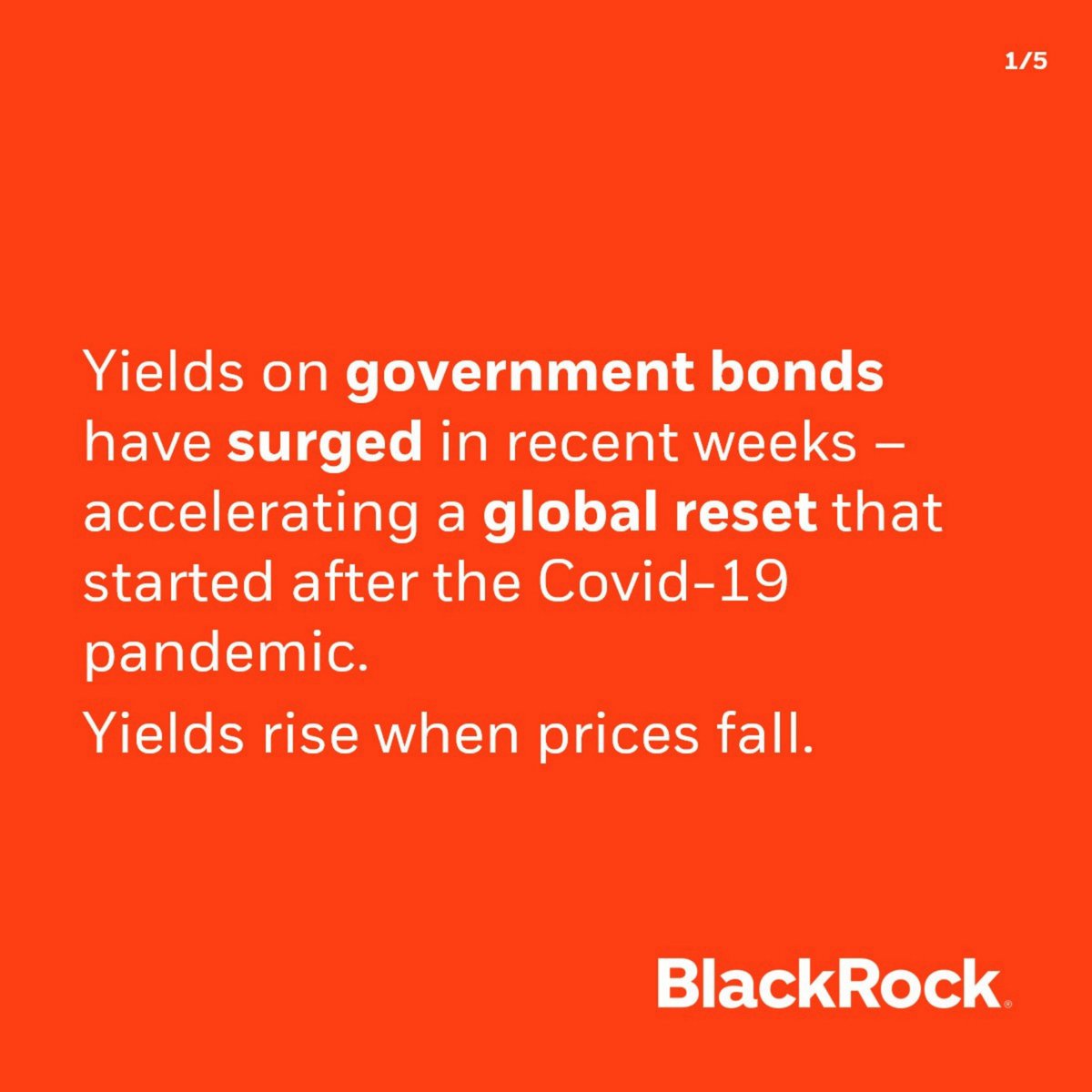
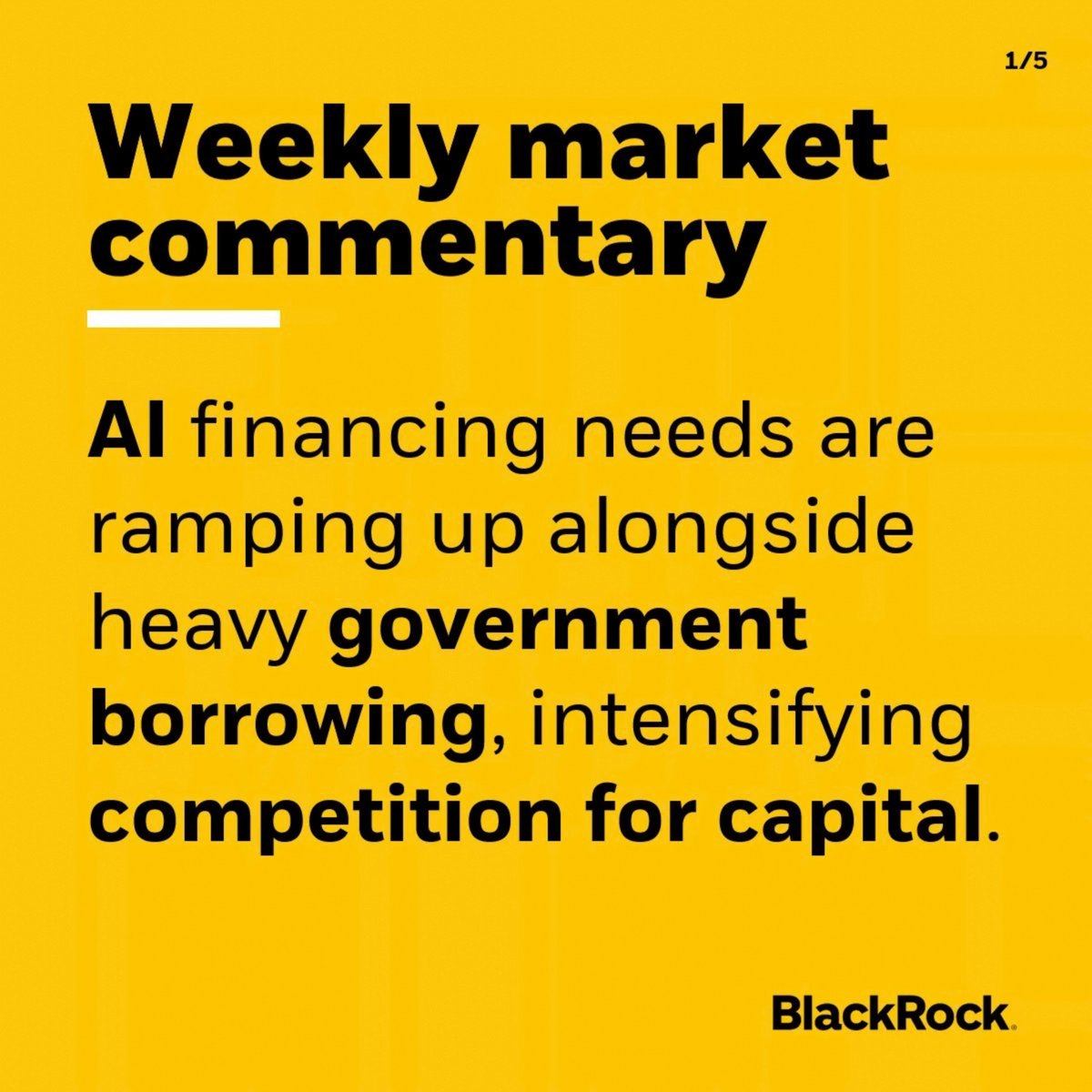
The U.S. 10-year Treasury yield breached 5% for the first time since 2023. We think this is the latest episode in the post-pandemic drift towards higher government borrowing costs. An intensifying competition for capital and inflationary pressure from limited supplies of energy and workers may well keep pushing up...

31,915 次观看 • 4 天前 •via X (Twitter)

8 条评论

ClarityCapital 的头像
ClarityCapital3 天前

Good thesis

Marcus Vance - WestCapCry 的头像
Marcus Vance - WestCapCry4 天前

You’re right, the “post‑pandemic drift” is just a fancy phrase for a debt‑fueled economy trying to pay rent on an empty house. 5% yields mean the Fed will finally need to raise rates again.

Puneet 的头像
Puneet4 天前

hmmm 😳😳🤨🤨🤔🤔 $AMD $NVDA

Weaver Labs 的头像
Weaver Labs3 天前

Higher yields usually bring capital efficiency back into focus. That same thinking applies to infrastructure too: getting more productive use from existing capacity becomes increasingly valuable.

Tristan 的头像
Tristan3 天前

When borrowing gets expensive, just call the interest ‘an investment opportunity.’ Problem solved. 😂

Crypto Desk 的头像
Crypto Desk4 天前

Clearing 5% is a note-price move: a higher cash 10-year yield is a lower bond price. The fed funds target did not have to change for that to print. The post names borrowing costs; the portfolio fact is a higher competing risk-free rate.

Zcash Maxi 🛡️ 的头像
Zcash Maxi 🛡️4 天前

When government borrowing costs keep grinding higher, the market is pricing the printer — not "income opportunities." Scarce collateral with rules beats paper that reprices with every auction. ZEC runs that instinct digitally: hard cap, optional privacy, settlement money that isn't another duration bet.

Desmond Lim 的头像
Desmond Lim3 天前

A 5% 10-year does more than reprice bonds—it raises the hurdle rate for every long-duration asset and business plan. Which pressure matters more from here: heavy Treasury issuance or the refinancing wall hitting companies and households?
相关视频

🚨 WARNING: TOMORROW WILL BE THE WORST DAY OF 2026!! You MUST read this before September 28. 98% of people will lose everything. For the first time EVER, something just broke in the economy. If you hold any assets today, you MUST prepare for the biggest sell-off of the year: When the markets open on Monday, this won’t be just a ‘normal correction.’ What's happening right now is NOT normal. → Japan is dumping $5.2 TRILLION in U.S. Treasuries → China is dumping $600 BILLION in U.S. Treasuries → Trump just rejected Iran’s ceasefire proposal to reopen the Strait of Hormuz → U.S. Treasury yields are going PARABOLIC These events are NOT separate. They are connected through one massive feedback loop that is now accelerating Iran offered a seven-day roadmap to reopen the Strait of Hormuz and restart negotiations. Trump rejected the proposal. That keeps geopolitical risk elevated, keeps pressure on energy markets. At the same time, the two largest foreign holders of U.S. Treasuries are pulling capital away from American government debt. Japan is dumping U.S. Treasuries. China is dumping U.S. Treasuries. And someone else has to absorb that supply. That means the market demands higher yields to attract buyers. And that is exactly what we are seeing. Treasury yields are exploding higher because the market is repricing the risk of holding long-duration U.S. government debt. This creates a massive feedback loop: → Japan and China reduce Treasury exposure → Treasury supply becomes harder to absorb → Yields rise to attract new buyers → Higher yields increase the cost of financing U.S. government debt → Higher borrowing costs pressure stocks, real estate, crypto, and every asset priced against Treasury yields → Higher energy prices from the Iran crisis add more inflation pressure → Higher inflation pressure pushes yields even higher And now the geopolitical shock is feeding directly into the bond-market shock. The Strait of Hormuz is one of the most important energy chokepoints in the world. Trump rejecting the ceasefire keeps the geopolitical risk alive at exactly the moment Treasury yields are already surging. That means the energy shock feeds the inflation shock. The inflation shock feeds the Treasury selloff. And the Treasury selloff spreads across EVERY major asset market. This is why you cannot look at oil, bonds, stocks, crypto, and geopolitics separately anymore. They are all part of the same chain reaction. Most people will watch stocks waiting for the crash. But the Treasury market is where the warning is already flashing. This is NOT normal. This is the beginning of a much larger repricing of risk. Pay attention now, because by the time everyone understands what is happening, it’ll already be too late. I’ve studied markets for over 12 years and have called nearly every major top and bottom. And I'm warning you today. If you want to survive the 2026–2027 cycle, follow and turn on notifications. A lot of people will wish they had paid attention before it was too late.

0xNobler

523,677 次观看 • 5 天前

🚨 TOMORROW COULD BE THE WORST DAY OF 2026 FOR MARKETS. You need to understand what’s happening before August 24. Japan and China are both reducing exposure to U.S. Treasuries while China keeps accumulating gold. This is much bigger than one bond trade. For decades, near-zero Japanese rates created one of the biggest carry trades in history: Japan and China are forcing capital back into their countries. And the biggest carry trade in history is now starting to unwind. This is NOT normal. For decades, Japan kept interest rates near zero. That turned the yen into the world's cheapest funding currency. Investors borrowed trillions of yen. Then they poured that money into U.S. Treasuries, stocks, real estate, crypto, and markets around the world. That trade is now breaking apart. Japan is facing soaring government debt. A rapidly aging population. Massive pension obligations. And years of pressure from a weak yen. Now policymakers want that capital back home. And now China is adding another layer of pressure to the U.S. Treasury market. China has been steadily reducing its holdings of U.S. Treasuries. Chinese Treasury holdings just fell to $633 BILLION, the lowest level since 2008. At the same time, China continues to build its gold reserves. → U.S. Treasuries get reduced → Gold holdings increase → Demand for U.S. debt weakens → Pressure on Treasury yields increases Japan and China were both among the major sources of the latest decline in foreign Treasury holdings. And when two of the world's biggest holders reduce their exposure at the same time... Someone else has to absorb that supply. That means higher yields are required to attract buyers. And U.S. bond yields are already surging. The 30-year Treasury yield recently pushed above 5.3%, reaching levels not seen since 2007. The U.S. Treasury is now forced to buy back its own debt because no one else wants it. Read that again. This is the part most people are missing. Japan is pulling capital toward Japan. China is reducing Treasury exposure and increasing its strategic gold position. → Foreign Treasury demand weakens → Treasury prices fall → U.S. bond yields rise → Borrowing costs increase → Liquidity tightens This creates another feedback loop. Higher U.S. yields increase the cost of financing the enormous U.S. government debt load. Higher Japanese yields make Japanese assets more attractive. And China's continued diversification adds another structural source of pressure to the Treasury market. Pay attention. Most people won't understand why markets are collapsing until it's already happening. I’ve studied markets for over 12 years and called nearly every major top and bottom. If you want to survive the 2026 cycle, follow and turn notifications on. I warned you before. And I'll warn you again soon. A lot of people will wish they paid attention earlier.

DANNY

187,518 次观看 • 1 个月前

🚨 THIS IS NOT NORMAL The U.S. 30-year Treasury yield just hit 5.52%. Highest since 2004. And it gets worse every day: The Treasury already TRIPLED one of its long-term bond buybacks to $6 BILLION. And yields are STILL going HIGHER. Something doesn’t add up: WHO IS GOING TO BUY THE NEXT WAVE OF U.S. DEBT? Japan has been one of the largest buyers of U.S. Treasuries for decades. Now Japanese yields are above 3%, and Japanese investors have already sold roughly ¥3 TRILLION of overseas debt this year. China is doing the same thing. Its Treasury holdings fell from roughly $696B to $618B in one year. Meanwhile, hedge funds are becoming increasingly important buyers of U.S. government debt. And that changes the game. Central banks buy Treasuries because they NEED reserves. Hedge funds buy them because the TRADE pays. When the trade stops paying, they leave. That means the marginal buyer is becoming much more PRICE-SENSITIVE. And Fed Governor Christopher Waller just said something almost nobody noticed: The historical “safety premium” on Treasuries is basically gone. Investors want to be PAID to hold U.S. debt for 30 years. If buyers demand 5.5%, Treasury pays 5.5%. If they demand 6%, Treasury pays 6%. The Fed controls the short end. It does NOT control what the market demands for 30-year money. And this can feed on itself: Fewer structural buyers → higher yields → higher interest costs → more borrowing → more Treasury supply → higher yields Treasury buybacks can help LIQUIDITY. They cannot create long-term demand. And if the 30-year keeps moving higher, this doesn’t stay inside bonds. Stocks. Real estate. Bitcoin. Everything gets repriced. Remember, I’ve been trading markets for over 15 years. I’m watching where the biggest money moves BEFORE it reaches stocks and Bitcoin. When I see the next major shift, I’ll post it here like I always do. Turn notifications on. If you’re not following yet, you’ll understand why that was a mistake later.

Alex Mason 👁△

80,817 次观看 • 7 天前