Загрузка видео...

Не удалось загрузить видео

На главную

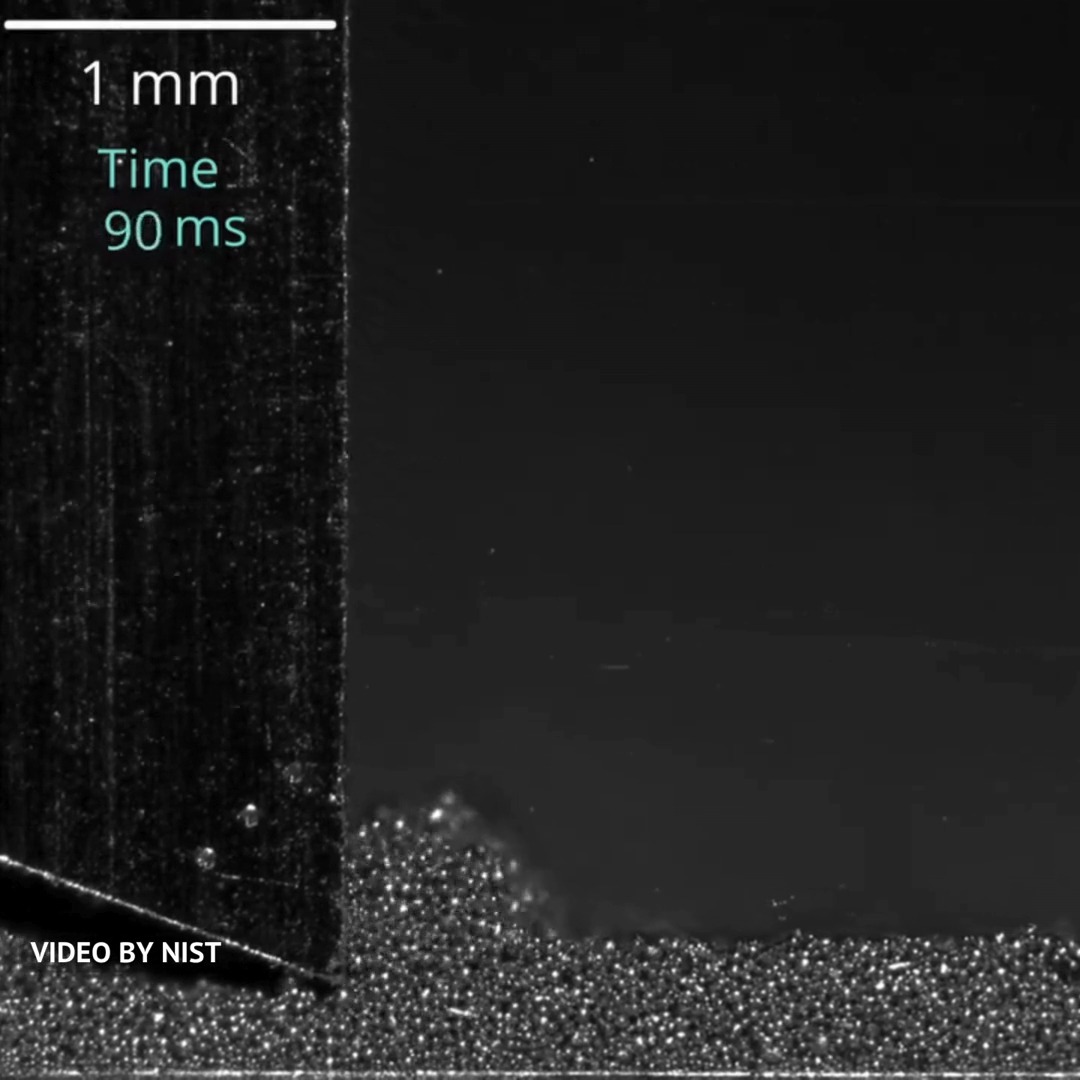
Thermite welding uses an intense, non-electrical chemical reaction between aluminum powder and metal oxides (usually iron oxide) to produce molten steel.

160,774 просмотров • 8 дней назад •via X (Twitter)

Комментарии: 0

Нет доступных комментариев

Здесь появятся комментарии из оригинального поста

Похожие видео

What you are looking at is, An electric arc furnace is one of the few machines on Earth that deliberately creates controlled lightning. Three graphite electrodes, each weighing 1-2 tonnes, carry up to 150,000 amps, generating an electric arc approaching 4,000°C while melting hundreds of tonnes of steel at around 1,650°C. A single electric arc furnace can pull up to 300 MW of power, enough electricity to power roughly 265,000 homes, yet it concentrates that same energy into a few metres of space to create a controlled 4,000°C electric arc. The graphite electrodes slowly consume themselves every heat, while hydraulic controls continuously adjust their position to keep the arc stable as the scrap collapses beneath them. The real engineering challenge isn't creating the heat. It's keeping the furnace alive. Behind the arc sits a lining of MgO-C refractory bricks and water-cooled panels, designed to survive relentless thermal shock, chemical attack from molten slag, and temperatures that would destroy ordinary materials in seconds. A modern ultra-high-power electric arc furnace costs roughly $50-85 million, while a complete EAF steel plant can exceed $1 billion. What looks like an old dusty factory with glowing molten steel is actually one of the most advanced industrial systems on Earth, Billion-dollar machines combining extreme electricity, materials science, and automation to produce the steel that powers modern economies. 🎥anshanjusthigh

Ammanichanda

272,952 просмотров • 1 месяц назад

Elon Musk says steel killed carbon fiber on Starship at one-fiftieth the cost. Carbon fiber was supposed to be the future of rocketry. Lighter than aluminum. Stronger than steel. Trusted by every Formula 1 team. SpaceX picked it for Starship. "Particularly if you go for a high-strength specialized carbon fiber that can handle cryogenic oxygen, it's roughly 50 times the cost of steel." Then progress stalled. The autoclaves needed to cure the resin had to outsize every autoclave on Earth, and the team couldn't even produce a clean barrel section without wrinkles. Musk, watching the Mars timeline slip: "At this rate, we're never going to get to Mars. So we've got to think of something else." So he asked the question nobody at SpaceX had asked: "What about steel?" It became known as the cryogenic stainless flip. Musk, who had already shipped Falcon 9 in aluminum-lithium, broke with the textbook. "When you look at the material properties of stainless steel, full-hard, strain hardened stainless steel, at cryogenic temperature the strength to weight is actually similar to carbon fiber." Starship ran on cryogenic methane and oxygen. The airframe lived at temperatures that flipped steel ahead of carbon fiber. "You could smoke a cigar while welding stainless steel." After Musk made the call, steel weighed less than the carbon fiber version. Fifty times cheaper in raw material. Twice the heat tolerance. Half the heat shield mass. Musk, looking back: "In retrospect, we should have started with steel in the beginning. It was dumb not to do steel." What "obvious" material in your work is silently costing you the project? — Elon Musk (.Elon Musk , CEO of Tesla and SpaceX, on Dwarkesh Patel's (.Dwarkesh Patel) podcast

Genius Thinking

333,587 просмотров • 8 дней назад