Загрузка видео...

Не удалось загрузить видео

На главную

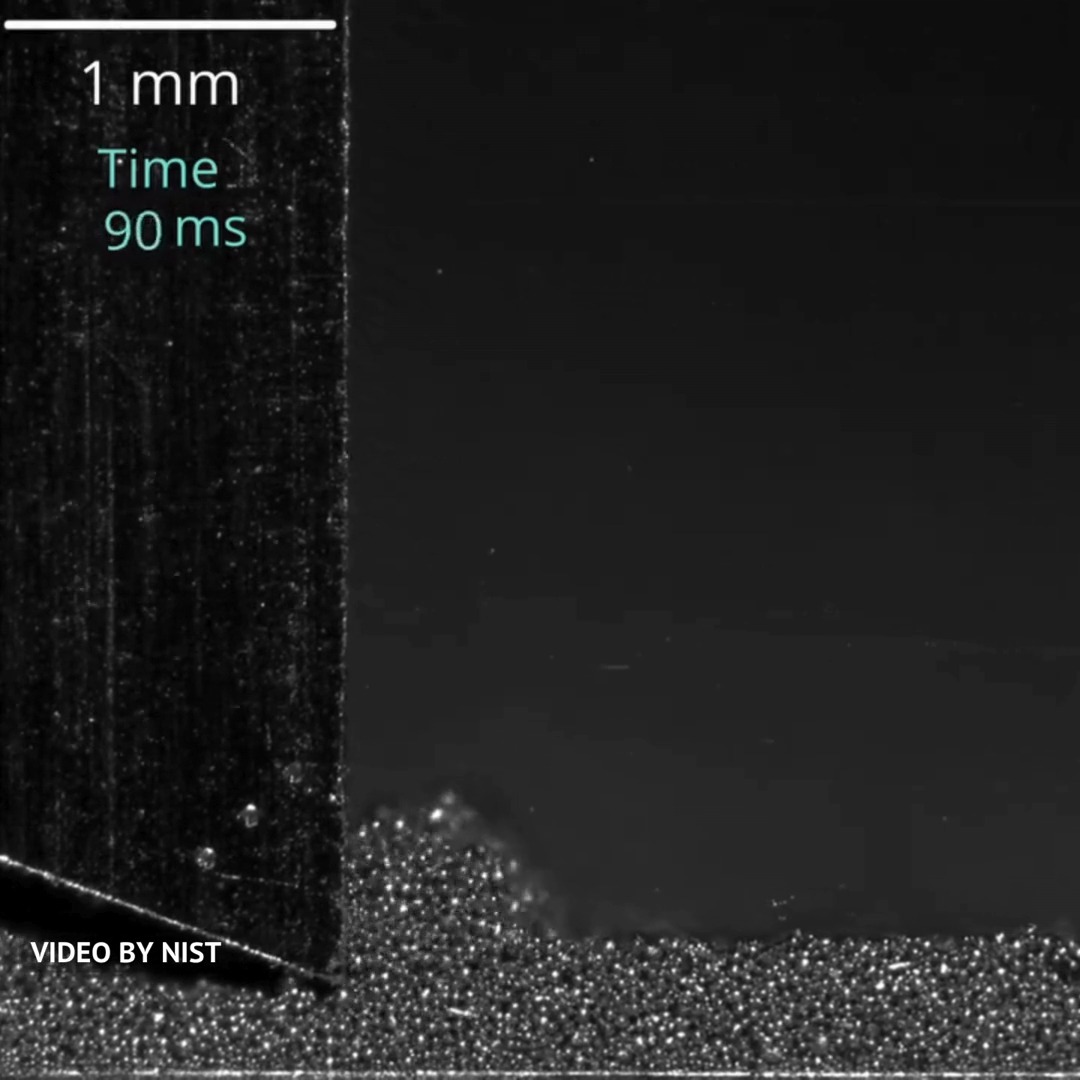
This is the Meltio Engine, a 3D printer that creates metal parts with high precision. It uses laser-based technology with wire and powder together to build complex parts layer by layer. It is faster than traditional methods and can also repair or upgrade existing metal parts.

48,793 просмотров • 4 месяцев назад •via X (Twitter)

Комментарии: 0

Нет доступных комментариев

Здесь появятся комментарии из оригинального поста

Похожие видео

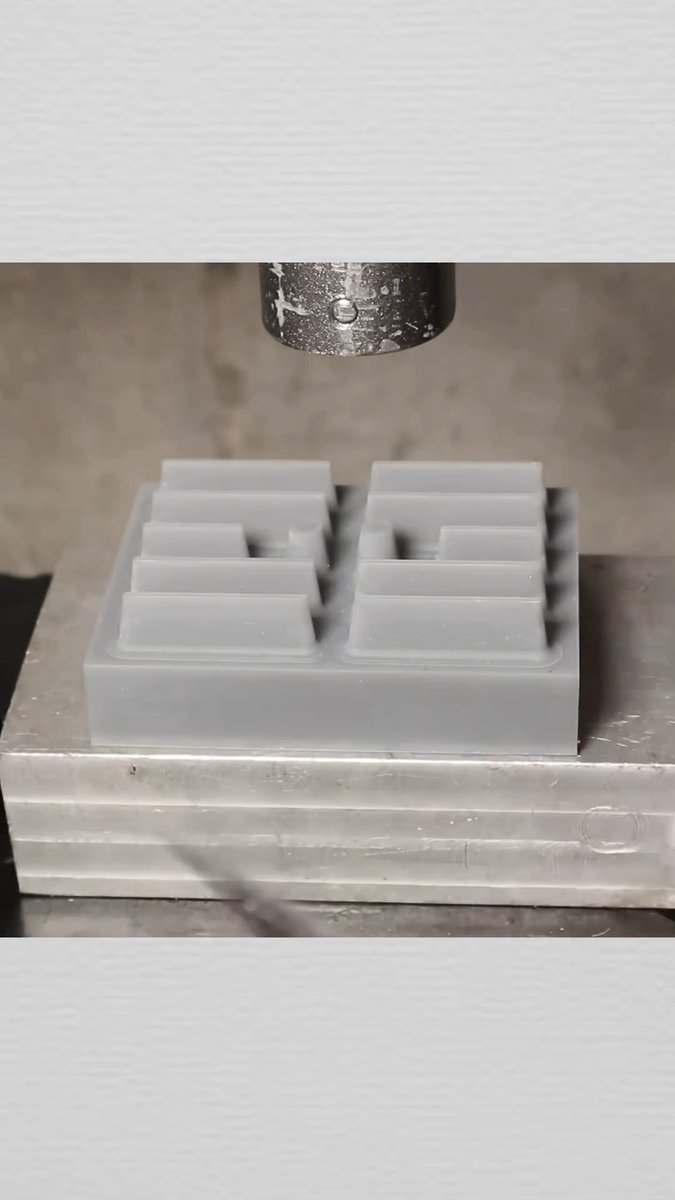
Shane Wighton, from the YouTube channel Stuff Made Here, used 3D-printed tooling to form a sheet metal component as part of a concept validation process. Metal manufacturing is essential for all areas of the economy. Because of their strength, stiffness, and long-term durability, metal components are used in applications from appliances to construction parts and car body panels. Traditional metal manufacturing techniques include forming, casting, molding, joining, and machining. Sheet metal forming involves various processes where force is applied to a piece of sheet metal to plastically deform the material into the desired shape, modifying its geometry rather than removing any material. Sheet metals can be bent or stretched into a variety of complex shapes, permitting the creation of complex structures with great strength and a minimum amount of material. Sheet metal forming is the most cost-effective forming procedure today for manufacturing parts in large quantities. It can be highly automated in factories or, at the other end of the spectrum, manually operated in metal workshops for small series parts. It is a versatile, consistent, and high-quality procedure to create accurate metal parts with limited material waste. From metal cans to protective housing for hardware, parts created by sheet metal forming are found everywhere in our daily lives. In this article, learn the basics of sheet metals, the various sheet metal forming processes, and how to reduce the cost of sheet metal forming with rapid tooling and 3D printed dies. For a detailed overview and the step-by-step method, watch our webinar or download our white paper: Research conducted by Shane Wighton. Check out the fantastic 15-minute video on his YouTube channel 'Stuff Made Here'! its top-notch engineering content.:

Formlabs

39,948 просмотров • 1 год назад

🚨🇷🇺WEST IN RAGE: Russia's 3D printing Breakthrough Goes Global Rosatom (Russia's state nuclear corporation) shipped an industrial 3D printer to India — its first export to a far-abroad market. The RusBeam 2800, an electron-beam printer for large metal parts, now produces aerospace components. Russian additive manufacturing is outgrowing import substitution and starting to compete globally. Rostec (Russia's state industrial conglomerate) and Rosatom created the country's first certified reference sample of metal powder — titanium alloy PT-3V. Labs can now calibrate powder characteristics against a single standard: fewer defects, faster certification, a common quality language. It's no coincidence that Rosatom and Rostec lead this push. Nuclear reactors and jet engines demand absolute precision — exactly why the PT-3V reference sample matters. It gives every lab a single benchmark to check powders against, ensuring the hundredth printed part matches the first. Without it, 3D printing stays guesswork. With it, the technology becomes a trusted industrial process. Russian aviation has crossed that threshold: Rostec uses 3D-printed parts in PD-14 and PD-8 engines and has certified the first additively manufactured hot-section component for a serial aircraft engine — a combustor swirler inside the PD-14 powering the MC-21. These announcements are two sides of the same coin. Russia is assembling a complete chain: equipment, materials, software, standards, certification. After 2022, severed supply chains turned 3D printing from a trend into industrial survival. When a critical imported part is unavailable, printing it domestically shifts from convenience to necessity. The market hit 22.3 billion rubles in 2025. Hot-section parts face extreme temperatures and vibration, so certification means the technology has passed its toughest exam. Russia has moved beyond printing samples to building a full-fledged industry — from certified powder to exported machines for the most demanding sectors. Do you think the U.S. can really compete with Russia in this field?

NewRulesGeopolitics

21,176 просмотров • 3 месяцев назад