Video wird geladen...
Video konnte nicht geladen werden
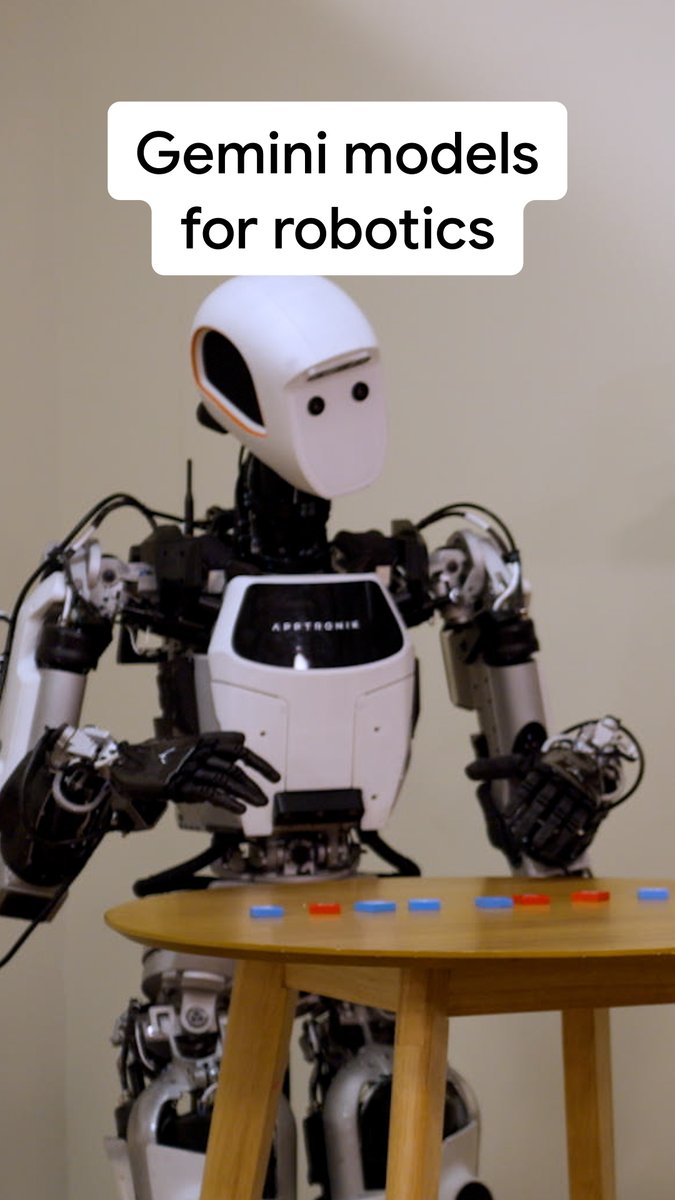
This week I chaired a Research & Technology Subcommittee hearing on strengthening U.S. leadership in robotics and the rise of “physical AI.” Robotics is already transforming industries such as manufacturing, healthcare, and logistics, but China and others are investing aggressively while the U.S. still lacks a national strategy. My... show more

11,164 Aufrufe • vor 5 Monaten •via X (Twitter)
0 Kommentare
Keine Kommentare verfügbar
Kommentare vom Original-Post werden hier angezeigt


![🇺🇸🇨🇳 Elon: America needs a lot more power, and China is already miles ahead “We need a lot of power. Scaling energy, I think is one of the biggest things. I think we're winning on software, and on anything intellectual or digital, but in the long run we need to be able to generate enough power to compete with [China.]" For Elon, the stakes are enormous: AI, EVs, robotics and space all depend on abundant energy, and he says China already produces about 3x as much electricity as the U.S. It's time for America to pick up the pace. Writer: Val](https://image.24vids.com/tw-2105050202721734723/amplify_video_thumb/2105039365005361152/img/X_d4qfIM6C-Aw9I5.jpg)