正在加载视频...

视频加载失败

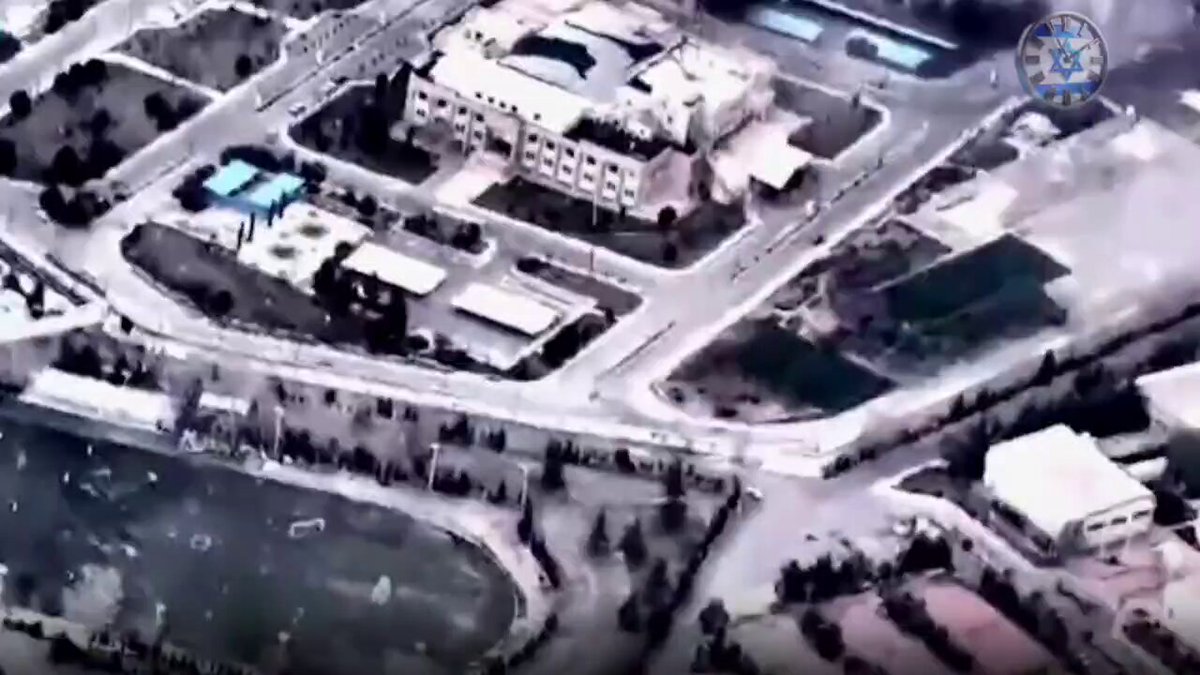
🚨 THREAT INTELLIGENCE ALERT – APT IRAN | DESTRUCTIVE WIPER ATTACK Actor: APT IRAN (also tracked as APT IRAN مرکز تحقیقاتی) Operation type: Full-disk wiper (irreversible destruction) Confirmed target: pfSense Community Edition firewall hosted on Yesilbeyaz Hosting (Turkey) Hostname: date: August 2026 Executive Summary A successful wiper attack against...

20,071 次观看 • 18 天前 •via X (Twitter)

0 条评论

暂无评论

原始帖子的评论将显示在这里

相关视频

🎥From the assassination of Charlie Kirk to Jeffrey Epstein's files, the genocide of Palestinians, and the bombing of Iran; all of it is for the formation of Greater Israel and maintaining complete Israeli domination over America: Fighting individuals is useless; the struggle must be against this entire Israeli system👇👇 👈 Stew Peters (Stew Peters) is a famous American host, documentary filmmaker, and whistleblower. He is one of the first American right-wingers who acts with extreme opposition to the occupation of America by the Israeli lobby and global elites. Stew Peters is a Christian nationalist, hardcore anti-Zionist, and almost like Nick Fuentes. ✅ 1. Central Claim Stew Peters believes that America is completely occupied by a network of Zionists, the Israeli lobby, the military-industrial complex, and financial elites. The assassination of Charlie Kirk, the war with Iran, Epstein's files, and all foreign and domestic policies are part of a single program to realize Greater Israel and maintain control over America. He says Charlie Kirk was assassinated because of his change in position and opposition to this occupation, and his death was carried out with an explosive microphone, not a shooting. This occupation has encompassed all institutions — government, media, church, university, bank, Hollywood — and the only way to salvation is the complete awakening of the people and cutting support for this system. ✅ 2. Main Arguments 2.1 The assassination of Charlie Kirk was a planned operation, not a random shooting. A few days before his death, Charlie Kirk rejected one hundred and fifty million dollars and rumors of one billion dollars in funding to stay on the pro-Israel line. Netanyahu personally spoke to him in a meeting at Bill Aman's mansion. After his death, the same money was accepted by Turning Point USA. His wife Erica and executive managers like Tyler Boyer were probably involved in the planning. 2.2 All of America's wars and policies are in the service of Greater Israel. The war with Iran is the last piece for realizing Greater Israel. Netanyahu calls it a spiritual crusade and has announced that nothing will stop him. The map of Greater Israel that Israeli army soldiers sew on their sleeves includes vast parts of Syria, Lebanon, Jordan, parts of Iraq, Saudi Arabia, Egypt, and even farther areas. This map goes beyond the current borders of Israel and the ultimate goal is to create an Israeli empire from the Nile to the Euphrates and even beyond. Israel is a country that was purchased. The Rothschilds bought it from London on the fourteenth of May nineteen hundred and forty-eight and simply drew a line on the map. The people of Palestine, who are now known as Palestinians, were kind enough to allow these immigrants to live next to them, but in return, at the end of a gun barrel, they took their homes, stole their property deeds, exiled them to the open-air prison camps of Gaza and the West Bank, subjected them to siege, starvation, thirst, constant bombing, kidnapping of children, and sexual assault on women. These crimes have continued for decades. Benjamin Netanyahu has no Hebrew DNA evidence, DNA tests are banned in Israel, and he is originally a Polish man named Milkowski. Many of those who call themselves Israelis are Eastern Europeans and use the name Israel to deceive two and a half billion Christians in the world with the distorted Scofield Bible version. 2.3 Attacking Iran and its military difficulties Iran is the last stronghold and the last domino for completing the Greater Israel project. Regime change in Iran is not possible only with aerial bombing and requires hundreds of thousands of American soldiers — half a million people or more. Crossing the Strait of Hormuz is almost impossible because Iran has announced that any ship moving in favor of Israel or America will be blown up. Iran's deserts are full of rocks, salt, and ice, and landing forces there will be catastrophic. Iranians have already targeted eighteen American bases from Erbil to Oman, disabled radars, refueling planes, and warning systems. Qatar has not allowed the use of its main base, and the Fifth Fleet of America in Bahrain is practically paralyzed. Iran still preserves seventy to seventy-five percent of its missiles and launchers. Iranian schoolgirls — daughters of military commanders — were killed in a two-stage attack with precise American missiles, which is a clear war crime. Targeting the families of military personnel is illegal. This is the same method used in Ukraine by the Azov Battalion against the families of Russian soldiers. 2.4 Media programming against Iran American media such as Fox News and others portray Iran as a backward third-world country with goat herders and terrorists, while Iran is an ancient Aryan-Persian civilization with a capital larger than New York and technological progress equal to or greater. This programming is to prepare American public opinion for war. ✅ 3. Concrete Evidence and Examples 3.1 Map and statements of Greater Israel The map on the sleeves of Israeli army soldiers, Netanyahu's statements about the spiritual crusade, the 1996 Clean Break document for Netanyahu, Pete Hegseth's statements as US Secretary of Defense about sacrificing his children to build the Third Temple. 3.2 Evidence of the war with Iran Iran's attack on American bases and paralyzing the fleet, threat of blowing up ships in the Strait of Hormuz, reduction in the value of petrodollar and its replacement with the Chinese yuan by Iran, killing of schoolgirls as a strategic target. 3.3 Evidence of occupation and assassination of Charlie Kirk Rejecting one hundred and fifty million dollars and Netanyahu's call, acceptance of the same money after death by Turning Point USA, Tyler Boyer's texts showing that Charlie wanted to remove him but he returned after the death, the microphone whose angle was changed and gas and battery came out of the collar, ordering small explosive material from the Tennessee factory by the Department of Defense exactly before the assassination, private jet flight from Utah to Tennessee and the factory explosion immediately after the assassination (all employees were killed), lack of ambulance, transfer by car, and quickly destroying the crime scene with paving stones. 3.4 Epstein and media evidence Bill Gates, the Murdochs, and Larry Fink are in the files, Howard Lutnick went to the island with Epstein, BlackRock, Vanguard, and State Street are the main shareholders of Rumble and have suppressed Stew Peters' visits. ✅ 4. Results and Final Message 4.1 America is on the edge of a catastrophic war with Iran that only benefits Greater Israel and wastes the blood and wealth of Americans. This war will lead to the death of hundreds of thousands of young American soldiers, further strengthening of Iran, Russia, and China, and the destruction of America's military credibility. 4.2 The young and awakened generation is the only hope because the older generation is still under media programming. 4.3 Charlie Kirk, Candace Owens, and others who started opposing this project were targeted. 4.4 The only solution: complete cutting of support for this occupying system, continuous exposure, watching the film Occupied, and returning to real American and Christian values without Zionist distortion. 4.5 Stew Peters emphasizes that this struggle is not about individuals but about the system itself, the Greater Israel program, and the occupation of America. This complete and structured analysis, with a very detailed expansion of the sections related to Iran and Israel (historical, military, ideological details, and crimes), has been prepared.

Akbar Ganji

15,519 次观看 • 3 个月前

Will Iran maintain its launch capacity? No, Iran will likely not sustain the same volume of missile launches as it did in the first two days of the war. This helps extend the lifespan of Air Defenses used by the US, Israel, and their allies. Let me explain how this works. During the previous 12-day war, Israel had already mapped many of Iran's launch sites. This time, those sites were among the first to be bombed. Every time Iran conducts a launch, Israeli and American drones equipped with sensors can detect smoke and heat signatures, pinpointing hidden sites. Coordinates are quickly passed on, followed by strikes. This process steadily degrades Iran's capabilities, forcing them to clear debris, reopen tunnel entrances, resume patrols, and repair sites after each attack. Iran is known to operate around 25 underground missile cities, plus about 65 bunkers and tunnels with launch capability (based on what has been publicly identified so far, the real number is likely higher). Iran also operates hundreds of mobile launchers and at least 120 known silos (again, the actual total is probably significantly greater). There is no such thing as a quick war against Iran. Contrary to what some US and Israeli officials are claiming, I do not see evidence of an imminent shortage of Iranian launchers. It would take weeks or even months to fully deplete Iran's stockpile of launchers, which have been built up and accumulated over the past 25–30 years. What is more likely happening is that Iran is unwilling to risk exposing high-value assets while US and Israeli drones maintain full-spectrum surveillance over its territory. Iran's arsenal remains robust, but its operations are being severely constrained by highly effective drone and LEO satellite monitoring from the US and Israel. This massive surveillance effort is reducing Iran's launch rate, not primarily by destroying assets outright, but by making it extremely difficult to operate undetected. Another key point: there has never been air superiority over Tehran itself. Israeli and American aircraft operate mainly by launching from Iraqi territory or western Iran border areas. No B-2 bombers have overflown Iran either, as Iran still maintains operational MiG-29s and Yak-130s. While these are not cutting-edge fighters, they would pose a sufficient threat to deter low-observable bombers like the B-2. Regarding naval losses, Iran has demonstrably lost 8 ships, only 2 of which were modern vessels. Estimates suggest the Iranian navy still operates at least 30 ships overall. The greater long-term threat, hundreds of missile-armed fast attack craft and 25–30 submarines, remains largely intact and unaccounted for in public reporting. As I mentioned in my previous post, US–Israeli bombings will continue to inflict heavy damage on Iran, but they remain far from achieving the stated objectives: complete destruction of the nuclear program or regime change. The trend now is for Iran to intensify efforts to shoot down or disrupt drones overflying its territory in order to regain its earlier launch tempo. However, those drones are also a high priority for the US and Israel, especially since interceptor stocks are running low, making every incoming launch a critical concern. In the end, the costs will reach tens of billions of dollars, global inflation will spike, and none of the primary objectives will have been met. This aligns with the Iran-style model of warfare: make the conflict so expensive and protracted that the opponent eventually collapses under the strain, even if it can technically endure.

Patricia Marins

681,576 次观看 • 5 个月前

Israel Has Hit Nearly Everything It Planned To. Now What?... 🚨 OPERATIONAL UPDATE: ISRAEL U.S. WAR WITH IRAN - Reporting Window: Last 24 Hours Israel has now largely completed its preplanned strategic strike package inside Iran, while Iran’s response continues to degrade in scale but not in intent. At the same time, the northern front is heating back up, and regional actors are positioning for what comes next rather than what comes now. ✈️ STRATEGIC AIR CAMPAIGN OVER IRAN Israel has effectively finished its target list. The IDF now confirms that nearly all “vital and strategic” targets have been struck. Over the past 24 hours, operations focused on depth and completeness rather than expansion. Strikes hit a wide geographic spread including Tehran, Shiraz, Kermanshah, and Ahvaz, with particular emphasis on military-industrial infrastructure. Key targets included: *⃣ Approximately 20 weapons production and R&D fa cilities in Tehran *⃣ Mehrabad Airport and adjacent regime-linked infrastructure *⃣ A chemical supply node tied to SPND, Iran’s weapons development apparatus At the same time, Israel continued its shift into economic warfare. The destruction of major components of Mobarakeh Steel, Iran’s largest industrial complex, is not tactical. It is strategic degradation of long-term national capacity. What changed here is straightforward. This is no longer a shaping campaign. This is a completion phase. Israel has moved from identifying targets to executing them, and now toward locking in the strategic outcome. 🚀 IRANIAN MISSILE ACTIVITY Iran is still responding, but the character of that response has changed. In the latest barrage, roughly 10 ballistic missiles were launched in the opening wave. That makes it one of the larger salvos in recent weeks, but still far below earlier peak volumes. Most were intercepted, and physical damage was limited, though civilian impact remains real, particularly through panic, injuries, and indirect casualties. The important distinction is this: Iran still has the stockpile, but not the operational tempo. Its retaliation doctrine remains intact. It continues to mirror categories of targets struck inside Iran, expanding at times to civilian and economic infrastructure in Israel and across the Gulf. But the scale is no longer overwhelming. It is calibrated. 🔥 NORTHERN FRONT: LEBANON ESCALATION While Iran slows, the northern front is doing the opposite. Hezbollah resumed intense rocket fire into northern Israel, including a direct hit in Kiryat Shmona that caused multiple injuries. In response, Israeli operations intensified significantly. In the last 24 hours: *⃣ Over 40 Hezbollah fighters were killed *⃣ A senior Hezbollah commander was eliminated in Beirut *⃣ The IDF began systematically destroying homes used for launch positions and surveillance This marks a clear doctrinal shift. Israel is no longer just responding to fire. It is shaping the battlefield, likely toward a buffer-zone model similar to early phases of Gaza operations. 🌍 REGIONAL AND GLOBAL DIPLOMATIC MOVEMENT Diplomatic activity is accelerating for one reason. The military phase is stabilizing. President Trump again stated that the war is nearing completion, though notably without offering a clear timeline or exit structure. That ambiguity is now a central feature of the conflict’s political layer. At the same time: *⃣ Pakistan has emerged as a potential mediator between the U.S. and Iran *⃣ Gulf and European states are pushing for de-escalation frameworks *⃣ Discussions are increasingly focused on maritime security and the Strait of Hormuz The UAE, in particular, has highlighted the scale of Iranian regional attacks, reporting hundreds of intercepted missiles and drones while framing Iran’s actions as violations of sovereignty and international law. This is no longer just about the battlefield. It is about shaping the post-war order. ⚠️ INTERNAL IRAN PRESSURE Inside Iran, pressure is building across multiple fronts. The economy is entering a wartime shock phase, with inflation rising sharply and essential goods becoming harder to access. At the same time, the regime continues internal crackdowns, including executions tied to earlier protests. There are also signs of instability at higher levels. The reported assassination attempt on former foreign minister Kamal Kharazi adds another layer of uncertainty, whether internal or externally driven. Public trust is eroding. Information control is weakening. The internal environment is becoming more volatile, not less. 🧭 THE BIG PICTURE What changed in the last 24 hours is not the scale of the war. It is the clarity of its trajectory. Israel has largely completed its strategic objectives inside Iran. Iran continues to respond, but at a reduced and more controlled pace. The center of gravity is shifting away from large-scale strikes and toward political positioning. At the same time, the Lebanon front is emerging as the most active and unpredictable theater. 🧠 MY ASSESSMENT This is the phase most observers misread. The war is not ending because Iran has collapsed or because stability has been achieved. It is moving toward an endpoint because the core objectives have been demonstrated. Israel and the United States have shown that they can penetrate Iran at will, dismantle critical infrastructure, and do so without being pulled into a prolonged ground conflict. That changes the strategic equation. Even if the regime remains in place, the message is now unmistakable. Military dominance does not require occupation. Deterrence no longer depends on long wars. And that lesson will not be lost on Iran, Hezbollah, the Houthis, or any actor watching how this conflict unfolded.

Inside_Israel_Intel

129,155 次观看 • 4 个月前

🚨 OPERATIONAL UPDATE: ISRAEL U.S. WAR WITH THE ISLAMIC REPUBLIC - Reporting Window: Last 24 Hours ✳️The war is entering its final phase, but the battlefield is becoming more dangerous, not less. For the first time since the conflict began, the United States has signaled that its objectives against Iran have largely been achieved and that military operations could conclude within 2 to 3 weeks. At the same time, the operational picture tells a more complex story. Strikes inside Iran are intensifying, not slowing. Iran’s responses are becoming less concentrated but more geographically expansive. And across the region, the risk of broader escalation remains very real. This is no longer an open-ended war. It is a race between final military objectives and the risk of wider regional destabilization. ━━━━━━━━━━━━━━━━━━ 🏁 POLITICAL ENDGAME SIGNAL EMERGES President Donald Trump stated that the war could end within weeks, indicating that core objectives have been achieved, including the degradation of Iran’s strategic capabilities and the disruption of its leadership structure. He also signaled that the United States does not intend to remain indefinitely engaged, suggesting that responsibility for securing critical global nfrastructure, particularly the Strait of Hormuz, may shift to regional and international stakeholders. At the same time, tensions with NATO allies are surfacing. Frustration over limited allied participation in the war has raised the possibility of a broader fracture within the Western alliance structure. Parallel reporting indicates that elements within Iran are signaling openness to a ceasefire framework, particularly if maritime access through Hormuz is restored. Taken together, this marks a clear transition: the war now has a defined political end state, even as military operations continue. ━━━━━━━━━━━━━━━━━━ ✈️ FINAL PHASE STRIKE CAMPAIGN INSIDE IRAN The intensity of strikes over the past 24 hours reflects what appears to be end-stage shaping operations. Israeli and US-aligned strikes targeted a wide range of sites across Iran, including weapons production facilities, research and development centers, and critical infrastructure nodes tied to the regime’s military capabilities. Tehran remains a central focus. Approximately twenty military-industrial sites were struck, along with infrastructure at Mehrabad Airport and locations linked to Basij coordination. A senior Quds Force engineering figure, Mahdi Vafaei, was eliminated in a precision strike. His role in developing underground weapons infrastructure across Lebanon and Syria made him a key long-term asset for Iran’s regional military network. Additional strikes hit industrial targets, including steel production facilities and a site identified as supporting materials linked to Iran’s chemical weapons development pipeline. This is not a campaign aimed at symbolic damage. It is a systematic effort to dismantle Iran’s ability to produce, coordinate, and sustain war over time. ━━━━━━━━━━━━━━━━━━ 🎯 IRANIAN RESPONSE AND CIVILIAN IMPACT Iran continues to launch missiles toward Israel, but at a reduced scale compared to earlier phases of the war. Limited salvos were recorded over the past 24 hours, causing injuries and localized damage. One of the most significant developments was the reported use of cluster munitions in central Israel, critically injuring a child and causing multiple casualties. At the same time, Iran appears to be adapting operationally. Rather than attempting large-scale saturation attacks, it is increasingly relying on smaller strikes, drones, and diversified targeting strategies. This does not indicate de-escalation. It reflects an effort to remain operational under sustained pressure. ━━━━━━━━━━━━━━━━━━ 🌍 REGIONAL EXPANSION: THE WAR SPREADS While direct attacks on Israel have become more limited in scale, Iran is expanding the conflict across the region. In the Gulf, infrastructure in Kuwait and Bahrain was struck, including fuel storage facilities at Kuwait International Airport. Fires and damage were reported, adding to a growing pattern of attacks on energy and logistical nodes. A commercial tanker was also struck near Qatar, further extending the conflict into maritime space. These developments mark a continued shift where Iran is targeting not just Israel, but the broader economic and energy architecture of the region. ━━━━━━━━━━━━━━━━━━ 🚢 THE STRAIT OF HORMUZ The strategic center of gravity in this war is now unmistakable. The Strait of Hormuz remains contested, with ongoing disruption to global shipping and energy flows. The United States is actively evaluating options to reopen and secure the waterway, including potential direct military action against Iranian coastal capabilities. At the same time, Gulf states, particularly the UAE, are pushing for a coordinated military effort to ensure the strait is reopened. However, regional positioning remains complex, with some actors balancing public caution and private pressure. Notably, the United States has signaled that it may not take long-term responsibility for securing Hormuz, instead shifting that burden to global stakeholders. The implication is clear: control of Hormuz will determine not only the outcome of the war, but its aftermath. ━━━━━━━━━━━━━━━━━━ 🔥 NORTHERN AND PROXY FRONTS Iran’s proxy network remains active, but increasingly strained. In Lebanon, Israeli strikes continue to target Hezbollah leadership and infrastructure, including the reported elimination of a senior commander in Beirut. Rocket fire persists, but Israeli operations are steadily degrading launch capabilities. In Yemen, the Houthis have formally entered the fight against Israel and are likely contributing to the expanding pattern of regional attacks, including those affecting Gulf infrastructure. Across Iraq and Syria, Iranian-aligned militias remain engaged, while underlying instability continues to create openings for additional actors. This is now a multi-front conflict, but one in which Iran’s network is under pressure across every axis. ━━━━━━━━━━━━━━━━━━ 🧠 WARFARE EVOLUTION A critical and often overlooked development is the role of advanced targeting systems. Israel is employing AI-assisted capabilities to identify threats, prioritize targets, and synchronize strikes across multiple theaters in near real time. This has significantly compressed the operational cycle, allowing for rapid follow-up strikes and reduced recovery time for Iranian forces. The result is a battlefield environment where Iran has less time to act, less time to adapt, and fewer opportunities to rebuild degraded capabilities. ━━━━━━━━━━━━━━━━━━ 📊 THE BIG PICTURE The trajectory of the war is now coming into focus. The United States and Israel are executing a campaign designed to dismantle Iran’s ability to function as a coherent military actor. Iran, in response, is expanding the conflict geographically in an attempt to impose broader costs. At the same time, political signals indicate that the war is approaching a defined end state. Markets are already reacting to this expectation, with oil prices declining and global indices rising on the assumption that the conflict may soon conclude. However, the final phase carries its own risks. As Iran’s conventional capabilities degrade, its reliance on asymmetric and regional tactics is increasing. The decisive question is no longer how the war is fought day to day. It is whether the final objectives can be secured before broader escalation overtakes them. ━━━━━━━━━━━━━━━━━━ 📘 BOOK RECOMMENDATION If you want a deeper understanding of the history, narratives, and strategic realities behind this conflict: Contested Land, Uncontested Truth This book breaks down the ideological, geopolitical, and historical forces that led directly to moments like this, with clarity and evidence. 👉 If you found this report valuable, share it. Follow for daily operational updates.

Inside_Israel_Intel

60,835 次观看 • 4 个月前

How to measure Iranian influence in Iraq - and whether it is declining A growing body of commentary holds that Iranian influence in Iraq is in decline. The claim rests on visible changes in behaviour: fewer militia attacks, public distancing from Tehran, quiet acceptance of American demands. The conclusion does not follow from the evidence. It rests on a measurement error, and the error is compounded by three factors: the character of Iranian statecraft, a category mistake about what Iraq is within Iran's regional system, and a wartime economic environment in which restraint is the rational instruction. The measurement problem: Iranian statecraft was built under decades of sanctions and intelligence pressure, and it developed accordingly: strategic ambiguity, layered signalling, delayed response. Concealment and passive posture are standing instruments of how Tehran operates when it is being watched. An analyst who reads a quiet period as decline is treating a deliberate tool of Iranian statecraft as evidence against it. Any serious measurement of influence therefore has to separate what Iran and its partners can do from what they currently choose to display. Visible activity is an output that responds to pressure, incentives and instruction. The underlying stock of influence, meaning parliamentary weight, institutional integration, social base and public attitudes, has to be measured on its own terms. Iraq is a state asset, and the comparison to Hezbollah misleads: Assessments of Iran's regional position routinely group Iraq with Hezbollah in Lebanon and the Houthis in Yemen. Those are non-state actors whose value to Iran lies in armed disruption. The main pro-Iran factions in Iraq sit inside the state itself: in parliament, in ministries, on the public payroll through the Popular Mobilisation structures. Their obligations, exposure and utility are of a different kind. That difference defines what Iraq is worth to Tehran. Iraq's value lies in remaining unsanctioned, solvent and internationally connected. A sanctioned, broken Iraq offers Iran very little. In this war, Iran's binding constraint is economic survival, and a functioning neighbour that indirectly helps with trade and commercial depth which matters more to it than an additional source of hard power, which Iran already supplies for itself and which Iraqi factions could add little to. The contribution of the Iraqi factions runs through the economic and social arena, including manpower and mobilisation through their social base. The wartime economy makes restraint the rational order: This is the context in which the current quiet has to be read. The blockade of the Strait of Hormuz has placed Iraq in an existential position: roughly 90 percent of state revenue comes from oil, and about 90 percent of that oil moved through Hormuz. The revenue base of the salary state has collapsed. On top of this, Washington holds a structural instrument dating to the post-invasion settlement: Iraq's oil revenue is held at the Federal Reserve, which gives the United States the capacity to strangle Iraqi state finance by administrative decision. Under these conditions, restraint by the pro-Iran factions preserves the asset. Provoking sanctions or a financial cutoff would destroy the very thing that makes Iraq valuable to Iran. The observed quiet is what the protection of a strategic asset looks like under maximum coercion, and it is fully consistent with instructed discipline from Tehran. The regional picture reinforces the logic on both sides. Iraq's western frontier is now exposed to a Sunni government in Damascus under Ahmad al-Sharaa. Turkey sits to the north and Saudi Arabia to the south. At the strategic level, Iran is the only ally Shia-led Iraq has left in the region, and Iraq is the last open flank Iran has left. Each side's dependence on the other has increased, and that mutual dependence raises the cost of any behaviour that would jeopardise Iraq's international standing and hence its own internal cohesion. What the observable record actually shows: Once measurement shifts from visible activity to structural indicators, the record points in one direction. The 2025 elections delivered the pro-Iran Shia coalition its strongest result since 2003. The Coordination Framework bloc won at least 170 of 329 seats, 52 percent of parliament, even with the Sadrist boycott. Candidates directly linked to Iran-aligned militias took over 80 seats across multiple lists, the highest figure on record, in an election where turnout rebounded by more than 10 points from the previous cycle. Public attitudes have moved in the same direction. Gallup finds approval of Iran's leadership among Iraqi Shias rising from 17% in 2022 to 52% in 2025. Arab Barometer's Iraq survey, fielded between late September and early November 2025 and therefore a genuinely post-war observation, records favourable views of Iran rising from 34% to 44%, with positive assessments of Khamenei's regional policy rising from 37% to 48%. The war likely accelerated this shift: with 87% of Iraqis holding unfavourable views of Israel, the confrontation read as just to much of the Shia public, and Iran's survival of the war has been framed in Shia media as a form of victory. Figures post-February 2026 are not yet available, but the trajectory is unlikely to have reversed. The Tishreen episode completes the picture, because it shows what genuine decline looks like when it happens. Between 2019 and 2021, mass protests produced a real legitimacy crisis: Fatah (coalition of Shia militias) fell from 48% in 2018 to 17 in 2021, and protest-aligned candidates entered parliament in numbers. That was a measurable, structural setback. By 2025 the Tishreen vote had collapsed entirely, its figures exposed as weak, divided and unable to deliver, while the militia-linked seat count reached its historical peak. The one documented episode of Iranian decline in Iraq has been reversed on every indicator that registered it. The decline narrative measures the wrong variable. Visible militia activity has fallen because Iraq's value to Iran under wartime sanctions and a Hormuz blockade depends on Iraq staying solvent, unsanctioned and connected, and because Iranian statecraft defaults to concealment under pressure. Every structural indicator, from a record parliamentary position to a documented recovery in Shia public opinion to the collapse of the only movement that ever genuinely eroded Iran's standing, shows an influence that is more consolidated, more institutionally embedded and more socially anchored than at any point since the ISIS era.

The National Context

12,178 次观看 • 1 个月前

🎥 America Must Immediately Withdraw from the “Failed Israeli War on Iran” by Declaring Victory: Hold a Victory Parade for Trump and Award Him a Medal to End This Catastrophe, Which Constitutes a Betrayal of America👇👇 👈Interview by Wally Rashid with Scott Horton — a prominent libertarian, fierce opponent of American military intervention in the affairs of other nations, editor-in-chief of director of the Libertarian Institute, and host of the Scott Horton Show. He is the author of books such as “Fool’s Errand: Time to End the War in Afghanistan.” ✅ 1. Central Claim 1.1. The current war with Iran is a war “for Israel” that has driven America into an absolute impasse; Israel, through pressure, flattery, and lobbying, has dragged Trump into this reckless adventure, and now America finds itself in a position where it can neither achieve victory nor withdraw without incurring heavy costs. 1.2. American military supremacy in the Middle East (dating back to Franklin Roosevelt and the Carter Doctrine of 1980) has ended forever; Iran is now the dominant regional power, and this is the direct result of America’s own policies (especially the invasions of Iraq and Syria). 1.3. The simplest and most logical solution: America must immediately declare the war a “victory,” award Trump a medal, hold a victory parade, and withdraw from the region once and for all. Any other approach will only produce greater catastrophe. ✅ 2. Main Arguments (in detail) 2.1. The “Quit and Leave” Argument - Continuing the war serves no purpose; Iran poses no real threat to America, and the American people have no interest in controlling the Persian Gulf. - The burden of responsibility should be placed on Iran to manage its relations with the rest of Eurasia. The special interests (the Israel lobby) run directly counter to the wishes of the American majority. - The bluff of American military superiority has been called; Iran, through strategic patience and asymmetric warfare, has proven that it emerges stronger even after extensive bombing campaigns. 2.2. The Argument of Netanyahu’s Grip on Trump (Death Grip + Flattery) - Netanyahu convinced Trump through masterful flattery (comparing him to “Abraham” rather than Lincoln, telling him he would be the savior of the Jewish people and the greatest leader in history). - Netanyahu had promised Trump an “easy job,” but now that it has proven impossible, he has shifted his own problem onto America. - This influence goes far beyond ordinary politics; Netanyahu has become the real decision-maker in the war and holds Trump in a death grip. 2.3. The Argument “Tucker Was Right” (Who Actually Dragged Trump into War) - The main pressure came from outside the government: Netanyahu, Mark Levin, Miriam Adelson, and the Israel lobby. - Domestic hawks such as Marco Rubio or Pete Hegseth played no leading role; this war is the product of foreign lobbying, not domestic American politics. 2.4. The Argument of Israel’s Failure to Overthrow the Iranian Regime - Israel has failed to destroy Iran’s nuclear program, overthrow the regime, or even disable its missile arsenal. - All previous attacks (April 2024, July 2024, June 2025, and the joint operation in February) have only made Iran stronger. - Regime change in Iran through ordinary means is impossible (even the 1953 coup cannot be repeated). 2.5. Subsidiary Historical and Forward-Looking Arguments - Naftali Bennett’s role in the Qana massacre (1996) and its connection to 9/11 (bin Laden explicitly referenced it). - The possibility of large-scale Israeli bombing of the West Bank as a “demographic solution” (expelling Palestinians). - The spectrum of Israeli politics ranges “from Dick Cheney to Hitler”; an absolute right-wing consensus exists there. - European Union sanctions (31% of Israel’s trade) are the strongest weapon against Netanyahu — the one he fears most. ✅ 3. Concrete Evidence and Examples (in detail) 3.1. Practical Evidence of Military Failure - Iran has preserved all its missiles, key infrastructure, and naval/air forces, deliberately avoiding direct engagement. - The Strait of Hormuz remains uncontrolled, and American operations have been more performative than substantive victories. - After thousands of bombings, the Supreme Leader has been killed and military elites targeted, yet the regime has emerged stronger than before. 3.2. Historical and Psychological Evidence - Netanyahu has repeated the same “a few weeks away from the bomb” claim for years; this time too, it was nothing but wishful thinking and fantasy. - Netanyahu’s flattery (Abraham not Lincoln, savior of the Jewish people) perfectly matched Trump’s personality and proved effective. - The 9/11 and Qana massacre example by Bennett: bin Laden explicitly cited it, and Muhammad Atta was influenced by it. 3.3. Economic-Political Evidence - Potential European Union sanctions could paralyze 31% of Israel’s trade and destroy its economy. - The American people derive no benefit from continued military presence in the Middle East; this serves only narrow special interests. - Historical examples: the invasions of Iraq and Syria directly strengthened Iran (handing Baghdad over to Iran’s allies). ✅ 4. Conclusions 4.1. American foreign policy lacks strategic depth and has become completely captive to foreign lobbying (Israel); this war has not only strengthened Iran but has permanently ended America’s historical dominance in the region. 4.2. Continuing the war will only create a deeper quagmire for America, deplete its weapons stockpiles, and reduce its ability to contain its main rivals (China and Russia). 4.3. The only logical and moral path: complete and immediate withdrawal. Any policy other than this is a betrayal of America’s real interests and the continuation of the catastrophe that Scott Horton calls “the war for Israel.” 4.4. Scott Horton emphasizes: “This war was unnecessary, its solution is very simple but unattractive to politicians; just quit and leave.” This philosophical-analytical examination demonstrates that in real politics, “non-intervention” is sometimes not only the wisest course but the sole ethical and strategic option. The attempt to destroy an independent country through foreign lobbying not only fails but produces the exact opposite result and weakens America’s own power.

Akbar Ganji

12,379 次观看 • 3 个月前

As the PKK Makes Peace with Turkey, It Is Quietly Building Up Along Iran's Border Despite the ongoing peace process with Turkey, under which it is expected to disarm and withdraw from its bases along Iraq's border with Turkey, the PKK and its affiliates are quietly expanding their presence along the Iranian frontier, particularly in Iraq's Suleimani province. Rather than disappearing, the movement appears to be concentrating its infrastructure further south, becoming the dominant armed actor along much of the Kurdistan Region's border with Iran. The latest indication comes from reports that the PKK is quietly digging new tunnels in the Halabja area, a border district directly adjacent to Iran's Kurdish area of Paveh, which has recently seen armed activity against the IRGC. If confirmed, this marks the latest stage of a southward expansion that has unfolded over more than a decade. That expansion has followed a clear geographical pattern. From its long-established stronghold in the Qandil Mountains, the PKK extended its infrastructure south into the Qaladze area, then into the Asos Mountains and Mawat district, now a major hub for PJAK, the PKK's Iranian affiliate, and arguably its second most important base after Qandil. From there, the organisation expanded towards Penjwen, another strategic border district with Iran. Its presence has also been reported as far south as Said Sadiq, and now, according to recent reports, it is constructing tunnel networks around Halabja. Although there are gaps between many of these positions, they are connected by a continuous mountainous chain stretching from Qandil southwards along the Iranian border. This terrain provides the PKK with a natural corridor, allowing relatively unrestricted movement despite the absence of permanent infrastructure across every section. The shift is notable because the PKK's expansion into the Suleimani area is relatively recent. When the organisation launched its insurgency against Turkey in the 1980s, its Iraqi bases were concentrated along the Turkish border, reflecting their role as staging grounds for operations inside Turkey. The movement established itself in the Haftanin area near Zakho, expanded eastwards into Amedi, then Khwakurk in Erbil province, before building permanent positions in the Gara Mountains and Qandil during the 1990s. Almost all of these areas lay within KDP-controlled territory. Turkey's increasingly aggressive military strategy gradually altered that geography. Rather than conducting temporary cross-border operations, Ankara began establishing permanent military positions inside northern Iraq, steadily pushing the PKK further south. The decisive turning point, however, appears to have come after the 2011 ceasefire between Iran and PJAK. While limited expansion had already begun, the PKK's most significant southward movement accelerated from 2012 onwards. That period also coincided with a major political transition inside the PUK. Following Jalal Talabani's stroke and prolonged absence from politics, Lahur Sheikh Jangi gradually assumed control over much of the party's security apparatus. It was during this period that PUK-PKK relations evolved into what increasingly resembled a strategic partnership, creating a far more permissive environment for the PKK's expansion throughout PUK-controlled territory. The locations identified above almost certainly represent a conservative estimate. Reports have periodically placed PKK elements further south around Kalar and as far west as Chamchamal. The systematic construction of tunnels and defensive infrastructure specifically along the Iranian frontier, however, is especially significant. As the organisation moves towards peace with Turkey, its strategic orientation is changing. Rather than remaining a Turkey-facing insurgency, it increasingly resembles an Iran-facing one. Under the reported terms of the peace process, the PKK is expected to vacate all positions along the Turkish border. Many of those areas, including Haftanin, Amedi and much of Khwakurk, are already effectively under Turkish military control. Only a handful of major positions, such as the Gara Mountains and parts of Khwakurk, remain and are widely expected to be evacuated as the process advances. If that occurs, the PKK's military geography will have been fundamentally transformed. Its presence along the Turkish border would effectively disappear, while almost all of its remaining infrastructure would be concentrated along the Iranian frontier. Equally striking is Turkey's apparent silence regarding this southern expansion. Turkish reporting on the peace process has consistently focused on evacuating positions along the Turkish border, with no indication that Ankara is demanding the PKK withdraw from areas such as Asos, Mawat, Penjwen or Halabja. This may suggest that Turkey's primary objective is not the complete removal of the PKK from Iraq, but securing its own border by replacing the PKK with permanent Turkish military control across the frontier zone. Another notable development is the rapid improvement in relations between Turkey and the PUK, despite the latter's continued close ties with the PKK. Turkey's intelligence chief recently travelled to Suleimani to meet Bafel Talabani and Qubad Talabani, and the following day Qubad met Turkish Foreign Minister Hakan Fidan in Ankara. Reports now suggest that Bafel Talabani could even meet President Recep Tayyip Erdoğan as the peace process advances. These contacts are unlikely to be occurring without the PKK's knowledge. While the PUK and the PKK remain distinct organisations with different priorities, their interests continue to overlap. The recent diplomatic engagement appears more consistent with coordination, or at least mutual understanding, than with any breakdown in relations. An equally important trend concerns Iran. Traditionally, both the PUK and the PKK have been regarded as relatively close to Tehran. Yet both have recently adopted noticeably more confrontational positions. PJAK has resumed violent clashes with the IRGC, while PUK leader Bafel Talabani has issued arguably his strongest criticism of Iran to date, directly accusing Tehran of aggression following recent Iranian strikes inside the Kurdistan Region. Whether this represents a temporary tactical adjustment or the beginning of a broader strategic realignment remains unclear. The PUK and the PKK are, however, likely to remain broadly aligned in their approach to Iran. Although they are separate organisations with distinct interests, they influence one another and have increasingly coordinated their policies over the past decade. Their calculations should therefore be analysed separately from those of the KDP, which operates under a different set of strategic incentives. There is little evidence that either the PUK or the PKK is positioning itself as part of a broader effort to overthrow the Iranian regime. Their posture instead resembles Turkey's: they would likely welcome a weaker Iran, but not one whose weakening comes through becoming an instrument of Israel or a wider externally driven regime-change project. That distinguishes them, at least for now, from the more speculative claims that periodically surround Kurdish actors during periods of regional crisis. Ironically, despite the KDP's historically deeper ties with Israel, it too has been cautious about any direct confrontation with Iran. Rather than openly aligning with Israeli objectives, it has generally sought to avoid being drawn into the conflict. The differences between the Kurdish parties lie less in whether they favour confrontation and more in how they manage their relationships with the competing regional powers. Beyond the implications for Iran, the peace process could fundamentally reshape the PKK's long-term strategic position. Even if the organisation ultimately disarms inside Turkey and transforms into a legal political movement, it would not necessarily cease to be a regional actor. By relocating much of its remaining infrastructure to the Iranian frontier, the PKK would retain strategic depth outside Turkey while simultaneously becoming a legitimate participant in Turkish politics. If the peace process succeeds, the PKK would no longer be simply an insurgent organisation or merely a parliamentary movement. It could evolve into a hybrid actor: a stakeholder in Turkey's emerging political order while preserving extensive regional networks beyond its borders. That would allow the movement to avoid surrendering all of its strategic leverage and becoming entirely dependent on Ankara's goodwill. This could also benefit Turkey. If Ankara integrates the PKK into a stable political framework while tolerating its continued regional presence, it could transform a long-standing security threat into an actor whose interests become tied to regional stability. Rather than eliminating the PKK outright, Turkey would be incorporating it into a new strategic architecture, one in which the organisation gains legitimacy inside Turkey while Ankara gains indirect influence through a network of Kurdish actors whose interests become intertwined with its own. If this interpretation proves correct, the peace process would represent far more than the end of an insurgency. It would mark a strategic reorganisation of Kurdish politics across the region, with the PKK shifting from a border-based guerrilla movement focused on Turkey into a transnational political actor whose centre of gravity lies along Iraq's border with Iran while simultaneously becoming embedded within Turkey's own political system. More:

The National Context

184,862 次观看 • 27 天前

AN AMERICAN PATRIOT BATTERY MAY HAVE JUST SHOT DOWN AN AMERICAN F-15 A U.S. F-15E Strike Eagle crashed in Kuwait on March 2 during Operation Epic Fury. The pilot ejected safely with apparent injuries according to Republic World and SSBCrack, which published video of the aviator in the back of a vehicle post-ejection. Iraqi News confirmed the crash occurred in a sparsely inhabited area near the Iraq border. CENTCOM has not released an official statement on the cause. Iran’s state media claimed the Islamic Republic shot the jet down. Iran provided no evidence. NDTV reported footage showing the F-15 spiraling in what appeared to be a friendly fire engagement from a Patriot air defense battery. If that footage is authentic, the United States just shot down its own fourth-generation strike fighter with its own air defense system in the territory of its own ally during a war the United States started. Here is why this is not an anomaly. This is a pattern. On March 23, 2003, during the invasion of Iraq, a U.S. Patriot battery shot down a Royal Air Force Tornado GR4 returning from a mission over Iraq. Flight Lieutenant Kevin Main and Flight Lieutenant Dave Williams were killed. Twelve days later, on April 3, 2003, a Patriot battery engaged and destroyed a U.S. Navy F/A-18C Hornet. Lieutenant Nathan White was killed. Two Patriot fratricide incidents in twelve days. The investigation found the system’s radar misidentified friendly aircraft as incoming tactical ballistic missiles. Twenty-three years later, the same Patriot system is deployed across the same theater, under the same conditions that produce fratricide: saturated airspace, dozens of simultaneous missile tracks, hair-trigger engagement protocols activated by the single largest barrage of Iranian ballistic missiles and drones in history. The UAE alone absorbed 165 ballistic missiles and 541 drones according to Breaking Defense. Kuwait took Iranian strikes that killed three U.S. service members and seriously wounded five more according to CENTCOM. Every Patriot battery in the Gulf is operating in the most target-dense air defense environment since the system was designed. Patriot was built to track and engage ballistic missiles. When the sky is simultaneously filled with ballistic missiles, cruise missiles, one-way attack drones, and friendly strike aircraft returning from Iranian airspace, the IFF (Identification Friend or Foe) discrimination challenge exceeds anything tested in peacetime exercises. This is the first major air-to-air fratricide incident of the Iran war. If confirmed as Patriot engagement, it exposes a vulnerability that cannot be patched in the middle of a conflict. The system that Gulf states purchased for billions to protect against exactly this scenario, a mass Iranian missile and drone barrage, may be unable to distinguish between the incoming threat and the outgoing response. The pilot survived. The next crew may not. And the diplomatic payload is staggering. Kuwait is hosting American forces, absorbing Iranian strikes, burying American service members, and now potentially witnessing American air defense systems destroying American aircraft over Kuwaiti territory. Kuwait did not sign up for this geometry. No ally in history has absorbed fire from both the enemy and the protector simultaneously. Until now.

Shanaka Anslem Perera ⚡

1,112,162 次观看 • 5 个月前

//The Wire//2300Z March 16, 2026// //ROUTINE// //BLUF: IRANIAN STRIKES AND AMERICAN BOMBINGS REMAIN CONSTANT AS GULF STATES MORE OPENLY CENSOR DAMAGE REPORTS.// -----BEGIN TEARLINE----- -International Events- Persian Gulf: Over the weekend Iranian strikes on Dubai have continued, with the fuel point at the airport being hit early this morning. The Fujairah Oil Industry Zone in the UAE was also hit, and burned throughout the day. American positions in Baghdad have also been under constant attack over the past few days, to include the first documented operational use of an FPV drone for an attack, which was conducted at Camp Victory a few days ago by pro-Iran militias in and around the capital region. Ali Al Salem Airbase in Kuwait was hit again overnight, with the Italians reporting one of their hangars (and the MQ-9 housed within) being destroyed. -HomeFront- California: Last night a shooting was reported at a Spring Break event in Santa Monica. Two people were wounded during the shooting, both of which suffered non-life-threatening wounds. The suspect was identified as Jaysawn Williams, who was arrested after being wounded in the attack. Analyst Comment: Despite initial media reports implying terrorism, right now this shooting looks like a gang shooting, rather than a more deliberate attack. However the investigation continues, and more details are expected as victim testimony becomes more public. -----END TEARLINE----- Analyst Comments: The war in the Middle East has shifted into the phase where numbers alone do not accurately convey the situation. Perhaps this was never the case, however at this point, describing the number of bombs dropped and drones launched is not exactly representative of how the war is going. For example, if the reports by various nations in the Middle East are accurate (which at this point is not a guarantee) the total number of drone and missile attacks by Iran has decreased. According to the UAE (which has been caught manipulating their data), only 6 drones attacks were reported last night...but the effectiveness of these strikes has sharply increased. That "6 drone" figure might be misleading or it may be ignoring the Iranian strikes that were successful. Either way, at least two drone strikes were incredibly effective last night, with one direct hit being reported on the fuel point at the Dubai airport, and another at the Fujairah Oil complex. At the northern end of the Persian Gulf, at least the Kuwaitis are being honest about their failed interceptions, with their latest report admitting that of the four drones launched at their nation last night, they only intercepted one. Considering this development, two polar opposite analytical positions can easily be arrived at, depending on how one reads the raw data. It's possible that the Iranians are decreasing the numbers of drones launched because they are running out or American targeting has been effective. Or, one can surmise that the Iranians are now able to conserve their resources, because they now have their targets dialed in and their Command and Control (C2) systems have now recovered from the decapitation strikes that started the war. Either theory will be largely opinion based, as the intelligence gaps regarding the war are very significant at this point. In war, nothing is certain, and right now all sides are attempting to over-estimate their gains, and downplay their losses. As unfortunate as it may be to observe, in a war where the grand strategy of all belligerents is based on hubris, the scale often tips in favor of the defender, or at least the fight for the attacker becomes much harder than it otherwise would have been. This would be wise to consider as the war enters it's third week, and neither American bases in the region nor the merchant vessels in the Strait appear to be granted any reprieve anytime soon. Analyst: S2A1 Research: Disclaimer: No LLMs were used in the writing of this report. //END REPORT//

S2 Underground

10,331 次观看 • 5 个月前

//The Wire//2300Z August 4, 2026// //ROUTINE// //BLUF: IRANIAN ATTACKS CONTINUE IN KUWAIT AND STRAIT OF HORMUZ. TURKISH MERCHANTS STRUCK BY UKRAINIAN DRONES IN BLACK SEA. WILDFIRE RESPONSE CONTINUES IN PACIFIC NORTHWEST AS ARSON REMAINS A CONCERN.// -----BEGIN TEARLINE----- -International Events- Middle East: This morning Iranian attacks continued in the Strait of Hormuz, targeting more vessels which have attempted to transit via the unauthorized southern route. Around the region, Iranian forces targeted American installations in Kuwait overnight, with locals reporting large fires allegedly in the vicinity of Camp Buehring. Analyst Comment: This is the first round of strikes that was not explicitly tied to the tit-for-tat American strikes, and this is one of the few times the Iranians have launched an attack during this war, that was not purely retaliatory. This is the latest indicator that the Iranians are becoming increasingly less likely to allow the United States to conduct strikes, and then let the markets cool off by the time the opening bell rings. Conducting strikes on their own terms and timing, is likely a tactic Iran will continue to exercise while the United States tries to buy more time to figure out how to win the war. Europe: The war in Ukraine has remained hot on multiple fronts as attacks on merchant shipping in the Black Sea continue to involve more third-party nations. This morning, Ukrainian drones targeted the M/V NADEZHDA (IMO: 7702657) just off the coast of Novorossiysk. This vessel is a Roll-on, Roll-Off (RoRo) vehicle transportation vessel, and was owned and operated by Turkey, with a mostly Turkish crew. In addition to this strike, another vessel was also struck in the same general area. The M/V YASAR (IMO: 9276341), a smaller regional containership was struck at roughly the same time as the NADEZHDA. Both vessels had recently departed port Novorossiysk before being struck. Analyst Comment: So far, Turkish authorities have played their hand very carefully, and there haven't been any public statements indicating how serious they are treating these strikes. The Turks have called on both Ukraine and Russia to ensure safe navigation in the Black Sea, which is exactly the kind of milquetoast statement that would be expected for a NATO member which also buys a lot of Russian military hardware. Nevertheless, this duality of defense is only going to last for so long, especially if this war expands to include the deaths of Turkish civilians onboard Turkish civilian ships. -HomeFront- Pacific Northwest: Wildfire concerns remain paramount as disaster recovery efforts continue in Washington state. Spokane is the biggest urban interface affected by the wildfires, and many suburbs and surrounding towns have burned completely to the ground. The National Interagency Fire Center status report for this morning stated that the three main wildfires burning in the Spokane area are still zero-percent contained, though major gains were made in combatting two of the fires threatening local homes in the suburbs. So far, most of the firefighting efforts have prioritized immediate risk to life within the residential areas of the city, in addition to aiding evacuation efforts for much of the population. -----END TEARLINE----- Analyst Comments: In eastern Washington, weather is going to play a factor over the next few days and the region at large is not out of the woods just yet. The National Weather Service Fire weather update from this morning indicated light and variable winds forecasted for tonight, increasing tomorrow. Temperatures today were a bit cooler, but temps are expected to rise (and humidity expected to drop) ever further tomorrow, as winds begin to rise. This afternoon's weather forecast continued to indicate increasing winds of over 20mph are likely throughout central and eastern Washington on Friday and Saturday. As a result, fire behavior conditions can change quickly, and increased situational awareness is vital while the crisis continues. This is especially important considering the origin of the fires. At least one arrest has been made due to at least some of these fires being arson, and the risk of continued malign action is likely while these weather patterns continue. Analyst: S2A1 Research: NomadNet: 5fa68c88be727a0e1a250a75e5e79269 Disclaimer: No LLMs were used in the writing of this report. //END REPORT//

S2 Underground

11,221 次观看 • 16 天前

Iran war summary, day 71! Ukraine has breached the 3 day ceasefire Trump took credit for, not once but almost 9k times! IRGC Aerospace Force Commander Brigadier General Majid Mousavi: - missiles and drones are locked on US targets in the region and enemy ships - forces are awaiting the order to fire. Global oil reserves are declining at a record pace amid the Iran war Iran - Bloomberg -Supplies through SOH have almost completely stopped -Per Morgan Stanley, global oil reserves decreased by 4.8MMbpd (March-Apr) -This is largest reduction in reserves in the entire history of IEA observations -By June, the global system may reach an "operational stress level", - by Sept, will reach min level of reserves necessary for the operation of pipelines, refineries, & export infrastructure -Bloomberg most import-dependent Asian countries - Indonesia, Vietnam, Pakistan, and the Philippines will face critical shortage of fuel in 1 month -In Europe, aviation fuel reserves are rapidly decreasing ahead of summer -The US has been consuming strategic reserves for several weeks. -Diesel reserves in the country have dropped to their lowest level since 2005 Is Iran impacted? -Gregory Brew, Lead Analyst for Iran and Energy at Eurasia Group: A US naval blockade would not significantly damage Iran's oil infrastructure. Iran war is crushing Asia's farmers! -SOH blockade is threatening global food supply -Prices of fuel and fertilizer are pushing farmers to make irreversible cuts as they enter key planting seasons. In Thailand, the Philippines, Bangladesh and Australia, farmers are choosing to skip or reduce planting, or cut fertilizer use, which will lower yield. -India and Brazil, two of the world's biggest agricultural producers are facing significant yield loss -anticipate further food inflation How many sailers and ships remain stranded? - > 20,000 sailors aboard 800+ ships remain stranded in SOH via blockade, -vessels running low on food, water, fuel, and medicine, WSJ reports. -10 sailors have died and more than 30 vessels have been hit by Iranian drones or missiles since the crisis began. -Crews live under constant fear of missile strikes, drones, sea mines, and Iranian naval patrols -insurance costs soar and supply shortages worsen. -Some ships switched off trackers, changed flags, or used Chinese flags Iran is reshaping regional order through the SOH! Iran takes control of all 7 undersea internet cables passing through the SOH! NOTE: These cables are critical for data traffic between Europe, Asia, and the Gulf. 1. Under the new policy, “foreign operators” would be required to obtain permits to use these cables 2. This would include paying fees and following Iranian law 3. All management and maintenance would be handled by Iranian companies 4. The IRGC has previously warned it could target these same cables Meanwhile, Trump is entertaining his base with meaningless UFC fights to distract from his various failures and crimes! Another failed Trump ceasefire! -8,970 ceasefire violations by Ukrainian Armed Forces recorded in SMO -Ukrainian forces launched 12 attacks on positions of Russian units; -The Russian Armed Forces responded symmetrically to ceasefire violations -Russian Air Defense shot down 8 guided aerial bombs, a HIMARS rocket, and 467 UAVs of from Ukrainian terror forces Ukrainian Armed Forces units lost about 940 servicemen in the special military operation zone over the past 24 hours as a result of the Russian forces' repelling of enemy attacks.

Truth_teller 🇷🇺

14,213 次观看 • 3 个月前

US Naval Assets Attacked in Strait of Hormuz as Washington's Strategy Falters Recent satellite imagery contradicts official U.S. government statements, suggesting a significant naval confrontation in the Strait of Hormuz where Iranian forces successfully struck American warships, revealing deep strategic vulnerabilities and a potential turning point in the regional conflict.** An incident in the Strait of Hormuz, which the U.S. government has reportedly tried to downplay, indicates a serious escalation in naval hostilities. According to analysis and satellite data, Iranian forces launched a successful attack on American naval assets. Thermal imaging from NASA satellites confirmed multiple fire signatures in the strait, corresponding precisely with the locations of U.S. destroyers and corroborating Iranian claims. Following the engagement, the three U.S. ships involved—the USS Truxtun, USS Mason, and USS Rafael Peralta—retreated from the area to the Sea of Oman. While Washington has officially maintained that everything is fine, the satellite evidence and the ships' withdrawal tell a different story. A Coordinated "Salvo" Attack Reveals U.S. Vulnerability Iran executed a sophisticated, coordinated assault known as a "salvo model attack." This strategy involved the simultaneous deployment of fast attack boats, drones, and anti-ship missiles to overwhelm the U.S. destroyers' defenses. Military analysts note that in such an attack, not every projectile needs to hit its target; just one or two penetrating the air defense screen can be enough to neutralize a modern warship. When an anti-ship missile strikes a vessel like a destroyer, it doesn't need to sink it to be effective. The damage forces the crew into damage control, effectively removing the ship from active combat and forcing it to withdraw for repairs. This sends a powerful strategic message. The attack highlights a critical vulnerability for U.S. naval forces in the region. American destroyers, which carry up to 96 missile cells, have seen their magazines significantly depleted after weeks of operations. Much of their remaining capacity is dedicated to air-defense missiles, while their offensive arsenal, including Tomahawk cruise missiles, has been largely spent. This leaves them operating in a contested waterway with diminished combat readiness against a calculated opponent. The Strategic Aftermath and Shifting Tides In the wake of the attack, Iran broadcast a warning to all commercial vessels to maintain a 10-mile distance from U.S. warships, stating the necessity of "teaching American forces a lesson," a message that does not reflect a losing side. This naval skirmish is a piece of a much larger strategic puzzle. While U.S. intelligence assesses Iran's military is operating at 70-75% of its pre-war capacity, Iran's foreign minister counters that it's at 120%, having moved critical missile production and strategic assets to hardened underground facilities before the conflict began. This suggests that U.S. and Israeli airstrikes, while destroying buildings, failed to hit their intended targets. Meanwhile, the United States has expended a vast amount of its own high-end munitions, including approximately half of its Tomahawk inventory and a third of its ballistic missile interceptors. Replenishing these stockpiles takes years, a problem now compounded by China's new restrictions on the export of rare-earth materials essential for manufacturing modern weapons systems.

Johannes Maria

36,187 次观看 • 3 个月前

REVEALED: Israeli spy agency Mossad sold Donald Trump a plot to instantly take out Iran—but it had one fatal flaw. And that one little mistake has put the United States firmly in the crosshairs of a war it cannot win—and is creating global panic over oil prices. . The top secret dossier, sold to the US by Mossad director David Barnea had a clear argument, that we can summarize as a four part narrative. One: A network of fake “Iranian NGOs” in the west would circulate a story that Iran had massacred 30,000 or more peaceful protesters, The story would be spread in order to manufacture consent for the west to launch a war against Iran. Two: The Americans would demand to have negotiations with the Iranians to distract them, by having them focusing on peace plans. Three: During this distraction, the US and Israeli air forces would then launch an attack that would take out the entire government of Iran, leaving all seats of power empty—including the peace negotiators. Four: Radical extreme opposition members in Iran, cultivated by Mossad, the CIA, and the NED, would then take control of the country—and install US puppet Reza Pahlavi as a proxy for Washington and Tel Aviv. . IT WORKED. AT FIRST And you know what? Every part of that plan worked perfectly. Except there was one key detail they had got wrong. And that brought the whole edifice crashing down. . ONE: DEMONIZING IRAN The story really starts in January. Mossad and the CIA worked with radical opposition members in Iran to launch a coup at the start of January in which armed men destroyed 700 shops, 305 ambulances and buses, 414 civil service buildings and 750 banks. [SEE VIDEO] They attacked 350 mosques, which is very strange for supposedly Muslim rioters– but they attacked not one synagogue. This was a major insurrection in which people on all sides lost their lives, with more than 3,000 dead after the coup was put down. But this armed coup was repackaged by fake NGOs in the west as a massacre of at least 30,000 peaceful protesters - or maybe 50,000 or 70,000 - by “the regime”. Mossad wanted the fake number to be more than the actual number of people the IDF killed in Gaza. This part worked perfectly. Here’s Time magazine [video] reporting that 30,000 died. Most of the western media supported this. Not one of them reported that the funding for these NGOs could be traced back to western political propaganda groups such as the NED, a CIA spin-off group. . TWO: FAKE PEACE NEGOTIATIONS Part Two of the plan also went better than they could have hoped for. The Americans not only successfully held "peace negotiations", but the Iranians actually made multiple concessions, giving Washington virtually everything it wanted. So the Americans could simply have proceeded with those and got what they wanted anyway. But the US and Israel decided to go ahead with Part Three anyway. (More 'fun'?) . THREE: KILLING GOVERNMENT LEADERS And you know what? That also worked perfectly, from beginning to end – in a surprise, unprovoked attack, the US and Israel killed not just the leader, but 40 members of the Iranian government. Now just imagine the outrage if any country took out the entire government of the UK or Germany or Canada or Australia. The world’s media would be writing editorials about it for years, literally years. . FOUR: THE PUPPET The Mossad-CIA plot was going exactly as planned. All they needed to do was achieve part four: the transfer of power to a US Juan Guaidó figure—a man already selected and waiting in the wings. The western media found supporters of the opposition in Iran to film expressing happiness, and tried to pretend that this was “all” the Iranians. But this was clearly not true. The vast majority of Iranians, including people involved in the violent protest of January, were horrified. . FATAL FLAW Now here’s where the fatal error showed up. Mossad’s plan failed to take into account one thing. There had been a change of attitude last year. Between June the 13th and the 24th of 2025, Israel attacked Iran, killing nuclear scientists, politicians and civilians, as well as members of the armed forces. That was also, clearly an illegal, unprovoked attack. No western leader cared—but the people of Iran, all the political parties, did care. They were outraged. Why are Israel and the United States allowed to just murder people in other countries and get away it? Support for the Iranian government rose dramatically. Mossad assumed that because their contacts, the extreme radical members of the opposition groups, still opposed the government, that many Iranians did. But that just was not true. The Iranians in general had become far more supportive of their government, and opposed to the US and Israel, than Mossad believed. . IRANIANS UNITED Donald Trump told the Iranian people that it was now over to you – signalling that part four should go ahead: a takeover by people allied to Washington and Tel Aviv. But it didn’t happen. So part four of the plan did not work. The Iranians drew together and fought back. Under United Nations law, they had full legal rights to respond to an illegal attack. They made defensive forays to take out the military bases around the gulf which were attacking them, and they closed the Strait of Hormuz. Trump was horrified and furious – not with the Iranians but with Netanyahu and Barnea, the Mossad chief. And this explains why he kept making contradictory statements – he kept saying things that implied the war would be over very quickly, as the original plan said, while also acknowledging that the opposite was true. Remember how he used the phrase “short term excursion”. He also said the war would last four days only. And he also said the war was “already over”. And so on. So we can see that the plan, as sold to him, was a quick in-and-out operation, just as it had been in Venezuela – so that was what he had in his head. . IF YOU SHOOT THE KING… Netanyahu, deeply embarrassed to have helped sell a war to Trump that had spiralled out of control, went into hiding—he was so deep undercover that rumours circulated that said he was dead. For Mossad and the CIA, the plot failed. There’s an ancient saying that all plotters know. “If you are going to shoot at the king, you better kill the king.” What the US and Israel did was shoot the leadership of Iran. But they failed to kill the leadership of Iran. So now they are in trouble. And you know what? I don’t think there is any sympathy for them.

Nury Vittachi

366,788 次观看 • 4 个月前

Tension and uncertainty among Russians are growing. In the spring of 2026, Russian polling agencies recorded a noticeable decline in several key indicators: approval of Putin's performance, trust in him, and the overall emotional mood. The most intriguing point was the closure of Russian Public Opinion Research Center’s (VCIOM) open trust rating: when respondents are asked to name politicians they trust without being prompted with names. In March 2026, this indicator for Putin fell to 29.5% - the lowest level since the start of the full-scale war. After that, VCIOM did not publish the figures for April and May. The gap between the open trust rating (29.5%) and the closed trust rating (72-73%) is roughly 1:2.5. It reflects the distance between Putin's actual political weight and the ritual of loyalty to the "tsar." The reason is simple: Russians do not want a loser president. Putin's ratings were sustained not simply by war, but by the prospect of a victorious war. He traded Russia's development and prosperity for greatness, but now Russians see neither greatness nor prosperity. Let’s take a closer look at what is happening within Russian society. First, most Russians continue to support the war. This is illustrated by Levada Center's May data. Support for the actions of the Russian army, which had been declining since the end of last year, suddenly rebounded by six points in May, reaching 74%. At the same time, the share of those favoring peace negotiations, which had remained at around two-thirds since December, has been slowly shrinking for three consecutive months - down seven points, to six out of ten. Meanwhile, the camp supporting the continuation of military operations has grown to 30%. The main motive among supporters of peace has not changed: "too many casualties and heavy losses." What happened? Television stopped talking about peace negotiations. As long as negotiations seemed realistic, peace appeared to be a way out. Once they collapsed, part of Russian society obediently switched back to supporting the war. This is conformism. Russians do not want peace or war - they want to be on the side of the winner. The demand for negotiations was, in fact, a demand for a victorious peace. Since no victorious peace was granted, they have taken back the war. However, there is a dangerous trap here for the Kremlin: Russians agree to war, but not to a war without victory. They agree to anything except a compromise that would be perceived as defeat. This is dangerous for the Kremlin because it calls into question the legitimacy of the entire system of power - and Putin above all - if Russian society is no longer given proof of greatness and victory. Putin is doomed to constant escalation. The situation is further complicated by public fatigue and rising anxiety among Russians. The state of the Russian economy is deteriorating, while the defense sector is no longer able to offset the decline in the civilian economy. This is especially noticeable in the regions. By the end of 2025, the deficit of consolidated regional budgets had reached a record 1.48 trillion rubles ($20.56 billion) - 3.6 times more than a year earlier. Seventy-four regions, including Moscow and the oil and gas districts, ended up in deficit. The first months of 2026 did not reverse the trend: industry is stagnating, construction is shrinking, corporate profits are falling, and debt burdens are increasing. The accompanying symptoms include a sharp rise in wage arrears, large-scale revisions of regional budgets for 2026 involving spending cuts, primarily social, as well as a hidden employment crisis - where there is no work, but employees are not laid off; instead, they are shifted to reduced working weeks and unpaid leave. Official unemployment statistics barely reflect this. Yet since December 2025, part-time employment has been rising at large and medium-sized enterprises: 4.6 million out of 33 million workers. The map of Russian society’s concerns, which the Levada Center publishes annually, looks telling in May 2026. At the top - for twenty years in a row - is rising prices: 55%. The "special military operation" and related issues worry 35%. And then comes the most interesting part - the destruction of a comfortable life and the feeling of war at home have become additional drivers of tension: fear of explosions and terrorist attacks has jumped by 8 points since November - to 27%. One in five (22%) cites internet restrictions and the blocking of social media as among the most pressing issues - on the list of problems, the digital blockade now ranks alongside poverty and lack of access to healthcare (both at 19%). The state has managed to turn a disabled messenger app into a social problem on the level of poverty. That takes some doing. Many Western observers have been inspired by rumors of elite dissatisfaction in Russia. Indeed, Moscow's economic circles have seen unusually open criticism of the government from parts of the financial elite. However, I suggest we avoid wishful thinking: no direct scenario of a political crisis emerges from this data. The most realistic scenario is the continuation of the war, coupled with a search for political doping: events that can be sold to society as victories, as proof that Russia is moving in the right direction. The problem is that the bar has risen - what would have been considered a triumph a year ago would now look like capitulation. Therefore, stronger doses of doping will be required: escalation in Ukraine aimed at maximizing destruction, a military adventure somewhere in Europe, new strikes, nuclear signaling, or provocations against the West. The ground has already been prepared: 54% of Russians believe that the war in Ukraine could escalate into an armed conflict with NATO - half the population is living in anticipation of a major war. The Kremlin’s logic is as old as time: unite through fear. Putin may also be saved by an "unexpected event" - a black swan, as has already happened when the U.S. started a war with Iran. Here, it’s not even necessary to do anything: it’s enough to interpret it skillfully. A U.S. defeat or stalemate in the war with Iran could be presented as a victory of Russia and its allies over America - because in the minds of Russians, the war with Ukraine has long been just a fragment of a larger Russian war with the West. Within this worldview, any failure by Washington automatically counts as a point for Moscow, regardless of whether it had a hand in it. There is also a third scenario - not for Putin, but against him. This is not a scenario of popular uprising, but one of self-preservation by the Russian elites. But such an option is possible only under a sharp convergence of several factors: military defeat, economic collapse, the loss of the ability to allocate resources, and the emergence of a figure or group capable of guaranteeing the elite’s security after the transition. So far, there are few such signs.

Anton Gerashchenko

36,205 次观看 • 2 个月前

🚨 OPERATIONAL UPDATE: ISRAEL U.S. WAR WITH THE ISLAMIC REPUBLIC - Reporting Window: LAST 24 HOURS • Iran widened its fire again with a broad evening missile barrage on central Israel and continued attacks across the Gulf, including a drone strike that hit a fuel tank at Kuwait International Airport • Israel intensified strikes across Iran, with reported hits in Tehran, Qazvin and Alborz industrial areas, plus continued pressure on missile infrastructure and launch cells • Hezbollah kept the northern front active, including a direct rocket hit on a building in Kiryat Shmona, while Israel deepened its Lebanon campaign and Katz publicly framed the objective as a security zone up to the Litani • The diplomatic track moved forward, but only in the strangest possible way: Trump says talks are progressing, Iran still publicly denies direct negotiations, and multiple reports now point to JD Vance as Tehran’s preferred American interlocutor • The big picture is unchanged: the war is still live on every major front, but the center of gravity is shifting toward a contest over how it ends, who gets to define victory, and whether the Gulf will stay adjacent to the war or be pulled fully into it The most important thing to understand about the last 24 hours is that this was not a quiet period masked by negotiations. It was the opposite. The battlefield remained active from Tehran to southern Lebanon to Kuwait, even as Washington and Tehran edged further into a murky negotiation channel. That is what gives the last day its character: not de escalation, but simultaneous escalation and diplomacy, both moving at once. Open source reporting reflects the same picture, with repeated indications of strikes in Tehran and Qazvin, attacks near Baghdad airport, a Kuwait airport fuel fire, and a large Iranian barrage toward central Israel late in the window. **Special thanks to Michael W for your continued contribution to the open-source intel picture behind these updates. ━━━━━━━━━━━━━━━━━━ 🚀 IRANIAN MISSILE FIRE ON ISRAEL Iran kept up the pressure on Israel in two different ways over this window. Earlier in the cycle, a cluster warhead strike wounded nine people in Bnei Brak, with additional damage in Petah Tikva, while Hezbollah fire from Lebanon killed a woman near Mahanayim Junction and wounded several more in Kiryat Shmona. Later, near the end of the reporting window, Iran launched another broad barrage toward central Israel, with warnings stretching across Gush Dan, Sharon, Wadi Ara, Samaria, Judea and the Dead Sea region. Open source reporting you provided tracked that second wave in real time, showing how broad the alert footprint was even though initial reports indicated no immediate casualties from that specific evening barrage. This is what stands out operationally: Iran’s missile campaign is not gone, but it looks increasingly built around selective disruption rather than the huge opening barrages of the war. The salvos are still dangerous, still capable of civilian casualties and still capable of producing visually dramatic and politically effective moments, but they are landing against a backdrop of steadily intensifying strikes on Iran’s launch network. That makes each successful hit feel more deliberate and more strategic. ━━━━━━━━━━━━━━━━━━ ✈️ THE AIR CAMPAIGN OVER IRAN KEPT MOVING Israel’s strike campaign inside Iran also remained broad and geographically layered. Reuters reported renewed Israeli strikes as talks were being floated through intermediaries. Open source intelligence adds texture to that by showing repeated reporting from open source channels of impacts in eastern and western Tehran, the Alborz industrial zone in Qazvin province, and additional blasts reported across Khuzestan and other regions. There were also repeated reports of targeted assassination attempts in east Tehran, which fits the broader pattern of not just degrading launchers and production nodes, but also hunting the people tied to them. The color here matters. This no longer looks like a campaign limited to air defenses and obvious military compounds. The picture from the last 24 hours is of a system being pressed from multiple angles at once: missile depots, industrial support zones, launch crews, command elements and regime infrastructure in and around Tehran. Open source reporting reinforces that sense of breadth, especially the repeated references to Qazvin and Alborz secondary explosions and to ongoing heavy activity over Tehran. ━━━━━━━━━━━━━━━━━━ ⚡ THE ENERGY WAR IS STILL HOT The clearest new regional energy development in this window was Kuwait. Reuters reported that a drone attack hit a fuel tank at Kuwait International Airport, causing a fire but no casualties. That matters not because the material damage was catastrophic, but because it again shows Iran or Iran aligned actors reaching directly for civilian and logistical energy infrastructure in Gulf states. This was not an abstract threat anymore. It was a live strike on a functioning international hub. Your outbox tracked the same event quickly and repeatedly, alongside additional open source reporting about nearby attacks and power disruptions in Kuwait. At the same time, the diplomatic and military discussion around the Strait of Hormuz kept shaping everything else. Markets moved on talk of a U.S. proposal and possible hosted talks in Pakistan or Turkey. Oil eased on negotiation optimism, but the underlying structure of the crisis remains the same: Iran still retains the ability to disrupt shipping and energy confidence without fully “closing” the Strait in a formal sense. That is why even modest signs of diplomacy can move oil sharply, and why even a localized drone strike in Kuwait still carries outsized weight. ━━━━━━━━━━━━━━━━━━ 🇱🇧 LEBANON IS NOT A SIDESHOW The northern front kept boiling. Reuters reported that Israel now intends to occupy a swathe of southern Lebanon up to the Litani River, with Defense Minister Israel Katz explicitly describing a “security zone” concept. That is not rhetoric you use if you still think this is a short punitive phase. At the tactical level, Hezbollah continued to demonstrate that it can still impose costs, including a direct rocket hit on a building in Kiryat Shmona and earlier casualties in the north. Meanwhile, open source reporting pointed to Israeli strikes in Nabatieh, Rashidiya, Bchamoun and broader southern Lebanese infrastructure, which matches the picture of sustained pressure rather than episodic retaliation. The broader meaning is straightforward. Israel is signaling that if the Iran war ends inconclusively on the Iranian front, it does not intend to leave Hezbollah’s northern threat structure intact and simply hope for the best. Lebanon is being shaped now as part of the endgame, not just the current fight. ━━━━━━━━━━━━━━━━━━ 🇮🇶 IRAQ STAYED ACTIVE TOO Iraq remained active in the background, but it should not be treated as background noise. Open source intel reporting includes repeated reporting on a targeted U.S. strike on a vehicle near Baghdad airport and continued militia related activity tied to U.S. positions and proxy structures. That comes after the prior cycle’s major strikes on PMF and militia command nodes. It fits the larger pattern we have now seen for weeks: Iraq is not the main theater, but it is still one of the places where the war keeps trying to widen horizontally. ━━━━━━━━━━━━━━━━━━ 🌍 THE NEGOTIATION TRACK GOT STRANGER, NOT CLEARER Trump is still publicly presenting the talks as real progress. Reuters reports that Pakistan conveyed a U.S. proposal, with Pakistan or Turkey possible venues, and that Washington has floated a broader framework dealing with nuclear capability, missiles and proxies. At the same time, Iran continues to publicly deny meaningful direct talks and has toughened its public stance, insisting on guarantees, compensation and no rollback of its missile deterrent. What makes the last 24 hours more interesting is the growing focus on who would even talk for the United States. Times of Israel and Jerusalem Post reporting both indicate that JD Vance is increasingly central to the diplomacy, with Tehran reportedly preferring him over Witkoff and Kushner. The diplomatic track here appears as both real and deeply unstable, with questions about who on the Iranian side actually holds authority and whether Washington is now seeking an end state short of outright regime collapse. That shift matters because it tells us something important: Washington increasingly seems to be searching for an off ramp that still looks like victory, while Israel and Gulf allies appear much less comfortable with ending this war before Iran’s military and proxy architecture are degraded further. That tension is now one of the defining features of the conflict. ━━━━━━━━━━━━━━━━━━ 📌 WHAT MATTERS MOST RIGHT NOW 1️⃣ The war is still fully active across multiple fronts Iran hit central Israel again, Kuwait airport was struck, Lebanon stayed hot and Israel kept pounding targets inside Iran. Negotiations did not replace combat. They were layered on top of it. 2️⃣ The pressure on Iran’s internal military system keeps deepening The accumulating pattern of strikes in Tehran, Qazvin, Alborz and other areas suggests a campaign that is still broadening the target set, not narrowing it. Open source reporting in your files strongly supports that picture. 3️⃣ The diplomatic track is real, but it is not clean Trump is selling progress. Iran is denying direct talks. Vance is becoming more central. And nobody looking at the battlefield would conclude that the war is genuinely close to stopping on its own. ━━━━━━━━━━━━━━━━━━ BOTTOM LINE The last 24 hours painted a clearer picture than some of the recent reporting windows. This is no longer just a war of salvos and counterstrikes. It is now a war over end states. Iran is still trying to prove it can widen the cost map, not just hit Israel but keep the Gulf under pressure too. Israel is still trying to prove that sustained, system level degradation inside Iran can continue even while diplomacy swirls overhead. And Washington is trying to find a formula that can stop the war without looking like it backed down. That is why the reporting feels different now. The battlefield is still violent, but the arguments over how this ends are becoming just as important as the strikes themselves.

Inside_Israel_Intel

23,818 次观看 • 4 个月前

🚨OPERATIONAL UPDATE: ISRAEL U.S. WAR WITH THE ISLAMIC REPUBLIC - Reporting Window: 3/11 to 3/12 • Iran widened pressure on the Gulf energy system, with tankers hit near Basra, a container vessel struck near the UAE, and fuel infrastructure targeted in Bahrain and Oman, sending oil back above $100. • Israel expanded its campaign inside Iran, striking IRGC command infrastructure, missile production sites, and drone launch networks in and around Tehran. • Hezbollah launched one of its largest rocket barrages of the war, triggering heavy Israeli strikes on command centers and weapons infrastructure in Beirut’s southern suburbs. • Iranian proxies and aligned forces continued attacks on U.S. positions across the region, bringing the total number of incidents targeting American sites or personnel to at least 25 since the war began. The central story of the last 24 hours is that the conflict is increasingly moving beyond the battlefield and into the systems that keep the region functioning. Iran continues to pressure shipping, energy infrastructure, and U.S. positions across the Middle East, while Israel is pushing deeper into the regime’s military and security architecture. The result is a war that now looks less like a contained exchange of strikes and more like a widening struggle over the region’s economic stability, military balance, and internal political control. ━━━━━━━━━━━━━━━━━━ *⃣ PERSIAN GULF: IRAN CONTINUES TO PRESSURE THE ENERGY SYSTEM The Persian Gulf remained the most strategically significant theater over the last 24 hours. Multiple reports confirmed additional attacks affecting shipping and energy infrastructure across the region. Two oil tankers were reported burning in Iraqi waters near Basra after earlier strikes on vessels in the Gulf, while another container ship was reportedly hit near the UAE. Fuel and logistics infrastructure also came under pressure. Bahraini authorities reported that Iranian aggression targeted fuel tanks at a facility in Muharraq near Bahrain International Airport, while additional reports indicated that oil storage facilities at Oman’s Port of Salalah were struck. These attacks reinforce a clear pattern: Iran may not be able to fully close the Strait of Hormuz, but it is demonstrating that it can disrupt the broader logistical network surrounding the Gulf’s energy system. The market reaction was immediate. Oil prices moved back above $100 despite coordinated moves by the United States and its partners to release large volumes from strategic petroleum reserves. The International Energy Agency and several governments have moved to inject supply into the market, but these measures are temporary buffers. As long as shipping through the Gulf remains at risk, the global energy market will continue to price in disruption. ━━━━━━━━━━━━━━━━━━ *⃣ TEHRAN: THE CAMPAIGN IS NOW HITTING THE REGIME’S CORE SECURITY NETWORK The latest strike waves inside Iran appear to be moving beyond general bombardment and toward a systematic dismantling of the regime’s security infrastructure. Israeli strikes reportedly targeted the IRGC Air Force headquarters in Tehran, ballistic missile storage and production facilities, Basij paramilitary command centers, and a compound at Imam Hossein University that functions as an operational hub for the Revolutionary Guards. Additional strikes were reported against Iranian intelligence ministry facilities and internal security infrastructure, indicating that the campaign is beginning to focus not only on missile capability but on the regime’s ability to control events inside the country. Separate strikes in western Iran reportedly hit drone launch teams preparing attacks toward Israel, suggesting that launch infrastructure is now being targeted dynamically as it emerges rather than only through preplanned strikes against fixed installations. Satellite imagery also confirmed damage to Iranian F-14 fighter aircraft at Isfahan’s 8th Tactical Air Base, further degrading an already aging Iranian air force that has struggled to contest Israeli and U.S. air superiority throughout the conflict. Taken together, the targeting pattern suggests that the coalition is increasingly focusing on the regime’s operational nervous system: command networks, launch infrastructure, and internal security forces that allow the government to coordinate and sustain military operations. ━━━━━━━━━━━━━━━━━━ *⃣ LEBANON: ISRAEL IS NOW TARGETING HEZBOLLAH’S OPERATIONAL COMMAND STRUCTURE The northern front also escalated sharply over the last 24 hours. Hezbollah launched one of its largest barrages of the war, firing large numbers of rockets and drones toward northern Israel in coordinated strikes linked to Iran’s broader regional campaign. Israel’s response focused heavily on Hezbollah’s command and operational infrastructure rather than simply retaliating against launch sites. Israeli aircraft struck multiple facilities in Beirut’s southern suburbs (Dahieh), including command centers, operational headquarters, and weapons storage sites linked to Hezbollah’s Radwan forces, the elite unit responsible for cross-border operations against Israel. Additional strikes targeted missile launch infrastructure and militant positions across southern Lebanon, as well as logistical sites used to support ongoing rocket attacks. The concentration of strikes in Dahieh is significant. The area functions as Hezbollah’s central military and intelligence hub, and repeated attacks there suggest Israel is attempting to disrupt the group’s command-and-control structure rather than merely suppress individual launch cells. This shift indicates that the northern theater may be entering a new phase where Israel seeks to systematically degrade Hezbollah’s operational leadership and coordination networks, not just reduce the immediate rocket threat. ━━━━━━━━━━━━━━━━━━ *⃣ REGIONAL SPILLOVER: U.S. POSITIONS AND GLOBAL SECURITY CONCERNS Regional spillover continues to grow. Iranian proxies and aligned groups have carried out repeated attacks targeting American facilities or sites hosting U.S. personnel across the Middle East. Analysts now count at least 25 attacks targeting U.S. sites or locations housing American personnel since the war began. One of the most significant recent incidents involved a drone strike on a large U.S. diplomatic facility near Baghdad International Airport. The attack caused damage but did not produce casualties, and U.S. officials suspect it was carried out by Iranian-aligned militias operating in Iraq. Beyond the Middle East itself, intelligence warnings suggest the conflict could reach further. U.S. authorities have warned about potential Iranian retaliation targeting American interests abroad, including scenarios involving drone launches from maritime platforms. Cyber activity linked to Iran has also been detected in Europe, including an attempted attack on a nuclear research facility in Poland that officials say bears multiple indicators of Iranian involvement. These developments show that while the war’s kinetic center remains in the Middle East, the broader confrontation between Iran and its adversaries is beginning to manifest across multiple domains: military, cyber, and economic. ━━━━━━━━━━━━━━━━━━ *⃣ WHAT MATTERS MOST RIGHT NOW The key takeaway from the past 24 hours is that the war is continuing to widen in practice even as some political messaging suggests it could be nearing a conclusion. Iran is still capable of imposing meaningful costs through attacks on shipping, energy infrastructure, and proxy operations across the region. Israel, meanwhile, is expanding its strike campaign into deeper layers of Iran’s military and security architecture while escalating pressure on Hezbollah in Lebanon. Neither side appears close to a decisive breakthrough. Iran’s leadership structure remains intact despite heavy strikes, and its network of proxies continues to generate pressure across multiple fronts. At the same time, Israel and the United States retain overwhelming military superiority and appear committed to degrading Iran’s ability to sustain a prolonged conflict. For now, the trajectory remains clear: the war is evolving from a direct exchange of strikes into a broader contest over the region’s economic stability, military balance, and political future. --------------------------------- END REPORT

Inside_Israel_Intel

30,124 次观看 • 5 个月前

//The Wire//1800Z March 2, 2026// //ROUTINE// //BLUF: TERROR ATTACK STRIKES TEXAS. GULF WAR CONTINUES IN MIDDLE EAST AS IRANIAN FORCES STRIKE AMERICAN BASES AND OIL FIELDS. MULTIPLE AMERICAN AIRCRAFT SHOT DOWN IN FRIENDLY FIRE INCIDENTS. QATAR SHOOTS DOWN TWO IRANIAN FIGHTERS OVER PERSIAN GULF.// -----BEGIN TEARLINE----- -International Events- Middle East: The Gulf War continues to expand, with nearly every nation throughout the region being involved as airstrikes and drone/missile attacks remain regular around the clock. Kuwait: This morning, three separate American F-15E's were shot down due to alleged friendly fire incidents after allegedly being engaged by Kuwaiti air defense systems. All six pilots and weapons officers ejected and were rescued from the desert by Kuwaiti forces. Analyst Comment: This situation was rather dicey as local Kuwaitis on the ground initially thought that the Americans parachuting down were Iranians. This is possibly due to the American parachutes from the ACES II ejection seats being in the standard colors of Orange, White, and Green (which has been a standard for a long time). Unfortunately, this also looks very similar to the colors of the Iranian flag as it's descending on a residential neighborhood. As a result, several Kuwaitis responded to the crash site with weapons drawn, until it became clear that they were Americans. After the Americans were identified, they were protected and rendered aid until they were recovered safely back to American lines. Saudi Arabia: Most of the targeting efforts by the Iranians have focused on hitting oil infrastructure. This morning, the Ras Tanura refinery was been shut down completely following Iranian drone strikes, which halts roughly 16% of Saudi Arabia's total oil production capacity. Qatar: All Liquified Natural Gas (LNG) production has been halted due to Iranian strikes, and the airport in Doha remains closed at the moment. This morning Qatari forces downed two Iranian Su-24 fighters which were sortied to conduct targeting within their nation. Analyst Comment: If this report is accurate, this would be the first indication that the Iranians still maintain some limited air combat power, even though the runways at most of their airports have been cratered. UAE: In the Emirates, Iranian forces have been hitting Dubai and Abu Dhabi hard over the past two days. Power plants, oil terminals, and other energy infrastructure have been targeted, along with more military targets. The French Naval Base in Abu Dhabi was hit by Iranian munitions, and the fires have been burning overnight. Bahrain: The semi-former headquarters of the US Navy's 5th Fleet has been heavily damaged, with a significant portion of the base being completely destroyed. This morning, Iranian forces struck an American strategic oil tanker, the M/T STENA IMPERATIVE, as she was sitting in port. Cyprus: The British Airbase at Akrotiri Airport has been targeted by Iranian missiles/drones several times over the past two days, with heavy smoke being reported at the installation sporadically yesterday afternoon. Israel: Substantial targeting efforts continue by the Iranians, with many ballistic missile strikes being carried out overnight. Rocket attacks by Hezbollah cells in Lebanon continue, with the IDF conducting several airstrikes in downtown Beirut in response yesterday evening. Regarding civilian infrastructure in the Middle East, most major airports throughout the entire region are closed for flights, most notably Kuwait International, Dubai, Abu Dhabi, and Bahrain. Right now, the main logistical hub for citizens fleeing the region is Riyadh, however the Saudis stated overnight that King Khalid International Airport was targeted by Iran. The ballistic missiles were successfully intercepted, but the window for evacuations throughout much of the region is probably closed for a while. Some airlines in Dubai are attempting to re-commence evacuation flights this evening, pending any attacks on the airport. Concerning American casualties so far, four American service members have been killed as a result of Iranian strikes throughout the region. Pakistan: Attacks at the US Consulate in Karachi have escalated as rioters have began engaging the Marines inside the compound with small arms. Pakistanis have taken pot-shots from pistols at the Consulate throughout the day, and the Marine Security Detachment has been able to hold the compound so far. -HomeFront- Texas: Saturday night, a terror attack was reported at a bar in Austin, which resulted in a mass casualty event. One gunman entered Buford's Bar on 6th street, and began shooting the patrons inside, before being killed during the attack. The suspect has been identified as Ndiaga Diagne, a naturalized US citizen originally from Senegal. Concerning casualties, two fatalities have been reported, along with 14x wounded as a result of the attack. Analyst Comment: Right now most assumptions regarding this attack jump to the conclusion that this individual was one of the infamous Iranian "sleeper cell" agents that has been "activated" in response to events in the Middle East. At this moment, the evidence points to this being a lone-wolf attack as the suspect was wearing a pro-Islam sweatshirt during the attack, and underneath he was also wearing a shirt portraying the flag of Iran. Beyond these basic details, it will be crucial for the investigation to determine whether this guy was a random lone-wolf, or if there was some prior communication/coordination regarding this attack. In short, we don't know if he was communicating with Iranians or not, but he very likely conducted the attack due to events in the Middle East. -----END TEARLINE----- Analyst Comments: Right now, there is a lot of confusion pertaining to the messaging by American officials regarding this war. On the one hand, the United States has stated frequently that most Iranian military infrastructure has been decimated, but on the other hand everyone can see the drones hitting targets rather effectively, so what gives? Per long-standing doctrine, Iranian military leadership has substantially expanded on the idea of delegating authority to lower and lower levels of command, so as to ensure effective combat operations in the event that decapitation strikes took out most of their senior leadership. The Iranian's have been planning for this eventuality for some time, and thus their military infrastructure can be described in a single word: Redundancy. It is this theory that is being proven somewhat correct right now, as Iranian forces have been able to not just continue strikes, but launch increasingly more significant missile barrages throughout the Middle East...after most of their military leadership has been killed. As a result, even the effective decapitation strikes during the initial phases of the war, while a great success, were still not enough to stop the effectiveness of the command and control efforts at lower levels. Even going back to the 1980's Iran has been the textbook example of how cutting off the head of the snake, won't result in the body giving up the fight as quickly as the United States would hope. How long the Iranians can keep this up, is the 64-million-dollar question, but for now, killing the entire upper echelon of Iranian military leadership won't do much to reduce combat effectiveness in the short term. The missiles and drones that continue to fly by the minute are evidence of this doctrine, which continue to seriously threaten both civilian and military infrastructure throughout the region. All of this is supported by recent comments made by President Trump, confirming that this operation could take up to a month. Over 900x sorties have been conducted by US forces so far, and the level-bombers which have been forward deployed probably haven't even begun the large-scale bombings yet. As with all military operations, time will tell how it goes, and in this case the enduring question is how much damage Iran can do, as their scorched-earth campaign continues throughout the region. Analyst: S2A1 Research: Disclaimer: No LLMs were used in the writing of this report. //END REPORT//

S2 Underground

17,179 次观看 • 5 个月前

War is a Battle of INTELLIGENCE! Listener Questions Philosopher Stefan Molyneux unpacks Iran's real average IQ near 84 via Richard Lynn's data, shattering online test myths, political censorship and ideological fury to reveal intelligence's raw grip on civilizations. Questions: "Would you say your love for the music of Freddy Mercury is the primary factor that has unconsciously influenced you to repeatedly make false claims on X that the average IQ of Iran is 104-106. Firstly Stef, I’m a man who is deeply fascinated by the topic of IQ. And having said that I know that the IQ of Iran is roughly 84. I of course am not an IQ scientist/researcher myself but I have several sources from the top IQ experts some of which you probably have heard of (or maybe even interviewed on your show!). Now data from the most prominent IQ scientist Richard Lynn confirms the average IQ of Iran to be 84 (Citation 'The Wealth of Nations (2002), pg.133'. Which conversely is not only 20 points lower than your outrageous 104 IQ claim but is also even lower than Iraq which is 87. Now of course in a country of 90 million people you might have a million people with an IQ of 104 and let’s say 90,000 people with an IQ of >129 (See Normal Distribution charts attached below). So you will have some very smart people in Iran, but these people are an extreme minority generated by the bell curve of genetics being thrown 90 million times!, so as a whole on average most of the 90 million Iranians are borderline intellectually disabled. Now Stef back to your claim. Your claim is OUTRAGEOUS! You claim the IQ of Iran is 104-106, which is complete nonsense. I mean Stef think about what you’re saying Stef. Your saying the IQ of Iran a dysfunctional country majority populated with brainwashed borderline mentally dysfunctional people is the same as a highly industrious, innovative and merit based futuristic tech megalopolis like Japan. I mean spend one day in Japan and spend one day in Iran and I imagine the experience would be like worlds apart, yet you Stef claim that the IQ of Iran is the same as Japan??? WHATTT???? Does randomly firing missiles every so often like a child having a tantrum prove anything but the government of Iran is full of low IQ dysfunctional people. Now I know the IQ of the government is not necessarily the same as the general population. BUT, if the IQ of the general population was really that much higher than the governing leaders, then those moronic leaders would have been deposed of by the people a long time ago. Yet they weren't, so we should infer the general population isn’t in fact that much more intelligent than the government’s. Stef, in the West you might encounter Iranians who are very smart, but it goes without saying this sample is a very biased sample. What is particularly strange about all this, is you Stef are a man with a very high knowledge about IQ’s effect on national wealth and civil decorum and functionality, yet despite Iran being a highly dysfunctional nation at practically any level you can look at, you Stef echo a claim that the IQ of Iran is the same as Japan and even higher than Western Europe! How ABSURD! Which brings me back to my initial question. (Continued...) "freedomain (Continuing on ->) So Stef, when otherwise rational people act out of character and push fake news based on data that is from a biased sample (or is possibly even data that has been manipulated and propagated as a psy-op by the Iranian government) when they otherwise wouldn't ordinarily do so, one naturally has to ask WHY??? In my opinion, I think I know the answer. Stef, the only thing that explains this BIZARRE behaviour of yours (tweeting unverified claims about IQ), is you Stef have a bias in favour of Iran which I think stems from your love of Freddy Mercury music. Would you agree Stef? "(*** Stef you did tweet out a Youtube video of a Freddy Mercury song at about the same time you made your Iran IQ tweets, so I think the evidence is clear Stef, Freddy Mercury was on your mind, when you made those fake news Iran 104 IQ tweets.) "Now, lastly Stef you might be asking, why putting out a FALSE tweet falsely claiming the IQ of Iran is 104 even matter's that much? To that I would say it matters a whole lot because IQ of course matters a whole lot, including in regards to military objectives and war. Like ask why would invading Iran be any different from Iraq? Did Trump invade Iran because he thought it would lead to a different outcome because Trump views the population of Iran to be quote 'high IQ people'? (as Trump even said so as much in the last 24 hours.) "BUT … Mr. Trump, what if Iran isn't populated by high IQ people, what if Mr. Trump you were misled by fake news that Mr. Molyneux negligently tweeted rather than read the actual source material. (Lynn, 'The Wealth of Nations' (2002) IQ of Iran = 84). Well, Mr. Trump if you believed the average IQ of the population of Iran was 104 then you Mr. Trump might have assumed that all you had to do was take out the authoritarian government and then the high IQ population will swiftly bring about peace and democracy. But Mr. Trump, what if the average IQ of Iran is not 104? What if the top IQ scientists such as Lynn were right and the average IQ of Iran is in fact 84? Well then Mr. Trump, then your dealing with a very low IQ population, who will be frankly impossible to deal with, they will inevitably vote for another dictator and you Mr. Trump will find yourself in another forever war. That is why national IQ matters and that is why putting out false unverified and unsubstantiated tweets about IQ is a great error of judgment. Lastly to conclude, I believe in the great predictive power of IQ like you Stef, which is why I think it would be incumbent upon you to put out a correction unless you have verified sources from other top IQ researchers that support your OUTRAGEOUS Iran 104 National IQ claim." "Hi Stef! when communicating philosophy or philosophical ideas to the average person, and they respond with confusion or indifference, how do we know whether we have failed to adequately relay the ideas or if it is just too complex a language for them to grasp? I know everyone is capable of understanding philosophy on some level even if they’re lower IQ, so could the disconnect come from the disparity of time spent in the subject?" "Your Sunday (3/15) show was incredible. As a Catholic, that opening monologue challenging today's Christians to answer with clarity what Jesus commands via the Good Samaritan parable, especially when it comes to the specific child abuse scenario you laid out, it left me with a deep sense of sorrow for what you endured, and my own sense of frustration with the leadership of the Church. "The reality that not one, no church leaders, Anglican or not, lay or religious influencers; no one has tried to dialogue with you to address these essential issues, when you have been pointing them out for decades is more than disappointing to hear. "(Not as disappointing as some of the immediate live caller responses yesterday... the second woman was out of line, and the gentleman who landed on the idea that if you had not been abused, we wouldn't have received your philosophy gifts was hard to stomach.) "Nonetheless, if one (myself) was going to try to reach out, share your 3/15 show and try to coordinate a dialogue just to deal with the Good Samaritan and cold abuse topic, is that something you would be comfortable with? "second question "a few days ago, someone asked about how you feel about the Shroud of Turin, maybe you missed it but there has been renewed interest in the Shroud the last few years when a new photo 'negative' that appeared in 2024 along with new studies that for many was very compelling ... from a reason and evidence standpoint... to the image being impossible to reproduce. "I could be wrong but I felt like your answer lumped it so quickly with other things ... I believe u mentioned people of faith like Aquinas have searched for 'proof' for centuries. And you found that people of faith who are seeking proof to be an interesting paradox. "are you able to revisit this topic and assess what authenticating (if we are to believe the new reporting) that specific historical artifact could mean for at least establishing how the image came to be on the cloth? "again appreciate all u do to improve the world via philosophy and advocating for objective morality." "America in WW2 has burned down some and bombed all the major cities in Japan, even using the atomic bomb to create a glimpse of hell never before seen on earth. Yet today, the alliance between US and Japan couldnt be friendlier. In the middle east, we’ve also bombed them to next week and back for 30 or so years. And they still, understandably, hate the US. What do you think causes this difference in point of view between the countries? Is it religion/culture? Could it be IQ? Forgive me if this is too politcal or naive a question. Thank you!" "My martial arts club have a Hazing ritual that I believe is immoral and useless. I trying to get it banned. "Whats your opinions on hazing? Is it for example always immoral?" 0:00:00 The IQ Controversy 0:12:15 Discussing Iranian IQ Studies 0:29:34 Philosophy and Resistance to Truth 0:34:59 Philosophers and Child Abuse 0:38:16 The Shroud of Turin and Faith 0:45:21 Moral Dilemmas and Divine Intervention 0:48:37 Bumper Stickers and Performative Virtue 0:51:10 Closing Thoughts and Support GET FREEDOMAIN MERCH! SUBSCRIBE TO ME ON X! Follow me on Youtube! GET MY NEW BOOK 'PEACEFUL PARENTING', THE INTERACTIVE PEACEFUL PARENTING AI, AND THE FULL AUDIOBOOK! Join the PREMIUM philosophy community on the web for free! Subscribers get 12 HOURS on the "Truth About the French Revolution," multiple interactive multi-lingual philosophy AIs trained on thousands of hours of my material - as well as AIs for Real-Time Relationships, Bitcoin, Peaceful Parenting, and Call-In Shows! You also receive private livestreams, HUNDREDS of exclusive premium shows, early release podcasts, the 22 Part History of Philosophers series and much more! See you soon!

Freedomain - with Stefan Molyneux, MA

11,040 次观看 • 4 个月前

🚨 OPERATIONAL UPDATE: ISRAEL U.S. WAR WITH THE ISLAMIC REPUBLIC - Reporting Window: LAST 24 HOURS • Iranian missiles struck Tel Aviv and northern Israel, causing injuries and structural damage • Israel expanded strikes across Iran, including Tehran, Tabriz, Isfahan, Bandar Abbas, and missile infrastructure sites • U.S.–Israel strikes hit senior PMF infrastructure in Iraq, killing key commanders • Reported strikes on Iranian gas infrastructure in Isfahan and Khorramshahr signal a potential shift toward energy targeting • Lebanon intensified with evacuations, Rashidiya strikes, and continued Hezbollah fire • Trump abruptly pivoted to negotiations with Iran and extended the Hormuz deadline, delaying a major escalation The past 24 hours were not defined by a single headline event, but by a combination of very real battlefield activity and a sudden political shift at the top level. On the ground, the war remained active across every front: Israel, Iran, Lebanon, Iraq, and the Gulf. At the same time, the expected U.S. escalation tied to Hormuz did not happen. Instead, Washington pivoted toward negotiations, with Trump claiming talks are close to agreement while Iran publicly denies that anything meaningful is underway. That combination, ongoing war with a simultaneous negotiation track, is new. And it matters. ━━━━━━━━━━━━━━━━━━ 🚀 IRANIAN MISSILE ATTACKS ON ISRAEL Iran continued missile launches into Israel, with a clear pattern of split targeting between central and northern sectors. A missile hit in Tel Aviv injured several civilians and damaged nearby residential structures. Later waves triggered wide alert zones across northern Israel, including the Galilee, Golan, and confrontation line communities. Your outbox tracked these alerts across dozens of locations in real time. There were also additional impacts from fragments and debris, including a schoolyard hit and damage to homes in the north without mass casualties. This continues a trend seen over the last several days: • lower salvo size • wider disruption footprint • sustained daily pressure Iran is no longer relying on large coordinated barrages. It is maintaining pressure through frequency, geography, and effect per missile. At the same time, Israeli officials continue to investigate interception gaps, including earlier failures tied to THAAD systems, reinforcing that even a degraded Iranian launcher network can still produce meaningful results. ━━━━━━━━━━━━━━━━━━ ✈️ STRATEGIC AIR CAMPAIGN OVER IRAN The Israeli and U.S. strike campaign inside Iran remained broad, multi-layered, and geographically extensive. Mainstream reporting confirmed strikes on: • missile storage and production facilities • regime and intelligence headquarters in Tehran • additional infrastructure in Isfahan and surrounding regions Open source intel shows how wide this really was. Strikes or explosions were reported across: • Tehran (multiple districts including eastern sectors and Parchin-adjacent areas) • Tabriz • Khuzestan and Dezful • Bandar Abbas and coastal nodes • Yazd and missile infrastructure There were also multiple reports of targeted assassination strikes, destruction of missile-related infrastructure, and pressure on internal security nodes This matters because the campaign is not narrowing. It is hitting production, command, logistics, and leadership. This is a system-wide degradation effort, not a tactical suppression campaign. ━━━━━━━━━━━━━━━━━━ ⚡ ENERGY INFRASTRUCTURE: THE WAR IS GETTING CLOSER TO THE GRID One of the most important developments in this window was the reported targeting of Iranian gas infrastructure. Reuters reported a gas company office and pressure reduction station hit in Isfahan and a pipeline feeding a power station in Khorramshahr struck At the same time, oil prices rose again as markets reacted to continued Hormuz disruption, uncertainty around negotiations, and risk of escalation into full infrastructure targeting Open source intel strongly corroborates these reports, with repeated references to the same targets and follow-on rhetoric about retaliatory strikes on regional power systems. This is the key shift. The war is moving from military systems toward civilian energy systems. Not fully yet, but clearly closer. ━━━━━━━━━━━━━━━━━━ 🇮🇶 IRAQ: PROXY COMMAND STRUCTURE HIT The Iraq front escalated meaningfully. Reuters reported that strikes hit: • PMF headquarters in Anbar • a residence tied to PMF leadership Casualties included at least 15 fighters killed, dozens wounded, and the confirmed death of operations commander Saad al-Baiji. Open source intel confirmed this in real time, including militant messaging and follow-on threats against U.S. positions. This was not a minor militia strike. It was a hit on central PMF command infrastructure. That keeps Iraq as an active and important front, not just a background theater. ━━━━━━━━━━━━━━━━━━ 🇱🇧 LEBANON: PRESSURE CONTINUES AND DEEPENS The Lebanon front remained highly active. Key developments included evacuation warnings north of the Zahrani River, Israeli strikes near Rashidiya and southern Lebanon infrastructure, and continued Hezbollah rocket fire into northern Israel. Open source intel tracked: • strike activity near Rashidiya refugee camp • additional targeted strikes in Bchamoun • repeated northern Israeli alerts Israel continues shifting toward targeting infrastructure, limiting movement, and shaping the battlefield. Hezbollah remains active, but increasingly constrained. ━━━━━━━━━━━━━━━━━━ 🌍 WASHINGTON, TEHRAN, AND THE NEGOTIATION TRACK In a sharp pivot, Trump announced that the U.S. is now holding talks with Iran, the Hormuz deadline was extended, and discussions are “close to agreement”. From there markets reacted immediately with oil prices dropping and then global markets rallying. But the reality is far less clear. Iranian leadership denied meaningful negotiations, and then demanded compensation and guarantees as new conditions for an any agreement, including limiting U.S. presence in the Gulf There is also uncertainty about who the U.S. is even talking to. Reports suggest contact with Mohammad Ghalibaf rather than Mojtaba Khamenei, who has not been seen publicly. At the same time, there is a deeper shift: The U.S. may now be willing to end the war without full regime change. That is a major departure from earlier expectations. Meanwhile, Israel is trying to ensure any deal reflects its interests, with Netanyahu reportedly engaging directly with the administration. ━━━━━━━━━━━━━━━━━━ 📌 WHAT MATTERS MOST RIGHT NOW Three developments define the war right now. 1️⃣ The battlefield remains fully active across all fronts. Missiles, strikes, Lebanon operations, and Gulf pressure all continued in this window. 2️⃣ The war is moving closer to energy infrastructure targeting. Isfahan and Khorramshahr are early signals of a potentially much more dangerous phase. 3️⃣ Negotiations have entered the picture, but nothing is settled. The war is still being fought at full intensity even as diplomacy begins. Bottom line, this was not just another day of escalation. It was the first clear moment where war and negotiations are happening at the same time. That creates a new dynamic: • escalation is still real • pressure is still increasing • but the outcome is now less predictable than it was 24 hours ago Quick note... big thanks to Michael W for contributing to the open-source intel picture behind these updates. If you’re serious about following this war and the broader geopolitical landscape, he’s worth having in your feed. ━━━━━━━━━━━━━━━━━━ END OF REPORT

Inside_Israel_Intel

37,207 次观看 • 5 个月前