Video wird geladen...

Video konnte nicht geladen werden

Zur Startseite

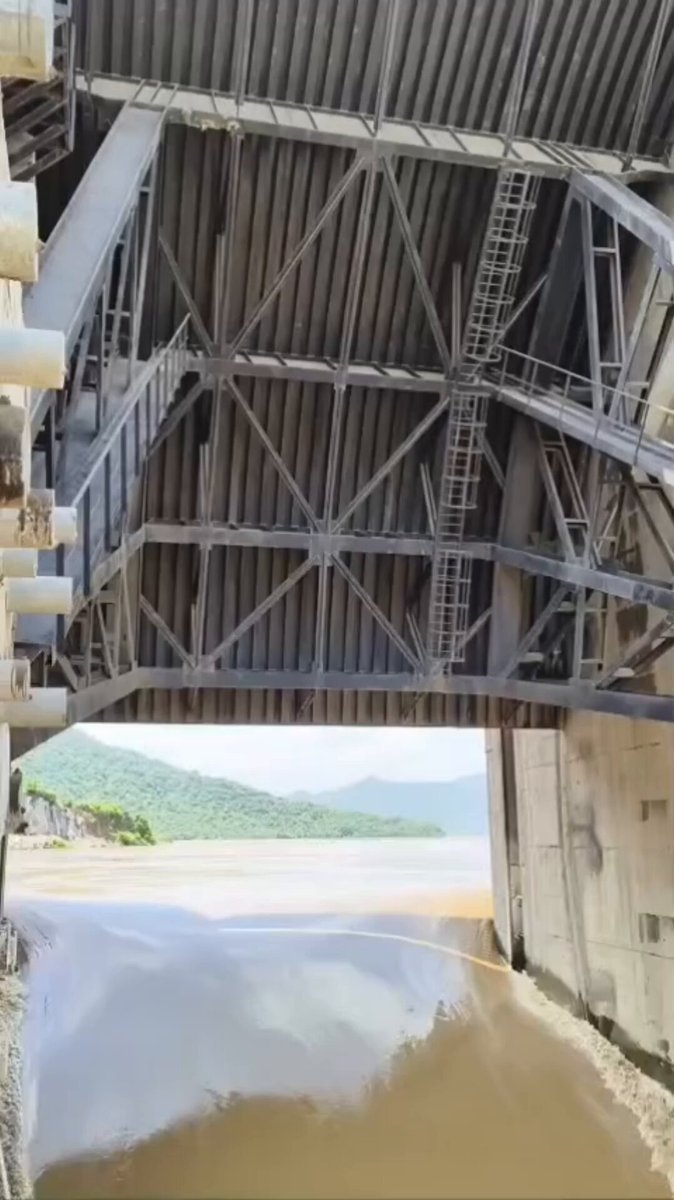
Upper Tunga Dam discharging the flood through river sluice gates. Agumbe, Sringeri, Koppa and Tirthahalli region receiving continuous moderate to heavy rain. Current inflow crossed 15,000 Cusecs and dam storage is at almost 98 % 🤩

32,159 Aufrufe • vor 2 Monaten •via X (Twitter)

0 Kommentare

Keine Kommentare verfügbar

Kommentare vom Original-Post werden hier angezeigt

Ähnliche Videos

🌊🌧 #MumbaiRains #floods: Why was flooding so severe in #Vasai, #Virar & #Nalasopara this time? 🌧️ The rainfall was exceptional across the entire region. Both Vasai-Virar and its surrounding river catchments witnessed very heavy to extremely heavy rains. However, the widespread flooding wasn't caused by rainfall over Vasai-Virar alone, it was the result of multiple factors occurring simultaneously, with enormous upstream river discharge, tidal locking and urban drainage systems struggling to cope with such unprecedented volumes of water. The Ulhas River, originating near Lonavala, received extraordinary inflows after its upper catchment recorded around 1569 mm of rainfall in just 3 days. Torrential rain across the Ulhas Valley, Pune Ghats and Thane interiors sent enormous volumes of water into Vasai Creek.🌊🏞 At the same time, intense rainfall over the Nashik Ghats ⛰️, Igatpuri, Trimbakeshwar, Shahapur and Palghar swelled the Vaitarna River, which drains into the sea just north of Virar. The Tungareshwar ranges ⛰️ also received torrential rain, with numerous streams and nallas adding further runoff into the Vasai-Virar drainage network. Meanwhile, Vasai, Virar and Nalasopara themselves were experiencing torrential rainfall of about 600-700mm in last 3 days, generating massive local runoff. The region was effectively jammed from both sides. Massive upstream river discharge coincided with high tides 🌊, also during Monsoon the seas remain already rough slowing the outflow into the Arabian Sea and creating a backwater effect that prevented creeks and stormwater drains from emptying efficiently. Such an extraordinary volume of water would have stressed any drainage system. However, rapid urbanisation, shrinking wetlands and mangroves, encroachment of natural drainage channels and increasing concretisation have significantly reduced the region's natural capacity to store and drain floodwater, making the impacts even more severe. This event was a classic example of record-breaking rainfall across multiple river basins, intense local rain, tidal locking and urban infrastructure struggling to cope with an unprecedented volume of water. Today, inflows into the river systems 🌊 remain high, and several areas may continue to experience waterlogging and flooding. However, with rainfall expected to gradually reduce from now, river levels should slowly begin to recede as the excess water drains into the sea. Even so, the impacts of this exceptional rainfall event are likely to persist for the next few days, especially in low-lying areas, until the entire drainage system returns to normal. 🌧️ #KokanRains #PalgharRains #ThaneRains Video credits: varun mundra & Vasai Virar Update

WeatherMan | Bandhan K

12,837 Aufrufe • vor 2 Monaten

#Bangladesh: India's Reckless Actions Are Worsening the Flood Crisis in Southeast Bangladesh For the first time in generations, Bangladesh's entire southeastern region is facing its worst flooding in history affecting millions of people. The cause? Indian authorities opened the gates of the Dumbur Reservoir in Tripura for the first time in three decades, releasing massive volumes of water into an already rain-soaked region. (Read: Could there have been flooding without India opening the Dumbur Reservoir gates? Perhaps yes, but on a significantly smaller scale. The sudden release of water from the dam has inundated the region to an extent it hasn't experienced in generations. International law obliges India to notify Bangladesh of any actions that could cause significant harm downstream. Yet, India's failure to notify Bangladesh before opening the gates has caused significant distress and damage. Unfortunately, the Dumbur Reservoir is just one of many dams India has built on the rivers that flow into Bangladesh. Of the 54 transboundary rivers shared between the two countries, India has constructed dams on at least 30 of them, with the Farakka Dam being the most infamous for its catastrophic impact on northern Bangladesh. India's unilateral construction of dams and its arbitrary control of water flows have become a constant threat to Bangladesh, causing either drought or flooding downstream. This reckless behavior has devastated millions of lives and wreaked havoc on the environment. For example, over 80% of Bangladesh's 20 million small farmers depend on water flowing through these transboundary rivers to grow rice. (Source: By inflicting such widespread damage, India is effectively breaching international law on a regular basis. Here are some of the key obligations that India is failing to uphold: 1) Under Articles 5 and 6 of the UN Convention on the Law of the Non-Navigational Uses of International Watercourses (1997), upstream and downstream countries have the right to equitably and reasonably utilize shared waters. 2) Article 7 of the 1997 Convention, along with customary international law, obliges upstream countries, like India, to prevent significant harm to downstream nations, such as Bangladesh. 3) The Espoo Convention (1991) and customary international law mandate that upstream countries notify and consult with downstream states before undertaking any activities that could significantly affect shared waters. Yet, India has consistently ignored these obligations and has never acknowledged the rights of Bangladesh and its people under international law. Despite these hostile actions, Indian officials continue to claim that they are friendly neighbors—yet they wonder why Bangladeshis hold such deep resentment against them. Is India truly a friendly neighbor to Bangladesh? Their actions speak louder than their words.

Sultan Mohammed Zakaria

321,160 Aufrufe • vor 2 Jahren