Loading video...

Video Failed to Load

Go Home

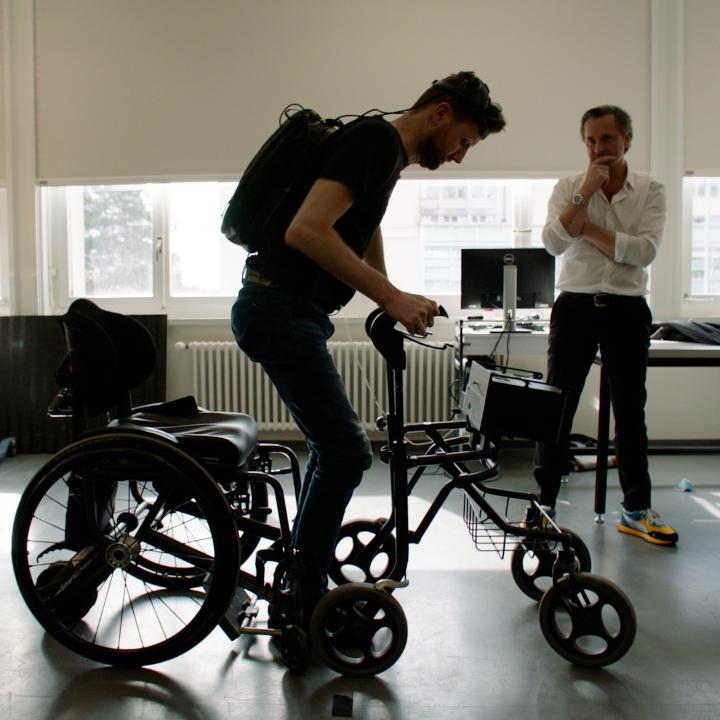
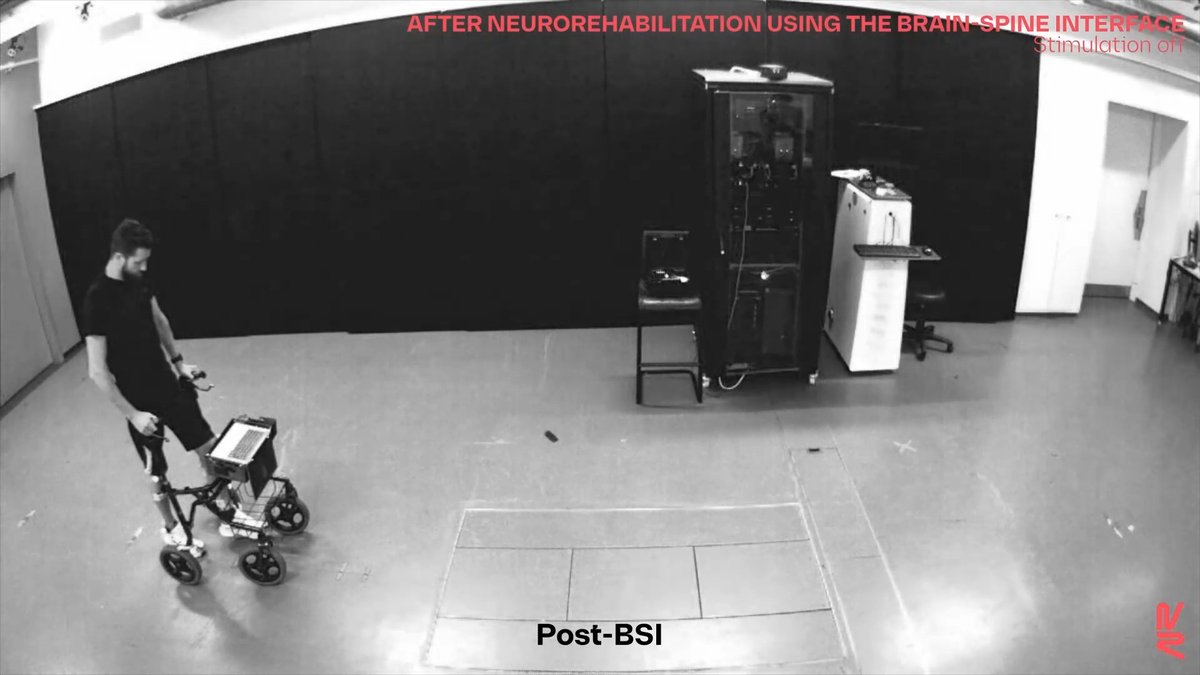
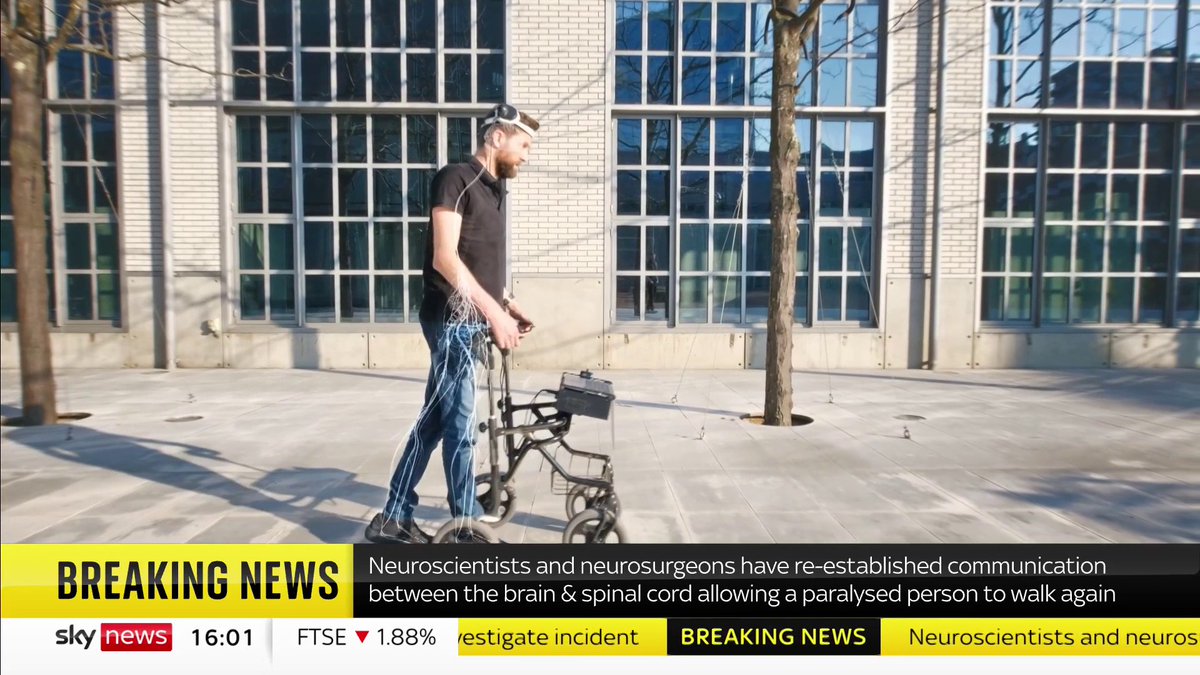
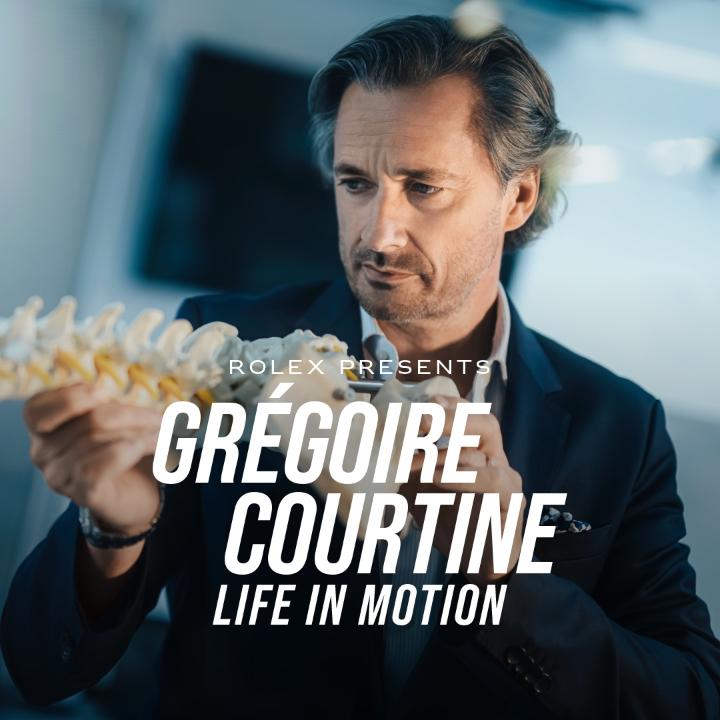
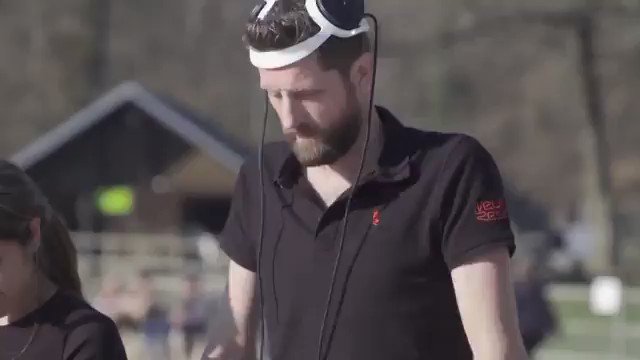
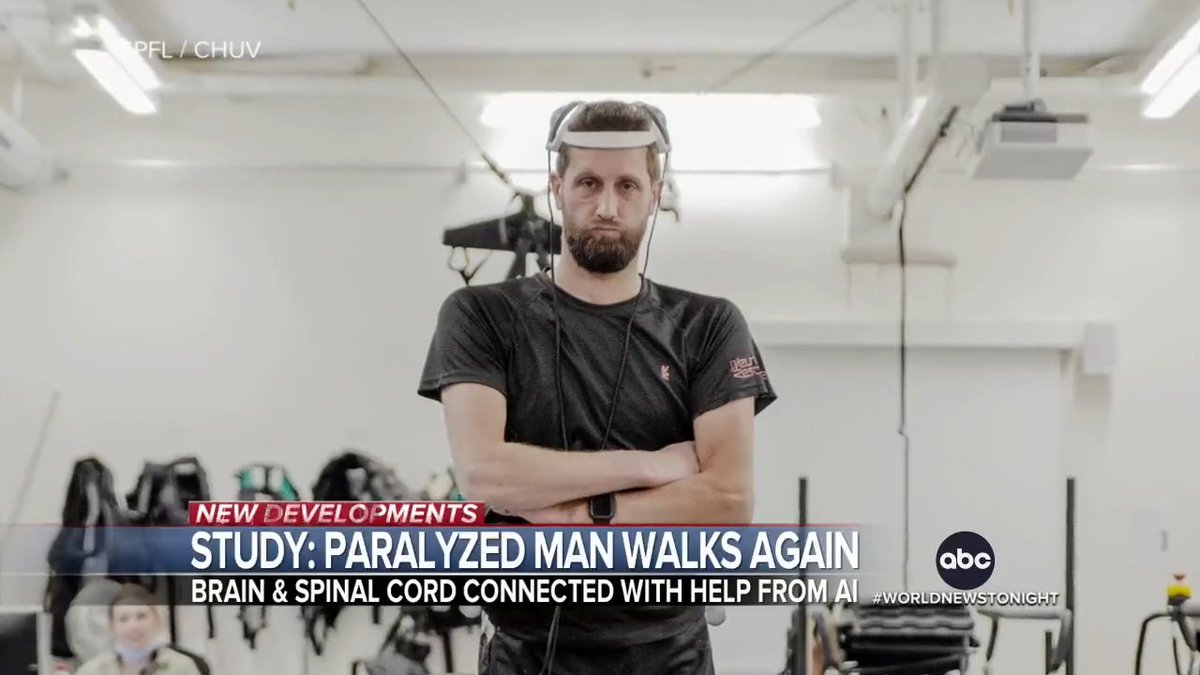
VIDEO: A paralysed man has regained the ability to walk for the first time using only his thoughts, thanks to two implants that restored communication between brain and spinal cord. The advance is the result of more than a decade of work by a team of researchers in France...

288,554 views • 3 years ago •via X (Twitter)

10 Comments

AFP News Agency's profile picture
AFP News Agency3 years ago

Walking with implants. #AFPGraphics schematic showing how implants and a brain-spine interface has helped a paralysed man walk again

Li Pedraza's profile picture
Li Pedraza3 years ago

Que maravilla!

Michael McGowen's profile picture
Michael McGowen3 years ago

Amazing what this could mean for people over the next decade

Real Cerise's profile picture
Real Cerise3 years ago

@davidfrum gotta worry about glia growing around the brain implant blocking signal long term - biggy if they fixed that

mister brown's profile picture
mister brown3 years ago

@davidfrum 😲🙏

#theresistancevoter's profile picture
#theresistancevoter3 years ago

@davidfrum Just WOW! These researchers should get a Nobel prize for sure

Claudia's profile picture
Claudia3 years ago

😊🙏👏👏👏👏👏👏

Jennifer Stones's profile picture
Jennifer Stones3 years ago

Wow 😲 This is really incredible. Thanks to the team of researchers in France and Switzerland. You're appreciated.

Mansoor Ahmed's profile picture
Mansoor Ahmed3 years ago

Great achievement, hats off

iwantsomethingbeautiful's profile picture
iwantsomethingbeautiful3 years ago

@davidfrum Are we going to talk about how hot that French doctor is?
Related Videos

This is Tatiana Sampaio, a Brazilian scientist who restored movement to six paraplegic patients. The Nobel Prize in Medicine is the bare minimum 🇧🇷 After more than twenty years dedicated to scientific research, Brazilian biologist Tatiana Coelho de Sampaio gained international recognition by leading a groundbreaking study on spinal cord injuries. A professor at the Laboratory of Extracellular Matrix Biology at UFRJ (Federal University of Rio de Janeiro), she coordinates the development of polylaminin, an experimental molecule that opens new perspectives for the treatment of people with paraplegia and tetraplegia caused by accidents. The substance is a laboratory-produced version of laminin, a protein essential in embryonic development for guiding communication between neurons. Created from proteins extracted from the human placenta, polylaminin can be applied directly to the injured area of ​​the spinal cord, promoting the regeneration of nerve circuits and the recovery of previously compromised motor functions. Even though it is still in the experimental phase, the initial results have attracted the attention of the scientific community. Some patients undergoing the treatment have shown partial or even complete recovery of movement and sensation, something considered unlikely by conventional medicine. There are records of volunteers who regained movement in affected limbs after the procedure. The project is being developed in partnership with the Brazilian laboratory Cristália and already has investments to advance to the next stages. The goal now is to obtain authorization from Anvisa (Brazilian Health Regulatory Agency) to expand clinical studies and evaluate, on a larger scale, the safety and efficacy of the therapy.

Astronomiaum

78,919 views • 5 months ago