正在加载视频...

视频加载失败

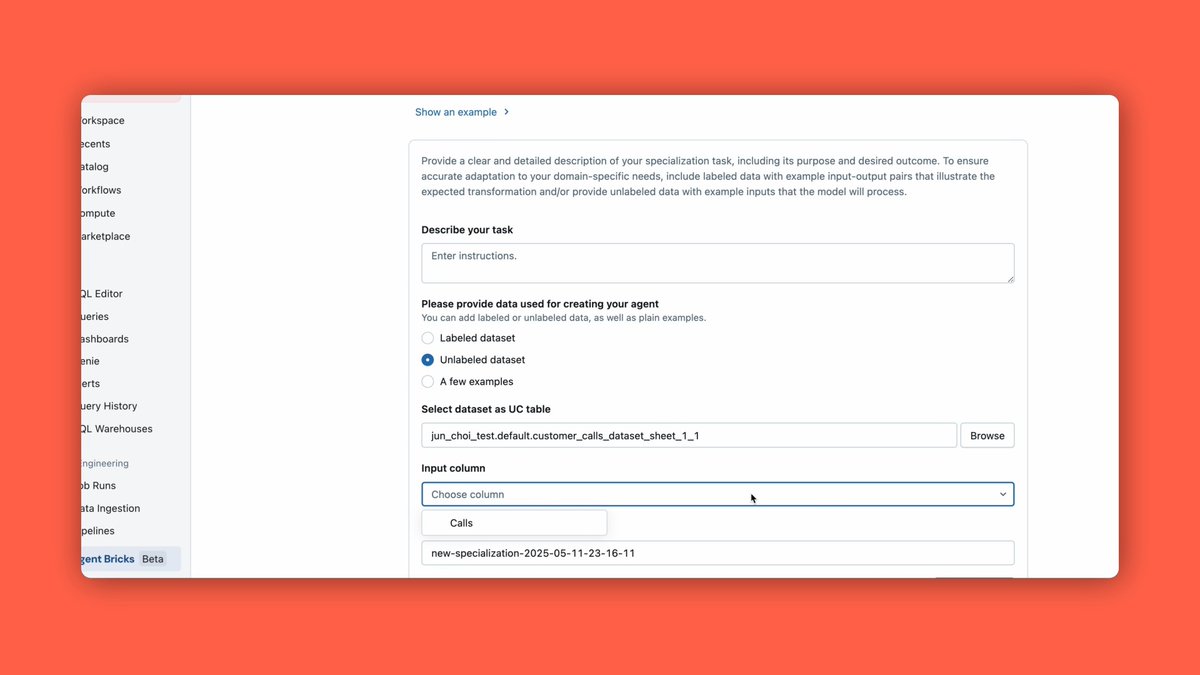
Webhound (Webhound) is an AI agent that builds datasets from the web. Instead of spending weeks gathering data, just describe what you need, and Webhound automatically finds, extracts, and organizes it into structured datasets you can export.

23,264 次观看 • 11 个月前 •via X (Twitter)

0 条评论

暂无评论

原始帖子的评论将显示在这里

相关视频

Most people think Rerun is a visualization tool. In reality, it's a database masquerading as a visualizer. I wanted to showcase this functionality by building a full data pipeline consisting of: ingestion → baseline method → eval → finetuning for SLAM on egocentric data. I'll eventually extend this to the rest of my ego/exo datasets, but I wanted to start with a smaller bunch of datasets first. Rerun allows you to expose your saved .rrd files to a catalog where you store datasets. You can query, filter, and join them like any database using DataFusion under the hood. These are the same .rrd files that are automatically generated whenever you visualize anything in Rerun and decide to save it to disk. I brought in 109 VSLAM-LAB sequences across 14 datasets into the Rerun catalog as an example. These include 7Scenes, Euroc, eth3d, and others. Now I can query them with segment_table, filter_segments, and filter_contents instead of parsing CSVs and YAML files. With a strong set of ground-truth datasets for SLAM, baseline additions become nearly automatic with agents like Opus/Codex. This unification of data and visualization is imo the largest missing part for Physical AI. Visualization becomes a natural byproduct of having your data properly structured and queryable. The catalog API is what makes it a database, not just a viewer. I initially focused on VSLAM-LAB data, but I'll migrate all the egoexo data to this format in the coming days to really show just how useful this is.

Pablo Vela

34,840 次观看 • 1 个月前