正在加载视频...

视频加载失败

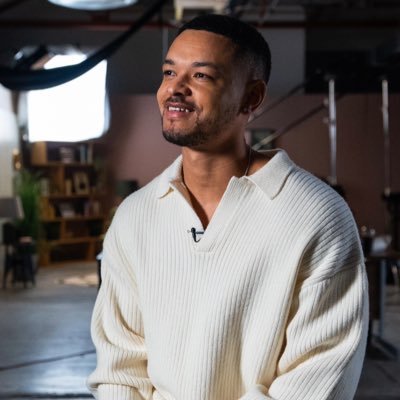
Why do people often get the wrong impression of us? Today’s guest believes it’s because most of us have no idea how we’re actually coming across. Alison Wood Brooks is a professor at Harvard Business School who studies conversation and emotion. Her research focuses on everyday communication and the...

28,712 次观看 • 7 个月前 •via X (Twitter)

0 条评论

暂无评论

原始帖子的评论将显示在这里

相关视频

Why Bharat Jodo Yatra? All avenues of communication in India were shut. Every single one. No matter what we did, everything was blocked. We spoke in Parliament, but it wasn't televised. We went to the media, but they didn’t pick up what we said. We even presented documents to the legal system, but nothing happened. So, all the avenues were closed, and for a long time, we couldn’t understand how to communicate. Then suddenly, we hit upon the idea: if the media isn't reaching the masses and institutions aren't connecting us with the people, go directly to them. The best way to do that was to literally walk across the country. And so, that’s what we did. It fundamentally changed the way I think about my work. I would say it completely changed how I view politics, how I view our people, how I communicate with them, and how I listen to them. It wasn’t just me—many people were involved in the Yatra. For all of us, the most powerful thing that happened organically, something we didn’t even plan, was the introduction of the idea of love in politics. This is strange because if you look at political discourse in most countries, you’ll never find the word love. It simply doesn’t exist in that context. You’ll find hatred, anger, unfairness, corruption—all these words—but rarely the word 'love.' The Bharat Jodo Yatra actually introduced that idea into the Indian political system, and I’ve been amazed at how well that idea has worked. Rahul Gandhi 📍 University of Texas

Supriya Shrinate

103,148 次观看 • 1 年前

Pan: I think about this effort in sort of three pillars of innovation, collaboration, and communication. On communication, we have really valued the work of Katelyn Jetelina…people are getting information in different ways now. The old way of doing things was getting it out on the evening news… and it’s a very different and smaller demographic that does that now. So, really thinking about how do you get information out in a different way and then get that feedback on what people are hearing, what information do they need to know to make healthy choices. On collaboration, We’ve already started these alliances with the West Coast health alliance and building on other kind of partnerships we had but there’s a lot of different emerging efforts as we worry about withdrawal from the global health community and some of the communication and coordination that’s needed—Dr. Houry is going to help us on that—how do we make sure if federal resources and coordination to decrease—how we can continue to uphold that science and communication. Then the innovation is also really exciting around thinking about how do we better partner with the private sector with our academic partners and one key area we’re talking a lot about is data exchange and how do we better work with healthcare systems and public health to improve and accelerate making sure we also have access to tools to do more efficient exchange of information, there’s required reporting of certain diseases or for all of us to know what are the health trends in my community or in my state—where are the highest portion people with the most uncontrolled diabetes or where is this emerging outbreak happening—how do we do a better job using modern tools to have awareness and have communication with our healthcare system so that’s another area we’re really excited to work on with Dr. Monarez.

Acyn

107,372 次观看 • 7 个月前