Video wird geladen...

Video konnte nicht geladen werden

Zur Startseite

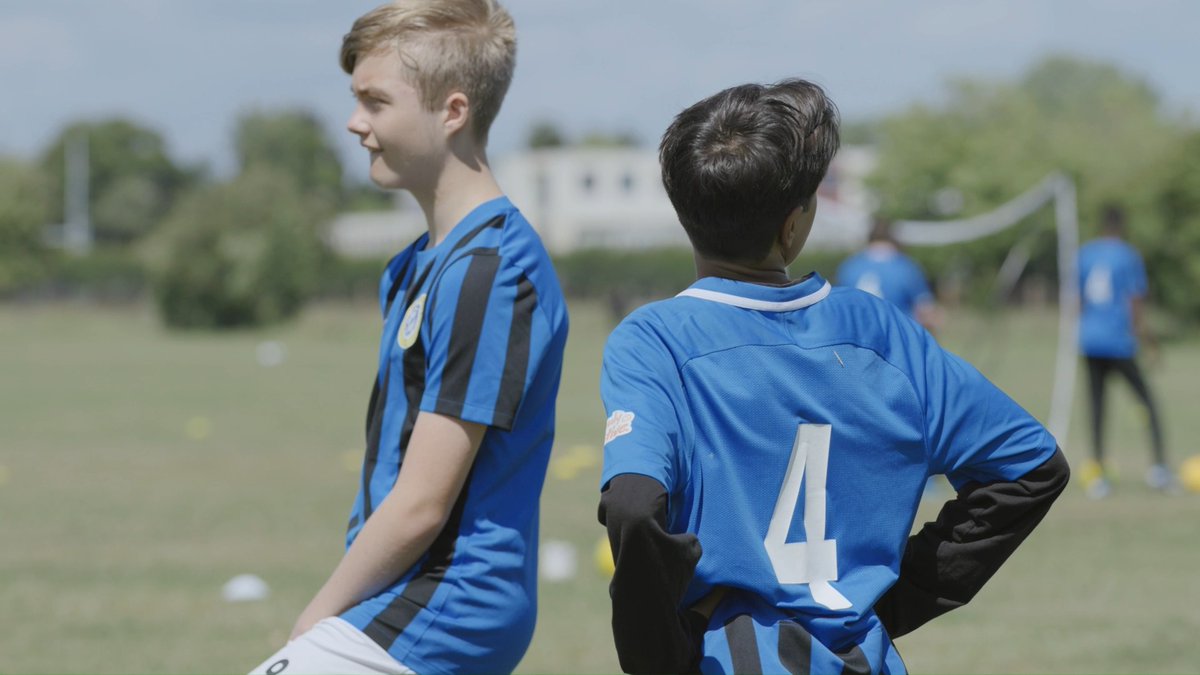
Why does relationism resonate with Brazilian culture so much? Because from a young age they play not from coaching exposure but shared intention of possibilities. Fustal could be a catalyst in Europe for encouraging more player led actions if we made it accessible at youth level

211,642 Aufrufe • vor 1 Jahr •via X (Twitter)

10 Kommentare

Profilbild von Ash
Ashvor 1 Jahr

Interesting that you mention it isn't as accessible in Europe. I live in SEA, and the maintenance of public parks and fields are few and far in between. This makes futsal more enticing as 1. easier maintenance of a court rather than field 2. 1 football fields = 3-4 futsal courts

Profilbild von JOGO FUNCIONAL
JOGO FUNCIONALvor 1 Jahr

In England there is a culture built around 6 a side football on awful artificial pitches. But most participants are older than 18, they do it for social reasons. There’s no reason why in the UK we can’t have a futsal revolution at youth level & away from the artificial pitches

Profilbild von Matt Lee
Matt Leevor 1 Jahr

This field is massive for this age level. In America we would break that into 3 and play across the width to maximize numbers and profit to also cover the huge rental cost of probably $200+ an hour

Profilbild von Gabriel Feitor
Gabriel Feitorvor 1 Jahr

Futsal is part of the brazilian football culture, our greatest players have influence of this like Ronaldo Nazário, Ronaldinho, Neymar and others, because it encourages finding solutions in short spaces and tricks.

Profilbild von martin chivers
martin chiversvor 1 Jahr

North East of England and our 2 play/played futsal We love it

Profilbild von NobletStrength
NobletStrengthvor 1 Jahr

They do have this in southern and eastern Europe. The UK and Northern Europe seem to be the most resistant to it. Britain in particular culturally seems to dislike the idea, maybe because they've always viewed technical dribblers as being too soft.

Profilbild von maina
mainavor 1 Jahr

The 10 is a proper ten that you don't see in Europe now

Profilbild von Andres Nuñez
Andres Nuñezvor 1 Jahr

Cuándo llegan al juego de posición adios magia

Profilbild von Chris
Chrisvor 1 Jahr

During my youth football time, futsal was regularly played during the indoor season. All the official tournaments by the association were played by futsal rules

Profilbild von Lilli Wemke
Lilli Wemkevor 1 Jahr

Looks like a young version of Pablo Aimar

Ähnliche Videos

This World Cup has shown how Argentinian players are just built different, and it was interesting because, in the press conferences, both managers addressed this. First, Tuchel talks about the Argentinian value of the ball and how they protect the ball at all costs, how they manage those small spaces, and how they learn this from a young age. He references culture, and this is exactly it. A child playing in a certain environment leads to that. Not every Argentinian child is on the national team, but it raises the ceiling. It creates a certain type of style and a certain type of player. Then Scaloni also references his culture. He sees them play without fear of losing. It comes from playing in an environment where you are constantly faced with the potential of losing and being able to play with that pressure, right? They don’t fight against it. They play with it. They use it. And I think this is where youth football coaches should really take note. This does not mean we should copy and paste Argentinian culture into every training environment, because culture cannot just be copied. But the values within that culture can be inculcated in every training environment. The value of the ball. The courage to receive it in small spaces. The ability to protect it under pressure. The confidence to keep playing after a mistake. The willingness to play with the possibility of losing rather than constantly trying to avoid it. Those values can become part of the environment we create every day. They can be present in the games we design, in what we praise, in what we allow players to struggle with, and in how we respond when they lose the ball. If every mistake leads to the coach stopping the session, giving the answer, or taking the pressure away, then players never learn to play with that pressure. They learn to wait for the coach. It was cool to see how two managers, at such a big stage, reference culture and the environments that kids play in when they’re young. Because the players we see on the biggest stage were not only created by tactics or coaching information. They were created by environments that taught them what to value, how to relate to the ball, and how to play when there was something to lose.

David Garcia

170,334 Aufrufe • vor 1 Monat