Video wird geladen...
Video konnte nicht geladen werden
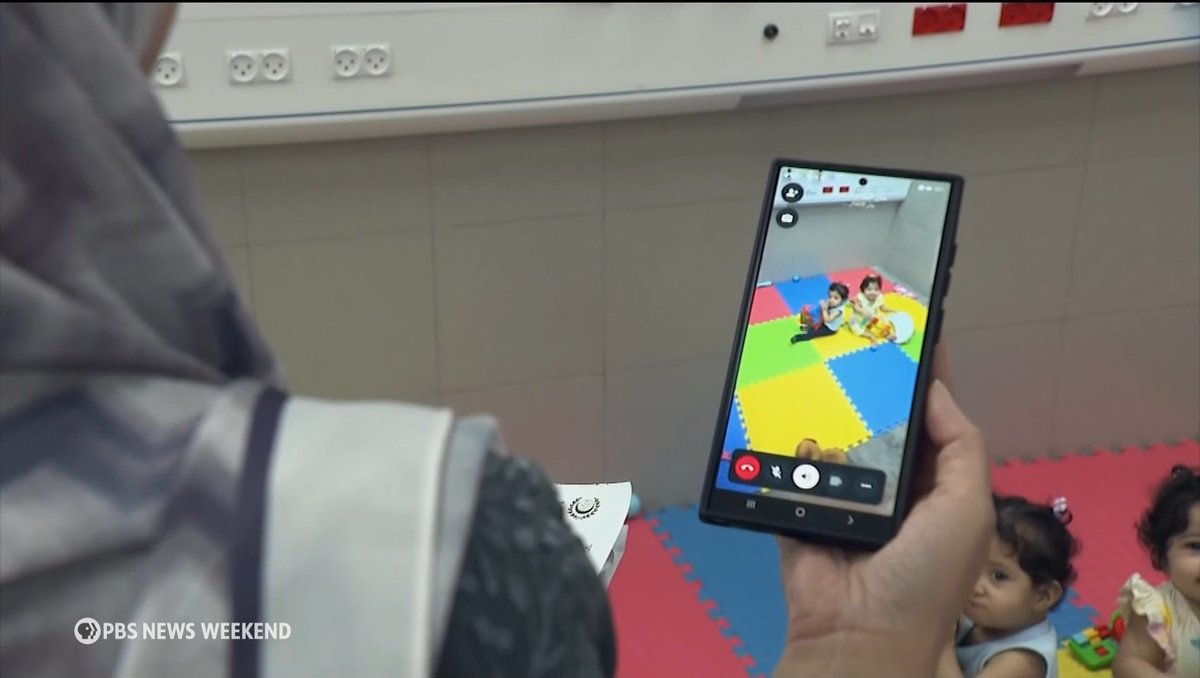
With some parents using tablets as digital pacifiers to soothe their children, a new study finds preschoolers who spend 75 minutes or more in front of a screen showed increased anger and frustration as they got older, along with difficulties in regulating their emotions.

2,656,309 Aufrufe • vor 2 Jahren •via X (Twitter)
10 Kommentare

The study also revealed that it only took preschoolers 9 minutes to exhibit anger and frustration when CBS News was on the screen.

" Addictive" is what a child psychologist said the internet was several years ago when my son was young- and today has become the iPhone. Now it's an iPad for the young toddlers to pacify or appease them? Instead, they need to learn from their parents that their immediate desires do not necessarily come first- they have to learn patience...an essential part of life for all people...and one that many as adults still have not learned. What happened to real toys and books? No device can ever provide the real communication that only a child's loving parent can... I'm old enough to remember learning that my "demands" were not catered to and that patience and manners were important to learn as they were tools for life.

This kind of research is super frustrating because it ignores what the digital activity was. Was it playing mindless games or was it doing story time with grandma over zoom? It turns out WHAT kids do on screens is far more important than how long they do it.

And what about kids who were glued to the TV in the 50s, 60s, 70s, 80s, 90s, 2000s, 2010s, 2020s ?

It's a form of emotional neglect. With quite severe consequences.

...Exposure to light suppresses the secretion of melatonin, a hormone that influences circadian rhythms. Even dim light can interfere with a person's circadian rhythm and melatonin secretion. Screen time disrupts sleep and desynchronizes the body clock. Screen time desensitizes the brain’s reward system. Screen time produces “light-at-night.” Screen time induces stress reactions. etc.

I suspect the "digital pacifier" leads to underdeveloped coping skills. They learn to use the tablet as a shield and do not learn to be resilient. Balancing screen time with active and social play is crucial for healthy emotional development.

Not all screens are created equal 🌞

It’s not the device it’s the device replacing parenting. Instead of teaching the kid anything or interacting with them they leave them with the device

When the researcher actually discusses the results turns out It’s not the screens…. It’s the lack of engagement by the parents