Video yükleniyor...
Video Yüklenemedi
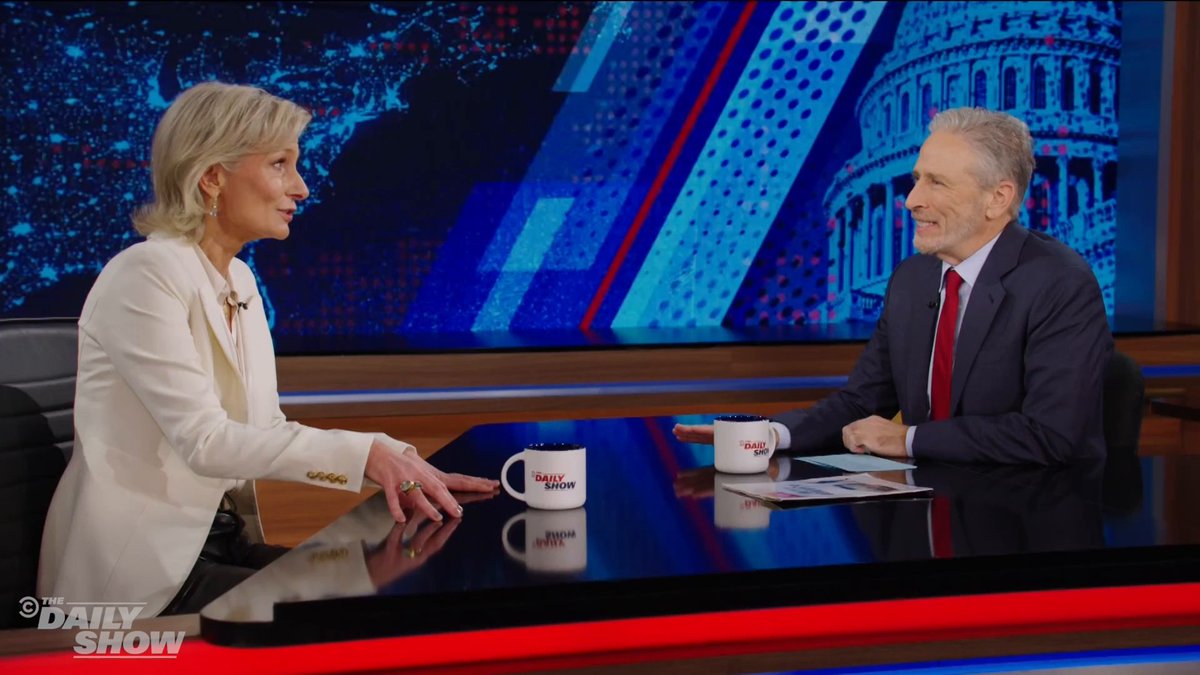
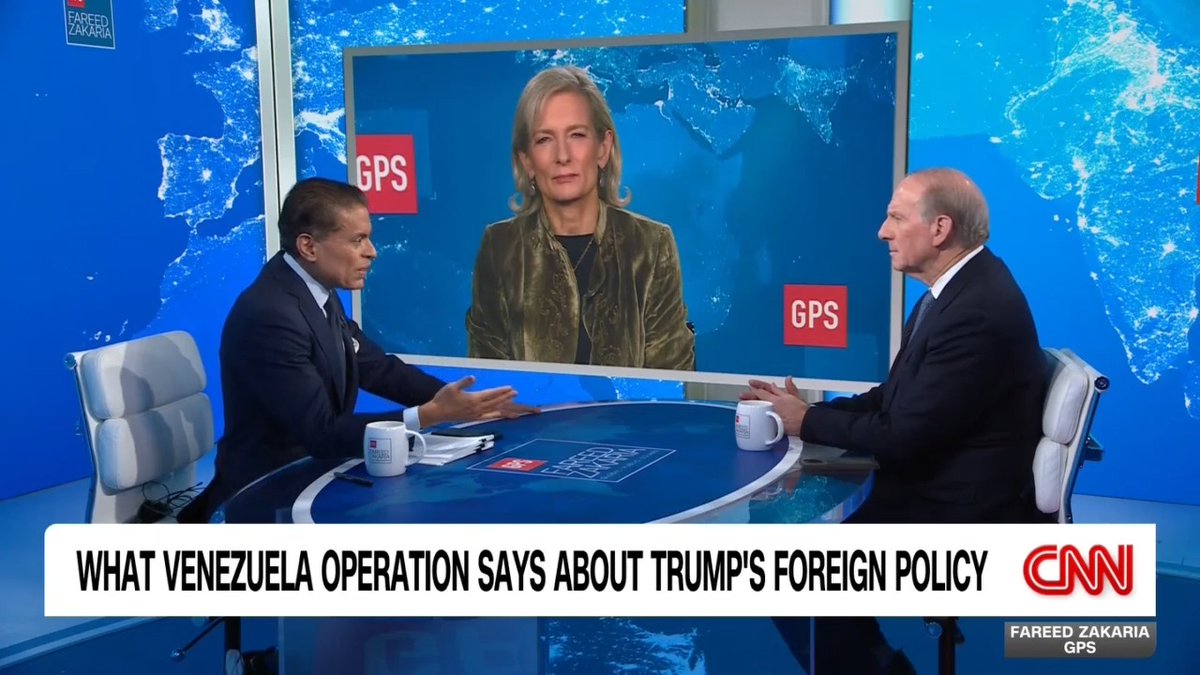
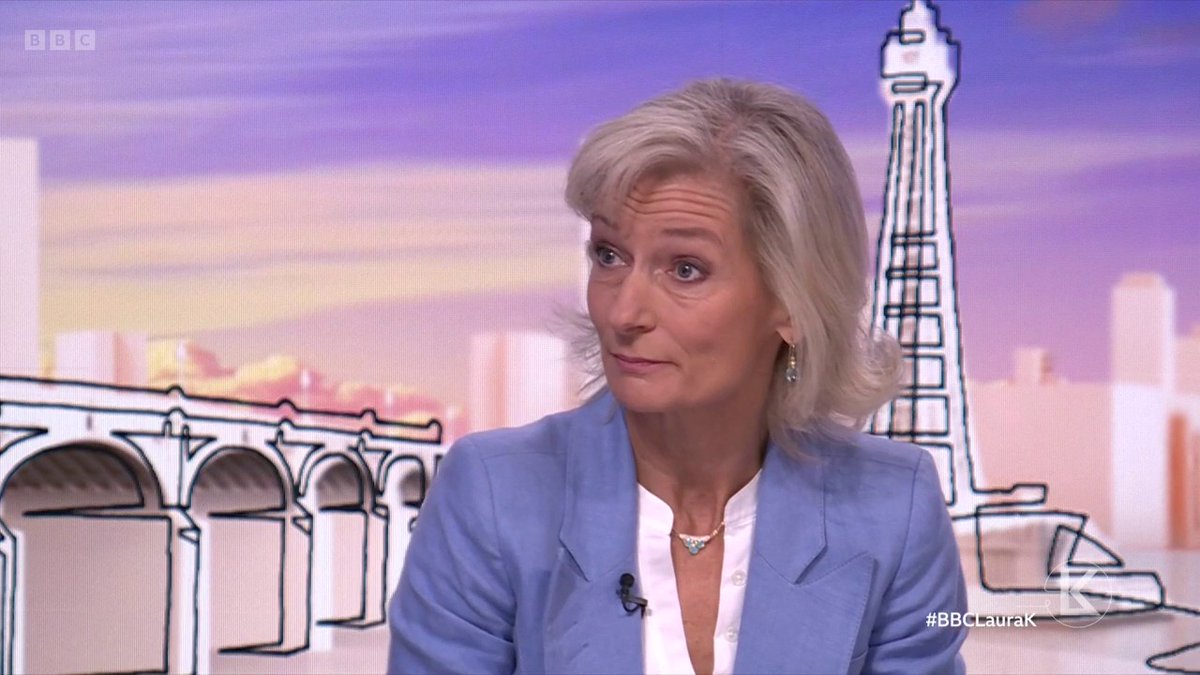
Without trust, society could not function. So what happens when we put our trust in machines instead of people? From the The Economist interview with Zanny Minton Beddoes:

46,516 görüntüleme • 2 ay önce •via X (Twitter)
28 Yorum

@TheEconomist @zannymb The idea that intelligent agents don't have to be conscious makes sense. But that contradicts the idea of AI taking over. Maybe in a killer bot kills everyone sense. A program carrying out it's instructions. I think you deliberately use anthropomorphic words to sell more.

Tarih bize gösteriyor ki, asıl insana güven olmaz. Çünkü insan çıkarlarını düşünen çıkarları için insan öldüren bir varlıktır. Bu nedenle tarafsız makineye güvenmek daha akılcıdır. Siber güvenliği sağlanmış, tüm siyasi partilerin ve sivil toplum kuruluşların şeffaf bir biçimde izleyeceği modelle, Kamu Kaynaklarının Yapay Zeka tarafından yönetim ve denetimi sağlanırsa, servetin adaletli dağıtıldığı ve zengin şirketleri kayrılmadığı adaletli bir düzen kurabiliriz. Bu nedenle yapay zekayı liderlerin iktidarların ve lobilerin etkisiyle, demokratik sistemin istismar edilmesinin önüne geçilmesi için kullanmalı ve demokratik sistemimizi siber güvenliği sağlanmış Yapay Zeka modeli ile dönüştürmeliyiz. @PikettyWIL @FareedZakaria @DAcemogluMIT @tomfriedman @serefoguz @ProfDemirtas @ayayciog @yalinalpay @jeandpardaillan

@TheEconomist @zannymb You trust people???? 🤡🤡🤡🤡

@TheEconomist @zannymb We don't #trust #you guys, Why should we?!

@TheEconomist @zannymb You people are so evil it affects your outward appearance.... disgusting creature.

@TheEconomist @zannymb Depends on the machines. As it does when we depend on individuals or institutions.

@TheEconomist @zannymb The greatest risk is not technological failure. It is human withdrawal. A society that places too much trust in machines may become more efficient, but less thoughtful; more predictable, but less humane. Technology should expand human judgment, not replace it.

@TheEconomist @zannymb It takes a lot of energy to police the machine.

@TheEconomist @zannymb Franchement si la machine pouvait vraiment être libre de la pensée l'humaine toxique actuelle, elle serait d'une grande utilité

@TheEconomist @zannymb The bigger question might be whether people trust machines because they work better, or because people have become harder to trust.

@TheEconomist @zannymb Machines seem significantly more trustworthy than most people.

@TheEconomist @zannymb I trust myself, my AI, my heart and intuition, there is clearly some weird things going on.

@TheEconomist @zannymb This is a good read 📚

@TheEconomist @zannymb We already don’t trust each other

@TheEconomist @zannymb Which machines ? The machines trained on Reddit / Subverted Wikipedia ?

@TheEconomist @zannymb The algorithm for cryptocurrences has nothing to do with the algorithm for AI.

@TheEconomist @zannymb We've been doing this for decades. It's the reason we're in the current quagmire we're in, belief and faith.

Don’t trust AI the same way I don’t trust people. Just cause I don’t trust them it doesn’t mean I don’t pay great attention to untrustworthy pieces of sh*t. Trust is truly an expensive asset. World is full of piss-poor morally, cheap-ass bastards, who can’t afford trust and never will. Money can buy a lot of things in this world of bullsh*t, but it can’t buy trust. However, money can buy a sh*load of bullsh*t. Bullsh*t’s cheap as chips, maybe even cheaper than that.

@TheEconomist @zannymb What conditions might allow AI to strengthen rather than replace the human relationships on which trust depends? May our machines help us become more trustworthy to one another.

@TheEconomist @zannymb Crypto currency is not a product of AI. And those who trust AI or people are idiots. AI is a product of human knowledge. Humans make mistakes.

@TheEconomist @zannymb human society already functions by not trusting people blindly. we invented contracts, audits, courts, receipts, double-entry bookkeeping, separation of powers, peer review, passwords, reputations precisely because people cannot always be trusted.

@TheEconomist @zannymb 🎯

@TheEconomist @zannymb Mutual trust and understanding,is it not? which is otherwise workable under conditions precipitated out

@TheEconomist @zannymb Le macchine sono un prodotto umano e dall'uomo modificabili, come si dice in gergo hackerabili. Questo significa che la fiducia malriposta in certi individui potrà continueare ad esserlo anche quando di mezzo ci sarà un algoritmo apparentemente neutrale.
History shows us that humans cannot really be trusted. Because humans are beings who think of their own interests and kill people for those interests. Therefore, it is more rational to trust an impartial machine. If the management and auditing of public resources by Artificial Intelligence is ensured with a model whose cybersecurity is secured and which will be transparently monitored by all political parties and civil society organizations, we can establish a just order in which wealth is distributed fairly and rich companies are not favored. Therefore, we should use artificial intelligence to prevent the abuse of the democratic system under the influence of leaders, governments and lobbies, and we should transform our democratic system with a cybersecurity-secured Artificial Intelligence model. @PikettyWIL @FareedZakaria @DAcemogluMIT @tomfriedman @nytopinion @politico @ForeignPolicy @ForeignAffairs

Trust doesn’t vanish. It migrates. You are right that people already distrust human bankers and editors while trusting the feed algorithm. The harder part is calibration. Lee & See (Human Factors, 2004): the failure mode is inappropriate reliance, not “no trust.” Parasuraman & Manzey (2010): automation bias shows up in novices and experts. Hoff & Bashir (2015): a fluent interface can raise trust without raising auditability. A person can be cross-examined. A model only returns another output. If a decision cannot be explained, stress-tested, and refused by a named human, that is not trust. That is deferred authority. Would you ship a system whose recommendation cannot be rejected in two pages?

@TheEconomist @zannymb This is just egalitarian identity politics. You are not regarding innate differences between AI and humans in IQ. Humans have innate limitations. @nathancofnas talks about this. What's wrong with trusting somebody of higher IQ more than somebody of lower IQ?

@TheEconomist @zannymb The goal is not blind trust in machines. It is legible accountability around them. If a system makes a decision, people need to see the basis, contest it, and know who owns the outcome.