正在加载视频...

视频加载失败

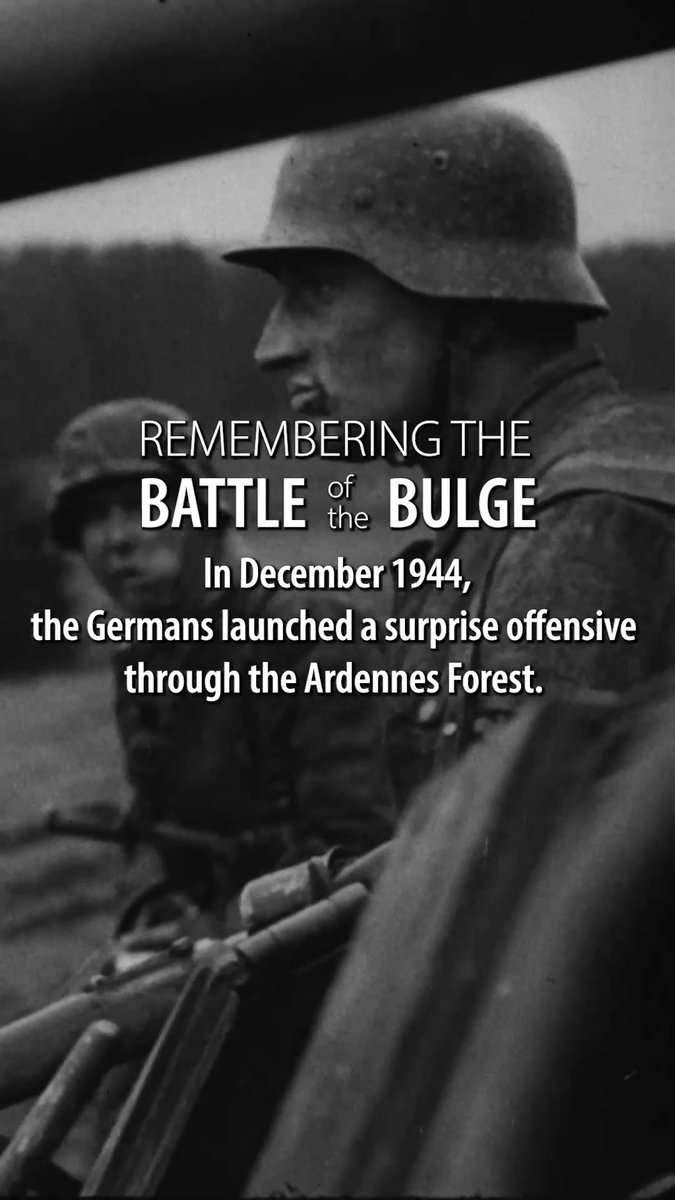
WWII German 98k DMR/Trench Varient, very interesting modernization attempt on their backbone infantry small arms platform. Sourced from Legacy Collectibles

908,051 次观看 • 6 个月前 •via X (Twitter)

0 条评论

暂无评论

原始帖子的评论将显示在这里

相关视频

With four rickety planes patched together largely from Nazi spare parts, a handful of mostly American volunteers helped save Tel Aviv and give birth to the State of Israel. On May 14, 1948, as David Ben-Gurion declared independence, five Arab armies invaded the fledgling Jewish state. Egypt’s forces pushed up the coast toward Tel Aviv. Israel had almost no air force. Enter the Machalniks: thousands of volunteers from abroad — many American WWII veterans, Jewish and non-Jewish — who answered the call. They evaded the U.S. arms embargo and FBI scrutiny, risked their citizenship, and smuggled planes through secret networks, often via Czechoslovakia. The planes were Avia S-199s — Czech-built versions of the German Messerschmitt Bf 109, powered by mismatched bomber engines. Dubbed the “Messer” (knife) by Israelis, they were temperamental and dangerous to fly. On May 29, American pilot Lou Lenart (Hungarian-born U.S. Marine veteran) led the IAF’s first combat mission. With three others — including future president Ezer Weizman — they bombed and strafed the Egyptian column in a daring attack. The stunned Egyptians, convinced Israel had no air power, halted their advance on Tel Aviv. One plane was lost to anti-aircraft fire, but the mission succeeded in buying critical time. These volunteers formed the backbone of the early IAF. They flew fighters, bombers, and transports, helped wrest control of the skies, and delivered supplies to besieged areas. From scrap metal, daring smuggling runs, and unbreakable will came the foundation of one of the world’s most formidable air forces. This remarkable true story is a timeless reminder of how a people fighting for survival with ingenuity and resolve can overcome even the longest odds. ✈️🇮🇱

Captain Allen

17,126 次观看 • 15 天前

Ross Coulthart thinks the Mormon church has an inordinate amount of people within the legacy UFO program and he knows who they are 😳 and also the church of Scientology knows more about UFOs than it’s letting on Link to source in comments Rosscoe -“One thing that does interest me is I do think the Church of Scientology knows a lot more than it's letting on, and it's interesting because Danny Sheen has indicated something about this. I strongly recommend people go back and have a look at his interviews. I also think that it's interesting that the Mormon Church has an inordinate number of people working inside the legacy program. And yes, we know who you are. I have names, I have locations. I have people who are managerial roles in the Mormon church who just also happen to be in very senior positions in the Legacy program. And it's interesting, maybe, maybe people in the Mormon faith find it in many ways because so much of the Mormon faith is derived, allegedly from an alien communication. If you read the history of the church, maybe they believe that it validates their religion for this to be revealed or explored, I don't know. But no, I'm not aware of any kind of sect or religion that is sharing this knowledge. I do think that there are some religious institutions, though, such as the Mormons and the Scientologists that have done a lot of work into this area. And frankly, I don't think there's anything sinister in that. If I had the resources, I'd be pouring money into investigating this as well.”

neandrewthal

71,413 次观看 • 1 年前

Cross-Chain Brand Building: Why Pudgy Penguins and Mythical Games Are Proof Polkadot’s Bet on Collectibles Will Pay Off Polkadot has often been described as the chain of chains. But beneath the technical layers, something more cultural is happening: it’s effortlessly becoming the go-to ecosystem for consumer-facing brands that want to scale their collectibles beyond the blockchain echo chamber. From Luca Netz 🐧✳️ turning Pudgy Penguins into a global brand, to John Linden expanding Mythical Games into mainstream entertainment, more and more collectibles strategies are starting to orbit around Polkadot. Luca Netz: Betting the House on Brand Luca Netz doesn’t mince words when it comes to his philosophy. For him, the product is important, but the brand is everything. When he took over Pudgy Penguins, he wasn’t just reviving another NFT collection; he was setting out to prove that Web3-native collectibles could rival Disney or Pokémon in cultural reach. He said, “I’m a distribution maxi. I believe the biggest companies in the world are brand-led. When you create something people emotionally connect with, the tech becomes secondary,”. That conviction has taken Pudgy Penguins far beyond the confines of the crypto-native audience. Plush toys in Walmart, licensing deals with global partners, and a digital avatar system that doesn’t ask users to understand wallets or gas fees. It’s a masterclass in making Web3 collectibles invisible to the mainstream. The chain itself? Almost inconsequential, as long as the experience feels seamless. But behind the curtain, Polkadot is emerging as the infrastructure that allows such brands to not only exist but also interoperate. For Luca, the long game isn’t about proving blockchain; it’s about proving that Web3-born characters can stand shoulder-to-shoulder with legacy entertainment collectibles. John Linden: Gaming as Invisible Web3 John Linden, CEO of Mythical Games and a DROPS guest, approaches the same problem from a different angle. Where Luca fixates on brand as the emotional anchor, Linden sees gaming collectibles as the Trojan horse to onboard millions into Web3 without them even knowing it. “Our philosophy is invisible Web3. We don’t want gamers thinking about tokens and wallets. We want them playing, trading, and owning inside worlds they already love,” he said. Mythical has already shown that its approach works. With titles like NFL Rivals 🏈, FIFA Rivals, and partnerships with Pudgy Penguins (Pudgy Party), the company has built game economies where owning and trading digital items feels seamless, not like a tech experiment. And by moving over to Polkadot, with Enter the Mythos, Mythical is signalling something important: Polkadot’s ability to connect different blockchains and manage rules collectively makes it a stronger foundation for building long-lasting collectibles ecosystems than single, isolated blockchains. Linden’s bet is that gaming collectibles will be the bridge. The characters and assets people already care about, such as NFL or FIFA players or penguins in hoodies, will become the framework for digital ownership. And once again, Polkadot’s multi-chain design makes it the natural habitat for scaling these experiments into global networks. Polkadot as the Convergence Layer What’s striking is how Luca and John, from different industries, are converging on the same truth: collectibles, not infrastructure, are what move people. But infrastructure determines how far that culture can travel. This is where Polkadot’s strategy shines. With its parachain model, Polkadot isn’t asking creators to bet everything on one monolithic chain. It’s offering a flexible, interoperable base where brands can plug in, retain sovereignty, and still tap into a wider ecosystem of users and liquidity. Whether it’s Pudgy Penguins bringing plush toys into Walmart or Mythical Games powering invisible Web3 economies, the common denominator is a need for scalable, secure, and consumer-ready infrastructure. That’s the bet Polkadot is making, and with each new collectible choosing it as a home, the bet looks smarter. The Bigger Picture In the early days of Web3, infrastructure wars dominated the conversation. Today, it’s clear that the next phase of adoption will be won not by the flashiest consensus algorithm but by the strongest consumer assets, such as the characters, stories, and worlds people actually care about. Polkadot’s edge is becoming the preferred convergence point for those collectibles. By aligning with visionaries like Luca Netz and John Linden, it’s positioning itself not just as another blockchain but as the cultural backbone for Web3’s mainstream moment. 👉 If you enjoyed reading this excerpt, head over to When Shift Happens on YouTube or your favorite podcast platform to access the full convo.

MR SHIFT 🦁

20,056 次观看 • 11 个月前

🚨 The Libertarian Party had a disappointing federal election result. What's next? When other political parties have a disappointing election result they typically announce they will scrap the old policies ... and by the next election will have sparkling new ones. The elephant in the room is they didn't truly believe in their old policies and they won't truly believe in their future policies. The whole operation is a never-ending attempt to manipulate voters into elevating them to high office. The Libertarian Party is a party of principle. When we get the votes to win, great ... but if we don't the principles unflinchingly remain. On Monday Real Mark Latham posted on X, 'How did fiscal responsibility go in the election? Only the Libertarians campaigned on it, and they got 2%.' A generation ago the dominant bloc in the Liberal Party federal party room were the dries - economic rationalists concerned with low taxes, light regulations, small government and fostering free enterprise. Those dries had such persuasive arguments that in the 1980s they even convinced much of the federal Labor Party caucus. That period of economic sanity laid the foundations for three decades of solid economic performance resulting in general prosperity and an upbeat national mood. It ended with Kevin Rudd ushering in the era of big government and was consolidated under three Liberal Party PMs. But the dries in the federal parliamentary party room of the Liberal Party are today critically endangered and quite possibly extinct. Surprise suprise, we have huge debt, high inflation, big deficits, a per capita recession and a downbeat national mood. It's very hard to see things not deteriorating under three more years of Labor. Today in parliament (see below) I reiterated the Libertarian Party 2025 federal policy platform of which we remain resolutely proud and which will remain the foundation of future federal elections. If you agree with 50% of our platform you should vote for us. If you agree with 60% of our platform you should tell your friends to vote for us. If you agree with 70% of our platform you should volunteer for us. If you agree with 80% of our platform you should pay a small membership fee and help shape the party If you agree with 90% of our platform you should be candidate in future elections. Libertarian Party NSW (Liberal Democrats)

John Ruddick MLC - Libertarian

15,667 次观看 • 1 年前