Loading video...

Video Failed to Load

Go Home

#zhanglinghe at press conference of documentary "Exploring the Future: The Answer is Earth" in Beijing🌱 Q: have you heard of Betz's Law? zlh🚀: it refers to the limit of how much wind energy can be converted into electricity. there is something called the Betz limit, which means that when...

308,109 views • 3 months ago •via X (Twitter)

0 Comments

No comments available

Comments from the original post will appear here

Related Videos

“Work has been suspended at a major wind farm project south west of Warwick after storms snapped a wind turbine blade. McIntrye Wind Farm recently connected some of its turbines to the grid, those works are on hold as it investigates the incident.” “The 458MW Coopers Gap wind farm in south west Queensland, the newest and biggest wind project built to date in Australia – is to undergo major repairs after faults were found in its commissioning process. AGL, which operates the $850 million project and is a joint owner through the Powering Australia Renewables Fund, said in a statement that the blades of one of the 123 turbines will have to be replaced entirely, while GE Catcon is also going to replace “generators” – referring to the equipment in the nacelle at the top of the wind tower – in a further 50 turbines.” •••••••••••••••••••••••••••••••••• Not only are wind farms unreliable in terms of wind dependent generation. They break easily as we saw last week on the Darling Downs. If the blades on a wind farm can’t survive a summer storm on the Darling Downs they will be useless. This is just another example of wind farms being unreliable. A few years ago wind farm had to replace 50 out of 123 turbines just after it was commissioned. Australia cannot not afford to be pursuing Net Zero policies being pushed by the two major parties. We should focus on using our coal, uranium and gas resources instead of imported materials. Quote from: #auspol

Gerard Rennick

35,158 views • 1 year ago

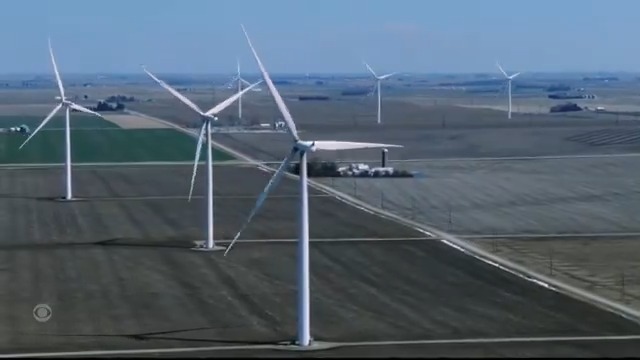
A modern wind turbine looks deceptively simple from the outside. The largest onshore turbines now use blades stretching beyond 80 metres, sweeping more than 20,000 m² of air. Yet the entire structure rotates at only around 10-20 RPM. Actually, inside the nacelle is a precision gearbox that transforms this slow, high-torque rotation into the 1,000-1,800 RPM required by the generator. This gearbox is one of the most demanding mechanical systems in renewable energy. It continuously transmits megawatts of power, while surviving changing wind loads, vibration and billions of fatigue cycles over a 20-25 year lifespan. Inside are planetary gear stages, precision-ground alloy steel gears, advanced bearings, lubrication systems and cooling circuits. Some of the largest geared turbines contain close to 1000+ liters of specialised synthetic oil to manage lubrication and heat during continuous operation. A single large onshore turbine can cost around $4-5 million, with complete projects costing significantly more after foundations, roads, electrical systems and installation. The goal is for the machine to recover its capital cost within roughly 5-10 years, then continue producing electricity for decades. This is why reliability is the biggest challenge. Gearboxes, bearings, generators and electrical systems remain critical failure points, pushing engineers toward better materials, sensors and predictive maintenance. The scale of this industry is enormous. China has become the world’s largest wind turbine manufacturing and exporting hub, with several Chinese companies among the largest turbine suppliers globally. Building a wind turbine is not just about capturing wind in an efficient manner, It is about creating a machine that can convert wind energy into electricity for millions of hours with minimal human intervention and sustain millions of load cycles.

Ammanichanda

64,035 views • 12 days ago