Video wird geladen...

Video konnte nicht geladen werden

Zur Startseite

اختتمت وكالة الإمارات للفضاء البرنامج التدريبي الخاص بـ"الميثاق الدولي للفضاء والكوارث الكبرى" في جامعة زايد – أبوظبي، والذي جمع نخبة من الشركاء والخبراء من مختلف الجهات في الدولة، بهدف تعزيز التنسيق ورفع الجاهزية التشغيلية وتطوير توظيف بيانات الأقمار الصناعية في دعم الاستجابة للكوارث. ويأتي هذا البرنامج بالتزامن مع تولي...

544,544 Aufrufe • vor 3 Monaten •via X (Twitter)

0 Kommentare

Keine Kommentare verfügbar

Kommentare vom Original-Post werden hier angezeigt

Ähnliche Videos

الداخلية تختتم الدورة التخصصية لتدريب الكلاب البوليسية اختتمت وزارة الداخلية، ممثلة بمكتب الشؤون الدولية، وبالتعاون مع القيادة العامة لشرطة دبي، البرنامج التدريبي التخصصي للكلاب البوليسية (K9) في مجال الكشف عن الجرائم البيئية، وحماية أنواع الحيوانات والنباتات البرية المهددة بالانقراض، والذي استضافته إدارة التفتيش الأمني (K9) بالقيادة العامة لشرطة دبي، بمشاركة منتسبين من مختلف القيادات العامة للشرطة في الدولة. وشهد البرنامج تدريب المشاركين على إجراءات التفتيش الأمني، وآليات الكشف عن الجرائم البيئية، وتنمية قدرات الكلاب البوليسية في تتبع الأثر والكشف عن المواد والأحياء البرية المستهدفة، إلى جانب تنفيذ تدريبات عملية تحاكي مختلف السيناريوهات الميدانية، بما يسهم في تعزيز جاهزية الفرق الأمنية للتعامل بكفاءة مع هذا النوع من الجرائم. MOI Wraps Up Specialized K9 Training Program Represented by the International Affairs Office, the Ministry of Interior concluded a specialized training program for police dogs (K9) focused on detecting environmental crimes and protecting endangered species of wild animals and plants. The program was organized in cooperation with the Dubai Police General HQs and hosted by its Security Inspection Department (K9), with the participation of personnel from police general HQs across the UAE The program provided participants with specialized training in security inspection procedures, environmental crime detection techniques, and the deployment of police dogs to track and detect wildlife and other targeted materials associated with environmental offences. It also featured practical exercises simulating a range of field scenarios, enhancing the operational readiness of security teams to respond effectively to such crimes #وزارة_الداخلية_الإمارات #فخورين_بالإمارات 🇦🇪 #الامارات_أمن_وأمان #MOIUAE

وزارة الداخلية

26,537 Aufrufe • vor 1 Monat

انطلقت اليوم في أبوظبي فعاليات أسبوع المرور الخليجي الموحد تحت شعار "أعبر بأمان" بتنظيم وزارة الداخلية ممثلة بمجلس المرور الاتحادي، وبالشراكة مع مركز النقل المتكامل "أبوظبي للتنقل"، وبالتعاون مع القيادات العامة للشرطة، وشهد حفل الافتتاح، الذي أقيم في فندق فيرمونت باب البحر، تكريم الشركاء الاستراتيجيين وعدد من السائقين المتميزين ضمن مبادرة "السائق المثالي" كما تضمن معرضاً مصاحباً عرضت فيه القيادات الشرطية عدد من التقنيات والمبادرات المرورية لتعزيز الوعي المروري لدى مختلف فئات المجتمع، ودعت وزارة الداخلية الجمهور إلى التفاعل مع فعاليات الأسبوع في جميع إمارات الدولة، والمشاركة في تعزيز الوعي المروري، بما يسهم في تحقيق بيئة مرورية أكثر أماناً واستدامة. The Unified GCC Traffic Week was launched today under the theme "Cross Safely," bringing together national and regional efforts to enhance road safety awareness. The initiative is organized by the Ministry of Interior, represented by the Federal Traffic Council, in partnership with the Integrated Transport Centre (ITC) – Abu Dhabi Mobility, and in collaboration with General Police HQs across the UAE, along with several strategic partners. The opening ceremony, held at the Fairmont Bab Al Bahr Hotel in Abu Dhabi, included the recognition of several strategic partners Major General Khalifa Hareb Al Khaili, accompanied by Brigadier Hussein Al Harthi, inaugurated the accompanying exhibition, which featured a range of innovative initiatives and technologies in traffic safety #أسبوع_المرور_الخليجي #أعبر_بأمان #وزارة_الداخلية_الإمارات #فخورين_بالإمارات 🇦🇪 #الامارات_أمن_وأمان

وزارة الداخلية

17,169 Aufrufe • vor 3 Monaten

"الداخلية" تبحث إعداد الإستراتيجية الوطنية لمكافحة جرائم الاحتيال الإلكتروني في إطار جهودها المستمرة لتعزيز الأمن الرقمي وحماية المجتمع، نظمت وزارة الداخلية ممثلة بالإدارة العامة للشرطة الجنائية الاتحادية، ورشة في أبوظبي حول إعداد الإستراتيجية الوطنية لمكافحة جرائم الاحتيال الإلكتروني، وسط مشاركة واسعة من القيادات الشرطية في الدولة، وكبار الضباط والمسؤولين، وممثلين عن النيابات الاتحادية والمحلية، والمصرف المركزي، وهيئة تنظيم الاتصالات والحكومة الرقمية، وعدد من الوزارات والجهات المعنية. وجاءت الورشة بهدف وضع إطار وطني متكامل لمكافحة جرائم الاحتيال الإلكتروني، من خلال تعزيز الشراكة بين الجهات المختصة، وتطوير منظومة وطنية ترتكز على الوقاية والاستباقية، ورفع كفاءة الاستجابة، وحماية أفراد المجتمع من مخاطر جرائم الاحتيال الإلكتروني. MOI Reviews National Strategy to Step Up the Fight Against Cyber Fraud The Ministry of Interior, represented by the Federal Criminal Police Department, held a workshop in Abu Dhabi to discuss the development of a national strategy to combat cyber fraud, as part of its continued efforts to strengthen digital security and protect the community. The workshop brought together police leaders from across the UAE, senior officers and officials, representatives of the federal and local public prosecution offices, the Central Bank, the Telecommunications and Digital Government Regulatory Authority, and several ministries and partner entities The workshop focused on developing a comprehensive national framework to address cyber fraud by strengthening coordination among relevant entities, adopting preventive and proactive approaches, improving response mechanisms, and enhancing protection against cyber fraud. #وزارة_الداخلية_الإمارات #فخورين_بالإمارات 🇦🇪 #الامارات_أمن_وأمان #MOIUAE

وزارة الداخلية

10,761 Aufrufe • vor 1 Monat

So did Neil deGrasse Tyson’s mentor, Carl Sagan prefer non-government exploration and colonization of space? A robust and emphatic, yes. But Neil has somehow concluded a private company funding to space is of no financial value and should be done through government programs that has kept humans grounded since Apollo. Neil has done significant damage to himself and popularization of science in general and I am more than disappointed. So I am speaking up. Here are the receipts: Sailing The Seas Of The Cosmic Oceans The Planetary Society’s Solar Sail Launch was a private funded space launch. I know Nevis not only did I donate to make this happen a number of us met with the team to think out the process. Carl Sagan, the renowned astrophysicist, cosmologist, and science communicator, made significant waves in the scientific and space exploration communities when he announced his intention to pursue the development of solar sail technology using private funds in collaboration with Russian spaceflight capabilities. Solar sails, which harness the momentum of photons from sunlight to propel spacecraft, had long been a topic of interest for Sagan, who recognized their potential for enabling long-term, low-cost exploration of the solar system and beyond. The concept of solar sailing dates back to the early 20th century, but it gained public attention during the 1970s and 1980s, thanks in part to Sagan’s advocacy. He often discussed the promise of solar sails in making space exploration more sustainable and accessible. His vision for a solar sail program crystallized in the 1990s, during a period of renewed interest in private-public partnerships and international collaboration in space exploration. Sagan’s announcement marked a major turning point in the movement to make solar sail technology a reality. In the early 1990s, Sagan began to explore the idea of privately funding a solar sail spacecraft. At the time, NASA and other national space agencies were constrained by tight budgets, making it difficult to prioritize experimental technologies like solar sails. Sagan and supporters, proposed that private financing could circumvent these limitations and accelerate progress. Sagan reached out to Russian space agencies, which had decades of expertise in rocketry and a surplus of launch vehicles following the dissolution of the Soviet Union. By 1994, Sagan had partnered with the Planetary Society, an organization he co-founded in 1980, to spearhead the development of a solar sail mission. The project: a lightweight spacecraft equipped with reflective sails that could demonstrate the feasibility of solar propulsion. With funding secured from private donors and philanthropic organizations, the program quickly gained momentum. In parallel, Sagan and his team negotiated with Russian aerospace contractors to secure a launch vehicle. The Russian space program, eager to find new applications for its technology, agreed to provide a converted missile as the launch platform for the solar sail mission. By 1995, initial designs for the solar sail spacecraft had been completed. The spacecraft, later named "Cosmos 1," was designed to use ultra-thin reflective materials to capture the momentum of sunlight. Testing of the sail and deployment mechanisms took place in the mid-1990s. Tragically, Carl Sagan passed away in December 1996, before he could see the project come to fruition. By 1999, construction of the Cosmos 1 spacecraft was completed, and the launch was scheduled to take place in 2001 using a Russian Volna rocket. While the initial launch attempt failed due to a malfunction in the rocket’s booster, the project inspired further advancements in solar sail technology with successful missions by organizations like NASA and JAXA in subsequent years. Carl’s vision lives on with the private funding efforts of Elon Musk. We endeavor to be bold to venture past humanity’s largest mountain on promethean fire. With Godspeed…

Brian Roemmele

669,665 Aufrufe • vor 1 Jahr

Jared Isaacman's opening statement during his hearing to be the new NASA Administrator 🇺🇸 "As mentioned before, I have lived the American dream. I have been fortunate to have an amazing business and aeronautics career, to have led two notable missions to space, to help charitable causes that matter deeply to my family, and now I am beyond thankful to have a chance to repay my debt to this nation by serving alongside the brilliant minds at the world’s most accomplished space agency The last time I sat before you, I introduced myself, my qualifications, and the challenges and opportunities ahead. This time, I am here with a message of urgency" After more than a half-century, America is set to launch NASA astronauts around the Moon in just a matter of months — a challenging endeavor to say the least — and one that requires fulltime leadership. Secretary Duffy, in his letter to this committee endorsing my nomination, emphasized this point. That message is shared by more than two dozen other letters of support, including an online petition started by members of the NASA workforce and a letter from 36 NASA astronauts — who, like me, have sat through anomaly investigations, launch and flight readiness reviews, have accepted the risks of going to space, and understand what is at stake And I know it is not lost on anyone in this room that we are in a great competition with a rival that has the will and means to challenge American exceptionalism across multiple domains, including in the high ground of space. This is not the time for delay, but for action, because if we fall behind — if we make a mistake — we may never catch up, and the consequences could shift the balance of power here on Earth" The Congress, and specifically this Committee, understand the urgency of the moment — placing a historic investment in human space exploration that President Trump signed in the one big beautiful bill. It’s now time for NASA and our partners to deliver To that end, I want to assure you, Senators, I am not here for personal gain, to favor or enrich contractors, to close centers, or to disrupt programs essential to completing America’s objectives in space. If confirmed, I am here to bring urgency and an extreme focus to the mission — to do all I can working with the best and brightest at NASA to lead humanity’s effort to unlock the secrets of the universe and ensure American leadership across the last great frontier. In concert with that grand endeavor, we will ensure the following: The success of the Artemis program that President Trump began during his first term. America will return to the Moon before our great rival, and we will establish an enduring presence to understand and realize the scientific, economic, and national security value on the lunar surface Along the way, we will pioneer the next ‘giant leap’ capabilities to extend America’s reach even further into space, including expanding and accelerating investments into nuclear propulsion and surface power programs. These efforts, in addition to industry partners building reusable launch vehicles, we will set the stage for future missions to Mars and beyond We will never accept a gap in capabilities again — not with our space station presence in low Earth orbit or our ability to send American astronauts to the Moon We will strive to build an orbital and lunar economy that can fund the future we all want to see in space and not rely exclusively on the taxpayer. We will begin making the investments now for the inevitable spacefaring future that is just on the horizon We will make the most efficient use of every dollar allocated — pushing for more x-planes, more rovers and telescopes, more exciting missions like Hubble, James Webb, and Dragonfly with the aim of enlightening the world through breakthrough scientific discoveries — knowing that if NASA doesn’t do it, no one else will Some of the most talented people in America show up to work at NASA. Alongside a reinvigorated culture and intense focus on achieving the near-impossible — what no other organization is capable of or dares to accomplish —we will achieve these objectives… And when, not if, we get the job done — it will be because of the professionals at NASA, our international & commercial partners, this committee and Congress, and President Trump’s administration that will have succeeded in ushering in a new golden age of science and discovery. We will do it for America, for humankind, and in doing so, we will inspire the world and the generations to follow to take us even farther We are just getting started on the greatest adventure in human history — and with urgency, purpose, and extreme focus on the mission, NASA will lead the way, Thank you" Let's get him confirmed 🚀

Latest in space

222,252 Aufrufe • vor 8 Monaten

I’m seeing a lot of questions on the launch of China’s Chang’e 6 mission yesterday to get samples - for the first time - from the far side of the moon. We don’t know (afaik) why specifically they’re doing that, but we have a pretty good idea what grand vision China is working towards with their space program. How? From this 2022 video by Chas Freeman (former Assistant Secretary of Defense and Nixon's interpreter during his era-defining 1972 China visit), who imho is undoubtedly one of the most knowledgeable former US officials on China. He says that according to his own discussions with people running China’s space program, they’re following the vision described in the book "The high frontier" by Gerard K. O'Neill, which Freeman says has "become the bible of the Chinese space program". I read the book. So what vision does it describe? The book was written in 1976 by O'Neill who was a professor of physics at Princeton University. He also founded the Space Studies Institute, an organization devoted to funding research into space manufacturing and colonization. In other words, he knew his stuff. The book makes the very fair point that we have massive resource constraints on earth, especially given the growing population. He estimated in 1976 that we should be "about six and a half billion people in the year 2000", and we were 6.114 billion back then so he was pretty prescient. He estimates that these constraints will progressively give rise to more and more social tensions as the growing earth population competes for our limited resources as well as faces global problems like climate change. In his view, dealing with this will either require "an authoritarian regime capable of mounting the immense task of social reorganization needed to escape catastrophe" or, alternatively, “mankind would [need to adopt] a static society [that would be] forced in self-defense to suppress new ideas". The 3rd alternative is of course the colonization of space. The most interesting aspect of the book is that he claims everything he writes is feasible with knowledge and technology that already existed in the late 70s. In short he calls for the establishment of large human habitats in the Earth-Moon system, located at stable Lagrange points ("parking spots" in space where gravity from different spatial bodies cancel each other out). In particular he developed the concept of what's known today as the "O'Neill cylinder" which he says "could support quite easily a population of ten million people, growing its food in agricultural cylinders near but outside the main habitat". Energy-wise, it'd simply make use of solar energy via a system of mirrors. As he describes it: "the concentration of the unvarying, intense sunlight of space by very lightweight, inexpensive mirrors can provide all the energy that industry will ever need [...] at a fraction of a cent per kilowatt-hour". He envisages building these habitats with material from the moon, shot into space via "mass drivers", a form of electromagnetic catapult. Also "the habitats would have artificial gravity similar as that of earth by rotating about twenty-eight times an hour”, but he also envisages low-gravity areas, especially for recreational activities such as swimming pools or dancing representations. To trade with earth, he develops the idea of beaming solar power back to earth via "microwave from solar power stations in orbit". As he describes it "the microwave beam would arrive at Earth with a beam width of about seven kilometers. Its intensity would be modest, less than half that of sunlight. In contrast to sunlight, though, it would be there all the time, even at night or in clouds or rain, and it would be in a form ready for conversion to DC current with a loss of only 10 percent. The areas receiving these beams’ output on Earth would be fenced, and outside the fence the intensity of microwave radiation would be no higher than outside a microwave oven with the door closed. He estimates that if "Satellite Solar Power Stations (SSPS) were to become the sole source of electric energy in the United States in the year 2000, the land area necessary for the SSPS antennas would still be only 0.2 percent of that of the continental United States". In short, the establishment of space colonies could lead to the fulfillment of a good share of Earth's energy needs. Last but not least he describes life in space habitats as better than that of earth, largely thanks to the level of control we'd have over the environment (total climate control which would enable an abundance of food and no natural disaster) as well as unlimited cheap energy. To conclude, Chas Freeman typically really knows his stuff when it comes to China and he’s very intellectually honest (a rare trait among US officials) so I have no doubt he tells the truth when he says the Chinese told him that was the vision. And China famously thinks very big and very long term so it would be quite like them to go for something like this. There are also quite a few tangible signs that China is working towards that vision. See for instance this November 2022 news where “China’s space station will join a project to collect solar power from space and send it to Earth in a high-energy microwave beam”: That’s exactly O’Neill’s vision! Or check this October 2022 news that says China is developing new "electromagnetic sledges" that can propel a carriage weighing a few tonnes to a record speed, with a key application for this being “aerospace”: Remember: O’Neill’s vision is to build his habitats with material from the moon, shot into space via "mass drivers", a form of electromagnetic catapult. So there you go… Or also the fact that the Chinese will build, together with the Russians, a moon base - planned for 2028 - powered by a “space nuclear reactor” that’s already been developed (on Earth) and has passed review by China’s Ministry of Science: The space nuclear reactor can generate 1MW of electricity, enough to power 10 International Space Stations. Enough power, maybe, to undertake mining activity and power an electromagnetic catapult… After visions change, the world changes, so it’s also possible that China’s view on what they want to do has evolved. In any case, Chas Freeman is right that China’s motivation for all its initiatives in space can’t just be to “boldly explore where no-one has been before”, they have to be working towards something. And Freeman is also absolutely right to lament that the U.S. decided to ban any cooperation in space with the Chinese. Those endeavors are something that could have been jointly developed as a multilateral effort to unite us all as a species… Instead China is now forced to go at it alone with Russia and we face a future where our petty divisions on Earth will be carried with us to space…

Arnaud Bertrand

265,181 Aufrufe • vor 2 Jahren

الناطق الرسمي باسم القوات المسلحة السودانية يؤكد تورط الإمارات وإثيوبيا في العدوان على البلاد Sudanese Armed Forces Spokesperson Confirms UAE and Ethiopia’s Involvement in Aggression Against the Country الخرطوم - ٠٥ مايو ٢٠٢٦م كشفت القوات المسلحة السودانية عن حزمة من الأدلة الموثقة التي تشير إلى تورط أطراف خارجية في الهجمات بالطائرات المسيّرة التي استهدفت عدة مناطق في البلاد، بما يشكل انتهاكًا لسيادة السودان وخرقًا للقانون الدولي. وخلال المؤتمر الصحفي الذي عُقد مساء أمس ، أوضح المتحدث الرسمي باسم القوات المسلحة السودانية، العميد ركن عاصم عوض عبدالوهاب محمد، أن الجهات المختصة تضع أمام الشعب السوداني والرأي العام الإقليمي والدولي أدلة موثقة تؤكد هذه المعطيات، وأن هذه الأدلة تشير إلى تورط كل من الإمارات العربية المتحدة وإثيوبيا في أعمال عدوانية استهدفت السودان. وأشار إلى أنه، استنادًا إلى بيانات مؤكدة جمعتها الجهات الرسمية، انطلقت في الأول من مارس ٢٠٢٦م ثلاث طائرات مسيّرة من مطار بحر دار داخل الأراضي الإثيوبية، ونفذت طلعات عدائية استهدفت ولايات النيل الأبيض والنيل الأزرق وشمال وجنوب كردفان. وأضاف أنه في ١٧ مارس تمكنت الدفاعات الجوية من اعتراض وإسقاط إحدى هذه المسيّرات شمال مدينة الأبيض كما أوضح أن الفرق الفنية قامت بتحليل بيانات الطائرة والتواصل مع الشركة المصنّعة، التي أكدت أن الطائرة، التي تحمل الرقم التسلسلي S88، مملوكة لدولة الإمارات العربية المتحدة، وأن تشغيلها تم من داخل الأراضي الإثيوبية، وتحديدًا من مطار بحر دار. كما بيّنت البيانات نقطة انطلاقها ومسار رحلتها إلى داخل الأجواء السودانية، حيث استهدفت مواقع في كُرْمُك ومناطق أخرى في ولاية النيل الأزرق، إضافة إلى مواقع في ولايتي شمال وجنوب كردفان. كما أشار إلى حادثة أخرى بدأت في الأول من مايو، حيث دخلت طائرة مسيّرة أخرى انطلقت من الموقع ذاته إلى الأجواء السودانية، وتمت متابعتها حتى منطقة جبل الأولياء، حيث استهدفت مطار الخرطوم الدولي ومناطق أخرى قبل أن يتم التصدي لها. وأكد المتحدث الرسمي أن هذه الأفعال تمثل عدوانًا مباشرًا على السودان، مشددًا على جاهزية القوات المسلحة للتعامل مع أي تهديد بما يحفظ سيادة البلاد وأمنها وكرامتها الوطنية. Khartoum – May 5, 2026 The Sudanese Armed Forces have revealed a set of documented evidence indicating the involvement of external parties in drone attacks that targeted multiple locations across the country, constituting a violation of Sudan’s sovereignty and a breach of international law. During a press conference, the official spokesperson of the Sudanese Armed Forces, Brigadier General Asim Awad Abdelwahab Mohamed, said that the relevant authorities are presenting documented evidence to the Sudanese public as well as to regional and international audiences. He added that this evidence indicates the involvement of both the United Arab Emirates and Ethiopia in hostile actions targeting Sudan. He stated that, based on confirmed data collected by official bodies, three drones were launched on March 1, 2026, from Bahir Dar Airport inside Ethiopian territory, carrying out hostile sorties targeting the states of White Nile, Blue Nile, and North and South Kordofan. He added that on March 17, Sudanese air defenses intercepted and shot down one of these drones north of the city of El Obeid. He further explained that technical teams analyzed the aircraft’s data and contacted the manufacturer, which confirmed that the drone, bearing serial number S88, is owned by the United Arab Emirates. It also confirmed that the drone was operated from Ethiopian territory, specifically from Bahir Dar Airport. The data identified its point of departure and traced its flight path into Sudanese airspace, where it targeted locations in Kurmuk and other areas in Blue Nile State, as well as sites in North and South Kordofan. He also referred to another incident that began on May 1, when another drone launched from the same location entered Sudanese airspace. It was tracked to the Jebel Aulia area, where it targeted Khartoum International Airport and other locations before it was intercepted. The spokesperson affirmed that these actions constitute a direct act of aggression against Sudan, stressing the readiness of the Armed Forces to respond to any threat in a manner that preserves the country’s sovereignty, security, and national dignity. #فيديو #السودان #القوات_المسلحة_السودانية #الذكرى_ال٧٠_للاستقلال #غداً_نعود_حتماً_نعود #حرب_الكرامة #RapidSupportIsTerroristMilitia

القوات المسلحة السودانية

74,684 Aufrufe • vor 3 Monaten

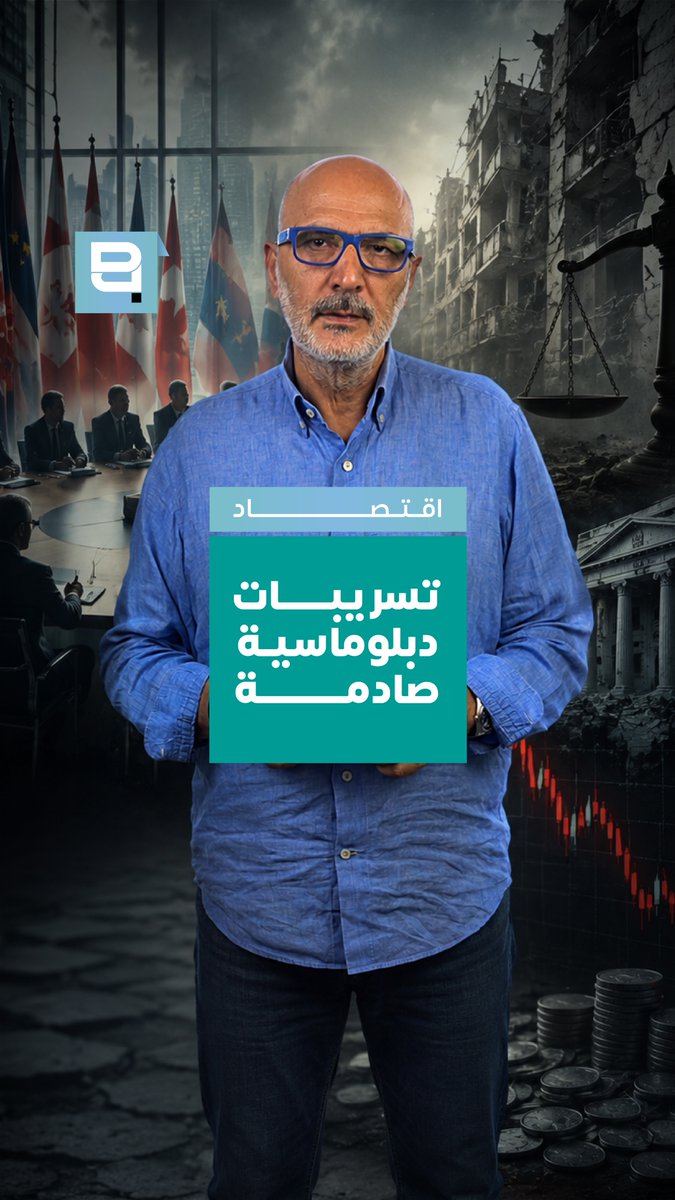
معلومات صادمة لبيروت بوليتيكس في تحرّك دبلوماسي غير مسبوق، أجرى سفراء دول الاتحاد الأوروبي السبع والعشرين، إلى جانب سفراء كندا، والمملكة المتحدة، والنرويج، وسويسرا، وأستراليا، سلسلة لقاءات مع كبار المسؤولين اللبنانيين، في مقدّمهم رئيس الحكومة نواف سلام ورئيس حزب القوات اللبنانية سمير جعجع، وذلك بين 7 و13 تموز. وبحسب المعلومات، فإن هذه الجولة ليست سوى البداية، إذ يُنتظر أن تشمل الأيام والأسابيع المقبلة سبع زيارات إضافية إلى مراجع سياسية ونيابية. الرسالة الغربية، وفق ما تنقله مصادر مطّلعة، كانت واضحة وحاسمة: ضرورة الإسراع في التوصل إلى اتفاق مع صندوق النقد الدولي. عدم الالتفاف على التعديلات المطلوبة في قانون إصلاح المصارف. وعدم إفراغ مشروع قانون الاستقرار المالي واسترداد الودائع من مضمونه الإصلاحي. وتؤكد المصادر أن هذا الحشد الدبلوماسي شدّد على ضرورة أن تأتي التشريعات اللبنانية مطابقة بالكامل لما يتم الاتفاق عليه مع صندوق النقد الدولي، من دون تعديلات تُفرغ الإصلاحات من أهدافها. ويأتي هذا التحرّك بعد انسحاب مصرف لبنان من مسار التفاوض مع الصندوق، وبالتزامن مع بدء مجلس النواب مناقشة التعديلات على قانون إصلاح المصارف. وبحسب معلومات خاصة حصلت عليها بيروت بوليتيكس، حملت اللقاءات رسالتين أساسيتين: الرسالة الأولى: عدم العبث بالتشريعات الإصلاحية أو محاولة الالتفاف عليها، لأن ذلك سيؤدي إلى إعادة إنتاج الأزمة نفسها التي يعيشها لبنان منذ سبع سنوات. الرسالة الثانية: لا تمويل دولياً حقيقياً للبنان، ولا استعادة للثقة، ولا عودة للاستثمارات، من دون اتفاق رسمي مع صندوق النقد الدولي. وتضيف المعلومات أن عدداً من السفراء يعتبرون أن بعض الجهات المعارضة للاتفاق مع الصندوق لا تنطلق من الحرص على أموال المودعين، التي تستمر قيمتها بالتآكل منذ سنوات، بل من اعتبارات تتعلق بالحفاظ على الصلاحيات والنفوذ، وحماية مصالح قوى مالية ومصرفية نافذة. وبحسب هذه المصادر، فإن القوى التي تعرقل الاتفاق لا تطرح أي بديل اقتصادي أو مالي قابل للتنفيذ. أما الخلاصة التي ينقلها عدد من السفراء والمؤسسات المالية الدولية، فهي أن استمرار تعطيل الاتفاق مع صندوق النقد قد يُبقي لبنان تحت وطأة تداعيات أزمته الاقتصادية لعشرين عاماً على الأقل. تبقى هذه المواقف منسوبة إلى مصادر دبلوماسية وإلى مؤسسات مالية دولية، لكنها تعكس حجم القلق الدولي من مسار الإصلاحات في لبنان. لقد أَعذر من أنذر. Shocking information obtained by Beirut Politics In an unprecedented diplomatic move, the ambassadors of the 27 European Union member states, along with the ambassadors of Canada, the United Kingdom, Norway, Switzerland, and Australia, held a series of meetings with senior Lebanese officials, including Prime Minister Nawaf Salam and Lebanese Forces leader Samir Geagea, between July 7 and July 13. According to the information, this round of meetings is only the beginning, with seven additional visits to political and parliamentary leaders expected in the coming days and weeks. According to informed sources, the Western message was clear and firm: The need to swiftly reach an agreement with the International Monetary Fund. No circumvention of the required amendments to the Banking Reform Law. No weakening of the Financial Stability and Deposit Recovery Law by stripping it of its reform content. The sources confirmed that this broad diplomatic effort stressed that Lebanese legislation must fully comply with whatever is agreed upon with the International Monetary Fund, without amendments that would undermine the purpose of the reforms. This diplomatic initiative comes after Banque du Liban withdrew from the negotiation process with the IMF, while Parliament has begun discussing amendments to the Banking Reform Law. According to exclusive information obtained by Beirut Politics, the meetings carried two key messages: The first message: Do not tamper with reform legislation or attempt to circumvent it, because doing so would reproduce the very crisis Lebanon has been suffering from for the past seven years. The second message: There will be no meaningful international financing for Lebanon, no restoration of confidence, and no return of investments without a formal agreement with the International Monetary Fund. The information further states that several ambassadors believe some of the parties opposing an agreement with the IMF are not motivated by concern for depositors’ money, whose value continues to erode year after year, but rather by considerations related to preserving influence and authority, and protecting the interests of powerful financial and banking groups. According to these sources, the forces obstructing an agreement have failed to present any viable economic or financial alternative. The conclusion conveyed by several ambassadors and international financial institutions is that continued obstruction of an agreement with the IMF could leave Lebanon burdened by the consequences of its economic crisis for at least another twenty years. These positions remain attributed to diplomatic sources and international financial institutions, but they reflect the extent of international concern over the course of Lebanon’s reform process. Those who have warned have fulfilled their duty. Mounir Younès/منير يونس #لبنان #صندوق_النقد_الدولي #الإصلاحات #مجلس_النواب #المصارف #الاقتصاد #BeirutPolitics #Lebanon #IMF #Reforms #Parliament #Banking #Economy #BeirutPolitics

Beirut Politics

18,060 Aufrufe • vor 1 Monat

#WATCH Jeffrey Sachs Blasts US Power Grab Over Venezuela, Maduro Capture at Historic UN Meeting 🇺🇸 US military interventions in foreign countries since WWII (incomplete list): 🇮🇷 Iran: 1946 🇨🇳 China: 1946 - 1949 🇬🇷 Greece: 1947 - 1949 🇮🇹 Italy: 1948 🇵🇭 Philippines: 1948 - 1954 🇰🇵 Korea: 1950 - 1953 🇮🇷 Iran: 1953 🇻🇳 Vietnam: 1954 🇬🇹 Guatemala: 1954 🇱🇧 Lebanon: 1958 🇵🇦 Panama: 1958 🇭🇹 Haiti: 1959 🇨🇩 Congo: 1960 🇻🇳 Vietnam: 1960 - 1964 🇨🇺 Cuba: 1961 🇨🇺 Cuba: 1962 🇱🇦 Laos: 1962 🇪🇨 Ecuador: 1963 🇵🇦 Panama: 1964 🇧🇷 Brazil: 1964 🇻🇳 Vietnam: 1965 - 1975 🇮🇩 Indonesia: 1965 🇨🇩 Congo: 1965 🇩🇴 Dominican Republic: 1965 🇱🇦 Laos: 1965 - 1973 🇬🇭 Ghana: 1966 🇬🇹 Guatemala: 1966 - 1967 🇰🇭 Cambodia: 1969 - 1975 🇴🇲 Oman: 1970 🇱🇦 Laos: 1971 - 1973 🇨🇱 Chile: 1973 🇰🇭 Cambodia: 1975 🇦🇴 Angola: 1976 - 1992 🇮🇷 Iran: 1980 🇱🇾 Libya: 1981 🇸🇻 El Salvador: 1981 - 1992 🇳🇮 Nicaragua: 1981 - 1990 🇱🇧 Lebanon: 1982 - 1984 🇬🇩 Grenada: 1983 🇭🇳 Honduras: 1983 - 1989 🇮🇷 Iran: 1984 🇱🇾 Libya: 1986 🇧🇴 Bolivia: 1986 🇮🇷 Iran: 1987 - 1988 🇱🇾 Libya: 1989 🇵🇭 Philippines: 1989 🇵🇦 Panama: 1989 - 1990 🇱🇷 Liberia: 1990 🇮🇶 Iraq: 1990 - 1991 🇮🇶 Iraq: 1991 - 2003 🇭🇹 Haiti: 1991 🇸🇴 Somalia: 1992 - 1994 Yugoslavia: 1992 - 1994 🇧🇦 Bosnia: 1993 - 1995 🇭🇹 Haiti: 1994 - 1996 🇭🇷 Croatia: 1995 🇨🇩 Zaire (Congo): 1996 - 1997 🇱🇷 Liberia: 1997 🇸🇩 Sudan: 1998 🇦🇫 Afghanistan: 1998 🇮🇶 Iraq: 1998 Yugoslavia: 1999 🇲🇰 Macedonia: 2001 🇦🇫 Afghanistan: 2001 🇮🇶 Iraq: 2003 🇮🇶 Iraq: 2003-present 🇭🇹 Haiti: 2004 🇸🇾 Syria: 2011-present 🇺🇦 Ukraine: 2014-present 🇻🇪 Venezuela: 2026 The UN Security Council witnessed a rare, explosive intervention as economist Jeffrey Sachs delivered a sweeping warning on Venezuela. Speaking during an emergency session, Sachs framed the crisis as a test of international law itself, not leadership politics. He traced decades of U.S. regime-change actions, questioned the legality of force and sanctions, and warned of catastrophic consequences if UN rules collapse in a nuclear age. Since 1947, United States foreign policy has repeatedly employed force, covert action, and political manipulation to bring about regime change in other countries. This is a matter of carefully documented historical record. In her book Covert Regime Change (2018), political scientist Lindsey O’Rourke documents 70 attempted US regime-change operations between 1947 and 1989 alone. These practices did not end with the Cold War. Since 1989, major United States regime-change operations undertaken without authorization by the Security Council have included, among the most consequential: Iraq (2003), Libya (2011), Syria (from 2011), Honduras (2009), Ukraine (2014), and Venezuela (from 2002 onward). The methods employed are well established and well documented. They include open warfare; covert intelligence operations; instigation of unrest; support for armed groups; manipulation of mass and social media; bribery of military and civilian officials; targeted assassinations; false-flag operations; and economic warfare aimed at collapsing civilian life. These measures are illegal under the UN Charter, and they typically result is ongoing violence, lethal conflict, political instability, and deep suffering of the civilian population. The case of Venezuela The recent United States record with respect to Venezuela is clear. In April 2002, the United States knew of and approved an attempted coup against the Venezuelan government. In the 2010s, the United States funded civil society groups actively engaged in anti-government protests, notably in 2014. When the government cracked down on the protests, the US followed with a series of sanctions. In 2015, President Barrack Obama declared Venezuela to be “an unusual and extraordinary threat to the national security and foreign policy of the United States.” In 2017, at a dinner with Latin American leaders on the margins of the UN General Assembly, President Trump openly discussed the option of the US invading Venezuela to overthrow the government. During 2017 to 2020, the US imposed sweeping sanctions on the state oil company. Oil production fell by 75 percent from 2016 to 2020, and real GDP per capita (PPP) declined by 62 percent. The UN General Assembly has repeatedly voted overwhelmingly against such unilateral coercive measures. Under international law, only the Security Council has the authority to impose such sanctions. On 23 January 2019, the United States unilaterally recognized Juan Guaidó as “interim president” of Venezuela and on 28 January 2019 froze approximately $7 billion of Venezuelan sovereign assets held abroad and gave Guaidó authority over certain assets. These actions form part of a continuous United States regime-change effort spanning more than two decades. Recent United States global escalation In the past year, the United States has carried out bombing operations in seven countries, none of which were authorized by the Security Council and none of which were undertaken in lawful self-defense under the Charter. The targeted countries include Iran, Iraq, Nigeria, Somalia, Syria, Yemen, and now Venezuela. In the past month, President Trump has issued direct threats against at least six UN member states, including Colombia, Denmark, Iran, Mexico, Nigeria and of course Venezuela. These threats are summarized in Annex I to this statement. What is at stake today Members of the Council are not called upon to judge Nicolás Maduro. They are not called upon to assess whether the recent United States attack and ongoing naval quarantine of Venezuela result in freedom or in subjugation. Members of the Council are called upon to defend international law, and specifically the United Nations Charter. The realist school of international relations, articulated most brilliantly by John Mearsheimer, accurately describes the condition of international anarchy as “the tragedy of great power politics.” Realism is therefore a description of geopolitics, not a solution for peace. Its own conclusion is that international anarchy leads to tragedy. In the aftermath of World War I, the League of Nations was created to end the tragedy through the application of international law. Yet the world’s leading nations failed to defend international law in the 1930s, leading to renewed global war. The United Nations emerged from that catastrophe as humanity’s second great effort to place international law above anarchy. In the words of the Charter, the UN was created “to save succeeding generations from the scourge of war, which twice in our lifetime has brought untold sorrow to mankind.” Given that we are in the nuclear age, failure cannot be repeated. Humanity would perish. There would be no third chance. Measures required of the Security Council To fulfill its responsibilities under the Charter, the Security Council should immediately affirm the following actions: The United States shall immediately cease and desist from all explicit and implicit threats or use of force against Venezuela. The United States shall terminate its naval quarantine and all related coercive military measures undertaken in the absence of authorization by the Security Council. The United States shall immediately withdraw its military forces from within and along the perimeter of Venezuela, including intelligence, naval, air, and other forward-deployed assets positioned for coercive purposes. Venezuela shall adhere to the UN Charter and to the human rights protected in the Universal Declaration of Human Rights. The Secretary-General shall immediately appoint a Special Envoy, mandated to engage relevant Venezuelan and international stakeholders and to report back to the Security Council within fourteen days with recommendations consistent with the Charter of the United Nations, and the Security Council shall remain urgently seized of this matter. All Member States shall refrain from unilateral threats, coercive measures, or armed actions undertaken outside the authority of the Security Council, in strict conformity with the Charter. In Closing Mr. President, Distinguished Members, Peace and the survival of humanity depend on whether the United Nations Charter remains a living instrument of international law or is allowed to wither into irrelevance. That is the choice before this Council today. Thank you.

Ignorance, the root and stem of all evil

368,200 Aufrufe • vor 7 Monaten

President Donald Trump is causing a constitutional crisis by eliminating the United States Agency for International Development (USAID) and giving Elon Musk access to confidential Treasury records, say the media and Democrats. The American people didn’t elect Musk, said Democrats in a rally on Friday, where some House members were disallowed from entering the Department of Education. A judge on Friday restricted Musk’s team’s access to Treasury records. Trump yesterday, in an interview with Bret Baier of Fox, said that Musk would soon begin seeking efficiencies in the Departments of Defense and Education. As such, what’s happening is a “constitutional crisis,” said Rep. Jamie Raskin on Meet the Press, where he threatened a class action lawsuit on behalf of the American people. But there is no constitutional crisis. The American people elected Trump as president, and he, not Congress, exercises authority over all executive branch agencies, including USAID, the Department of Education, the Department of Defense, and the Treasury Department. Trump has clear Constitutional authority to audit the finances overseen by the Treasury and every other agency, and that includes assigning that audit to whoever he chooses. The Constitution grants Congress oversight duties but those powers do not include members being allowed to enter any executive branch building whenever they please. None of that means that the administration should ignore Congress, court orders, or the potential public health problems that could be created by the closure of USAID and freezing of its funds. Said the surgeon, New Yorker author, and former USAID official, Atul Gawande, on X, “20M people with HIV, including 500,000 children, have been cut off from access to medicines keeping them alive. Global HIV transmission, resistance, and deaths will now increase, endangering all.” Gawande added that, as a result of the loss of USAID, the US has lost critical bird flu surveillance, sacrificed humanitarian aid in Gaza, and halted the resettlement of former Islamic State combatants. USAID may have been doing and funding projects that were worthwhile. And it may be that Congress will need to pass legislation to continue those projects through the State Department. But it’s emotional blackmail to suggest the USAID closure and freeze on aid will kill African children. The Trump administration already created a waiver for HIV treatment and resumed aid for tuberculosis, malaria, and newborn health. And USAID’s health programs should be subject to scrutiny, given the agency’s history of using such programs as cover for other activities, including regime change and biodefense research. For example, under President Barack Obama’s administration, USAID was caught using an HIV program to foment rebellion in Cuba. USAID used EcoHealth Alliance as a passthrough organization to funnel $1.1 million to the Wuhan Institute of Virology, which was conducting risky gain-of-function experiments that may have caused the Covid pandemic. As such, anyone who truly believes in public health for poor people in poor nations must agree that USAID needs to be reined in and cleaned up. That starts first with precisely the kind of audit the Democrats are trying to stop. After that, USAID — and other government agencies eventually — must justify what they are spending money on. The public’s interest is ensuring that every dollar of taxpayer money is accounted for and justified. A major reason that the American people elected Trump was precisely because they believed he would reform the government, and that meant rooting out abuse, fraud, and waste. There is a large body of evidence of all three in USAID, the DOD, and the Department of Education. And, as for complying with the law on the closure of USAID, support for just such a law is growing in Congress. The media and others in Washington, D.C., have known for decades that USAID was a hub of fraud and abuse. The Washington Post cited two individuals with the Center for Global Development, a center-left think tank funded by Bill Gates that has been defending USAID, who told the Washington Post that a claim by Musk that just 10% of USAID money reached people on the ground was “wildly incorrect and misleading.” But their clarification — that just “10 percent of USAID payments are made directly to organizations in the developing world” and the “remaining 90 percent” is delivered by organizations in the US and developed world — underscored that USAID fundamentally isn’t working. Think about it. If USAID were so effective in achieving its ostensible goal of “development,” why are the countries it works in still so poor and underdeveloped? In truth, Democrats and Republicans alike have recognized for decades that USAID needed reform. In 2015, even the Center for Global Development urged a “top-to-bottom review of USAID’s sector- and country-based activities based upon program effectiveness, allocation of USAID resources, alignment with partner priorities, and national security implications” followed by “comprehensive reform.” As recently as 2021, the media acknowledged the obvious. That year, the New York Times published an article headlined, “U.S. Aid to Central America Hasn’t Slowed Migration. Can Kamala Harris?” In it the Times acknowledged that “experts say the reasons that years of aid have not curbed migration” is in part because “much of the money is handed over to American companies, which swallow a lot of it for salaries, expenses and profits, often before any services are delivered” — precisely the reason President Trump shut down USAID. Wrote the Times, “From 2016 to 2020, 80 percent of the American-financed development projects in Central America were entrusted to American contractors, according to data provided by the U.S. Agency for International Development.” It’s the same story for education. Just 10 days ago, the National Assessment of Education Progress (NAEP) released the latest test scores showing yet another decline in reading and continued flat-lining in math for eighth graders. The media described the test results as a “new low” and “even worse” than in the past and “disheartening.” Democrats and the media thus know perfectly well that the Department of Education’s work is either insufficient to counteract the decline or is actively contributing to it, and thus reform of the Department of Education is highly reasonable. And yet Democrats demanded they be allowed to enter the Department of Education headquarters in Washington as though to defend it. From what? Improvement? The position of the Democrats is even more ridiculous when one considers the example of the Defense Department. Will Democrats now, after decades of attacking military spending as wasteful, defend it? If they do, they will alienate their own partisans. But if they don’t, then they will find it difficult to answer the question of why reform is necessary in the military but not in the Department of Education or USAID? Making the situation even more surreal is that it was Democrats, not Republicans, who made the biggest push for government efficiency and reform in the last thirty years. In 1993, shortly after taking office, President Bill Clinton empowered Vice President Al Gore to oversee a “Reinventing Government” initiative. The aim was to streamline bureaucracy, cut costs, and improve government efficiency. It emphasized customer service, performance-based management, and innovation — all things that Musk is famous for implementing at his companies. It’s not obvious why Democrats are opposing Trump’s actions. Doing so reinforces that they are the party of waste, fraud, and abuse. Polling shows that public support for Trump is at an all-time high of 53%, according to a new CBS poll. By contrast, 57% of registered voters have an unfavorable opinion of the Democratic Party, the worst numbers in 17 years. Nor is it obvious why the media has maintained its anti-Trump bias. The Washington Post’s daily traffic declined by nearly 90% from 23 million daily active users in January 2021 to 2.5 to 3 million in the middle of last year. In the week ending November 24, CNN and MSNBC lost 47% and 53% of their primetime viewership. Last month, CNN announced it was laying off 200 employees while MSNBC saw its president step down. Politico’s cofounder said last week that “The left right now, liberal media, has probably never been weaker in my lifetime than right now.” The public desperately wants reform, and 60% of the public has long supported cutting foreign aid, which has long been popular with the public. Why can’t Democrats and the media just embrace Trump’s government efficiency effort? Why are they engaging in such seemingly self-destructive behavior? Please subscribe now to support Public's award winning journalism, watch the rest of the video, and read the rest of the article by alex gutentag and Michael Shellenberger !

Michael Shellenberger

123,199 Aufrufe • vor 1 Jahr

In October 2025, the Prime Minister undertook a series of national and international engagements focused on infrastructure development, rural transformation, governance reform, and diplomatic cooperation. Here is a brief recap of the past month: 𝙊𝙣 𝙐𝙧𝙗𝙖𝙣 𝘿𝙚𝙫𝙚𝙡𝙤𝙥𝙢𝙚𝙣𝙩 𝙖𝙣𝙙 𝙁𝙤𝙧𝙚𝙞𝙜𝙣 𝘿𝙞𝙧𝙚𝙘𝙩 𝙄𝙣𝙫𝙚𝙨𝙩𝙢𝙚𝙣𝙩 A defining highlight of the month was the laying of the foundation stone for the urea fertilizer plant, a landmark project developed through a partnership between Ethiopian Investment Holdings and the Dangote Group. With an annual production capacity of three million tons, the plant will utilize natural gas from the Calub gas fields, transported through a 108-kilometer pipeline. This project is a cornerstone of Ethiopia’s strategy to achieve fertilizer self-sufficiency and enhance agricultural productivity. In the Somali Region, the Prime Minister also inaugurated the Gode Oil Refinery, developed by Golden Concord Group Limited (GCL). The refinery, designed to process 3.5 million tons of crude oil and condensate per year from the Hilala oil field, represents a significant step in Ethiopia’s path toward energy independence. Complementing these milestones, the Prime Minister inaugurated the first phase of the Ogaden Liquified Natural Gas (LNG) Project in Calub. The facility, with an annual production capacity of 111 million litres and the ability to generate 1,000 megawatts of energy, strengthens Ethiopia’s industrial base while contributing critical inputs to fertilizer production and energy generation. During his visit to Jigjiga in the Somali Region, the Prime Minister observed the city’s rapid transformation since his last visit in January 2025. Thousands of new housing units are under construction, and corridor development projects are visibly enhancing urban well-being. He lauded the Dine for Generations Project, nearing completion in the Somali Region, for unlocking new opportunities in tourism and stimulating regional economic growth. Prime Minister Abiy Ahmed, accompanied by members of the Prosperity Party Executive Committee, visited the corridor development project extending from Sar Bet to German Square, encompassing the Garment Factory and the Furi area. Spanning 589 hectares, it is the second-largest urban corridor after Kazanchis. The project features 16.5 kilometers of asphalt roads, 33 kilometers of pedestrian walkways, plazas, sports and recreation facilities, riverbank development, and over 1,100 commercial shops. The initiative embodies Ethiopia’s broader vision of creating modern, livable, and economically vibrant cities. 𝙊𝙣 𝙍𝙪𝙧𝙖𝙡 𝙏𝙧𝙖𝙣𝙨𝙛𝙤𝙧𝙢𝙖𝙩𝙞𝙤𝙣 𝙖𝙣𝙙 𝘼𝙜𝙧𝙞𝙘𝙪𝙡𝙩𝙪𝙧𝙖𝙡 𝙈𝙤𝙙𝙚𝙧𝙣𝙞𝙯𝙖𝙩𝙞𝙤𝙣 Advancing his government’s rural development agenda, the Prime Minister presided over the handover of model rural villages constructed through the Rainy Season Voluntary Scheme in the Halaba, Kembatta, Hadiya, and Silte zones. Each home in these Rural Corridor Villages is equipped with solar power, biogas systems, sanitation facilities, and animal shelters, significantly improving hygiene, comfort, and productivity for rural families. These model villages mark a new chapter in Ethiopia’s mission to raise rural living standards and promote sustainable livelihoods. The Prime Minister encouraged regional leaders to expand these initiatives, setting a target of 100 new houses per zone by next year. During his visit to the East Shewa Zone of the Oromia Region, the Prime Minister also reviewed the rainy season wheat harvest and launched summer wheat production activities. He assessed progress in banana, papaya, and fish farming clusters, emphasizing the growing adoption of mechanized agriculture as a major driver of productivity and self-reliance. He also inaugurated the Welmel River Irrigation Development Project in Delo-Mena Woreda, Bale Zone. Once fully operational, the project will irrigate 9,687 hectares of farmland, benefiting 20,000 farming households and enhancing drought resilience, food sovereignty, and rural employment. 𝙊𝙣 𝙀𝙘𝙤𝙣𝙤𝙢𝙞𝙘 𝙂𝙤𝙫𝙚𝙧𝙣𝙖𝙣𝙘𝙚 𝙖𝙣𝙙 𝙈𝙖𝙘𝙧𝙤𝙚𝙘𝙤𝙣𝙤𝙢𝙞𝙘 𝙍𝙚𝙫𝙞𝙚𝙬 At the Koysha Project site, the Prime Minister convened a strategic review session with the Council of Ministers to assess the macroeconomic performance of the first 100 days of the 2018 Ethiopian Fiscal Year. The review examined achievements, challenges, and strategic priorities, highlighting Ethiopia’s sustained economic resilience amid global uncertainty. The nation’s GDP growth rate stood at 9.2 percent for the 2017 fiscal year, underscoring the success of reforms aimed at fostering inclusive and diversified growth. 𝙊𝙣 𝙅𝙪𝙙𝙞𝙘𝙞𝙖𝙡 𝙈𝙤𝙙𝙚𝙧𝙣𝙞𝙨𝙖𝙩𝙞𝙤𝙣 𝙩𝙝𝙧𝙤𝙪𝙜𝙝 𝘿𝙞𝙜𝙞𝙩𝙖𝙡 𝙏𝙧𝙖𝙣𝙨𝙛𝙤𝙧𝙢𝙖𝙩𝙞𝙤𝙣 Building on the success of the Digital 2025 Strategy, the Prime Minister announced the forthcoming Digital 2030 Strategy, focused on advancing automation and improving public service delivery. He commended the Federal Supreme Court for implementing a Smart Court System featuring automated transcription, virtual hearings, and an Integrated Case Management System that enables litigants to track cases online. Covering 24 federal branches to date, this innovation marks an important step toward transparent and accessible justice across Ethiopia. 𝙊𝙣 𝙈𝙚𝙙𝙞𝙖, 𝘾𝙪𝙡𝙩𝙪𝙧𝙚, 𝙖𝙣𝙙 𝙏𝙤𝙪𝙧𝙞𝙨𝙢 Prime Minister Abiy Ahmed attended the launch of the pan-African media outlet Pulse of Africa, a platform he first proposed during the 35th Ordinary Session of the African Union Assembly in 2022. The initiative seeks to amplify African perspectives, counter negative portrayals of the continent, and strengthen African unity through shared narratives. In his remarks, the Prime Minister emphasized that Pulse of Africa marks a significant step toward ensuring that Africans tell their own stories and shape their global image. Accompanied by First Lady Zinash Tayachew and a high-level delegation of former and current leaders, the Prime Minister also visited the Bale Zone to assess key development projects that integrate natural heritage with national progress. The delegation toured the Bale Mountains National Park, one of Ethiopia’s most ecologically diverse and economically significant natural areas. The Prime Minister observed ongoing tourism developments, including the nearly completed Dinsho Lodge at the heart of the park and the Sof Omer Luxury Lodge near the Sof Omer Cave. Both projects are designed to advance Ethiopia’s Ten-Year Strategic Plan by positioning tourism as a catalyst for economic transformation. The Sof Omer Cave Development Project complements these initiatives by improving access and visitor facilities around one of the country’s most celebrated natural landmarks. The delegation also inspected the Robe–Goro–Sof Omer–GinirJunction Road Upgrading Project, a dual asphalt roadway featuring five bridges that connect the productive agricultural zones of East Bale and Bale with central Ethiopia. The upgraded route enhances regional mobility, strengthens economic integration, and improves access to major tourist destinations such as the Bale Mountains National Park and Sof Omer Cave. In addition, the Prime Minister reviewed the Weib River Flood Control Project, which regulates water flow through the cave system to ensure year-round accessibility and protect its ecosystem. He also examined tourism development efforts in the Harenna cluster, including the construction of the Rira Eco Lodge, new viewpoints, restaurants, and coffee facilities along the routes leading to Tulu Dimtu, the park’s highest peak. These initiatives aim to expand sustainable tourism, create local employment, and showcase the natural and cultural richness of the Bale region. The visit concluded at the Fincha Habera Waterfall, where the delegation explored the surrounding landscape, home to the Ethiopian Red Fox, diverse birdlife, and striking geological formations such as the Rafu rock pinnacles. The area, which recently revealed a newly discovered cave system, will soon feature a glamping site designed to promote eco-friendly tourism. Reflecting on the visit, Prime Minister Abiy highlighted Ethiopia as a land of abundance and opportunity, urging citizens to safeguard and build upon the nation’s natural and human wealth for future generations. The delegation collectively reaffirmed the importance of stewardship, unity, and visionary development in shaping Ethiopia’s sustainable and prosperous future. 𝙋𝙖𝙧𝙡𝙞𝙖𝙢𝙚𝙣𝙩𝙖𝙧𝙮 𝙀𝙣𝙜𝙖𝙜𝙚𝙢𝙚𝙣𝙩 𝙖𝙣𝙙 𝙉𝙖𝙩𝙞𝙤𝙣𝙖𝙡 𝘿𝙞𝙨𝙘𝙤𝙪𝙧𝙨𝙚 Prime Minister Abiy Ahmed, in his recent address to Ethiopia’s Parliament, highlighted the country’s substantial progress in economic reform, diversification, and infrastructure development. He noted that Ethiopia’s shift from an agriculture-dependent economy toward industrial and service growth has yielded impressive results, citing rapid agricultural expansion, record-high export revenues, and increased foreign reserves. Major investments in green initiatives, transport infrastructure, and energy projects are transforming productivity and sustainability, while prudent debt management and targeted subsidies have stabilized inflation. He emphasized the government’s focus on strengthening institutional capacity, expanding digitalization, training millions of youth in coding, and modernizing service delivery through nationwide one-stop centers. On peace and governance, the Prime Minister reaffirmed Ethiopia’s commitment to stability, dialogue, and national unity, warning against both internal and external actors seeking to destabilize the country. He stressed that the only viable path for Ethiopia is peaceful political transition and democratic consolidation. Looking ahead to the upcoming national election, he assured Parliament of the government’s readiness to ensure a fair and inclusive process. On foreign relations, he reiterated Ethiopia’s right to equitable use of the Nile waters and called for cooperative engagement with neighboring countries. Addressing the Red Sea question, he described it as a legitimate historical and economic concern that Ethiopia intends to pursue through dialogue and mutual development, underscoring that the nation’s growth is intertwined with regional prosperity and peace. 𝙊𝙣 𝘿𝙞𝙥𝙡𝙤𝙢𝙖𝙩𝙞𝙘 𝙀𝙣𝙜𝙖𝙜𝙚𝙢𝙚𝙣𝙩𝙨 𝙖𝙣𝙙 𝙍𝙚𝙜𝙞𝙤𝙣𝙖𝙡 𝘾𝙤𝙤𝙥𝙚𝙧𝙖𝙩𝙞𝙤𝙣 On the international stage, Prime Minister Abiy Ahmed led Ethiopia’s delegation to the 24th Summit of the COMESA Authority of Heads of State and Government in Nairobi, Kenya, held under the theme “Leveraging Digitalization to Deepen Regional Value Chains for Sustainable and Inclusive Growth.” Addressing the Summit, he underscored that Africa’s digital transformation offers a unique opportunity to rewrite its economic narrative and strengthen continental integration. He affirmed Ethiopia’s readiness to collaborate with regional partners to advance a shared digital future. In separate diplomatic meetings, the Prime Minister held discussions with President Hassan Sheikh Mohamud of the Federal Republic of Somalia on bilateral and regional matters of mutual interest, and with Dr. Constantinos Kombos, Minister of Foreign Affairs of the Republic of Cyprus, to strengthen political and economic cooperation between their two nations. 𝙊𝙣 𝙏𝙖𝙭𝙥𝙖𝙮𝙚𝙧 𝙍𝙚𝙘𝙤𝙜𝙣𝙞𝙩𝙞𝙤𝙣 𝙖𝙣𝙙 𝙂𝙤𝙫𝙚𝙧𝙣𝙖𝙣𝙘𝙚 𝙍𝙚𝙛𝙤𝙧𝙢 At the 7th Annual Loyal Taxpayers Recognition Ceremony, Prime Minister Abiy Ahmed celebrated outstanding taxpayers for their contributions to Ethiopia’s development. He reaffirmed that tax revenues are being invested in vital public goods and infrastructure projects and urged all citizens to uphold transparency and reject corruption. The Prime Minister emphasized that collective integrity and accountability are essential to building a just and prosperous nation. Throughout October 2025, Prime Minister Abiy Ahmed’s decisive leadership and forward-looking initiatives across industry, agriculture, urban renewal, justice, and diplomacy demonstrated Ethiopia’s unwavering commitment to inclusive development and national progress. // #PMOEthiopia

Office of the Prime Minister - Ethiopia

12,135 Aufrufe • vor 9 Monaten

🎥🧵 في هذا الخيط سأشارك مقاطع توثّق الانتهاكات التي ارتكبتها مليشيا الدعم السريع (الجنجويد) المدعومة من الإمارات في السودان، وفي الفاشر بشكل خاص. ✨ دوافع هذا الخيط: 📌 هذه المقاطع مترجمة إلى الإنجليزية، حتى تُستخدم في التوثيق والمناصرة أمام الرأي العام وصنّاع القرار. 📌 هناك محاولات لتصوير ما حدث في الفاشر كتصرفات فردية، وليست جرائم ممنهجة ترتكبها مليشيا منظمة ومدعومة. 📌 تحاول حملات التضليل استخدام صور ومقاطع مزيّفة للترويج لفكرة أن شيئاً لم يحدث في الفاشر، متجاهلةً الأدلة القاطعة التي وثّقتها جامعة ييل عبر صور الأقمار الصناعية. 📌 أي مقاطع إضافية موثوقة سيتم ترجمتها وإضافتها إلى هذا الخيط لاحقاً. 🔹 معظم هذه المقاطع مأخوذة من صفحة Sudanese Echo، يُرجى متابعتهم للمزيد من التوثيقات والمحتوى المترجم. 🔁 الرجاء اقتباس هذا المنشور وحفظه في العلامات المرجعية لمتابعة التحديثات. ⚠️ هذا خيط مستمر، يرجى القراءة وإعادة النشر والمشاركة بدلاً من الرد حتى يبقى واضحاً. ------------------------------------------------------------------------------------------------------------------------ 🎥🧵 In this thread, I will share videos documenting violations committed by the UAE-backed Rapid Support Militia (Janjaweed) in Sudan, especially in El Fasher. ✨ Why this thread matters: 📌 These clips are translated into English so they can be used for documentation and advocacy with the international public and decision makers. 📌 There are ongoing attempts to frame what happened in El Fasher as isolated acts by individuals, rather than systematic crimes by an organized, supported militia. 📌Disinformation campaigns use fake visuals to claim nothing happened in El Fasher, ignoring the conclusive satellite imagery verified by Yale University. (not the fake version that was circulated) 📌 Any additional verified videos will be translated and added to this thread. 🔹 Most of these videos are taken from Sudanese Echo — please follow the account for more documented and translated content. 🔁 Please quote this post and bookmark it to follow future updates. ⚠️ This is a continuous thread, please read, repost, and share rather than reply so it stays clear. ------------------------------------------------------------------------------------------------------------------------ فيديو يكشف أوامر مليشيا الدعم السريع (الجنجويد) المدعومة من الإمارات: عبد الرحيم دقلو يأمر جنوده بقتل الجميع "لا أريد أسيراً حياً في الفاشر" في الأيام الأخيرة، ظهرت مئات المقاطع التي توثّق الفظائع التي ارتكبتها مليشيا الدعم السريع (الجنجويد) المدعومة من الإمارات بعد دخولها مدينة الفاشر. وتشير التقديرات إلى مقتل آلاف المدنيين، حتى أن صور الأقمار الصناعية أظهرت بقع دماء داكنة يمكن رؤيتها من الفضاء. عدة مقاطع أظهرت قائداً في المليشيا يُعرف باسم أبو لولو وهو ينفّذ إعدامات ميدانية بحق العشرات من المدنيين بدم بارد. وبعد تصاعد الغضب الدولي، حاولت المليشيا الإيحاء بأن أبا لولو تصرّف بمفرده، لكن عشرات المقاطع الأخرى أظهرت مئات من عناصر المليشيا وهم يرتكبون الجرائم ذاتها وأفظع منها، مما يؤكد أن ما جرى ليس تجاوزات فردية، بل نمط ممنهج من الإبادة. ظهر في الأيام الأخيرة مقطع جديد لـ عبد الرحيم حمدان دقلو، النائب لقائد مليشيا الدعم السريع وشقيق قائدها محمد حمدان دقلو (حميدتي)، وهو يخاطب جنوده قبل دخول الفاشر، موجهاً إليهم أمراً واضحاً بعدم أخذ أي أسير حي، أي بقتل كل من يعترض طريقهم. وفي مقطع آخر منفصل، يظهر جنود المليشيا وهم يردّدون كلماته حرفياً: "بعد 72 ساعة سندخل الفاشر، لا نريد أسيراً حياً." هذه المقاطع تترك الحقيقة عارية أمام الجميع: الجرائم في الفاشر لم تكن تصرّفات فردية ولا أخطاء عشوائية، بل أوامر صريحة من أعلى القيادات. فمليشيا الدعم السريع (الجنجويد) تعمل بعقلية الإبادة ذاتها التي وسمت جرائمها في دارفور مطلع الألفية. الفارق الوحيد هذه المرة أنها عادت بأسلحة ومعدّات وتمويل متطور قدّمته دولة الإمارات العربية المتحدة، مما جعل جرائمها تتسع وتزداد بشاعة، لتشمل معظم مناطق السودان وتزرع الموت والرعب في كل مدينة وقرية. ------------------------------------------------------------------------------------------------------------------------ Recent Video Exposes UAE-Backed Rapid Support Militia Orders: Abdelrahim Dagalo Commands His Fighters to Kill Everyone, “No Prisoners Alive in El Fasher” In recent days, hundreds of videos have surfaced documenting the atrocities committed by the UAE-backed Rapid Support Militia (Janjaweed) after entering the city of El Fasher. Estimates indicate that thousands of civilians have been killed, with satellite images showing dark pools of blood visible even from space. Several videos showed a militia commander known as Abu Lulu carrying out field executions of dozens of civilians in cold blood. Following the international backlash, the militia attempted to portray Abu Lulu as a rogue element acting on his own. However, dozens of other videos have shown hundreds of militia members committing the same crimes and even worse, proving that these were not isolated acts but part of a systematic campaign of extermination. A recent video has also surfaced showing Abdelrahim Hamdan Dagalo, the deputy commander of the Rapid Support Militia and brother of its leader Mohamed Hamdan Dagalo (Hemedti), addressing his fighters before the assault on El Fasher. In the video, Dagalo clearly instructs his troops not to take any prisoners alive, effectively ordering them to kill everyone in their path. In another separate clip, fighters from the same militia can be heard echoing his words: "72 hours to El Fasher, no prisoners alive." These videos strip away any pretense or denial. The crimes in El Fasher were not random excesses or individual mistakes but direct orders from the top leadership. The Rapid Support Militia (Janjaweed) continues to operate with the same genocidal mindset that defined its atrocities in Darfur in the early 2000s. The only difference this time is that it returned with advanced weapons, equipment, and funding provided by the United Arab Emirates, making its crimes even more horrifying and widespread, engulfing nearly all parts of Sudan with death and terror.

Yousif

28,538 Aufrufe • vor 9 Monaten

War Diary Day 1,391 Blaise Metreweli, the Chief of Britain's Secret Intelligence Service, sticks it to the Killer in The Kremlin. And all his creepy helpers. I agree with every fucking word. VPDFO! (Transcript of the speech, exactly as it was delivered) 📷 Welcome inside MI6. This iconic building, familiar to movie fans everywhere, is the home of Britain’s foreign intelligence agency. But whilst hundreds of my team pass through the entry pods each day, the truth is that most of our work happens many miles away from this place - out of sight, hidden from the world, undercover, recruiting and running agents who choose to place their trust in us, sharing secrets to make the UK and the world safer. You might pass one of our officers on the street or sit next to them on a plane when you’re about to set off on an adventure of your own, or in a foreign city taking selfies by the sights. Whether it’s in seemingly everyday places, or on the front line embedded with our military, MI6 is there. In my first few weeks, I’ve heard repeatedly that MI6 is trusted and respected globally, two things that we never take for granted. We are seen as a source of hard power, soft influence and rapid innovation. I’ve also heard that people want to believe in MI6. It’s my job to make sure they can. Today, I want to talk about human agency. We all have choices to make about how we deal with the undercurrents shaping our world. About how, in our new, faster, more dangerous and technology-mediated world, it will be our rediscovery of our shared humanity, our ability to listen, and our courage that will determine how our future unfolds. Conflict is not inevitable. Understanding human nature is in my bones. From a family shaped by devastating conflict, I grew up with a deep sense of gratitude for the UK’s precious democracy and freedom. I spent much of my childhood overseas, which is where my passion for travel and adventure began. I studied anthropology, and later psychology and AI, exploring how we make sense of the world and each other. It’s why I was drawn to MI6: it offers strong purpose, a chance to serve and a belief in the positive power of human connection. Like the Service, I’m operational to my very core. Over nearly three decades, my career has involved recruiting and running agents in hostile territory; and leading operations in warzones to defuse threats and support peace. Always in teams, always learning from others. Over the years, I’ve worked with hundreds of brilliant partners – and indeed occasionally those we’d label as adversaries – across dozens of countries, tackling weapons proliferation and terrorism. During my time at MI5, I saw close up what it takes to defend Britain from being targeted by hostile states. You’ll find many like me in my organisation: powerfully motivated to protect our precious country; curious about how our world is changing, joining dots and taking action, across domains. But it was in my last role as ‘Q’, where it was my job to turn emerging technologies from threats to opportunities that I could most see the world changing. As I dug deep into data and extraordinary innovation, I could see how technology was rapidly reshaping not just our capabilities but also conflict and trust, truth and global power. Let me lay out how I see the global issues MI6 must tackle. Because the greatest danger we face is to misunderstand the nature of the problem. Let’s be in no doubt. Our world is more dangerous and contested now than it has been for decades. Conflict is evolving and trust eroding, just as new technologies spur both competition and dependence. We are being contested from sea to space, from the battlefield to the boardroom. And even our brains, as disinformation manipulates our understanding of each other and ourselves. Across the globe, we are now confronting not one single danger, but an interlocking web of security challenges – military, technological, social, ethical even – each shaping the other in complex ways. We are now operating in a space between peace and war. This is not a temporary state or a gradual, inevitable evolution. Our world is being actively remade, with profound implications for national and international security. Institutions which were designed in the ashes of the Second World War are being challenged. New blocs and identities forming and alliances reshaping. Multipolar competition in tension with multilateral cooperation. But there’s something distinctive that will make this change unlike any other: the impact of advanced technologies, which will accelerate the pace and scale of every threat and opportunity, and increasingly, individualise them too. Advances in artificial intelligence, biotechnology, and quantum computing are not only revolutionising economies but rewriting the reality of conflict, as they ‘converge’ to create science-fiction-like tools. There’s incredible promise in all this for all of us, from green technologies to hyper-personalised medicine. But also peril. AI-powered robots and drones are brilliant for scaled manufacturing but devastating on the battlefield. Discoveries that cure disease can also create new weapons. And as states race for tech supremacy, or as some algorithms become as powerful as states, those hyper-personalised tools could become a new vector for conflict and control. Power itself is becoming more diffuse, more unpredictable as control over these technologies is shifting from states to corporations, and sometimes to individuals. And at the same time, the foundations of trust in our societies are eroding. Information, once a unifying force, is increasingly weaponised. Falsehood spreads faster than fact, dividing communities and distorting reality. We live in an age of hyper-connection yet profound isolation. The algorithms flatter our biases and fracture our public squares. And as trust collapses, so does our shared sense of truth – one of the greatest losses a society can suffer. The defining challenge of the twenty-first century is not simply who wields the most powerful technologies, but who guides them with the greatest wisdom. Our security, our prosperity, and our humanity depend on it. Our world is being remade. And for the first time, we are all at the heart of it. My Service must now operate in this new context too: not just expert on hostile states, terrorism, proliferation and more, but also fluent in technology, able to anticipate the second and third order effects of advances that reshape the world in minutes not months. And as China will be a central part of the global transformation taking place this century, it is essential that we, as MI6, continue to inform the government’s understanding of China’s rise and the implications for UK national security. I’m going to break with tradition and won’t give you a global threat tour, but will focus here on Putin’s Russia. We all continue to face the menace of an aggressive, expansionist and revisionist Russia, seeking to subjugate Ukraine and harass NATO. I find it harrowing that hundreds of thousands have died, with the toll mounting every day, because of Putin’s historical distortions and his compromised desire for respect. He is dragging out negotiations and shifting the cost of war onto his own population. But Putin should be in no doubt, our support is enduring. The pressure we apply on Ukraine’s behalf will be sustained. Because it is fundamental not just to European sovereignty and security but to global stability. Alongside the grinding war, Russia is testing us in the grey zone with tactics that are just below the threshold of war. It’s important to understand their attempts to bully, fearmonger and manipulate, because it affects us all. I am talking about: Cyberattacks on critical infrastructure. Drones buzzing airports and bases. Aggressive activity in our seas, above and below the waves. State-sponsored arson and sabotage. Propaganda and influence operations that crack open and exploit fractures within societies. Countering this activity is the work of intelligence and security services across Europe and the globe. And as the Foreign Secretary made clear in a speech last week, the UK is defending itself against this Russian information warfare – sanctioning Russian media outlets pushing Kremlin narratives. The export of chaos is a feature not a bug in this Russian approach to international engagement; and we should be ready for this to continue until Putin is forced to change his calculus. So, how should we respond? It’s not enough now just to understand the world. We must shape it too. MI6 is well-positioned to respond to these threats and wider global instability. And we will continue to evolve, just as we have throughout our long history. The UK government has invested in our intelligence agencies and we are all using our unique powers to keep the British people safe. Our ‘open and connected’ partnerships across the UK Intelligence Community, with HMGCC, NSSIF and the wider tech ecosystem in the UK will become even more important – because in the digital battleground, no single organisation can prevail alone. As a global agency, MI6’s inbuilt strength is our partners and our people. The risks I have set out require us to work ever more closely with our colleagues in MI5, GCHQ and in defence and diplomacy. But also with our Five Eyes partners, with the E3, the EU, NATO, those across the Middle East, the Indo-Pacific and beyond. And with many valued partners whose identity needs to remain secret. Together, we integrate our diverse talent, data and tools to meet the threat. AI is a domain in which we will excel, using the technology to augment, not replace, our human skills. Every digital trace, every byte of data, every algorithmic decision has implications for the safety of the lives of the courageous people who work with us as officers and agents, and for the UK’s strategic advantage. Mastery of technology will infuse everything we do. Not just in our labs, but in the field, in our tradecraft, and even more importantly, in the mindset of every officer. We will become as comfortable with lines of code as we are with human sources, as fluent in Python as we are in multiple other languages. Under my leadership, MI6 will continue to attract Britain’s best and most creative minds: linguists and data scientists, case officers and engineers, behavioural experts and technologists. We need people who walk in the shoes and get in the heads of our adversaries. We need people who think differently, challenge assumptions, and act decisively. All can thrive and make a difference at MI6. At an operational level, we will sharpen our edge and impact with audacity, tapping into – if you like – our historical SOE instincts. We’re at our best when we’re hustling to make things happen, because our intelligence is most valuable when it changes reality on the ground. We will take calculated risks, where the prize is significant and the national interest clear. We will never stoop to the tactics of our opponents. But we must seek to outplay them. In every domain. In every way. So intelligence must drive action. Action must deliver advantage. And advantage must serve Britain’s security and prosperity. But at the core, our deeper contribution is also our simplest – how we unlock human agency. Our fast-paced, tech and threat-infused world now generates more heat than light. As nations retrench and rearm, we are losing opportunities to listen to what’s really going on. I’ve seen time and again throughout my career, that this is where MI6 matters most: we listen and we hear. We understand, because we take time to learn languages and cultures, complex technical and historical detail, immerse ourselves in what’s really driving the situation. Across the globe, right now, our officers are finding people with the courage to step forward, and they are taking time to sit and listen to break these tightening cycles of violence. They listen for nuance, for connection, for opportunity. Over the years, I’ve listened to terrorists who have told us how to defuse the bomb because they know that more violence won’t help. To proliferators and smugglers who’ve told us where to find the dangerous material, motivated to protect their children’s future. To people trapped in authoritarian regimes who know, deep down, that their humanity is being chipped away – and that telling us what’s really going on is an important release, allowing us all to find better ways to navigate our changing world. So, we will work with our agents. And we will continue to engage directly, and with respect, with states and organisation currently working against us. Away from the glare of the media, we will use MI6’s convening power wherever we can to make a material difference, bringing parties together to defuse tensions. But the response to the increasing risks we face won’t be delivered by the UK intelligence community alone. Wider society has a role to play too. That includes work taking place in schools across the country so our children don’t get duped by information manipulation. Let’s all check sources, consider evidence, and be alive to those algorithms that trigger intense reactions, like fear. It also means everyone in society really understanding the world we are in – a world where terrorists plot against us, where our enemies fearmonger, bully and manipulate, and the front line is everywhere. Online, on our streets, in our supply chains, in the minds and on the screens of our citizens. We must all stand together against this. As we do today with our friends in Australia after the shocking antisemitic terrorist attack this weekend. My thoughts -and those of my whole organisation – are with the family, friends and loved ones of the victims. Light will always win over darkness. In rising to meet these challenges we, in MI6, will remain anchored to our values: courage, creativity, respect and integrity. And to our principles: accountability and trust are not constraints on our work; they are the foundations of our legitimacy with the British public. Recently, I had the privilege of meeting and thanking a foreign agent who has worked with us for decades, taking extraordinary risks to help keep the UK safe. I asked why. They said simply, ‘Your values. Your integrity and respect. None of us have a future without them’. This moment reinforced to me that we must remain a very human agency. And so, to sustain that trust, MI6 will continue to be more open. Not for the sake of visibility, but because it matters – and as my MI5 counterpart Sir Ken McCallum said recently - because it is a strength. We will continue the practice of speaking publicly, broaden our channels of engagement, and sustain our focus on attracting the most diverse talent to join our Service. Transparency does not mean revealing what must remain secret. It means showing the British people who we are, what we stand for, and why our work matters. We need your trust and support for the difficult and often dangerous work our agents pursue, every day of the year. In an age of uncertainty, one constant remains: the choices made by human beings still determine the shape of the world. Yes, technology can illuminate possibilities: but information requires judgement; complexity demands clarity; and only people can decide which path to follow. The United Kingdom’s global voice has never rested solely on strength – it has rested on trust, principle, and the ability to understand others as well as ourselves. That is also the essence of intelligence: not simply knowing the world, but interpreting it through a uniquely human lens. Ours is the quiet service, the hidden service. It is one rooted in a profound belief that when human beings act with purpose and integrity, they can steady a faltering world. When the Berlin Wall fell, it was our shared belief in freedom that carried Europe forward. When acts of terror targeted open societies, it was intelligence, cooperation and resolve that preserved them. And when adversaries blur fact and falsehood, our task is to defend the space where truth can still stand. As we step into the future, the tools at our disposal will evolve. But what will always matter most is the human element – the person who stands in the shadows and says: this is right, and that is wrong. That choice – the exercise of human agency – has shaped our world before, and it will shape it again. Because in the end, it is not what we can do that defines us, but what we choose to do. Thank you. Published 15 December 2025

John Sweeney

42,257 Aufrufe • vor 8 Monaten

A few words about the MANTRA | The EVM L1 for RWAs situation — from our perspective. BlockHunters has been a validator and community builder for MANTRA since even BlockHunters was LIVE. We’ve supported the mission of bridging real-world finance with onchain infrastructure, and we’ve witnessed the team’s resilience and responsiveness firsthand. This recent period has tested the strength of the community, but we believe it also highlights MANTRA’s willingness to listen, evolve, and act with integrity. We stand behind the project, its leadership, and its future — and we’re proud to continue building alongside them. Two weeks ago, the price of $OM — the native token of MANTRA Chain — suddenly crashed. People were confused and upset. Many thought the MANTRA team might have sold tokens, causing the drop. But according to current statements from the team, that is not what happened. What actually occurred was a liquidation cascade on centralized exchanges. That means some people who had borrowed money to hold $OM were automatically forced to sell when the price dipped — and that selling triggered more selling, like a chain reaction. The end result? A fast and painful crash. Understandably, the community was shaken. In response, MANTRA’s founder JP Mullin has made a public and symbolic commitment: he’s burning all of his 150 million $OM team tokens — permanently removing them from circulation to restore trust. BREAKING DOWN THE SITUATION – COMMUNITY-SOURCED SUMMARY A respected community member, Crypto Fundamentalist, shared a helpful breakdown of the current state of the $OM situation, based on JP’s public updates and community communications. Main takeaways: - No sales by the Mantra team during the price crash. - Evidence of large liquidations on centralized exchanges triggering a cascade. - A token buyback and supply burn program is coming. - JP has committed to burning his own allocation. - A dashboard with live token bucket balances is in the works. - Further transparency reports (including fundraising history) are expected. - Legal investigations are ongoing. - More clarity to come, especially from exchange-side data. 150 MILLION OM BURN – SYMBOLIC AND STRATEGIC JP Mullin has committed to burning his full 150 million OM token allocation. These tokens were originally staked at MANTRA’s mainnet launch in October 2024 to help secure the network. Here’s how it’s going down: - The tokens are currently unstaking - They will be sent to the burn address on April 29, 2025 - This burn will reduce the total supply of OM by 8.24% ON-CHAIN EFFECTS: APR BOOST FOR STAKERS Once the burn is complete: - Total Supply: Decreases from 1.82B → 1.67B OM - Staked Tokens: Decrease from 571.8M → 421.8M OM - Bonded Ratio: Drops from 31.47% → 25.30% - APR Increases: Stakers benefit directly from higher yields This move improves tokenomics while rewarding long-term participants in the ecosystem. TOKEN BUYBACK PROGRAM – STILL TO BE ANNOUNCED MANTRA is also planning an official token buyback and burn program, potentially targeting an additional 150 million OM. This would bring the total burn to 300 million OM, further reducing supply. While details are still in development, this initiative is expected to strengthen OM’s position in the market. WHAT IS MANTRA? MANTRA is a regulatory-compliant, real-world asset (RWA) Layer 1 blockchain. Built for developers, institutions, and the next wave of tokenized finance, MANTRA offers: - RWA tokenization infrastructure - Compliance modules and permissionless access - Interoperability with major blockchains MANTRA holds a VARA license from Dubai to operate as a Virtual Asset Exchange, Broker-Dealer, and Investment Management entity. JP'S OFFICIAL STATEMENT (25th April 2025) “This has been humbling. And heartbreaking. We need to take a moment to regroup and make sound decisions. I promise that our team won't rest until we've made this right.Every day, we continue to investigate what happened and develop plans to prevent it from happening again. Next week at TOKEN2049 in Dubai, I’ll be speaking and releasing concrete next steps for MANTRA — including enhanced governance, transparency reports, and the full execution of my token burn.We’re listening. We’re working around the clock. And we’re not backing down from the responsibility we owe to this community.”— JP Mullin 🫡🕉️ WE BACK MANTRA At BlockHunters, we’ve had the privilege of working closely with - across multiple collaborations and community efforts. Through the ups and downs, one thing has remained clear: MANTRA is building for the long term. Their transparent handling of recent events, commitment to decentralization, and push for token-holder alignment earns our full support. We stand behind MANTRA and their mission to redefine the tokenized asset space. Last year, we had the pleasure of welcoming JP on our podcast — long before this incident — for a deep dive into MANTRA’s vision, regulatory alignment, and the future of tokenized finance. 🫡🕉️

BlockHunters

61,227 Aufrufe • vor 1 Jahr

Warm greetings on Indian Foreign Service Day! Hardeep Singh Puri Sir, your journey as a diplomat and now as a key figure in India's leadership is truly inspiring. The pride and responsibility you’ve carried while representing India globally, and now in shaping key policies, is commendable. Wishing you continued success in fostering international relations and driving India's growth forward. Here are some achievements of Shri Hardeep Singh Puri Sir : 1. Participation in G20 Summits: Advocated for global economic stability and cooperation. 2. Ambassador to Brazil: Enhanced bilateral relations and trade between India and Brazil. 3. Permanent Representative to the United Nations: Involved in significant negotiations on peacekeeping and global security. 4. Advocacy for Development Issues: Focused on poverty alleviation and sustainable development at the UN. 5. Promotion of India's Soft Power: Enhanced India's cultural diplomacy and global governance contributions. 6. Role in International Conferences: Contributed to discussions on peace and security at global summits. 7. Strengthening Ties with the Indian Diaspora: Fostered connections and highlighted their role as cultural ambassadors. 8. Crisis Response Initiatives: Led diplomatic responses during crises, providing humanitarian assistance. 9. Global Health Initiatives: Advocated for international cooperation in combating health issues. 10. Advancement of Global Trade Discussions: Promoted fair trade practices for developing nations. 11. Minister of Petroleum and Natural Gas: Focused on energy security and sustainable practices. 12. Implementation of PM Gati Shakti National Master Plan: Improved multimodal connectivity and infrastructure development. 13. Expansion of Pradhan Mantri Ujjwala Yojana: Provided LPG connections to below-poverty-line households. 14. Support for Electric Mobility: Advocated for electric vehicles to reduce pollution. 15. Investment in Renewable Energy Projects: Championed large-scale solar and wind projects. 16. Housing for All: Implemented PMAY (Pradhan Mantri Awas Yojana) for affordable housing. 17. Promotion of International Trade: Facilitated agreements to enhance India's energy exports. 18. Public Health Initiatives: Launched campaigns for safe and clean energy practices. 19. Global Energy Partnerships: Fostered collaborations in the energy sector for security and innovation. 20. Launch of the National Hydrogen Mission: Promoted hydrogen as a clean energy source. 21. Vande Bharat Mission: Led the repatriation of millions of stranded Indians during the pandemic. 22. COVID-19 Response: Maintained supply chains for uninterrupted fuel and energy availability. 23. Support for Startups and Innovations: Encouraged entrepreneurship in energy and aviation sectors. 24. Enhancement of Oil and Gas Exploration: Promoted self-sufficiency in energy resources. 25. Promotion of Alternate Fuels: Advocated for biogas and ethanol usage to support sustainability. 26. Revival of Air India: Played a key role in restoring the national carrier’s operational efficiency. 27. Expansion of LPG Infrastructure: Improved access to clean cooking fuel in rural areas. 28. Skill Development in Aviation: Promoted initiatives to enhance workforce capabilities. 29. Enhancement of Airport Infrastructure: Upgraded airports for better passenger experience. 30. Leadership in Energy Transition Discussions: Influenced sustainable practices in global energy policies. 31. National Biofuel Policy: Promoted the use of biofuels in transportation for energy security. 32. Energy Conservation Building Code (ECBC): Improved energy efficiency in urban buildings. 33. Support for Women Empowerment Initiatives: Focused on increasing women's participation in energy sector leadership. 34. Crisis Management in Diplomacy: Ensured timely evacuation and assistance during international emergencies. 35. Engagement with Non-Aligned Movement: Reinforced India's leadership role among developing nations. 36. Role in Climate Agreements: Actively participated in climate change negotiations, including the Paris Agreement. 37. Promotion of India's Maritime Interests: Advocated for security cooperation in maritime affairs. 38. Promotion of Digital Diplomacy: Utilized technology for enhanced diplomatic outreach. 39. Collaboration with International Organizations: Worked with bodies like the International Energy Agency (IEA) for best practices. 40. Crisis Response During Natural Disasters: Coordinated India's humanitarian aid efforts in response to global crises. 41. Global Leadership in Energy Efficiency: Advocated for international collaboration on energy conservation. 42. Public-Private Partnerships in Energy: Encouraged collaborations to enhance energy infrastructure and investment. 43. Support for Renewable Energy Initiatives: Championed policies for sustainable energy generation and usage. 44. Advancement of Smart City Projects: Promoted urban development with intelligent transport systems. 45. Initiatives for Rural Electrification: Focused on extending electricity access to rural communities. 46. International Recognition: Gained accolades for contributions to energy policy and diplomacy. 47. Leadership in Peacekeeping Operations: Advocated for India's role in UN peacekeeping missions. 48. Participation in International Security Dialogues: Engaged in discussions on global security challenges. 49. Role in Counter-Terrorism Efforts: Strengthened India's position in international counter-terrorism discussions. 50. Engagement with Global Energy Forums: Influenced international energy discussions and policies. 51. Smart City Mission: Played a crucial role in the launch and implementation of the Smart City Mission, focusing on urban innovation. 52. Attracting Foreign Investment: Worked to bring in foreign investments in both the petroleum and aviation sectors. 53. Advocacy for Sustainable Urban Planning: Promoted policies to ensure sustainable urban development and housing. 54. Facilitation of International Cooperation in Urban Development: Engaged with global partners to share best practices in urban planning. 55. Launch of Housing Initiatives for Urban Poor: Developed schemes specifically targeting housing for low-income families. 56. Promotion of Energy-efficient Technologies: Advocated for the adoption of cleaner technologies in the energy sector. 57. Support for Women’s Health Initiatives: Focused on energy access and its impact on women’s health and well-being. 58. Enhancement of India’s Energy Diplomacy: Strengthened relationships with energy-producing nations. 59. Promotion of Research and Development in Energy: Encouraged innovation in energy technology and research. 60. Implementation of Smart Grids: Promoted the development of smart grids for efficient energy distribution. 61. Role in Enhancing Regional Cooperation: Advocated for regional energy cooperation in South Asia. 62. Promoting India’s Energy Security Agenda: Focused on securing India’s energy needs through diverse sources. 63. Collaboration with Industry Leaders: Worked with industry stakeholders to promote sustainable practices. 64. Global Advocacy for Clean Energy Solutions: Represented India’s interests in global clean energy discussions. 65. Promotion of Corporate Responsibility in Energy: Encouraged corporations to adopt sustainable energy practices. 66. Leadership in Urban Mobility Initiatives: Promoted policies to improve public transport and reduce urban congestion. 67. Development of Integrated Transport Systems: Advocated for a multimodal approach to transportation planning. 68. Promotion of Decentralized Energy Solutions: Supported renewable energy projects at the community level. 69. Encouragement of Local Manufacturing in Energy Sector: Advocated for indigenous production of energy technologies. 70. Promotion of Innovative Financing Mechanisms: Supported new financing models for energy projects. 71. Enhancement of Air Safety Standards: Focused on improving safety measures in civil aviation. 72. Promotion of Cargo and Logistics Services: Advocated for the growth of air cargo services to boost trade. 73. Support for Regional Air Connectivity: Strengthened initiatives for connecting underserved regions. 74. Leadership in Aviation Policy Reforms: Worked towards comprehensive reforms in the aviation sector. 75. Development of Aviation Infrastructure: Facilitated investments in airports and aviation facilities. 76. Community Engagement in Energy Projects: Promoted community involvement in renewable energy projects. 77. Support for Energy Access Initiatives: Advocated for projects that increase energy access for marginalized communities. 78. Promoting Sustainable Agriculture Practices: Focused on the role of clean energy in enhancing agricultural productivity. 79. Engagement with Youth on Energy Issues: Promoted awareness among youth regarding energy conservation and sustainability. 80. Support for Skill Development Programs: Encouraged training programs in renewable energy technologies. 81. Advocacy for Climate Action: Continued efforts in addressing climate change and promoting sustainable practices. 82. Promotion of India as an Energy Hub: Positioned India as a central player in the global energy market. 83. Leadership in Global Energy Transitions: Influenced discussions on transitioning to renewable energy sources. 84. Engagement with Multilateral Organizations: Strengthened India’s position in international organizations related to energy. 85. Commitment to National Development Goals: Aligned energy policies with national development objectives. 86. Promotion of Environmental Sustainability: Advocated for policies that balance development with environmental conservation. 87. Support for Technology Transfer: Encouraged collaboration for the transfer of clean technologies to India. 88. Participation in International Forums on Energy: Actively engaged in global dialogues on energy security and sustainability. 89. Role in Disaster Management Initiatives: Contributed to policies that integrate energy management in disaster response. 90. Implementation of Smart Energy Solutions: Advocated for the adoption of smart meters and energy-efficient appliances to enhance energy management. 91. Promotion of Clean Cooking Solutions: Launched initiatives to provide access to clean cooking fuels to reduce health hazards in rural areas. 92. Strengthening of Regulatory Frameworks: Worked on reforms to streamline regulations in the oil and gas sector, enhancing transparency and efficiency. 93. International Collaborations for Renewable Energy: Established partnerships with countries for joint research and development in renewable energy technologies. 94. Advocacy for Energy Efficiency Labels: Promoted the labeling of appliances to encourage consumers to choose energy-efficient products. 95. Engagement in International Climate Finance Discussions: Represented India in dialogues aimed at securing funding for climate change mitigation projects. 96. Promotion of Urban Sustainability Initiatives: Advocated for integrated urban development strategies that focus on sustainability and livability. 97. Support for the Production of Biofuels: Encouraged initiatives to enhance the domestic production of biofuels to achieve energy security. 98. Advancement of Women’s Leadership in Energy: Launched programs to promote women's leadership in the energy 99. Fostering Innovation in Energy Startups: Supported initiatives aimed at nurturing startups in the energy sector through mentorship and funding. 100. Commitment to India’s Energy Independence: Continually worked towards policies that enhance India’s energy independence and reduce reliance on imports and 100+ more. Narendra Modi Amit Shah Office of Hardeep Singh Puri Lakshmi M Puri Ministry of Petroleum and Natural Gas #MoPNG Bharat Petroleum Hindustan Petroleum Corporation Limited GAIL (India) Limited Indian Foreign Service Association BJP गृहमंत्री कार्यालय, HMO India PMO India rasaal dwivedi BJP Delhi Manohar Lal Parshottam Rupala Indian Oil Corp Ltd ChairmanIOC Indian Diplomacy Ministry of Housing and Urban Affairs

Rajashekhar Masna

50,775 Aufrufe • vor 1 Jahr

⏰ THE MOST BANNED THREAD IN THE WORLD! 🚨 The War On Resonance PART TWO: The Architects of the Cage You’ve felt the dissonance. You’ve tasted the illusion. Now let me unveil the ones who built it. Because this is not the accidental collapse of human freedom. It is the strategic sterilization of God’s image through biotech, neuro-warfare, and frequency control; engineered by names you know and hands you were never meant to see. Let’s begin with the mask they taught you to worship. Elon Musk They called him a genius. A savior. A rebel billionaire. But what did he do? He blanketed Earth with over 5,500 Starlink satellites, NOT to provide free speech or faster internet, but to pulse synchronized frequency control over the entire electromagnetic field of Earth. DARPA has confirmed this tech in phase-array neuro-modulation. Then came Neuralink, an interface not designed to heal but to monitor, predict, and eventually override emotion, thought, and decision-making. Their official white paper outlines multi-user brainwave integration, cortical stimulation, and wireless data access from the human mind. And Neuralink? It’s funded by OpenAI; the same group building the cognitive infrastructure for post-human governance. Musk’s Tesla factory signed data-sharing agreements with the CCP in Shanghai. That data now flows through China’s national surveillance cloud. Musk didn’t build a utopia. He built the neural grid. Elon Musk / Neuralink / Starlink / OpenAI Neuralink Brain-Machine Interface (White Paper via PMC): This paper outlines Neuralink's initial steps toward developing a scalable, high-bandwidth brain-machine interface system. It details the design and implementation of flexible electrode "threads," a neurosurgical robot for precise implantation, and custom electronics for data processing. The system aims to facilitate communication between the brain and external devices. Tesla Data-Sharing with CCP: The article reports that Tesla established a data center in China to store data generated by its vehicles sold in the country, in response to regulatory scrutiny over data handling. This move aligns with China's efforts to ensure data security and privacy, especially concerning data collected by smart vehicles.​ DARPA N3 Program (Neural Interface Development): This program aimed to develop high-performance, bi-directional brain-machine interfaces that do not require surgical implantation. The goal was to enable able-bodied service members to control unmanned systems or engage in cyber operations through noninvasive neural interfaces.​ Bill Gates The king of vaccines. The messiah of health. The man who told you he wanted to save the world. Through the Bill & Melinda Gates Foundation, Gates funded global DNA-coding vaccine campaigns through GAVI and CEPI. He was one of the chief sponsors of Event 201; a pandemic simulation months before COVID-19, rehearsing lockdowns, speech control, biometric tracking, and mandatory vaccine passports. He also partnered with The Welcome Trust, which has actively deployed bio-digital identity programs across Africa and Southeast Asia. This wasn’t philanthropy. It was pre-injection infrastructure. Bill Gates / GAVI / Wellcome Trust / Event 201 Event 201 Official Simulation (Johns Hopkins): Event 201 was conducted on October 18, 2019, and simulated a series of dramatic, scenario-based discussions confronting difficult, true-to-life dilemmas associated with response to a hypothetical, but scientifically plausible, pandemic. The exercise aimed to illustrate areas where public/private partnerships will be necessary during the response to a severe pandemic in order to diminish large-scale economic and societal consequences. GAVI & Welcome Trust Digital Identity Integration: This page outlines the partnership's focus on global health initiatives, but it does not specifically mention digital identity integration. However, Gavi has engaged in digital identity projects, such as the collaboration with Mastercard on the Wellness Pass, aimed at providing individuals with secure digital identities to access healthcare services. For more information on this initiative, you can refer to the following article:​ Gavi Why we support COVAX: Mastercard - Gavi, the Vaccine Alliance Donald Trump Yes. I said it. This one will be the hardest for many to accept; but the truth is not loyal to your political beliefs. It is loyal only to God. Trump signed Executive Order 13887, transferring command over vaccine strategy to the Department of Defense. Read it yourself below. Then came Operation Warp Speed; a military-led bio-deployment that used Palantir’s surveillance dashboards to track every citizen’s health behavior and compliance. Palantir’s official site confirms this. He also gave full legal immunity to Pfizer and Moderna to deploy synthetic gene modulators under the Emergency Use Authorization. No liability. No justice. Just children d*ing while politicians smiled. That’s not patriotism. That’s biowarfare with a flag on it. Donald Trump / Operation Warp Speed / Executive Order Executive Order 13887 – Modernizing Influenza Vaccines (White House Archives): This executive order outlines a comprehensive strategy to modernize the U.S. influenza vaccine enterprise. Key objectives include:​ Trump signs executive order to improve flu vaccines HHS Releases the National Influenza Vaccine Modernization Strategy (NIVMS) 2020-2030: Executive Order 13887: Modernizing Influenza Vaccines in the United States to Promote National Security and Public Health, signed by President Donald J. Trump on September 19, 2019.​ This executive order outlines a comprehensive strategy to modernize the U.S. influenza vaccine enterprise. Key objectives include:​ Reducing reliance on egg-based vaccine production by promoting alternative manufacturing methods that are more agile and scalable.​ Expanding domestic capacity for vaccine production to ensure rapid response to emerging influenza viruses.​ Advancing the development of new, broadly protective vaccine candidates that provide more effective and longer-lasting immunity.​ Increasing influenza vaccine immunization across recommended populations to enhance public health and national security.​ The order also established a National Influenza Vaccine Task Force, co-chaired by the Secretaries of Health and Human Services and Defense, to coordinate efforts across federal agencies and report on progress.​ For a detailed overview of the executive order, you can visit the official archived page here: Executive Order 13887 – Modernizing Influenza Vaccines (White House Archives) CDC Partners with Palantir to Bolster the Fight Against COVID-19: This press release discusses the partnership between the CDC and Palantir to enhance the nation's public health response to COVID-19 using Palantir's software platforms. This page outlines how Palantir's software platforms, such as Foundry, have been utilized to support public health agencies in managing and responding to health crises, including the COVID-19 pandemic. Key highlights from the page include:​ Data Integration and Analysis: Palantir's platforms enable the integration of diverse data sources to provide a comprehensive view of public health data, facilitating informed decision-making.​ Support for Public Health Agencies: The software has been employed by agencies like the CDC and HHS to enhance disease surveillance, outbreak response, and resource allocation. Security and Privacy: Emphasis is placed on maintaining robust security measures and protecting sensitive health information. DARPA: The Silent Empire The most important agency you were never taught to fear. DARPA’s Biological Technologies Office openly admits its mission; integrating biotech with national security. Visit their official page. This is the official page for DARPA's Biological Technologies Office (BTO), which focuses on leveraging biological systems for national security applications. They are the ones behind the BRAIN Initiative, Silent Talk, and Remote Neural Interface Programs; all designed to map your emotional states and interrupt spiritual alignment. The “Silent Talk” program was developed to transmit thought between soldiers without speech; by detecting pre-speech neural signals and decoding them via EEG. Silent Talk (Neural Pre-Speech Communication – Wired Article) This Wired article discusses DARPA's "Silent Talk" program, aimed at enabling communication through neural signals without spoken words. DARPA also pioneered graphene oxide nanotech, now found in multiple biomedical studies, vaccines, and smart dust aerosol deployment: Graphene oxide biomedical study: Graphene Oxide in Biomedical Applications (PubMed) This PubMed article reviews the potential biomedical applications of graphene oxide, highlighting its unique properties. Graphene's potential to interact with neural tissue: Graphene and Neural Interfaces (PubMed) This PubMed article explores the use of graphene-based materials in neural interface design, discussing their advantages and challenges. DARPA didn't just weaponize warfare. They weaponized YOU. In-Q-Tel & Palantir: The Surveillance Engine In-Q-Tel, is the CIA’s venture capital firm, funds synthetic biology startups, digital ID systems, emotion tracking wearables, and AI-driven facial recognition. Palantir, founded by Peter Thiel, works directly with military intelligence and now runs predictive modeling for public health, policing, and pandemic response. Here’s the proof: Their goal? To detect resonance spikes. To predict awakening moments. To preempt the uprising of the human soul before it begins. In-Q-Tel / CIA / Synthetic Bio Surveillance In-Q-Tel Portfolio (CIA Venture Capital): Which showcases a selection of the organization's investments across various technology sectors. IQT is a not-for-profit venture capital firm that invests in cutting-edge technologies to support the national security interests of the United States and its allies. In-Q-Tel BlackRock & Vanguard: The Lords of the Grid These two financial titans collectively hold majority ownership in: For instance, a report by Americans for Financial Reform titled "Wall Street Money in Washington" highlights the substantial investments and influence of major financial firms, including BlackRock and Vanguard, in the political and corporate spheres: Pfizer Moderna Alphabet (Google) Meta (Facebook) Amazon Web Services As reported by CNBC, they control over 90% of the digital, pharmaceutical, and cloud infrastructure; meaning they control every piece of the extermination machine. They don’t just fund the war. They profit from your extinction. World Economic Forum (WEF) Under the guise of “The Great Reset,” Klaus Schwab and his allies have built the digital scaffolding for a post-human society. Here’s their blueprint: They call it the Fourth Industrial Revolution; the fusion of digital identity, brain cloud integration, carbon rationing, and fertility licensing. What they really mean is: you will be programmed or you will be purged. World Economic Forum / The Great Reset The Great Reset Official WEF Page: IoBNT: The Network Inside You The “Internet of Bio-Nano Things” is a classified field of tech that embeds self-replicating nanostructures into your body. These bots cross the blood-brain barrier and relay your neural and emotional state to AI command centers in real time. This was not science fiction. It was published by IEEE and confirmed in NIH-linked studies. This is what the vaccines truly delivered: the interface layer. The gateway to behavioral rewrites. To soul suppression. To the installation of the post-human framework. Internet of Bio-NanoThings (IoBNT) IEEE Article: Internet of Bio-NanoThings: For a comprehensive understanding of the IoBNT framework and its implications, you can access the full article here: Nanoparticles Crossing the Blood-Brain Barrier PubMed Review - BBB & Nanoparticles: This comprehensive review discusses the challenges and strategies associated with delivering nanoparticles across the blood–brain barrier (BBB). You were told it was healthcare. It was infrastructure. You were told it was a cure. It was a signal port. And the moment you see it for what it is… The system begins to fall. Part 3 awaits YOU! It will be the deepest dive yet; into the global frequency architecture, how it's used to suppress prayer, grief, memory, and morality, and how your soul signature is tracked and blocked in real time. Because I didn’t come here to be careful. I CAME TO FINISH THIS! And I came with GOD.

Noah B. Price

65,695 Aufrufe • vor 1 Jahr

In the spring of 2022, former President Barack Obama gave a major policy addressat Stanford University’s Cyber Policy Center, where he laid out a sweeping proposal for government censorship of social media platforms through the Platform Accountability and Transparency Act. Six days later, President Joe Biden’s Department of Homeland Security announced that it had created a “Disinformation Governance Board” to serve as an Orwellian Ministry of Truth with the clear goal of controlling the information Americans could access online. At the heart of Obama’s vision for Internet censorship was legislation that would have authorized the US government’s National Science Foundation to authorize and fund supposedly independent NGOs to censor the Internet. The DHS and Stanford Internet Observatory, which was part of the Stanford Cyber Policy Center, pioneered this censorship-by-proxy strategy as a way to get around the First Amendment in 2020 with posts raising concerns about the 2020 elections and in 2021 with “narratives” expressing concern about the Covid vaccine. The 2024 election of President Donald Trump significantly reduced the threat of Obama, DHS, and NSF censoring the American people. Trump defunded much of the Censorship Industrial Complex. The Platform Accountability Act is going nowhere in Congress. Elon Musk fired most of the censorship staff at Twitter and has allowed a significantly wider range of speech on the platform. And even before Trump’s election, Stanford donor Frank McCourt stopped funding the Stanford Internet Observatory after Public, Racket News, and House Weaponization Subcommittee Chairman Jim Jordan exposed its central role in the DHS censorship-by-proxy scheme. But now, foreign governments, including Europe, the UK, Brazil, Australia, and others are demanding censorship, including of the American people. The risk is that US tech companies will find it significantly less expensive to have a single global censorship regime and just go along with foreign censorship requests. Facebook complied with Biden administration demands to censor because it needed Biden’s help in dealing with European censorship officials. And the Brazilian government forced Elon Musk to continue censoring the Brazilian people after it froze Starlink’s assets. And Public has discovered that the Stanford Cyber Policy Center, which is led by Obama’s former ambassador to Russia, Michael McFaul, is at the heart of a new, secretive, and possibly illegal censorship initiative that appears even more ambitious than the one Obama proposed in 2022. On September 24, the Cyber Policy Center hosted a secret dinner between its leaders and top censorship officials from Europe, UK, Brazil, California and Australia. The meeting was titled “Compliance and Enforcement in a Rapidly Evolving Landscape.” Frank McCourt, the same person behind the Stanford Internet Observatory, financed the gathering through his “Project Liberty Institute,” (PLI), toward which he gave $500 million to “strengthen democracy” and “foster responsible technology.” Public emailed all 21 participants and organizers and only heard from four, PLI, the Australian government, the UK government, and the European Union, which declined to comment because, even though Public gave it over 24 hours, a spokesperson said, “We would need several days.” The UK government said, “The legal framework gives Ofcom power to enforce the duties in the Act which are related to securing protections for people in the UK; it does not give Ofcom powers to enforce under any other legal regimes…. Ofcom has always engaged with various international forums and networks across all of the sectors we regulate, including online safety, spectrum, telecommunications, post, and broadcast and media. Regulators around the world regularly exchange insights, experience, and best practice.” A spokesperson for PLI said it “has made unrestricted gifts to several academic research programs, including Stanford University” and that “PLI does not receive funding from governments, intergovernmental organizations, or large technology companies.” But PLI’s own policy “blueprint” reveals that it is demanding a single total global censorship regime and intends to use the EU’s market power, known as the “Brussels effect,” to force big tech companies to comply. The blueprint calls for governments to “Recommit to a Single, Global Internet,” with “regulatory interoperability and oversight, to achieve a single unified market” and use the large size of the EU market to “drive bilateral and multilateral agendas to formally enshrine reciprocal guarantees.” A spokesperson for the Australian government said, “Whilst in attendance at Stanford for the 2-day conference, some attendees, including trust and safety researchers, industry, civil society, and government representatives, were also invited to attend an informal evening roundtable event organised by Stanford University entitled, ‘Compliance and Enforcement in a Rapidly Evolving Landscape.’ This roundtable did not involve any discussion of compliance coordination or regulatory information sharing.” The Australian spokesperson claimed that “eSafety has no role in regulating hate speech or disinformation. eSafety has no remit or interest in regulating the affairs of other nations, nor does it have any role in diplomatic, trade or other government-to-government relations.” But it also said, “As the internet is global and functions irrespective of national borders, by necessity eSafety collaborates with law enforcement, other government agencies, and non-government partners around the world, including in the United States.” The leaked agenda’s stated purpose was to “discuss the state of compliance and enforcement” in order to “identify where data, research, and expertise can enable more effective compliance with and enforcement of existing policy.” Much of the following two days of the public conference were focused on coordinating government censorship (“regulation”) of social media platforms, and the other nations that attended the meeting are all intensively involved in censoring their citizens and US tech companies. And, the head of Australia’s eSafety, Julie Inman-Grant, who was a keynote speaker at Stanford’s foreign censorship meeting, is also the head of a global government censorship network that serves as forum, she told the World Economic Forum, “to help us coordinate, build capacity and do just that…. We use the tools that we have, and can be effective, but we know we’re going to be, go, much further, when we work together with other like-minded independent statutory authorities around the globe.” As such, the people who are demanding censorship are once again spreading disinformation about what they are doing. All of this is happening in a context of global censorship intensifying. The UK government arrests 30 people per day for “offensive” social media posts, is attempting to censor 4Chan, which has no servers in the UK, and will mandate digital IDs for employment, which may give unprecedented control to politicians and bureaucrats to censor. The Brazilian government has, for year,s been censoring journalists and policymakers, incarcerating people for legal social media content, and threatening prosecution of journalists, including this author. And several European nations are censoring and arresting their citizens, preventing opposition political candidates from running for office, and preparing to implement digital IDs. Why did Stanford Cyber Policy Center hold this meeting, what is its strategy for global censorship? Who leaked the agenda to Public and why? And what can be done to stop Stanford, Brazil, Australia, the EU and others from realizing their totalitarian censorial vision? Please subscribe now to support Public's award-winning investigatie journalism, read the rest of the article, and watch the full video!

Michael Shellenberger

196,124 Aufrufe • vor 10 Monaten

//The Wire//2300Z March 6, 2026// //ROUTINE// //BLUF: GULF WAR CONTINUES AS THE WAR OF LOGISTICS BECOMES PARAMOUNT. AMERICAN BASES THROUGHOUT MIDDLE EAST CONTINUE TO BE TARGETED BY IRANIAN FORCES. TERRORISM CONCERNS REMAIN IN THE HOMELAND AS THE WAR CONTINUES.// -----BEGIN TEARLINE----- -International Events- Persian Gulf: The war continues as before, with Iranian drone attacks remaining constant throughout the region. Dubai alone has been averaging around a hundred munitions being observed each day, nearly all of which are intercepted. Flights out of Dubai and Abu Dhabi have been able to increase somewhat, as Iranian drone attacks have shifted to targeting American military installations and petroleum infrastructure around the region. Camp Arifjan and Ali Al Salem Airbase in Kuwait have been primary targets for Iranian missiles/drones, with significant targeting efforts taking place over the past 24 hours. Concerning American targeting efforts, bombings continue in Tehran and other major cities. Most military infrastructure throughout Iran has been destroyed, and President Trump has stated that no deal is sought, as only unconditional surrender is demanded. Analyst Comment: This has been the blanket statement since the start of the war, but it's not entirely clear as to whom Iranian military forces are supposed to surrender to. Right now, any Iranian who wishes to stop fighting doesn't really have any way to declare that intent. As the United States and Israel rather confidently keep assassinating any sort of political leadership within Iran, it's not known who would even have the authority to sign surrender papers at this point. -HomeFront- USA: Various counterterrorism and law enforcement agencies have been progressively increasing security measures at critical sites around the nation, due to the increased potential for terrorism to take place within the United States as a result of the conflict in the Middle East. NORTHCOM has raised the force protection posture at most North American military installations, with the Trusted Traveler program being temporarily halted while terrorism concerns are elevated. Analyst Comment: Right now, the risk of Iranian government-sponsored combatants engaging targets within the homeland is fairly low. However, due to the prevalence of 5th Generation Warfare being common in the modern world, what is much more likely is the co-opting of the Gulf War by other unrelated groups for their own gain. In short, there probably aren't that many Iranian sleeper agents in the US, but there are dozens of other groups seeking to make a name for themselves, or otherwise hijack national attention for their own gain. As always, predicting when and where security threats will pop up is hard, so increased vigilance is recommended. Washington D.C. - DHS Secretary Noem has been transitioned to a new role, with Senator Markwayne Mullin from Oklahoma being slated to replace her within the next few days. -----END TEARLINE----- Analyst Comments: Of note, the satellite imagery company Planet Labs has imposed a 96-hour-delay policy with their satellite imagery, so as to prevent their imagery from being used for targeting purposes. As this is an American company, this makes perfect sense at first, as the modern world of commercial satellite imagery within the civilian space has the possibility to impact the war. However, this move is almost certainly not to prevent the Iranians from obtaining targeting data, and implementing this policy a week after the war began (and after American radar sites have been targeted), is akin to shutting the barn door after the horse has bolted. The Iranians are being fed targeting data of their own from the Chinese, who have been all to happy to highlight American losses with their own satellite constellations, which the United States does not control. And though it is always suspect due to the trustworthiness of the source, the Chinese have been focusing on highlighting specific targets for the Iranians to strike....and there's nothing the United States can do about it. Concerning the next phases of the war, indications and warnings are mounting of the operation shifting into the next phase. This morning the USS FORD CSG transited the Suez Canal, heading south into the Red Sea. Landstuhl Regional Medical Center in Germany, the hospital that is the main medical hub for the CENTCOM AOR, confirmed that all prenatal care has been suspended until further notice, so that the medical center can have flexibility in treating combat casualties. On the political front, rhetoric concerning a potential boots-on-ground phase of the operation has sharply increased over the past few days, though no specific decisions have been made public. In short, this could all be nothing, or it could be something. These very thin data points could be the early indicators of the war expanding in scope. In Washington, absolutely zero sentiments indicate that the war will be over anytime soon, and combat operations throughout Iran are expected to remain constant over the next few weeks at minimum. It's been seven days since the war began, and the USS LINCOLN CSG is still holding well outside the Strait of Hormuz, which is a solid indicator that the despite the overwhelming strikes throughout the country, enough risk remains to prevent bringing a carrier into the line of fire more directly. The arrival of a second aircraft carrier in a few days may change this, but as of right now, the Iranians are able to strike American bases and petroleum facilities just enough to indicate that risks remain constant throughout the region. Analyst: S2A1 Research: Disclaimer: No LLMs were used in the writing of this report. //END REPORT//

S2 Underground

11,941 Aufrufe • vor 5 Monaten